
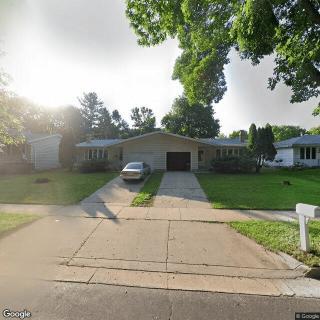
821 Twin Pines, Madison, WI 53704
For more information about senior living options: (866) 208-4318
Overall Review of Rem Twin Pines
Pros
 The quality and care that Rem provides is amazing, focusing on each individual and their needs.
- Shaunte is the best.
Cons
 The management is poor.
Review
Rem Twin Pines in Madison, Wisconsin is best suited for families that prioritize highly personalized, hands-on caregiving and want a team that treats residents as individuals with distinct histories, routines, and preferences. The setting rewards those who value daily attention to mood, mobility, and meaningful engagement rather than a one-size-fits-all approach. The care philosophy appears to lean into tailoring activities and meals, with staff listening closely to what residents want and adjusting plans accordingly. Within the feedback, the strongest praise centers on a staff ethos that memorializes each resident’s individuality. Shaunte is singled out as a standout leader among the caregiving team, a reference point for families seeking warmth, consistency, and a person-centered style of care.
However, this community will feel less suitable for families that insist on flawless administration and predictability. Several reviewers flag poor management and hint at inconsistent leadership, suggesting that the care seen on the floor may not always be matched by a steady, well-coordinated administrative presence. When the governance layer struggles, it can ripple into care planning, scheduling, and communication, precisely the areas families rely on to keep a loved one safe and content. For residents who require a steady hand at the top, transparent policies, and proactive problem-solving from an administrator, alternatives with stronger operational cores are worth investigating. In short, the strongest care does not automatically translate into uniformly reliable operations here.
On the positive side, the standout feature is the quality of direct care. The staff’s attention to each resident’s needs is repeatedly described as remarkable, and the approach feels genuinely person-centered rather than task-oriented. When the team notes preferences, routines, and emotional cues, the response tends to be immediate and respectful. The sentiment that “Win with Rem” captures a belief that the right caregiver relationships can drive meaningful gains in well-being. Shaunte’s leadership serves as a touchstone for the community’s care culture, illustrating that when seasoned caregivers are empowered, residents receive consistent, warm, and responsive interaction. For families safeguarding the day-to-day experience, cozy moments during meals, restorative assistance with mobility, and thoughtful activity participation, these elements carry real weight.
Yet the most pressing risk remains the administrative side. Poor management is not a rumor but a pattern that shadows the care story, creating friction between frontline staff and the governance needed to align schedules, budgets, and care plans. The Network group context referenced in some feedback hints at a larger corporate structure that may dilute accountability or slow decision-making. When leadership falters, caregivers can feel unsupported, and families may confront slower responses to questions or changes in a loved one’s condition. The result is a mixed experience: excellent one-on-one care in moments, but uneven consistency over time if the admin layer isn’t actively sharpening processes, reinforcing expectations, and following through on commitments.
This is where the pros must be weighed against the cons with practical clarity. The exceptional direct care can offset some administrative rough edges for residents who prize daily warmth, individualized attention, and a respectful, responsive staff. However, the risk of inconsistent management means that care plans and routines can drift, or communication can become fragmented during weekends or shifts. Families with a strong preference for predictable operations should push for a defined care-coordination structure: a single point of contact, documented care plans, and guaranteed caregiver assignments. Before committing, request a meet-and-greet with the administrator and several frontline caregivers, and request a tour focused on how shifts are managed, how changes to care plans are communicated, and how concerns are escalated.
In sum, Rem Twin Pines is a solid option for those who value deeply personalized care and a caregiving culture that elevates individual needs above routine tasks. The care quality on the floor can be excellent, and a few staff members, most notably Shaunte, stand out as anchors of reliable, compassionate service. But families must be comfortable navigating a governance environment that has drawn criticism and require diligence in confirming that administrative practices align with daily experience. For those who cannot accept potential mismatches between frontline care and admin follow-through, alternatives with more consistent leadership merit serious consideration. A purposeful visit, observe interactions, question the administrator about care coordination, and verify how care plans are updated, will illuminate whether this community matches the family’s tolerance for risk and their care-vision for a loved one.
 3 resident community capacity
 Assisted Living
 Cable or satellite TV
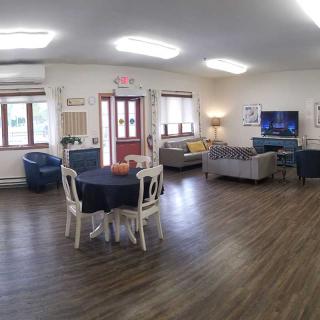
 Dining room
 Fully furnished
 Garden
 Housekeeping services
 Move-in coordination
 Outdoor space
 Telephone
 Wi-Fi/high-speed internet available
 Dane County Regional (3 miles away)
 24-hour supervision
 Activities of daily living assistance
 Assistance with bathing
 Assistance with dressing
 Assistance with transfers
 Diabetes diet
 Meal preparation and service
 Medication management
 Special dietary restrictions
 Transportation arrangement (medical)
 Transportation to doctors appointments



 A Detailed Exploration of Assisted Living Medicaid Waivers Across the United States
 Comprehensive Residential Support and Assisted Living Solutions for Individuals with Disabilities
 Comprehensive Supportive Living Arrangements for Adults with Disabilities