Residents describe Porchlight as a real source of shelter and supportive services.
Across many reviews, people point to Porchlight as a place that helps them when they cannot manage on their own. Several mention getting a safe place to stay and help moving into longer-term housing, including steps like case management and social support. A number of reviewers also highlight services that extend beyond a bed, including counseling and assistance with getting needed resources.
common11 reviews mention this
Caring staff and case managers
Multiple reviewers describe staff and case managers as caring and helpful.
A common theme in the reviews is that people feel supported by staff, with several calling out specific workers as welcoming, professional, and willing to help. Others describe staff and case managers as providing compassionate guidance and keeping them from feeling unseen. Even among mixed reviews, some attention goes to the importance of having trained support and accountability.
caveat7 reviews mention this
Facility condition and cleanliness
Some reviewers raise concerns about cleanliness, maintenance, and overall building condition.
Several negative reviews describe the building as outdated or run down, along with problems like mold and poor upkeep. Others complain about cleanliness issues, including reports of unclean conditions and problems on-site. A few reviews also call for better day-to-day practices to reduce harm and improve safety and dignity.
caveat2 reviews mention this
Hard to reach by phone
At least a couple of reviewers say it can be difficult to reach someone quickly.
One review describes calling many times over a long span without getting an answer or a call back. Another review mentions not being able to reach help on weekends, pointing to coverage and responsiveness issues outside standard times. Together, these comments suggest communication can be inconsistent when people need immediate contact.
common3 reviews mention this
Dining and daily resources
Some reviewers mention meals and daily resource support.
A few reviews specifically reference food being provided, including that meals are good. Others describe access to basic items and necessities as part of staying there day to day. While not every review focuses on food, the recurring mentions align with the community offering practical support during housing transitions.
common2 reviews mention this
Nearby parks and health care
The area around Porchlight includes parks and nearby medical options.
The nearby area includes parks and health care resources that can support day-to-day needs and appointments. Nearby listings include Warner Park and multiple medical/pharmacy options within a few miles, along with restaurants for meals out. This gives a sense of what is close by even when reviews focus more on services than on the neighborhood itself.
How we summarize
Counts show how many written reviews mention each theme; a review can touch several themes, and only frequently mentioned themes are displayed.
Features
Housing
8 resident community capacity
Types of Care
Assisted Living
Amenities
Cable or satellite TV
Dining room
Fully furnished
Garden
Housekeeping services
Move-in coordination
Outdoor space
Telephone
Wi-Fi/high-speed internet available
Transportation
Dane County Regional (2 miles away)
Care Services
24-hour supervision
Activities of daily living assistance
Assistance with bathing
Assistance with dressing
Assistance with transfers
Coordination with health care providers
Diabetes diet
Meal preparation and service
Medication management
Special dietary restrictions
Transportation arrangement (medical)
Transportation to doctors appointments
Dining
Diabetes diet
Special dietary restrictions
Activities
Community-sponsored activities
Scheduled daily activities
Nearby Places of Interest
Parks
Warner Park (0.8 miles)
Breese Stevens Field (3.8 miles)
James Madison Park (3.9 miles)
Olbrich Park (4.3 miles)
Harvey John & Lucille Taylor Memorial Park (4.5 miles)
Mendota Park (4.9 miles)
Physicians
Mendota Mental Health Institute (1 miles)
Owen, Emily Uw Health Union Corners Urgent Care (3.2 miles)
Tellurian (4 miles)
Barbara C White, LCSW (4.3 miles)
Pact Program (4.3 miles)
See (4.4 miles)
Accuear Professional Hearing & Audiology Clinics (4.5 miles)
Restaurants
Murphy's Bar and Restaurant (1.1 miles)
Mariner’s Inn (1.4 miles)
Athens Gyros (1.8 miles)
Esquire Club (2.1 miles)
Tip Top Tavern (2.7 miles)
Dexter's Pub (2.9 miles)
Karben4 Brewing (3 miles)
Pharmacies
Walgreens (1.2 miles)
UW Health Northeast Family Medical Center Pharmacy (1.4 miles)
Pick 'n Save Pharmacy (2.4 miles)
Walgreens (3.1 miles)
Walgreens (3.3 miles)
Target Pharmacy (4.1 miles)
Pharmacy Stars (4.3 miles)
Transportation
Dane County Regional Airport (MSN) (1.9 miles)
U-Haul Moving & Storage (4.8 miles)
Cafes
Starbucks (3.7 miles)
Panera Bread (4.1 miles)
Starbucks (4.5 miles)
Wonderstate Coffee (4.5 miles)
Gordon Dining and Event Center (4.7 miles)
Places of Worship
Eastside Evangelical Lutheran (3.7 miles)
Holy Wisdom Monastery (3.7 miles)
Theaters
Flix Brewhouse (4.1 miles)
Hospitals
University of Wisconsin Hospital and Clinics Authority (4.6 miles)
UWHC Outpatient Radiology (4.7 miles)
William S. Middleton Memorial Veterans Hospital (5 miles)
Activities of Daily Living (ADLs) are fundamental tasks vital for an individual's independence, particularly in older adults over 85, and include functions like bathing and dressing; assessing ADLs alongside Instrumental Activities of Daily Living (IADLs) helps determine the level of required assistance due to age-related health challenges. Tailored support plans, involving family and community resources, are essential for maintaining dignity and autonomy in assisted living environments.
Family caregivers face emotional, legal, and practical challenges when elderly parents refuse assisted living, often due to fears of losing autonomy. Open conversations and professional assessments can help address these concerns while exploring alternatives and ensuring safety, potentially leading to legal guardianship if necessary.
Luxury assisted living offers high-quality senior care in a resort-like environment that combines essential medical support, gourmet dining, and personalized services to enhance residents' independence and well-being. These upscale facilities emphasize holistic health and community-building through customized care plans and social activities, catering to the growing demand for enriched senior living experiences despite higher costs.
Get PricingAsk A QuestionSchedule A TourContact Senior Advisor
By clicking submit, you agree to our Partner's Terms of Use. You
also consent to receive calls and texts, which may be autodialed, from our Partner. Your consent is not a condition to
using our Partner's service. Please visit our Partner's Privacy Policy for information about their privacy practices.

 8 resident community capacity
 Assisted Living
 Cable or satellite TV
 Dining room
 Fully furnished
 Garden
 Housekeeping services
 Move-in coordination
 Outdoor space
 Telephone
 Wi-Fi/high-speed internet available
 Dane County Regional (2 miles away)
 24-hour supervision
 Activities of daily living assistance
 Assistance with bathing
 Assistance with dressing
 Assistance with transfers
 Diabetes diet
 Meal preparation and service
 Medication management
 Special dietary restrictions
 Transportation arrangement (medical)
 Transportation to doctors appointments
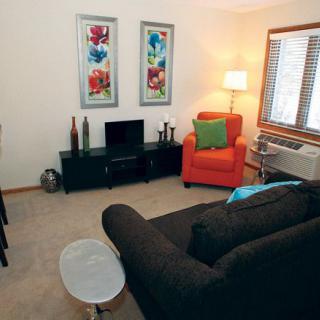
 Comprehensive assisted living with furnished apartments, meals, housekeeping, activities, and medical transport.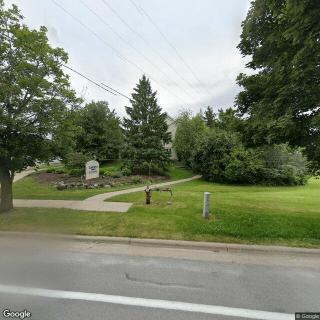
 Comprehensive Insights into Activities of Daily Living (ADLs) and Their Assessment
 Guiding Elderly Parents Who Refuse Assisted Living: 6 Practical Steps
 Your Comprehensive Guide to Luxury Assisted Living: Elevated Facilities, Amenities, and Costs