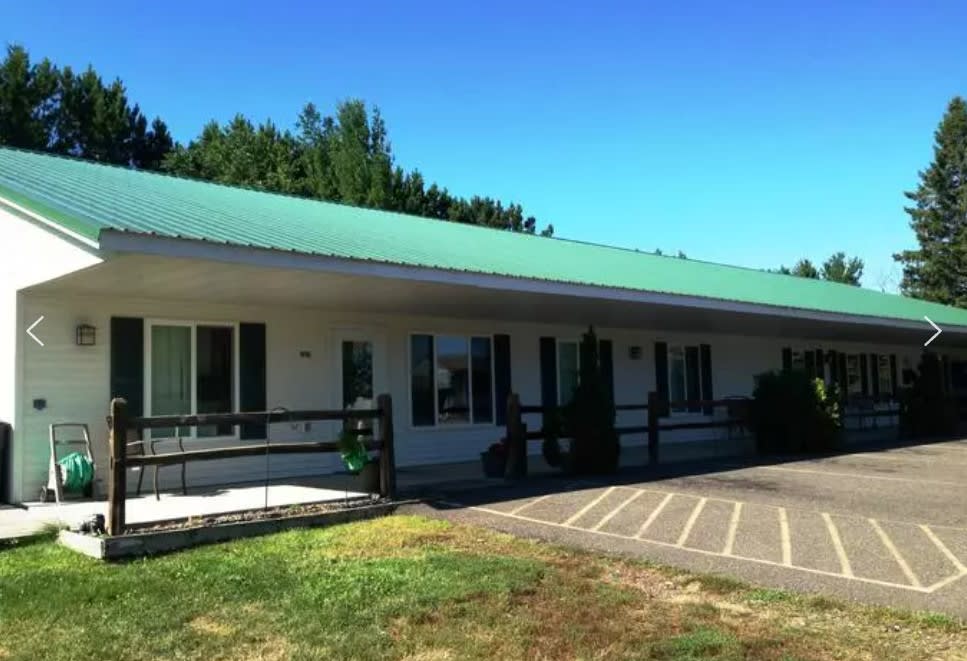
910 Shady Ln, Ladysmith, WI 54848
To contact a resident: (715) 532-6993
For more information about senior living options: (866) 208-4318
VitaCare Living Ladysmith I Costs & Pricing
VitaCare Living Ladysmith I offers competitive pricing for its studio accommodations, with a monthly cost of $4,500. This aligns directly with the average costs in Rusk County, which also stand at $4,500; however, it is significantly higher than the state average for Wisconsin, where similar studio living options are available at approximately $3,999 per month. This positioning suggests that while VitaCare Living Ladysmith I may provide exceptional amenities and services that justify its price point, potential residents and their families should consider these comparative rates when making decisions about senior living options in the area.
| Floor plans | VitaCare Living Ladysmith I | Rusk County | Wisconsin |
|---|---|---|---|
| Studio | $4,500 | $4,500 | $3,999 |
Assisted Living communities with a similar price nearby
-
About the same
VitaCare Living Ladysmith II
$4,500 / month1.3 miles away
Overall Review of VitaCare Living Ladysmith I
Pros
 The staff are very helpful and kind to residents.
- They are very patient with residents, including those with dementia.
- They ensure residents receive their medications and meals.
- The staff treat residents like family and get to know them personally.
- The facility provides care that is compassionate and sometimes includes humor.
- The environment is clean, well-maintained, and offers regular activities.
Review
VitaCare Living Ladysmith I is best suited for seniors who want a warm, person-centered assisted living experience in a small-town setting, with dementia care as a clear strength. The community shines for residents who value staff who are patient, kind, and consistently attentive to daily needs, medication management, mealtime routines, and social engagement are clearly prioritized. Families seeking a homelike atmosphere where caregivers take time to know individual preferences and build relationships will find this community aligns with those goals. The combination of compassionate care and a steady rhythm of daily activities makes this a compelling option for long-term residence.
Those weighing alternatives should consider what happens if more intensive clinical oversight or a broader, highly specialized memory-care program is required. For residents needing frequent on-site physician attention, aggressive skilled nursing services, or a program with a larger footprint and more extensive rehab offerings, other facilities may deliver the level of clinical intensity those needs demand. Also, if proximity to particular medical networks, transportation options, or a wider array of high-end amenities is a priority, it makes sense to compare VitaCare Ladysmith with facilities designed around those contingencies.
The compelling pros here, felt kindness from staff, patient, individualized attention, reliable medication administration, and a clean, inviting environment, clearly offset the absence of a flashy, hospital-like footprint. The care team’s ability to treat residents “like family,” to learn their stories, and to tailor routines and humor to personal personalities creates a sense of security and belonging that is hard to replicate in larger, more impersonal campuses. For families navigating dementia care decisions, these strengths translate into steadier daily routines, fewer care gaps, and a reassuring continuity that reduces the stress of transition.
A second pillar of strength is the day-to-day quality of life that emerges from attentive dining, engaging activities, and consistent housekeeping. Multiple residents and family members highlight meals that are well-received and a schedule that offers meaningful opportunities to stay socially and mentally engaged. Even respite stays are met with clean rooms, ongoing upkeep, and visible effort to keep residents active and connected. Taken together, these factors provide tangible, observable value: residents feel cared for, meals remain enjoyable, and the environment supports both independence and companionship.
When families are making a choice, practical considerations should drive the visit and conversations: how dementia-specific routines are implemented, how staff respond to changing needs, and whether there is a stable, experienced caregiving team that already knows the resident’s preferences. It’s important to verify that the facility maintains cleanliness, safety, and a steady calendar of activities, while also confirming that care plans can adapt to evolving memory-impairment needs. If these items align, VitaCare Ladysmith offers a reliable, comforting option that reduces the emotional and logistical burden of placement.
For seniors and families prioritizing warmth, personalized care, and a home-like atmosphere, VitaCare Living Ladysmith I stands out as a strong, well-aligned choice. Those seeking more intensive clinical programming, broader medical infrastructure, or a larger campus with extensive specialized memory-care services may wish to explore alternatives. With the evident dedication of the care team and the strong resident–staff relationships described, this community delivers a dependable and compassionate pathway for long-term assisted living in Ladysmith. A visit will confirm fit, particularly for memory-care needs and the daily rhythms that matter most to residents and their loved ones.
 Assisted Living
 Cats allowed
 Dogs allowed
 Activities off-site
 Beautician on-site
 Devotional services off-site
 Indoor common areas
 Outdoor common areas
 Respite or short term stays offered
 Wheelchair accessible showers
 Diabetic care
 High acuity care
 Meals provided




 When to Transition from Assisted Living to Memory Care: Key Indicators, Steps, and Finding the Right Community
 Assisted Living and Memory Care: Understanding Their Core Differences
 Beyond the Bingo Hall: 50+ Enriching Activities for Seniors in Assisted Living