
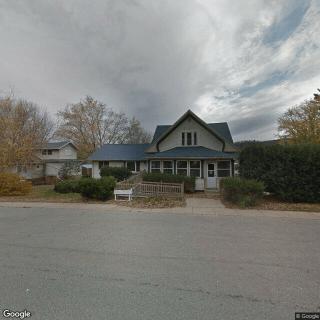
408 West Adams Street, La Farge, WI 54639
For more information about senior living options: (866) 208-4318
Overall Review of Hope Haven
Pros
 The church is quiet, beautiful, and ideal for prayer and reflection.
- The place is very welcoming and closely follows the Bible.
Review
Hope Haven in La Farge, Wisconsin, is best suited for seniors who want a quiet, faith-centered living environment where daily life centers on prayer, reflection, and Biblically grounded values. The setting comes across as a serene, church-adjacent space that residents describe as quiet and beautiful, a place where welcome feels organic and frequent. In practical terms, it is a community designed for residents who want spiritual continuity as a central thread of everyday living, rather than a purely secular or activity-driven senior setting.
Those who should consider alternatives are families and individuals seeking a more secular atmosphere or a broader, non-denominational activity calendar. If independence hinges on a robust social program beyond faith-based activities, or if a non-religious daily routine is important, other options may fit better. Similarly, if care needs escalate beyond assisted living contours, such as specialized memory care or more intensive clinical support, it is prudent to verify that Hope Haven can scale accordingly or to compare with facilities that foreground medical services and diversified programming.
The strongest positives fall squarely in alignment with its faith-forward identity. The community’s core appeal is its quiet, church-centered ambiance – a space many residents experience as deeply comforting and stabilizing. Welcoming-by-default culture is consistently highlighted, with residents noting that staff and neighbors embody warmth and approachable kindness. The faith-led approach, focusing on Bible-led practices and regular spiritual life, appears to shape daily routines in a way that fosters belonging, reduces isolation, and provides a clear, meaningful framework for aging in place.
From a decision-making standpoint, these advantages offset potential trade-offs by delivering predictable rhythms, social cohesion, and a sense of purpose that less faith-centric settings may struggle to replicate. The integrity of the welcoming environment reduces uncertainty and anxiety for residents and families alike, while a shared spiritual orientation offers avenues for pastoral support, communal prayer, and meaningful discussion. In short, for residents who prize spiritual sustenance as a cornerstone of daily life, the pros strongly reinforce overall satisfaction and retention.
Yet a candid appraisal must acknowledge likely trade-offs. A primary concern for some families is whether the religious emphasis may feel constraining for residents who prefer secular companionship and activities. The small-town, faith-based model could also limit access to a wider array of amenities, programs, or specialized care options found in larger communities. While the available reviews lean positive, the lack of breadth in programming or non-religious alternatives is a legitimate consideration for those weighing long-term needs, mobility, or evolving care requirements.
To navigate a decision confidently, inquire directly about care levels, staff ratios, and how religious programming is integrated into daily life without eclipsing essential services. Ask about meal options, transportation to off-site activities, and the availability of secular social opportunities, music, exercise, and hobbies. Clarify how pastoral visits, Bible studies, and worship services are scheduled, who leads them, and whether participation is mandatory or flexible. Understanding how Hope Haven balances spiritual care with practical needs will reveal whether the community’s core strengths align with the resident’s evolving preferences and health status.
Bottom line: Hope Haven is a compelling choice for faith-driven seniors who prioritize a serene, welcoming environment anchored in Bible-based living. For families and residents who value that spiritual foundation and a tight-knit community, the positives clearly outweigh potential drawbacks. Conversely, those seeking a more secular setting, richer non-faith programming, or broader medical and memory-care resources should explore alternatives to ensure alignment with long-term goals and lifestyle expectations.
 4 resident community capacity
 Assisted Living
 Cable or satellite TV
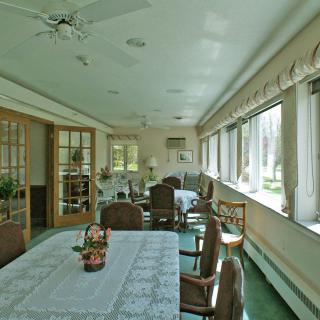
 Dining room
 Fully furnished
 Garden
 Housekeeping services
 Move-in coordination
 Outdoor space
 Telephone
 Wi-Fi/high-speed internet available
 24-hour supervision
 Activities of daily living assistance
 Assistance with bathing
 Assistance with dressing
 Assistance with transfers
 Diabetes diet
 Meal preparation and service
 Medication management
 Special dietary restrictions
 Transportation arrangement (medical)
 Transportation to doctors appointments

 Assisted Living and Memory Care: Understanding Their Core Differences
 Beyond the Bingo Hall: 50+ Enriching Activities for Seniors in Assisted Living
 Understanding the Distinctions: Assisted Living and Memory Care Explained