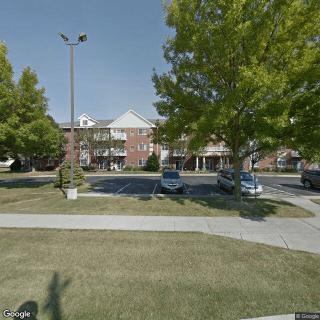
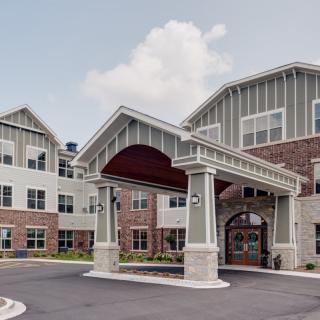
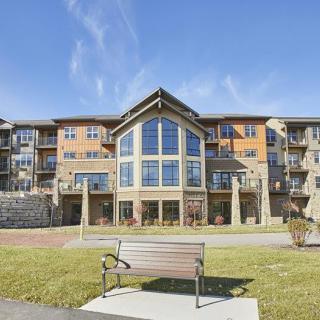
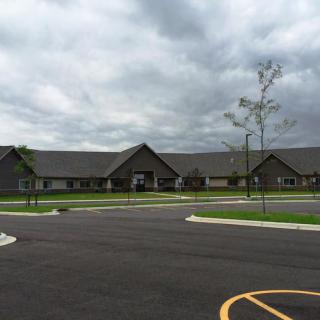
Kimberly Assisted Living II in Kimberly, WI

816 Schelfhout Lane, Kimberly, WI 54136

For more information about senior living options: (844) 490-3973

4.4 from 9 reviews
5 stars
7
4 stars
1
3 stars
0
2 stars
0
1 stars
1

Assisted Living Memory Care

Overall Review of Kimberly Assisted Living II

Pros

  • pro The staff are competent, caring, and patient.
  • pro The facility is wonderful in both building and atmosphere.
  • pro Residents receive excellent care from day one in memory care.
  • pro The rooms are roomy and kept very clean.
  • pro There is a big variety of activities, games, exercises, and holiday celebrations.
  • pro The staff care deeply for families and go above and beyond to facilitate visits.
  • pro They provide healthy meals, engaging activities, and regular communication with families.
  • pro The staff know each resident well and tailor care to individual needs.
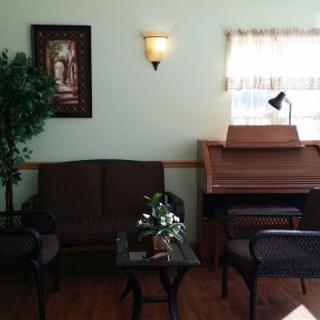
  • pro The smaller, home-like size creates a warm, intimate environment.
  • pro Residents are treated with respect and love, and families feel supported.

Cons

  • pro The place was horrible.
  • pro The staff don't care about the residents at all.
  • pro They put on a show when family members are around.
  • pro Don't put your loved ones here.
  • pro It's not safe.

Review

Kimberly Assisted Living II in Kimberly, WI is best suited for families seeking an intimate, dementia-focused option where staff know residents well, deliver patient, respectful care, and welcome ongoing family involvement. The community's strength rests on a small, home-like environment where memory-care residents receive individualized attention, and where caregivers build real relationships with both residents and their families. Reviewers repeatedly highlight roomy, clean private spaces and a level of warmth that makes residents feel "at home," with staff who communicate regularly and participate in meaningful daily activities.

Those who may want to consider alternatives are families prioritizing a broader campus experience, more extensive outside programming, or higher-acuity medical oversight. The facility's smaller footprint naturally limits outside activities and the range of facilities on site, which can feel restrictive for seniors who thrive on a wider array of outings or larger communal amenities. Some reviewers also note that food and activity offerings are "as good as can be expected" rather than exceptional, suggesting that culinary variety and additional recreational options may not meet every family's ideal benchmark. For families needing aggressive safety guarantees, higher staffing ratios on all shifts, or more formal, expansive programming, a larger, more resource-rich option could be more suitable.

The strongest pro-conencompassing dynamic here is clear: exceptional, compassionate staff and a truly personalized approach offset the downsides of a smaller setting. Several reviews underscore that staff members are patient, attentive, and genuinely affectionate, with dementia care described as thoughtful and respectful - from daily routines to individualized care plans. The small size is a double-edged sword that enables staff to know residents intimately and respond to subtle changes quickly, yet it also constrains the breadth of activities and amenities. The ongoing family communication, including regular updates and a dedicated caregiver liaison, helps families stay connected and confident in the care trajectory, which is a meaningful offset to the limited scope of offerings.

Memory care at this community stands out as a standout feature. Residents with dementia appear to benefit from staff who "know them" and can anticipate needs, a level of attentiveness that is hard to maintain in larger facilities. The reviews describe affectionate, respectful interactions and a culture where caregivers support not only the resident but the entire family. Observations of consistent, hands-on involvement during visits and the perception that staff can integrate personality dynamics into care planning are powerful indicators that the memory-care program operates with real depth. For families evaluating dementia care options, this customized, relationship-driven approach is a decisive advantage.

In making a decision, prospective families should inquire about staff-to-resident ratios across shifts, how care plans are updated and shared with families, and what specific memory-care programming looks like day-to-day. Visit unannounced to observe how staff engage with residents during meals, activities, and transitions, and ask to meet the primary memory-care team, including the person who handles family communications (often the point person like Terri in these settings). Clarify what "activities" realistically look like on a weekly basis and whether flexible scheduling can accommodate a resident's hobbies and routines. Also confirm safety measures, emergency protocols, and how behavioral challenges are addressed in real-time, given the small-community context.

Bottom line: for families prioritizing warmth, individuality, and a high-touch memory-care environment in a compact, homelike setting, Kimberly Assisted Living II offers compelling value. It excels where personalized staff interactions and family involvement matter most, and the cost posture remains reasonable for the quality delivered. However, for those requiring expansive campus amenities, a wider range of outside activities, or stronger guarantees across all shifts, it pays to compare alternatives. A well-timed visit paired with frank questions about staffing, programming, and care planning will reveal whether this small, attentive setting aligns with the loved one's dementia stage, personality, and family goals.

Features

Housing

  • 26 resident community capacity 26 resident community capacity

Types of Care

  • Assisted Living Assisted LivingAssisted living facilities provide crucial support and care for seniors who may need help with daily tasks such as medication management, bathing, and meal preparation. These communities offer a safe and comfortable environment where seniors can maintain their independence while receiving the assistance they need to thrive in their golden years.
  • Memory Care Memory CareMemory care is crucial for seniors as it provides specialized support and services for individuals with dementia or Alzheimer's disease. These programs offer a safe and secure environment where residents receive personalized care, cognitive stimulation, and help with daily activities. Memory care helps seniors maintain their independence, quality of life, and dignity while also providing peace of mind for their families.

Amenities

  • Beauty salon Beauty salonBeauty salons are important for seniors because they provide a space for them to feel pampered, socialize, and maintain their personal grooming and hygiene. Regular visits to a beauty salon can help boost seniors' self-esteem and overall well-being.
  • Cable or satellite TV Cable or satellite TVCable or satellite TV is important for seniors because it provides entertainment, news, and companionship, helping to combat loneliness and boredom. It also offers a wide range of programming options tailored to different interests and preferences.
  • Dining room Dining roomDining rooms are important for seniors as they provide a space for socialization, connection, and nutritious meals. They offer opportunities for residents to bond over shared meals, foster a sense of community, and promote healthy eating habits. Dining rooms also ensure that seniors have access to well-balanced meals tailored to their dietary needs and preferences.
  • Fully furnished Fully furnishedFully furnished senior living communities are important for seniors because they provide convenience, comfort, and a hassle-free moving experience. Seniors can easily settle into their new living space without the stress of having to buy and move furniture. This allows them to focus on enjoying their new home and community.
  • Garden GardenGardens are important for seniors as they provide a peaceful and therapeutic environment for relaxation, physical activity, and socialization. Being in nature has been shown to reduce stress, improve mood, and promote overall well-being. Gardens also offer opportunities for seniors to engage in gardening activities, which can improve mobility, flexibility, and cognitive function. Additionally, gardens create a sense of community and connection with others who share a passion for plants and outdoor spaces.
  • Housekeeping services Housekeeping servicesHousekeeping services are important for seniors because they help maintain a clean and safe living environment, promote independence, and reduce the risk of accidents or illnesses. Additionally, having assistance with household chores can alleviate physical strain and allow seniors to focus on other aspects of their well-being.
  • Kitchenette KitchenetteKitchenettes are important for seniors living in senior living communities because they provide the convenience and independence of being able to prepare simple meals and snacks in the comfort of their own living space. This can help promote a sense of autonomy and well-being for seniors, allowing them to maintain some level of control over their dietary choices and daily routines.
  • Move-in coordination Move-in coordinationMove-in coordination is important for seniors because it helps ease the transition into their new living environment. It ensures that all logistics, such as packing, organizing movers, and setting up utilities are taken care of, allowing seniors to focus on settling in and adjusting to their new home. Having a smooth move-in process can alleviate stress and anxiety, making the transition smoother and more enjoyable for seniors.
  • Outdoor space Outdoor spaceOutdoor spaces are important for seniors as they provide opportunities for physical activity, social interaction, exposure to natural light and fresh air, and a sense of connection to nature. Having access to outdoor spaces can improve overall well-being and quality of life for older adults living in senior communities.
  • Restaurant-style dining Restaurant-style diningRestaurant-style dining is important for seniors because it allows them to enjoy delicious, nutritious meals in a social and upscale setting. This enhances their dining experience, promotes healthy eating habits, and fosters socialization with fellow residents, ultimately contributing to their overall well-being and quality of life.
  • Small library Small librarySmall libraries are important for seniors as they provide access to a variety of reading materials, including books, newspapers, and magazines. This can help stimulate their minds, keep them engaged, and provide a sense of community through book clubs and other social activities. Additionally, reading has been shown to improve cognitive function and overall mental well-being in older adults.
  • Telephone TelephoneTelephones are important for seniors as they provide a lifeline for communication with loved ones, emergency services, and healthcare providers. They offer a sense of security and independence, enabling seniors to stay connected and access assistance when needed.
  • Wi-Fi/high-speed internet available Wi-Fi/high-speed internet availableWi-Fi/high-speed internet is important for seniors to stay connected with loved ones, access online resources, and participate in virtual activities to combat feelings of loneliness and isolation. It also allows them to easily manage healthcare needs, access entertainment, and engage in lifelong learning opportunities.

Transportation

  • Outagamie County Regional (10 miles away) Outagamie County Regional (10 miles away)
  • Austin Straubel International (18 miles away) Austin Straubel International (18 miles away)

Care Services

  • 24-hour call system 24-hour call system24-hour call systems are important for seniors because they provide peace of mind and immediate assistance in case of emergencies. This technology ensures that help is always available, promoting safety and security for elderly individuals living alone or in assisted living facilities.
  • 24-hour supervision 24-hour supervision24-hour supervision is important for seniors to ensure their safety, well-being, and access to immediate assistance in case of emergencies or health issues. This constant support provides peace of mind for both seniors and their loved ones, allowing them to age in place with dignity and security.
  • Activities of daily living assistance Activities of daily living assistanceActivities of daily living assistance are important for seniors because they provide essential support with tasks such as eating, bathing, dressing, and mobility. This assistance helps seniors maintain their independence, dignity, and overall quality of life as they age.
  • Assistance with bathing Assistance with bathingAssistance with bathing is crucial for seniors as it helps maintain personal hygiene, prevents infections, and ensures their overall well-being and comfort. It also provides a sense of dignity and independence for seniors who may struggle with this task on their own.
  • Assistance with dressing Assistance with dressingAssistance with dressing is important for seniors because it helps maintain their independence, promotes personal hygiene, prevents accidents and injuries, and improves overall quality of life. This service ensures that seniors can continue to dress comfortably and confidently, despite any physical limitations they may have.
  • Assistance with transfers Assistance with transfersAssistance with transfers is crucial for seniors as it helps prevent falls and injuries, maintains their independence, and ensures they can safely navigate their living environment. It also provides peace of mind for both seniors and their loved ones.
  • Diabetes diet Diabetes dietA diabetes diet is crucial for seniors as it helps manage blood sugar levels, reduce risks of complications, and improve overall health and well-being. By following a balanced and nutritious diet tailored to their specific needs, seniors can better control their diabetes and enhance their quality of life.
  • Meal preparation and service Meal preparation and serviceMeal preparation and service are crucial for seniors as they may have limited mobility or energy to cook nutritious meals. Having access to healthy and convenient food options can ensure they are getting the proper nutrition needed to maintain their overall health and well-being.
  • Medication management Medication managementMedication management is crucial for seniors to ensure they are taking the right medications at the correct dosages and times. This helps prevent adverse drug interactions, reduces the risk of medication errors, and promotes overall health and well-being. Proactive management also allows for adjustments as needed based on changing health conditions or new prescriptions.
  • Mental wellness program Mental wellness programMental wellness programs are essential for seniors as they promote cognitive stimulation, emotional support, and social engagement. These programs help prevent isolation, depression, and cognitive decline, ultimately enhancing the overall quality of life for older adults.
  • Mild cognitive impairment Mild cognitive impairment"Mild cognitive impairment" is important for seniors because it is an early stage of cognitive decline that can potentially progress to more severe conditions such as dementia. Recognizing and addressing mild cognitive impairment can help seniors receive appropriate care and support to maintain their quality of life and independence for as long as possible.
  • Special dietary restrictions Special dietary restrictionsSpecial dietary restrictions are important for seniors because age-related changes in metabolism and health conditions can make it difficult for their bodies to process certain foods. By following a diet tailored to their specific needs, seniors can maintain their overall health and well-being, manage chronic conditions, and reduce the risk of complications such as malnutrition or food interactions with medications.
  • Specialized memory care programming Specialized memory care programmingSpecialized memory care programming is crucial for seniors with cognitive impairments such as dementia or Alzheimer's disease. These programs provide a safe and supportive environment tailored to the unique needs of individuals with memory loss, helping them maintain their independence, dignity, and quality of life.

Dining

  • Diabetes diet Diabetes dietA diabetes diet is crucial for seniors as it helps manage blood sugar levels, reduce risks of complications, and improve overall health and well-being. By following a balanced and nutritious diet tailored to their specific needs, seniors can better control their diabetes and enhance their quality of life.
  • Special dietary restrictions Special dietary restrictionsSpecial dietary restrictions are important for seniors because age-related changes in metabolism and health conditions can make it difficult for their bodies to process certain foods. By following a diet tailored to their specific needs, seniors can maintain their overall health and well-being, manage chronic conditions, and reduce the risk of complications such as malnutrition or food interactions with medications.

Activities

  • Community-sponsored activities Community-sponsored activitiesCommunity-sponsored activities are important for seniors as they provide opportunities for social interaction, mental stimulation, and physical activity. These activities can help improve overall well-being, combat loneliness and isolation, and promote a sense of belonging and purpose among older adults.
  • Resident-run activities Resident-run activitiesResident-run activities are important for seniors as they encourage social interaction, creativity, and a sense of autonomy. These activities empower seniors to stay engaged and active in their community while fostering meaningful connections with their peers.
  • Scheduled daily activities Scheduled daily activitiesScheduled daily activities are important for seniors because they provide structure, socialization, mental stimulation, and physical activity. Engaging in regular activities can improve overall well-being and quality of life for seniors living in a community setting.

Description

Kimberly Assisted Living II in Kimberly, WI is a specialized memory care facility that provides high-quality care and support for individuals with memory impairments. Our community offers a range of amenities to ensure the comfort and well-being of our residents. Each apartment is fully furnished and includes cable or satellite TV, a kitchenette, telephone, and Wi-Fi/high-speed internet access. Housekeeping services are provided to maintain cleanliness and tidiness.

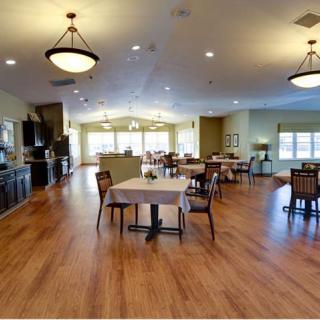
Our dining options are designed to accommodate special dietary restrictions, ensuring that each resident receives nutritious meals that meet their individual needs. Residents can enjoy delicious meals in our beautiful dining room with restaurant-style service.

We understand the importance of engaging activities in promoting mental wellness and quality of life. Our residents can participate in resident-run activities as well as scheduled daily activities tailored to their interests and abilities. Additionally, we offer a small library for those who love to read.

Safety and care are top priorities at our community. We provide 24-hour supervision and assistance with daily living activities such as bathing, dressing, and transfers. Our dedicated staff members are trained in medication management and are always available to provide support.

In addition to our exceptional care services, Kimberly Assisted Living II is conveniently located near various amenities in the area. There are two cafes nearby for socializing or enjoying a cup of coffee, seven parks for outdoor recreation, thirteen pharmacies for easy access to medications, forty-one physicians for medical needs, twenty-seven restaurants offering diverse dining options, four places of worship for spiritual nourishment, one theater for entertainment purposes, and five hospitals for emergency situations or specialized medical care.

At Kimberly Assisted Living II, we strive to create a nurturing environment where residents can thrive physically, mentally, and emotionally. With personalized care plans tailored to each individual's unique needs and interests, we provide a comfortable home-like setting where seniors can age gracefully while receiving the support they require.

Nearby Places of Interest

Restaurants

  • Anduzzi's Sports Club - Kimberly (0.7 miles)
  • Kamps Bar (0.7 miles)
  • McDonald's (1.1 miles)
  • Mohnen's Darboy Family Restaurant (1.2 miles)
  • Manderfield's Home Bakery (1.4 miles)
  • Chipotle Mexican Grill (1.5 miles)
  • Game Day Sports Bar (1.6 miles)

Theaters

  • Valley Grand Cinema Appleton, Wi (0.9 miles)

Places of Worship

  • Holy Spirit Church (0.9 miles)
  • St Bernadette (2.2 miles)
  • Immanuel United Church of Christ (2.6 miles)
  • First United Methodist Church (3.8 miles)

Physicians

  • Valley Periodontics (1 miles)
  • Surgery Center Association of Wisconsin (1.1 miles)
  • RAYUS Radiology (1.8 miles)
  • Valley Eye Associates (2 miles)
  • Affinity - Patriot Drive Clinic (2.6 miles)
  • Kaukauna Clinic (2.8 miles)
  • Dr Ebben (2.8 miles)

Pharmacies

  • Theda Care Fast Care (1.2 miles)
  • Walgreens (1.4 miles)
  • Walmart Pharmacy (1.8 miles)
  • Walgreens (1.9 miles)
  • Smith Pharmacy (2.4 miles)
  • Aurora Pharmacy (2.6 miles)
  • Walgreens (2.6 miles)

Parks

  • Doyle Park (1.4 miles)
  • Legion Park (1.7 miles)
  • Heesakker Park (2 miles)
  • Darboy Community Park (2.1 miles)
  • La Follette Park (2.7 miles)
  • Riverside Park (2.8 miles)
  • Horseshoe Park (2.8 miles)

Cafes

  • Panera Bread (1.5 miles)
  • Seth's Coffee & Bake Shop (1.5 miles)

Hospitals

  • Martha Siekman Cancer Center (3.5 miles)
  • Icu (3.6 miles)
  • Appleton Medical Center (3.6 miles)
  • St Elizabeth Hospital (3.9 miles)
  • St Elizabeth Hospital Auxiliary (3.9 miles)

Frequently Asked Questions

Where is Kimberly Assisted Living II?
Does Kimberly Assisted Living II provide care for residents with dementia or Alzheimer's disease?

Nearby Communities

  • Kimberly Assisted Living I

    Kimberly Assisted Living I

    Kimberly, WI

    4.1 from 17 reviews
    $4,000 / month

    pro Bright, welcoming environment with friendly staff and engaging memory care activities.

  • Your Neighborhood Living

    Your Neighborhood Living

    Kimberly, WI


    pro Comprehensive care services and convenient amenities (24-hour supervision, ADL support, medication management, meal prep, transportation, move-in coordination).

  • Hallmark Place

    Hallmark Place

    Kimberly, WI

    3.5 from 6 reviews
    $635 to $735 / month

    pro Well-maintained facility with friendly staff and engaging activities under trusted leadership.

  • Aspire Senior Living

    Aspire Senior Living

    Kimberly, WI

    4.4 from 73 reviews
    $2,695 to $3,150 / month

    pro Well-staffed with diverse room options and strong amenities/activities.

  • Rescare Randys Ln

    Rescare Randys Ln

    Appleton, WI

    5 from 2 reviews
     

    pro Comprehensive care and convenient amenities

  • Aspire Senior Living - Kimberly

    Aspire Senior Living - Kimberly

    Kimberly, WI

    4.4 from 57 reviews
    $3,095 to $5,895 / month

    pro Caring staff, engaging activities, and a well-maintained, resort-like setting with dementia-friendly care.

  • Eagle Point Senior Living

    Eagle Point Senior Living

    Appleton, WI

    4.1 from 42 reviews
    $5,100 / month

    pro Beautiful, modern facility with river views and extensive on-site amenities.

  • Gardens Of Fountain Way

    Gardens Of Fountain Way

    Menasha, WI

    3.7 from 6 reviews
    $5,130 / month

    pro Caring staff, clean surroundings, and engaging activities.

  • Care Partners Assisted Living - Appleton

    Care Partners Assisted Living - Appleton

    Appleton, WI

    2.3 from 32 reviews
    $5,200 / month

    pro Engaging activities (bingo, painting) and a spacious, well-equipped building with on-site activities and comprehensive care options.

Related Resources

  • dementia stagesUnderstanding Dementia Through Its Seven Stages: A Comprehensive Look at Progression and Expectations

    Dementia encompasses a range of cognitive impairments characterized by types such as Alzheimer's and vascular dementia, and follows a seven-stage progression model known as the Global Deterioration Scale (GDS), highlighting varying symptoms and decline timelines. Early detection allows for lifestyle adjustments to potentially slow progression, while caregivers need support and resources to manage the challenges involved in caring for affected individuals.

  • dementia careA Holistic Dementia Care Guide: Effective Strategies for Memory Support

    The guide on holistic dementia care outlines the complexity of dementia and stresses the need for individualized caregiver strategies that include medical treatment, psychological support, and environmental adaptations, while emphasizing early detection, various therapeutic options, and caregiver support to enhance quality of life and maintain dignity.

  • activities of daily livingComprehensive Insights into Activities of Daily Living (ADLs) and Their Assessment

    Activities of Daily Living (ADLs) are fundamental tasks vital for an individual's independence, particularly in older adults over 85, and include functions like bathing and dressing; assessing ADLs alongside Instrumental Activities of Daily Living (IADLs) helps determine the level of required assistance due to age-related health challenges. Tailored support plans, involving family and community resources, are essential for maintaining dignity and autonomy in assisted living environments.