
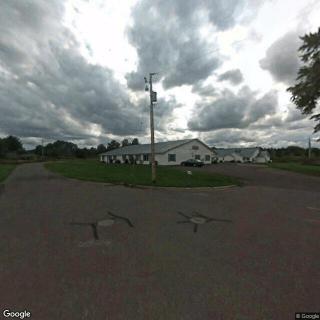
Willow Manor in Iron River, WI

Information last verified:

68290 North District Street, Iron River, WI 54847

For more information about senior living options: (844) 490-3973

1 from 1 review

Overall Review of Willow Manor

Cons

  • pro The reviewer claims the monthly price charged by Sharon and Rich Hogfeldt is high for assisted living.
  • pro They allege that staff are underpaid, earning below-average wages for this type of work.
  • pro They accuse the facility of consistently shopping for and serving expired foods.
  • pro They advise others to do their homework before sending anyone they care about there.

Review

Willow Manor in Iron River, Wisconsin is best suited for residents who can navigate care with minimal direct staff intervention and for families prepared to supervise quality and safety from the outside. The sole firsthand review paints a stark portrait: meals raise concerns about freshness, and the staffing environment is described as underpaid and under-resourced. In practical terms, this means Willow Manor may work for those who are determined to accept a lower-touch level of service, tolerate uncertain meal quality, and accept the risk that routine support may depend on outside advocacy rather than internal standards.

Who should consider alternatives? Anyone who expects dependable, well-priced assisted living with consistent dining quality and fair wages for caregivers should look elsewhere. Families should favor facilities with verifiable nutritional safety, clear menus, transparent pricing, and staff who receive livable wages and adequate supervision. Local options with multiple reviews citing higher standards are more reliable bets for long-term peace of mind. The absence of positive notes in Willow Manor’s profile is a red flag that deserves serious weight in the decision process.

On balance, the limited “pros” that could justify staying, potential convenience of location or basic lodging, do not appear to offset the core drawbacks. The most damaging signals are not minor quirks but systemic concerns: a monthly price that reviewers feel is not justified by the level of service, and reports of expired foods being served. The staffing comment, underpaid, earning below-average wages, raises questions about morale, turnover, and the likelihood of attentive, consistent care. Without observable, credible evidence of improved quality, the price point seems disproportionate and the perceived value markedly negative.

To evaluate Willow Manor with greater confidence, prospective families should demand specific answers: What is the facility’s process for menu planning and food procurement? How are suppliers vetted, and how often are meals checked for freshness? What is the staff-to-resident ratio during peak hours, and how stable is the caregiving team? How does compensation compare to regional benchmarks, and what is the agency policy if job satisfaction or turnover affects resident care? A tour should include a meal experience, conversations with both kitchen staff and direct caregivers, and a review of recent inspection reports for any food-safety findings.

From a risk-management standpoint, the reported issues carry practical implications. Expired foods, if accurate, pose health risks regardless of the resident’s condition. Underpaid staff can translate into higher turnover, fewer consistent caregivers, and diminished day-to-day responsiveness. The combination undermines trust in daily routines, dining experiences, and safety checks. Activities and social engagement, often the antidote to isolation in the aging process, may be inconsistent if staffing is stretched thin. Families should weigh the potential for sporadic service against the emotional and financial costs of a facility that lacks strong internal controls.

Bottom line: with a single negative report in the record, Willow Manor should be approached with extreme caution. For most families seeking reliable assisted living, exploration of alternatives that demonstrate clearer value, better food safety records, and stronger staff welfare is strongly advised. If this option is still considered, insist on a rigorous verification process: obtain references, read state inspection documents, request a transparent pricing breakdown, and schedule in-person visits with direct care staff and kitchen personnel. The decision should center on whether nutrition, staffing integrity, and transparent economics can be confirmed before any commitment is made.

Features

Housing

  • 8 resident community capacity 8 resident community capacity

Types of Care

  • Assisted Living Assisted LivingAssisted living facilities provide crucial support and care for seniors who may need help with daily tasks such as medication management, bathing, and meal preparation. These communities offer a safe and comfortable environment where seniors can maintain their independence while receiving the assistance they need to thrive in their golden years.
  • Board and Care Home Board and Care HomeBoard and care homes provide a smaller, more intimate setting for seniors who require assistance with daily tasks but do not need the level of care offered by a nursing home. They offer personalized care, meals, and social activities in a homelike environment, ensuring that seniors receive individualized attention and support in their golden years.

Amenities

  • Activities on-site Activities on-siteActivities on-site are important for seniors because they provide opportunities for socialization, mental stimulation, physical activity, and overall well-being. Engaging in activities can help seniors stay active, maintain their independence, and improve their quality of life.
  • Cable or satellite TV Cable or satellite TVCable or satellite TV is important for seniors because it provides entertainment, news, and companionship, helping to combat loneliness and boredom. It also offers a wide range of programming options tailored to different interests and preferences.
  • Devotional services off-site Devotional services off-siteDevotional services off-site are important for seniors as they provide spiritual nourishment, social engagement, and a sense of community outside of the senior living facility. This can enhance overall well-being and help combat feelings of isolation and loneliness often experienced by older adults.
  • Dining room Dining roomDining rooms are important for seniors as they provide a space for socialization, connection, and nutritious meals. They offer opportunities for residents to bond over shared meals, foster a sense of community, and promote healthy eating habits. Dining rooms also ensure that seniors have access to well-balanced meals tailored to their dietary needs and preferences.
  • Fully furnished Fully furnishedFully furnished senior living communities are important for seniors because they provide convenience, comfort, and a hassle-free moving experience. Seniors can easily settle into their new living space without the stress of having to buy and move furniture. This allows them to focus on enjoying their new home and community.
  • Garden GardenGardens are important for seniors as they provide a peaceful and therapeutic environment for relaxation, physical activity, and socialization. Being in nature has been shown to reduce stress, improve mood, and promote overall well-being. Gardens also offer opportunities for seniors to engage in gardening activities, which can improve mobility, flexibility, and cognitive function. Additionally, gardens create a sense of community and connection with others who share a passion for plants and outdoor spaces.
  • Housekeeping services Housekeeping servicesHousekeeping services are important for seniors because they help maintain a clean and safe living environment, promote independence, and reduce the risk of accidents or illnesses. Additionally, having assistance with household chores can alleviate physical strain and allow seniors to focus on other aspects of their well-being.
  • Indoor common areas Indoor common areasIndoor common areas are crucial for seniors as they provide a space for socialization, recreation, and community engagement, promoting overall well-being and reducing feelings of isolation and loneliness.
  • Move-in coordination Move-in coordinationMove-in coordination is important for seniors because it helps ease the transition into their new living environment. It ensures that all logistics, such as packing, organizing movers, and setting up utilities are taken care of, allowing seniors to focus on settling in and adjusting to their new home. Having a smooth move-in process can alleviate stress and anxiety, making the transition smoother and more enjoyable for seniors.
  • Outdoor space Outdoor spaceOutdoor spaces are important for seniors as they provide opportunities for physical activity, social interaction, exposure to natural light and fresh air, and a sense of connection to nature. Having access to outdoor spaces can improve overall well-being and quality of life for older adults living in senior communities.
  • Telephone TelephoneTelephones are important for seniors as they provide a lifeline for communication with loved ones, emergency services, and healthcare providers. They offer a sense of security and independence, enabling seniors to stay connected and access assistance when needed.
  • Wi-Fi/high-speed internet available Wi-Fi/high-speed internet availableWi-Fi/high-speed internet is important for seniors to stay connected with loved ones, access online resources, and participate in virtual activities to combat feelings of loneliness and isolation. It also allows them to easily manage healthcare needs, access entertainment, and engage in lifelong learning opportunities.

Care Services

  • 24-hour supervision 24-hour supervision24-hour supervision is important for seniors to ensure their safety, well-being, and access to immediate assistance in case of emergencies or health issues. This constant support provides peace of mind for both seniors and their loved ones, allowing them to age in place with dignity and security.
  • Activities of daily living assistance Activities of daily living assistanceActivities of daily living assistance are important for seniors because they provide essential support with tasks such as eating, bathing, dressing, and mobility. This assistance helps seniors maintain their independence, dignity, and overall quality of life as they age.
  • Ambulatory care Ambulatory care"Ambulatory care services provide essential medical support and treatment to seniors without requiring hospitalization, allowing them to maintain their independence and quality of life while managing chronic conditions or receiving routine medical care."
  • Assistance with bathing Assistance with bathingAssistance with bathing is crucial for seniors as it helps maintain personal hygiene, prevents infections, and ensures their overall well-being and comfort. It also provides a sense of dignity and independence for seniors who may struggle with this task on their own.
  • Assistance with dressing Assistance with dressingAssistance with dressing is important for seniors because it helps maintain their independence, promotes personal hygiene, prevents accidents and injuries, and improves overall quality of life. This service ensures that seniors can continue to dress comfortably and confidently, despite any physical limitations they may have.
  • Assistance with transfers Assistance with transfersAssistance with transfers is crucial for seniors as it helps prevent falls and injuries, maintains their independence, and ensures they can safely navigate their living environment. It also provides peace of mind for both seniors and their loved ones.
  • Coordination with health care providers Coordination with health care providersCoordination with health care providers is crucial for seniors to ensure proper medical care, medication management, and overall well-being. This collaboration helps prevent overlapping treatments, track progress more effectively, and provide comprehensive support tailored to individual needs.
  • Diabetes diet Diabetes dietA diabetes diet is crucial for seniors as it helps manage blood sugar levels, reduce risks of complications, and improve overall health and well-being. By following a balanced and nutritious diet tailored to their specific needs, seniors can better control their diabetes and enhance their quality of life.
  • Diabetic care Diabetic careDiabetic care is crucial for seniors as they are more susceptible to developing diabetes due to aging and other health conditions. Proper management of diabetes can help prevent complications such as heart disease, vision loss, and nerve damage, improving the overall quality of life for seniors in senior living communities.
  • Meal preparation and service Meal preparation and serviceMeal preparation and service are crucial for seniors as they may have limited mobility or energy to cook nutritious meals. Having access to healthy and convenient food options can ensure they are getting the proper nutrition needed to maintain their overall health and well-being.
  • Medication management Medication managementMedication management is crucial for seniors to ensure they are taking the right medications at the correct dosages and times. This helps prevent adverse drug interactions, reduces the risk of medication errors, and promotes overall health and well-being. Proactive management also allows for adjustments as needed based on changing health conditions or new prescriptions.
  • Special dietary restrictions Special dietary restrictionsSpecial dietary restrictions are important for seniors because age-related changes in metabolism and health conditions can make it difficult for their bodies to process certain foods. By following a diet tailored to their specific needs, seniors can maintain their overall health and well-being, manage chronic conditions, and reduce the risk of complications such as malnutrition or food interactions with medications.
  • Transportation arrangement (medical) Transportation arrangement (medical)Transportation arrangements for medical purposes are essential for seniors as they may have difficulty driving themselves to appointments or accessing public transportation. Having reliable and safe transportation options ensures that seniors can receive timely medical care and maintain their health and well-being.
  • Transportation to doctors appointments Transportation to doctors appointmentsTransportation to doctors' appointments is crucial for seniors as it ensures they have access to necessary medical care and support for their health needs. Without reliable transportation, seniors may struggle to attend important appointments, leading to potential delays in treatment and health complications. Providing transportation services helps seniors maintain their overall well-being and quality of life.

Dining

  • Diabetes diet Diabetes dietA diabetes diet is crucial for seniors as it helps manage blood sugar levels, reduce risks of complications, and improve overall health and well-being. By following a balanced and nutritious diet tailored to their specific needs, seniors can better control their diabetes and enhance their quality of life.
  • Meals provided Meals provided"Meals provided" are crucial for seniors in assisted living communities as it ensures they have access to nutritious, balanced meals without the stress of meal planning and preparation. This can help promote overall health and well-being for seniors who may have limited mobility or cognitive abilities.
  • Special dietary restrictions Special dietary restrictionsSpecial dietary restrictions are important for seniors because age-related changes in metabolism and health conditions can make it difficult for their bodies to process certain foods. By following a diet tailored to their specific needs, seniors can maintain their overall health and well-being, manage chronic conditions, and reduce the risk of complications such as malnutrition or food interactions with medications.

Activities

  • Activities on-site Activities on-siteActivities on-site are important for seniors because they provide opportunities for socialization, mental stimulation, physical activity, and overall well-being. Engaging in activities can help seniors stay active, maintain their independence, and improve their quality of life.
  • Community-sponsored activities Community-sponsored activitiesCommunity-sponsored activities are important for seniors as they provide opportunities for social interaction, mental stimulation, and physical activity. These activities can help improve overall well-being, combat loneliness and isolation, and promote a sense of belonging and purpose among older adults.
  • Devotional activities offsite Devotional activities offsiteDevotional activities offsite are important for seniors because they provide social engagement, spiritual growth, and a sense of community outside of their living environment. This can improve overall well-being, mental health, and combat feelings of isolation or loneliness.
  • Scheduled daily activities Scheduled daily activitiesScheduled daily activities are important for seniors because they provide structure, socialization, mental stimulation, and physical activity. Engaging in regular activities can improve overall well-being and quality of life for seniors living in a community setting.

Description

Willow Manor is an assisted living community located in Iron River, WI. This board and care home provides a range of care services to meet the needs of its residents. The fully furnished accommodations offer a comfortable and inviting living space for seniors.

Residents at Willow Manor can enjoy various amenities including cable or satellite TV, Wi-Fi/high-speed internet, and telephone services. Housekeeping services are provided to ensure that the living areas are clean and well-maintained. There are also indoor common areas where residents can socialize and engage in activities.

The dedicated staff at Willow Manor assists with activities of daily living such as bathing, dressing, and transfers. They also coordinate with health care providers to ensure that residents receive optimal medical care. Special dietary restrictions including diabetes diets are accommodated, and meal preparation and service are provided. Medication management is available to help residents stay on track with their medications.

Transportation arrangements are made for medical appointments, ensuring that residents have easy access to healthcare facilities. Additionally, there are transportation options available for other needs within the nearby vicinity.

Residents can participate in scheduled daily activities as well as community-sponsored events. Devotional activities offsite provide spiritual enrichment for those who desire it. Nearby parks offer opportunities for outdoor recreation, while numerous restaurants cater to different culinary preferences.

With one physicians' office, nearby parks, restaurants, transportation options, and places of worship close by, Willow Manor strives to provide a convenient and engaging lifestyle for its residents.

Nearby Places of Interest

Transportation

  • U-Haul (0 miles)
  • U-Haul Neighborhood Dealer (0.3 miles)
  • Timberghost Taxidermy (0.5 miles)
  • Lundgren's Taxidermy (17.7 miles)
  • U-Haul Neighborhood Dealer (18.7 miles)
  • Old Train Depot (24.5 miles)

Restaurants

  • A&W Restaurant (0.1 miles)
  • B's Busy Bakery (0.4 miles)
  • Rustic Roost (0.4 miles)
  • The 300 Grill (0.4 miles)
  • Uncle Bob's Bowling Center (0.4 miles)
  • Judy's Drift Inn (0.4 miles)
  • Iron River Pizza Parlor (0.4 miles)

Physicians

  • The Lakes Community Health Center (0.3 miles)
  • Mainstreet Clinic (24.4 miles)
  • Peter J Mayer (24.7 miles)

Places of Worship

  • Our Savior Lutheran Church (0.4 miles)
  • St Michael Catholic Church (0.4 miles)
  • Grace Baptist Church (2.4 miles)
  • Calvary Presbyterian Church (2.5 miles)
  • Hope Lutheran Church (7.2 miles)
  • St Anthony Catholic Church (14.2 miles)
  • Open Bible Church (22.4 miles)

Parks

  • Half Moon Park (0.7 miles)
  • Maslowski Park (23.2 miles)
  • Prentice Park (23.3 miles)
  • Lucius Woods (24.4 miles)
  • Lucius Woods State Park (24.6 miles)
  • H. Pearson Plaza (24.7 miles)
  • Big Rock Wayside Park (24.9 miles)

Cafes

  • Lakeshore Cafe (23.4 miles)
  • Coffeehouse & Eatery (23.4 miles)
  • Eviejean's Boutique (24.4 miles)
  • Black Cat Coffeehouse (24.6 miles)

Pharmacies

  • Medicine Shoppe Pharmacy (24.6 miles)
  • Walgreens (25 miles)

Hospitals

  • Memorial Medical Center (24.7 miles)
  • Chequamegon Bay Dialysis Unit (24.7 miles)

Theaters

  • Bay Theater (24.8 miles)

Frequently Asked Questions

Where is Willow Manor?

Nearby Communities

  • Middle River Health Care Center

    Middle River Health Care Center

    South Range, WI

    3.6 from 21 reviews
     

    pro Comprehensive amenities and 24/7 care support.

  • Birch Haven Senior Living Falcons Crest

    Birch Haven Senior Living Falcons Crest

    Ashland, WI

    3.8 from 5 reviews
     

    pro Intimate 15-bed setting with comprehensive memory care, 24-hour supervision, ADL assistance, and coordinated healthcare plus transportation.

  • Birch Haven Senior Living Eagles Ridge

    Birch Haven Senior Living Eagles Ridge

    Ashland, WI

    3.8 from 5 reviews
     

    pro Small, intimate 8-bed community with comprehensive memory care and 24-hour supervision.

  • Birch Haven Senior Living Bears Hollow

    Birch Haven Senior Living Bears Hollow

    Ashland, WI

    3.8 from 5 reviews
     

    pro Small, intimate community with personalized care and memory support.

  • Declaration Rem Wisconsin III

    Declaration Rem Wisconsin III

    Ashland, WI

     
    $3,100 / month

    pro Competitive private-room price within the local market, with comprehensive assisted living services and amenities.

  • Birch Haven Senior Living Timbers Edge

    Birch Haven Senior Living Timbers Edge

    Ashland, WI

    3.3 from 6 reviews
     

    pro Integrated memory care and assisted living with 24/7 supervision

Related Resources

  • when to move from assisted living to nursing home8 Key Indicators That Suggest It May Be Time to Transition from Assisted Living to Skilled Nursing Care

    The transition from assisted living to skilled nursing care is often prompted by complex medical needs that assisted living cannot meet, with key indicators including frequent health declines, increased falls, severe memory issues, and caregiver burnout. Families should recognize these signs early to discuss options with healthcare providers and prepare for the emotional and logistical aspects of moving to a facility that offers comprehensive medical support.

  • active senior livingVibrant Senior Living: A Comprehensive Guide for Active Older Adults

    Vibrant Senior Living emphasizes active senior living communities that promote independence and engagement through diverse amenities and activities, fostering wellness and social interaction among older adults. These communities range from independent to assisted living, with a focus on personal growth, family involvement, financial planning, and leveraging technology to enhance residents' experiences.

  • when to move from assisted living to memory careWhen to Transition from Assisted Living to Memory Care: Key Indicators, Steps, and Finding the Right Community

    Transitioning from assisted living to memory care is driven by an individual's cognitive decline and specific needs, requiring careful evaluation of indicators like increased confusion and wandering. The process involves consulting medical professionals, researching suitable communities, considering financial and legal aspects, and ensuring effective communication for personalized care plans.
