
357 117Th Avenue, Hudson, WI 54016
For more information about senior living options: (866) 208-4318
Overall Review of Rem Wisconsin III 117th Avenue
Pros
 All clients being served are extremely happy and loved.
- The co-workers will do anything to help you out.
Cons
 They would rate it 0/10 and would not recommend it.
- They note that staff bring their children to work daily, which disturbs families.
- They describe a lack of professionalism and rude staff.
- They saw bruises on a family member and wonder how that happened.
- They feel the staff are on their phones more than helping.
- They believe the issue definitely needs to be looked into.
Review
Rem Wisconsin III, located on 117th Avenue in Hudson, WI, is best suited for seniors who value a warm, neighborly setting where caregiving feels personal and staff interactions are frequent. The community operates like a small, connected home where caregivers appear engaged and willing to go the extra mile to help residents. This makes it a good fit for residents who respond well to a friendly, relational approach and for families who prioritize accessible, everyday warmth over a formal, highly regimented environment. That said, the casual, homey culture can feel mismatched for those who demand strict professional boundaries, tight supervision, and a consistently standardized routine.
For families prioritizing formal oversight, strong safety protocols, and minimal staff deviation from core duties, alternatives in Hudson should be strongly considered. The overall reputation mix signals that consistency may vary by shift and caregiver, complicating decisions for residents with higher care needs or relatives who require steady, professional communication. Those who value explicit boundaries between staff and visitors, predictable workflows, and a clearly documented care plan may find other communities better aligned with expectations and risk tolerance.
On the upside, positive feedback paints a picture of a caring environment: residents described as extremely happy and loved, with coworkers who will do almost anything to assist. When staffing aligns, the result can be meaningful days for residents, assistance that feels genuine and a culture of helpfulness that enhances quality of life. For adults who thrive on personal attention and a sense of being part of a supportive, close-knit team, this can translate into consistently positive daily experiences and strong resident–staff rapport.
However, the negative review casts a serious shadow over those strengths. Reported issues include staff bringing their children to work, resulting in a distracting, less professional environment; coworkers described as rude or overly absorbed with phones; and a bruise on a family member that reportedly went unaddressed. These concerns point to boundaries, safety, and accountability gaps that many families will find unacceptable. In a setting where safety and professional discretion are non-negotiable, such observations cannot be dismissed as isolated glitches; they signal potential for uncomfortable or unsafe situations if not promptly addressed.
The positive elements, genuine warmth and a proactive help ethos, do not fully offset the core credibility problems raised by the strongest critique. A care community hinges on reliable staffing, clear boundaries, and visible accountability; when those pillars appear uneven, experiences swing based on who is on shift and whether management is actively supervising. Prospective residents face a real risk of inconsistency: excellent days when the team is cohesive, and troubling days when boundaries slip. In practice, this means outcomes hinge on chance rather than on a proven, uniformly applied standard of care.
For families weighing options, the evaluation should proceed with deliberate, first-hand observation. A thorough tour should include time with frontline caregivers and a manager, plus a clear exam of staff training records, safety policies, and visitor protocols. Direct inquiries about injury handling, incident reporting, and how boundaries between staff, residents, and families are enforced will reveal how seriously supervision is taken. If steady professionalism, predictable routines, and strong boundary management are paramount, it is prudent to compare other Hudson communities with stronger reputations in these areas. If warmth, responsiveness, and a genuine sense of community are the priority, and accompanied by careful scrutiny of how boundaries are maintained, Rem Wisconsin III can offer meaningful living experiences, provided confidence is earned and maintained through consistent, visible improvements.
 4 resident community capacity
 Assisted Living
 Cable or satellite TV
 Dining room
 Fully furnished
 Garden
 Housekeeping services
 Move-in coordination
 Outdoor space
 Telephone
 Wi-Fi/high-speed internet available
 24-hour supervision
 Activities of daily living assistance
 Assistance with bathing
 Assistance with dressing
 Assistance with transfers
 Diabetes diet
 Meal preparation and service
 Medication management
 Special dietary restrictions
 Transportation arrangement (medical)
 Transportation to doctors appointments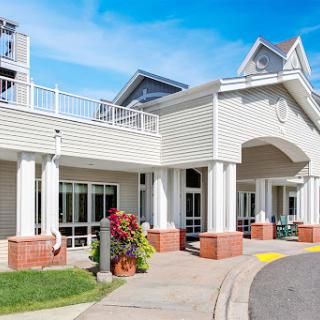



 8 Key Indicators That Suggest It May Be Time to Transition from Assisted Living to Skilled Nursing Care
 Vibrant Senior Living: A Comprehensive Guide for Active Older Adults
 When to Transition from Assisted Living to Memory Care: Key Indicators, Steps, and Finding the Right Community