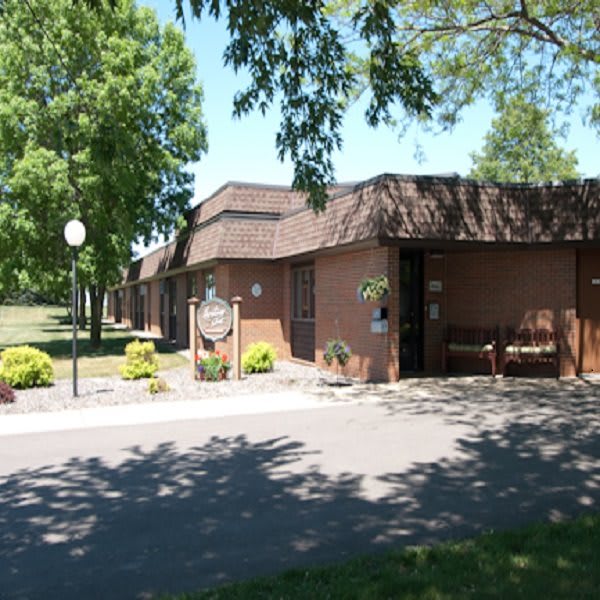
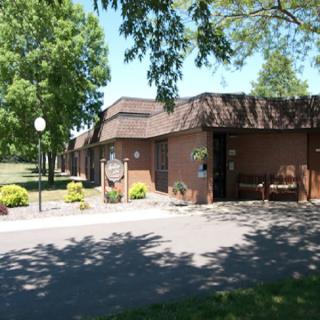
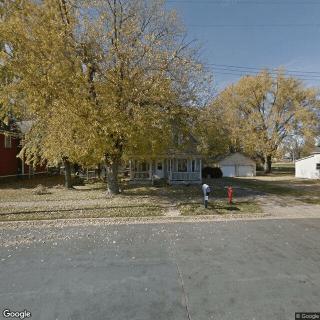
425 Davis Street, Hammond, WI 54015
For more information about senior living options: (866) 208-4318
Heritage Court Costs & Pricing
Heritage Court offers a competitive pricing structure for its one-bedroom accommodations at $1,635 per month. When compared to the average costs in St. Croix County, which stands at $3,108, and Wisconsin as a whole at $3,412, it becomes evident that Heritage Court provides significant savings without compromising on quality. This makes it an attractive option for those seeking affordable yet comfortable living arrangements within the region. The value offered by Heritage Court not only enhances the appeal of its community but also positions it favorably against both county and state averages.
| Floor plans | Heritage Court | St. Croix County | Wisconsin |
|---|---|---|---|
| 1 Bedroom | $1,635 | $3,108 | $3,412 |
Overall Review of Heritage Court
Pros
 The staff at American Heritage Care Center were wonderful and very good.
- The nurses and aides were absolutely amazing.
- The facility was clean and friendly, making residents feel comfortable.
- The staff fulfilled requests and delivered excellent care.
- It was a smaller nursing home where everyone received the best attention.
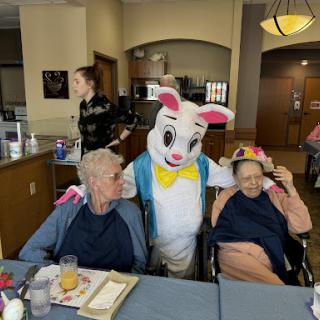
- There were engaging activities like music, cards, and bingo.
- The food was good.
Cons
 The reviewer reported that the staff were disrespectful and hung up on him in the middle of his question.
- The reviewer felt that assisted living would not work because it is more independent living than assisted, suggesting full-care might be necessary.
- The facility was described as older, which could be viewed as a drawback.
Review
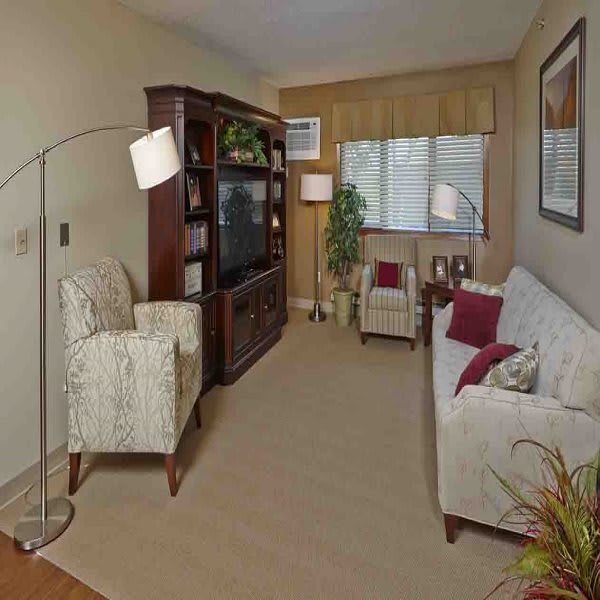
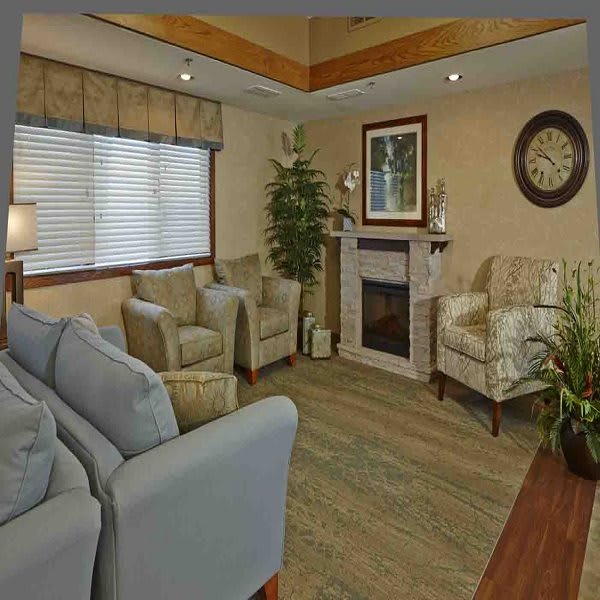
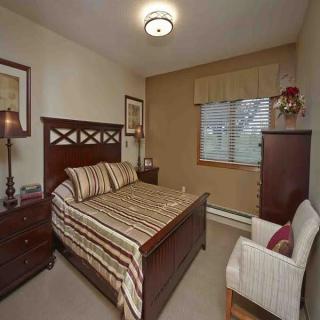
Heritage Court in Hammond, Wisconsin is best suited for families seeking a small, highly attentive care setting where a loved one can receive substantial hands-on assistance and nursing support within a homey, clean environment. The reviews repeatedly spotlight a focused, staff-driven culture: nurses and aides who deliver generous attention, a friendly atmosphere, and a clear commitment to patient comfort. The facility’s smaller scale translates into visible hands-on care, more accessible staff, and a calmer daytime rhythm that can ease the stress of transition for someone coming from a more chaotic hospital or larger campus. This is a setting where daily routines, rehab, and personal interactions tend to be tailored rather than standardized.
Those considering alternatives should note who may not be the best fit. If independence is the primary goal and the resident seeks a highly modern, resort-like campus with expansive activities and bustling social life, other facilities may deliver a sharper fit. The reviews hint at an older building and a intimate footprint that may not meet expectations for someone desiring the latest amenities or a broad array of on-site programs. For families prioritizing a more hospital-like feel or a larger staff-to-resident ratio across a wide range of services, it would be prudent to tour options that specialize in high-volume, high-tech care or in full-continuum campuses with extensive medical partnerships.
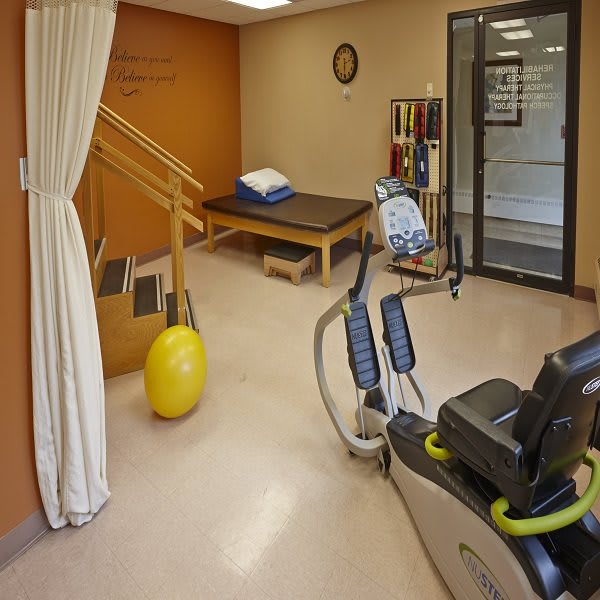
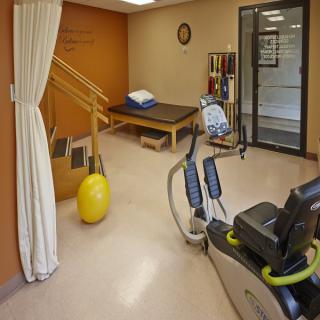
The strongest positives, exceptional nursing attention, thoughtful rehabilitation, and a consistently clean, neat environment, form a compelling offset to the drawbacks. Across testimonials, the care team is described as compassionate and dedicated, with nurses and aides delivering what families need without hesitation. Physical therapy is singled out as excellent, which matters enormously for post-stroke or post-hospital recovery trajectories. Cleanliness and a friendly, welcoming atmosphere reinforce the sense of safety and predictability that families crave. Even when the facility feels older or more compact, these strengths give significant weight to the decision, especially for residents who require reliable daily support and rehab-focused care.
However, a few cautions emerge clearly from the feedback. One review recounts an instance of friction in communication, suggesting at least episodic gaps in administrative responsiveness. The emphasis on staffing being sufficient but stretched at times points to potential variability in day-to-day coverage, which can translate into slower response times during busy shifts. The facility’s older physical plant may also limit appeal for those chasing the most modern aesthetics, premium amenities, or a campus-wide breadth of on-site activities. Finally, a note that assisted living may not align with the primary model here, being more oriented toward full-time care than independent living, serves as a reminder to screen for the level of supervision and daily care required.
When the pros are weighed against the cons, Heritage Court’s practical advantage becomes clear. The close-knit setting helps staff know residents well, respond rapidly, and coordinate rehabilitative goals with family input, which can accelerate recovery and comfort. The positives, careful nursing, strong rehab options, and a clean, home-like environment, often outweigh the drawbacks for families seeking stability, predictability, and a culture of genuine concern. This balance makes the community a strong match for residents with substantial daily assistance needs, cognitive or physical rehab goals, and families who value frequent updates and easy family access to care planning.
In the end, Heritage Court is a deliberate choice for those who want reliable, compassionate care in a smaller, more personal setting. It is well-suited for residents who require significant hands-on support, enjoy a calmer daily cadence, and benefit from a rehab-focused approach backed by engaged nurses and aides. It is less well-suited for families chasing the newest facility design, a bustling social calendar, or a campus with extensive on-site amenities. For anyone unsure, schedule a comprehensive tour that probes staff ratios at various shifts, asks about rehab timelines, and evaluates whether the building’s age is a fit for the resident’s comfort and safety expectations.
 12 resident community capacity
 Assisted Living
 Board and Care Home
 Skilled Nursing Facility
 Activities on-site
 Air-conditioning
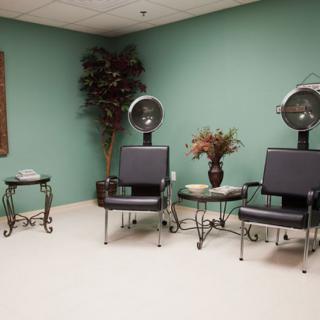
 Beautician on-site
 Cable or satellite TV
 Devotional services on-site
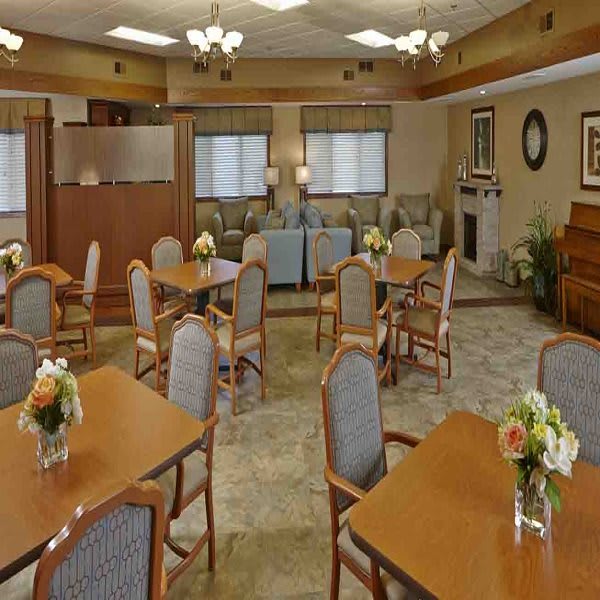
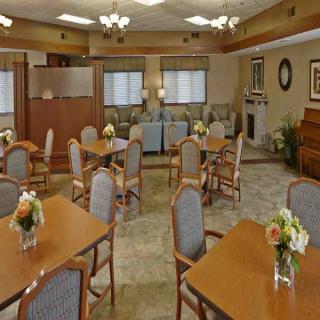
 Dining room
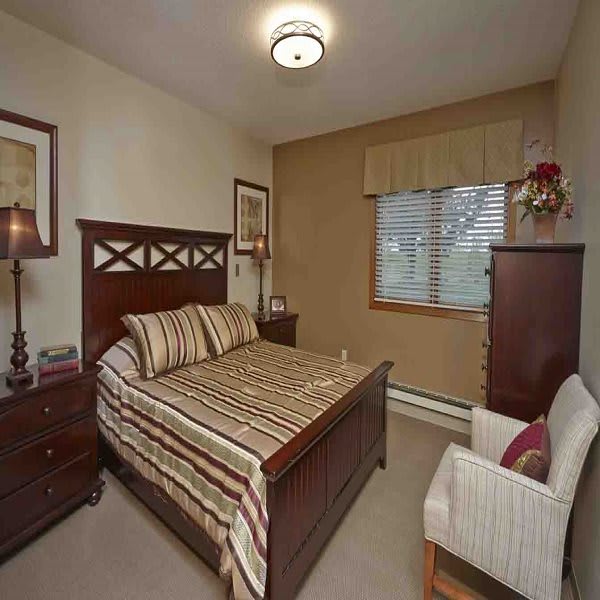
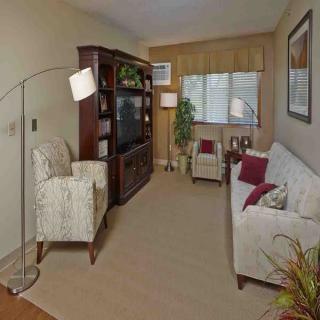
 Fully furnished
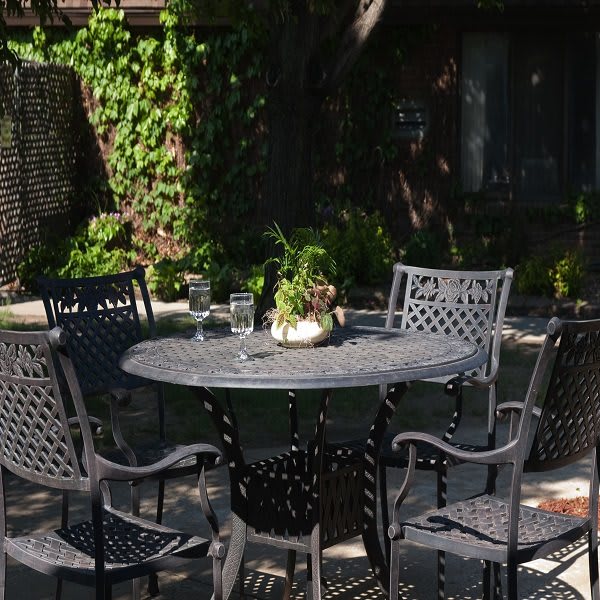
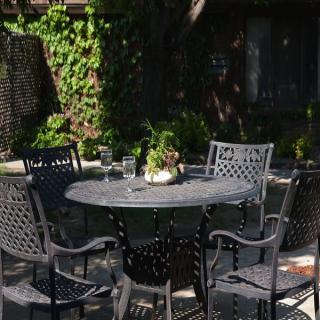
 Garden
 Ground floor units
 Housekeeping services
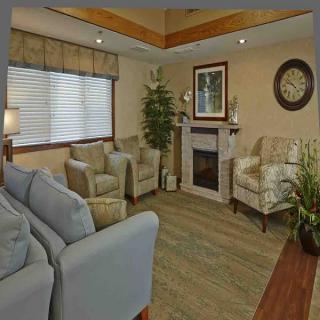
 Indoor common areas
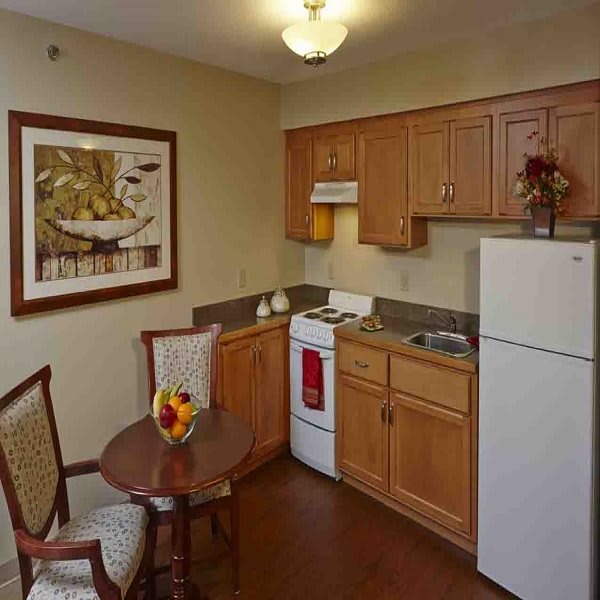
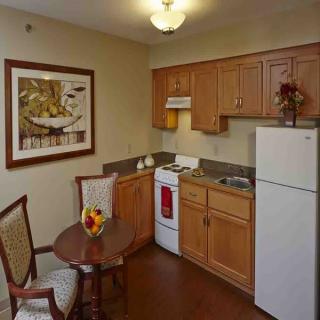
 Kitchenette
 Move-in coordination
 Outdoor common areas
 Private bathrooms
 Respite or short term stays offered
 Telephone
 Wi-Fi/high-speed internet available
 24-hour supervision
 Assistance with bathing
 Assistance with dressing
 Assistance with transfers
 Diabetes diet
 Diabetic care
 High acuity care
 Meal preparation and service
 Medication management
 Special dietary restrictions
 Transportation arrangement (medical)
 Transportation to doctors appointments
 Catholic services
 Educational speakers / life long learning
 Happy hour
 Karaoke
 Live musical performances
 Trivia games




 Securing Financial Support for Assisted Living: A Comprehensive Overview
 Social Security Benefits and Assisted Living: Navigating Options Across the U.S.
 An Extensive Exploration of the VA Aid and Attendance Benefit