The Courtyard at Bellevue in Green Bay, WI
SaveInformation last verified:
1600 Hoffman Road, Green Bay, WI 54311
For more information about senior living options: (844) 490-3973
The Courtyard at Bellevue offers competitively priced accommodations, with a monthly rate of $3,600 for their studio rooms. This cost positions the facility slightly above the average for Brown County, where similar offerings are priced at approximately $3,539, yet remains below the state-wide average in Wisconsin, which stands at around $3,999. This strategic pricing suggests that The Courtyard provides a unique value proposition within the local market, balancing quality care and amenities against regional pricing trends. It's an appealing choice for those seeking both comfort and affordability in their living arrangements.
| Floor plans | The Courtyard at Bellevue | Brown County | Wisconsin |
|---|---|---|---|
| Studio | $3,600 | $3,539 | $3,999 |
The Courtyard at Bellevue is best suited for families seeking a warm, resident-centered environment where front-line staff are consistently engaged and where a transition path to memory care is available and thoughtfully managed. The community shines for households that value personal attention, an invitation-like feel during tours, and staff who know residents by name and routine. It is particularly appealing to families who can prioritize private-pay models and who want a newer, well-kept building with generously sized, inviting apartments. For those who measure a community by the everyday warmth of caregivers and the quality of social meals, The Courtyard delivers in spades when care is steady and staffing is reliable.
However, potential residents should explicitly consider alternatives if stability and transparent governance are non-negotiable. Several reviews flag what amounts to inconsistent staffing and leadership responsiveness, with reports of turnover that undermines continuity of care. Billing and administrative communication also surface as recurring pain points, including mentions of difficult-to-track invoices and sometimes opaque financial practices. Safety and reliability concerns show up in several anecdotes, nonfunctional alert buttons, lock issues at entry moments, and questions about whether the level of oversight matches the expectations for vulnerable residents. Given these patterns, families with high needs for predictable routines, rigorously consistent staffing, or a rock-solid billing process may find other options more reassuring.
The strong points at The Courtyard offset some of these drawbacks when the emphasis is on daily kindness, active engagement, and responsive caregiving. Families consistently praise the staff for their warmth, patience, and genuine connection with residents, describing caregivers as compassionate and attentive. The memory care transition has been described as successful in at least one case, illustrating that with the right team in place, residents can experience meaningful stabilization and engagement during a difficult life change. The common areas and rooms tend to be kept clean, and leadership communication is often cited as effective and approachable. When these strengths align with a family’s priorities for daily interactions, routines, and the social environment, the community becomes a compelling option.
Yet, the reality across experiences is not uniformly positive, and that tension matters. Several families recount serious concerns about long-term care quality, especially in dementia care, where turnover appears to erode the consistency of care and the depth of personalized attention. Some families report that management is unreachable or slow to respond, which compounds distress during ongoing medical or caregiving decisions. Food quality and service have shown variability as well, with reports of bulk-prepared meals and service gaps that can dull the dining experience residents rely on for normalcy and pleasure. These downsides do not erase the moments of genuine care, but they do demand a candid assessment: a family must verify the current staffing stability, the exact structure of the memory care unit, and the facility’s food program in real time before committing.
Memory care, in particular, carries both promise and risk at The Courtyard. On one hand, the facility has demonstrated the ability to transition a loved one into memory care smoothly, with staff who are patient and supportive during the move. On the other hand, multiple voices caution that the memory care experience depends heavily on staffing continuity and supervision, given the history of turnover and inconsistent follow-through. Families should scrutinize the unit’s staffing ratios, the cadence of care plan updates, and the availability of a designated memory care director or lead nurse who remains consistently engaged with families. Until these factors are verified, the memory care reputation remains uneven, meaning a trial period or careful benchmarking against other memory-specific communities is prudent.
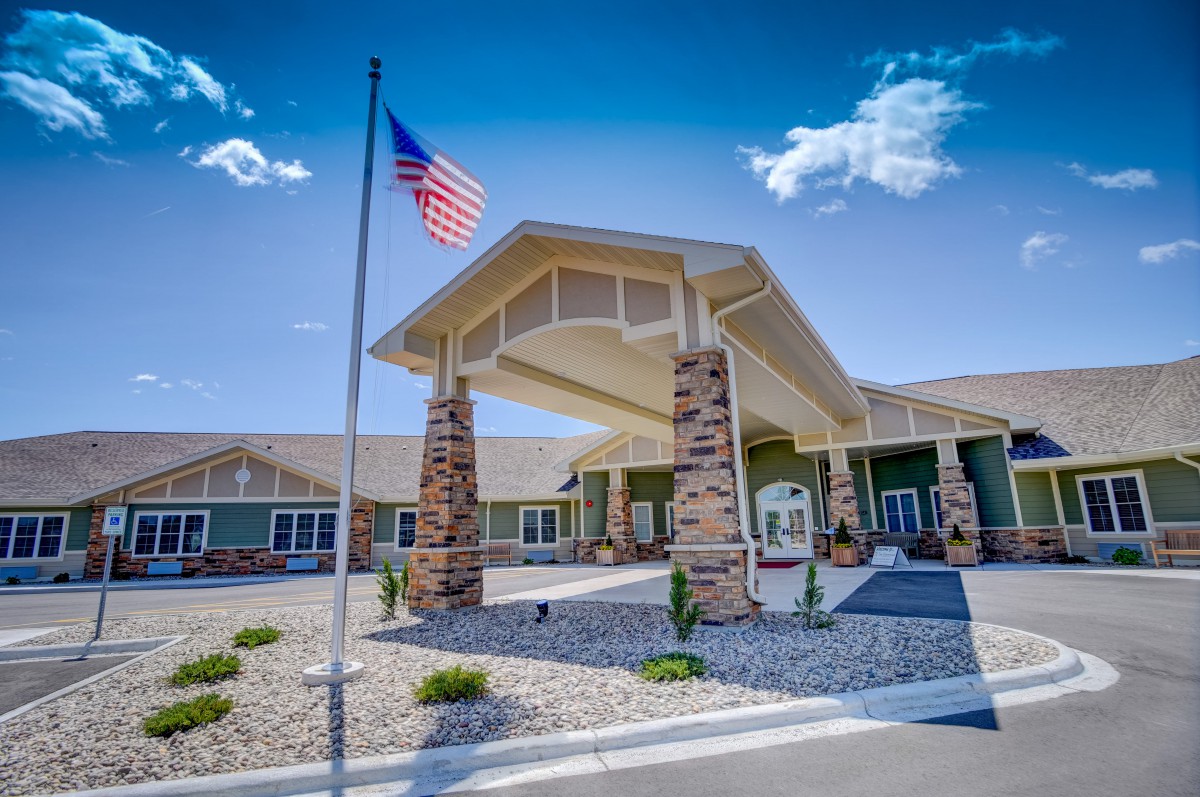
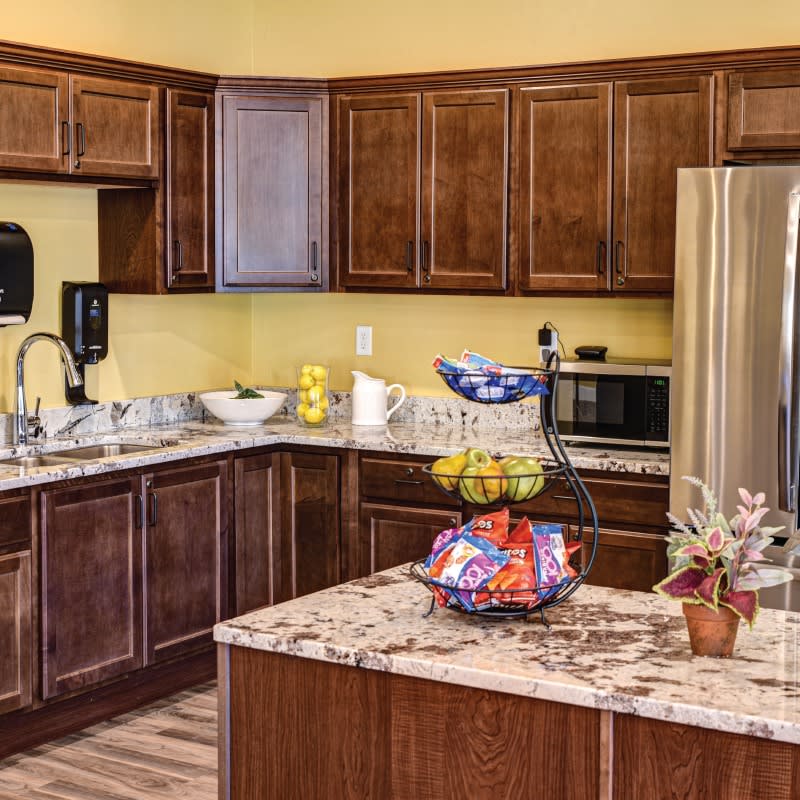
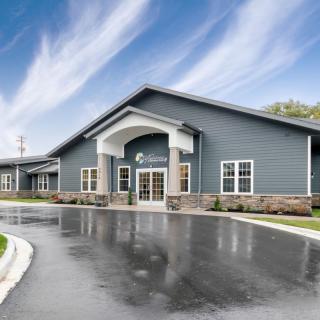
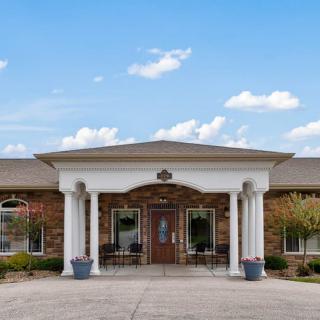
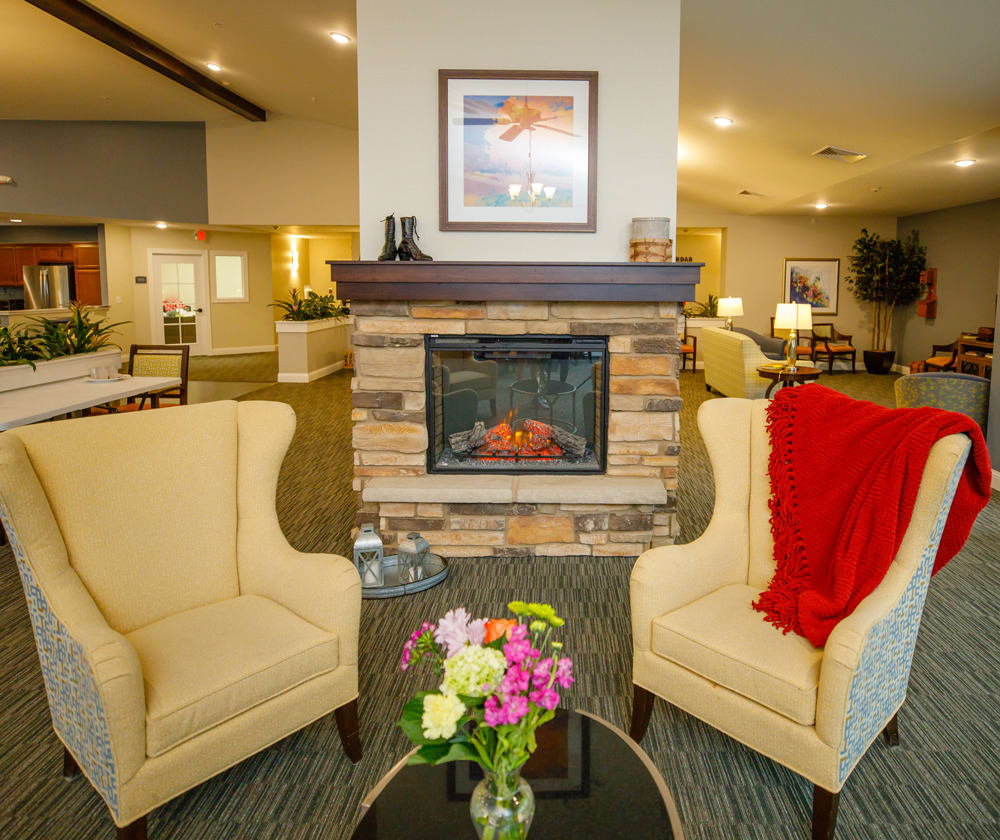
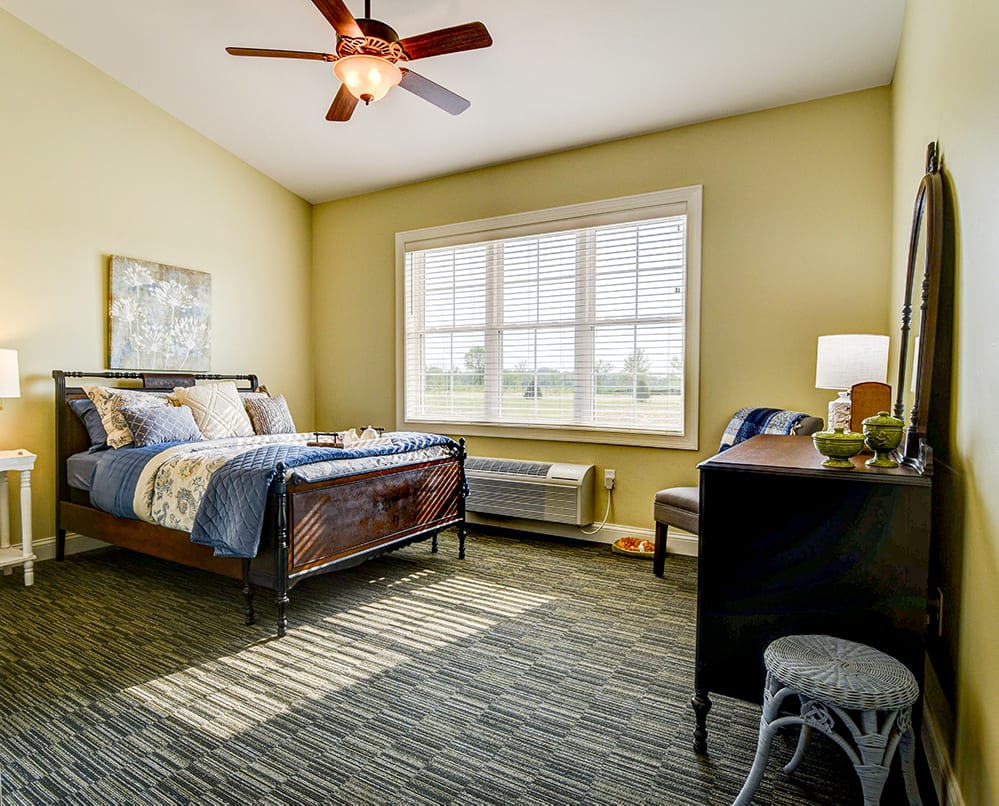
Practical considerations finally shape the decision. The Courtyard’s physical setting is appealing: a modern, well-maintained building with comfortable apartments that can accommodate private cooking if desired, and a sense of community that can foster belonging. It is important to note that the community operates on a private-pay model, which can influence the balance of amenities, staffing investments, and transparency in billing. Meals have shown some improvement with new nutritionist involvement, yet service quality can fluctuate, and the kitchen’s staffing dynamics have at times led to bulk-prepared meals rather than a chef-driven, resident-centered dining experience. Safety infrastructure, call buttons, door access, and routine checks, also requires careful verification on a visit day, as responsiveness and reliability can vary.
For families weighing The Courtyard at Bellevue, the recommended approach blends cautious optimism with rigorous diligence. If the goal is a lively, compassionate environment where staff form authentic bonds with residents, this community can be a strong match, provided the specific unit and team assigned to the loved one are stable, well-supervised, and capable of sustaining high-quality care. Prospective residents should insist on meeting the direct caregiving team, the memory care leadership (if that will be relevant), and the administrators responsible for billing and operations. Request concrete examples of care plans, call bell response times, recent menu changes, and a clear, traceable billing process. Tour during a shift when activities are in full swing to gauge real-time engagement and how the team handles emergencies or staffing gaps. In the right alignment, stable staff, transparent administration, and a plan for consistent, high-quality meals, the Courtyard can be the ideal home; in any sign of recurring turnover, opaque practices, or safety lapses, alternatives should be pursued without hesitation.
The Courtyard at Bellevue is an assisted living community located in Green Bay, WI. It specializes in providing memory care for seniors who may be experiencing Alzheimer's disease or other forms of dementia. The community offers a range of amenities to ensure the comfort and well-being of its residents. These include activities on-site to keep residents engaged and entertained, air-conditioning for climate control, bath tubs for relaxation, and a beautician on-site to help residents look and feel their best.
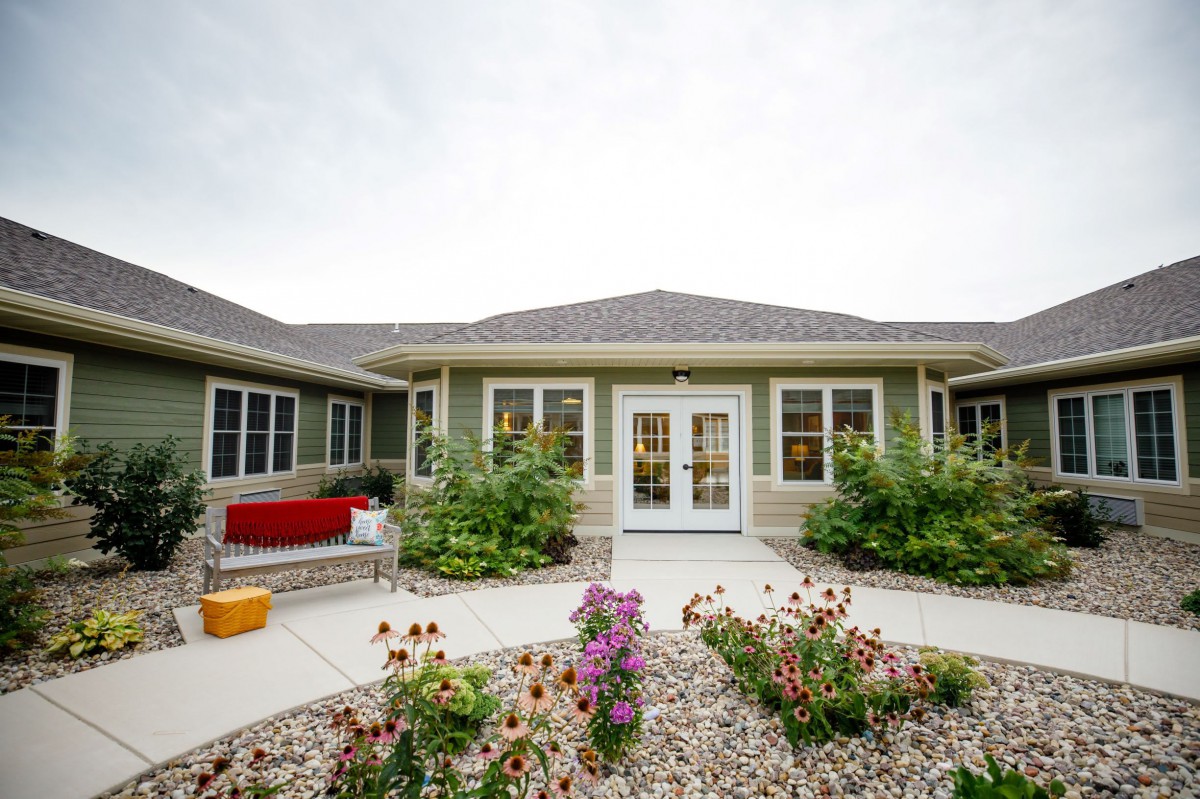
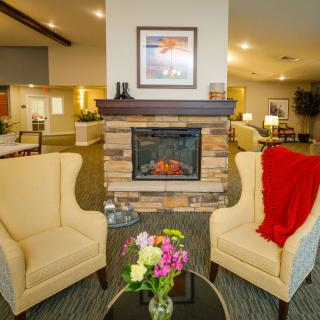
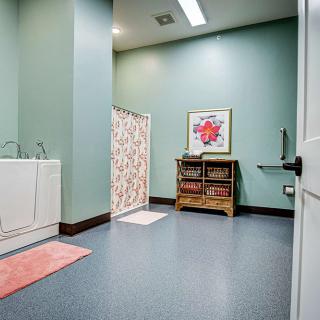
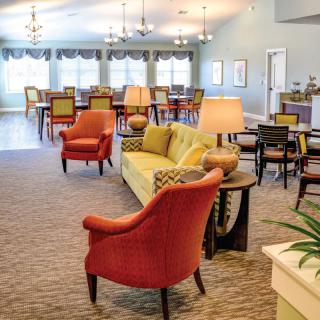
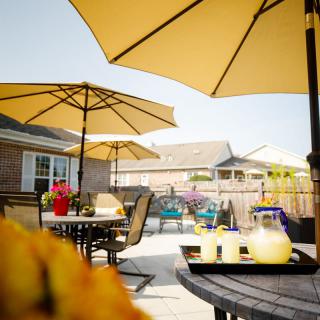
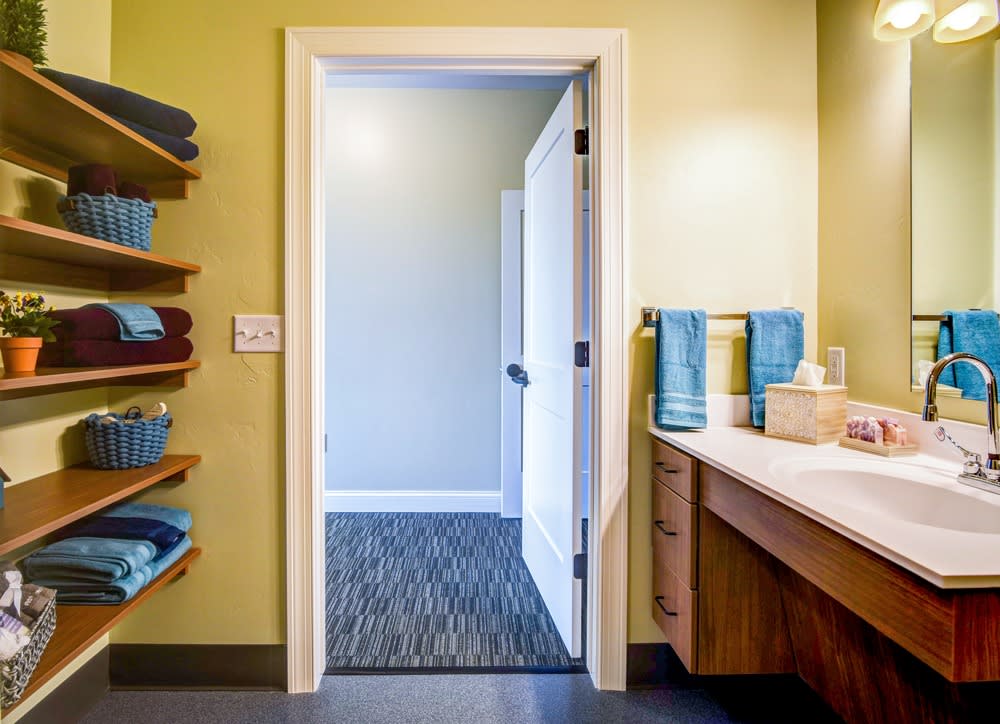
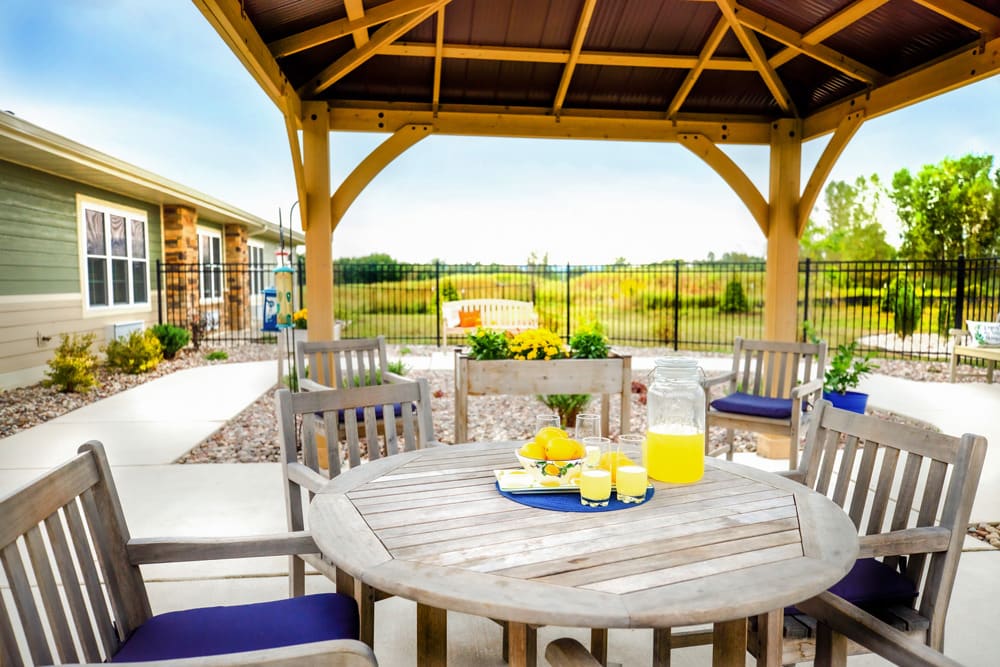
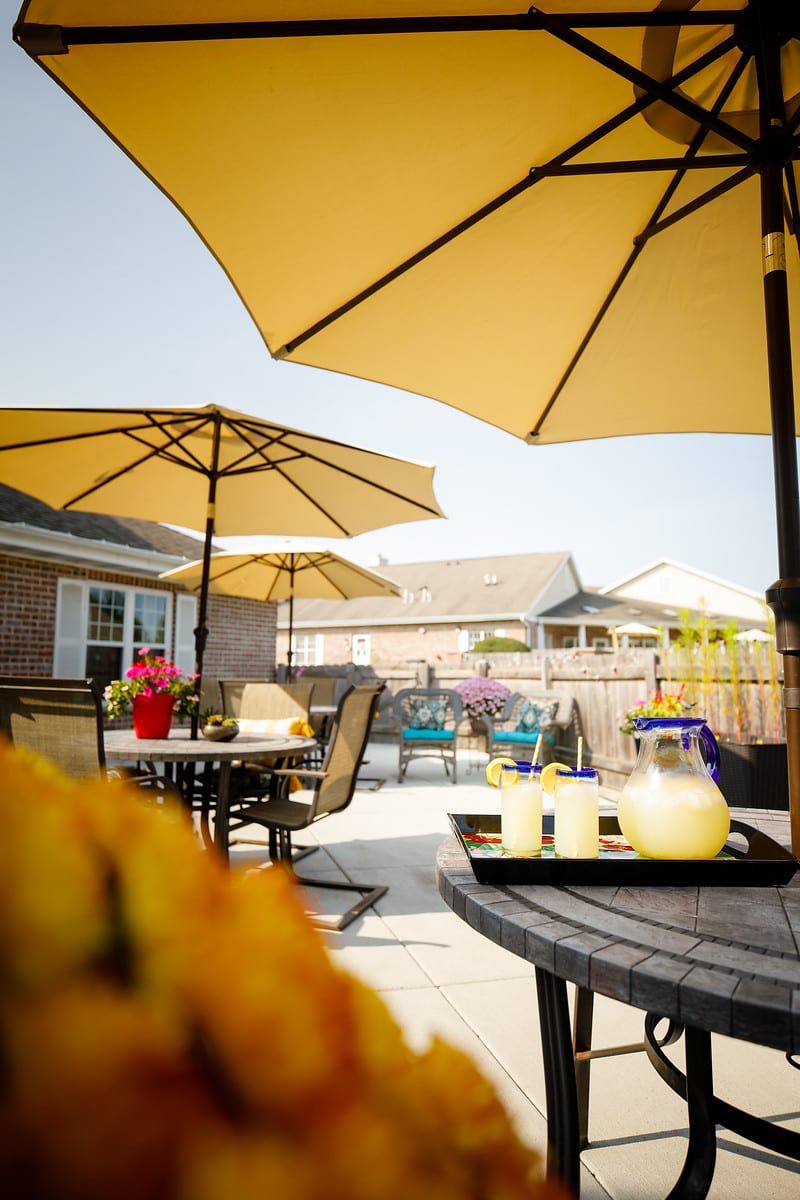
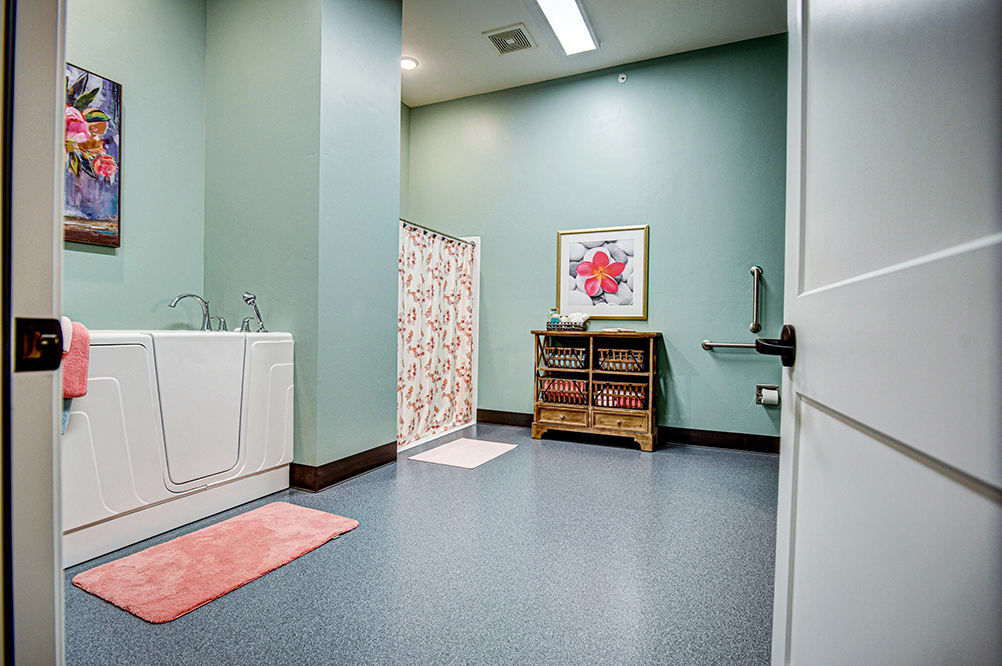
Other amenities offered at The Courtyard at Bellevue include cable or satellite TV for entertainment, devotional services both on-site and off-site for spiritual support, handicap accessibility throughout the community, indoor and outdoor common areas for socializing with fellow residents, respite or short term stays for those needing temporary care, wheelchair accessible showers for convenience, and Wi-Fi/high-speed internet access so residents can stay connected with family and friends.
In terms of care services, The Courtyard at Bellevue provides diabetic care to assist with managing blood sugar levels, high acuity care for individuals with complex medical needs, incontinence care to help maintain personal hygiene, and medication management to ensure proper dosages are taken as prescribed.
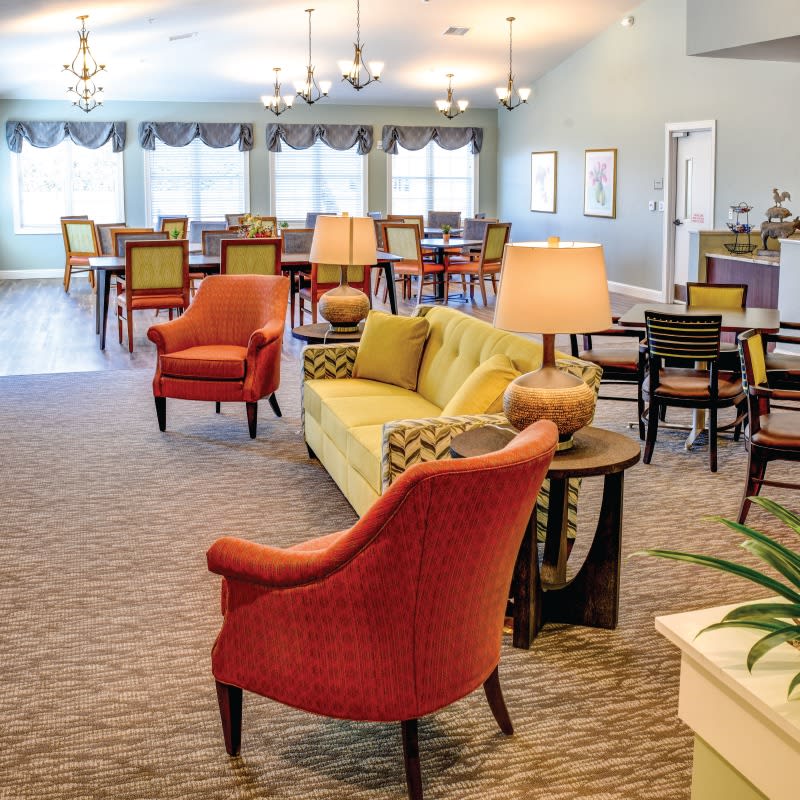
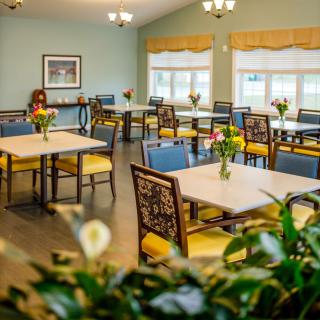
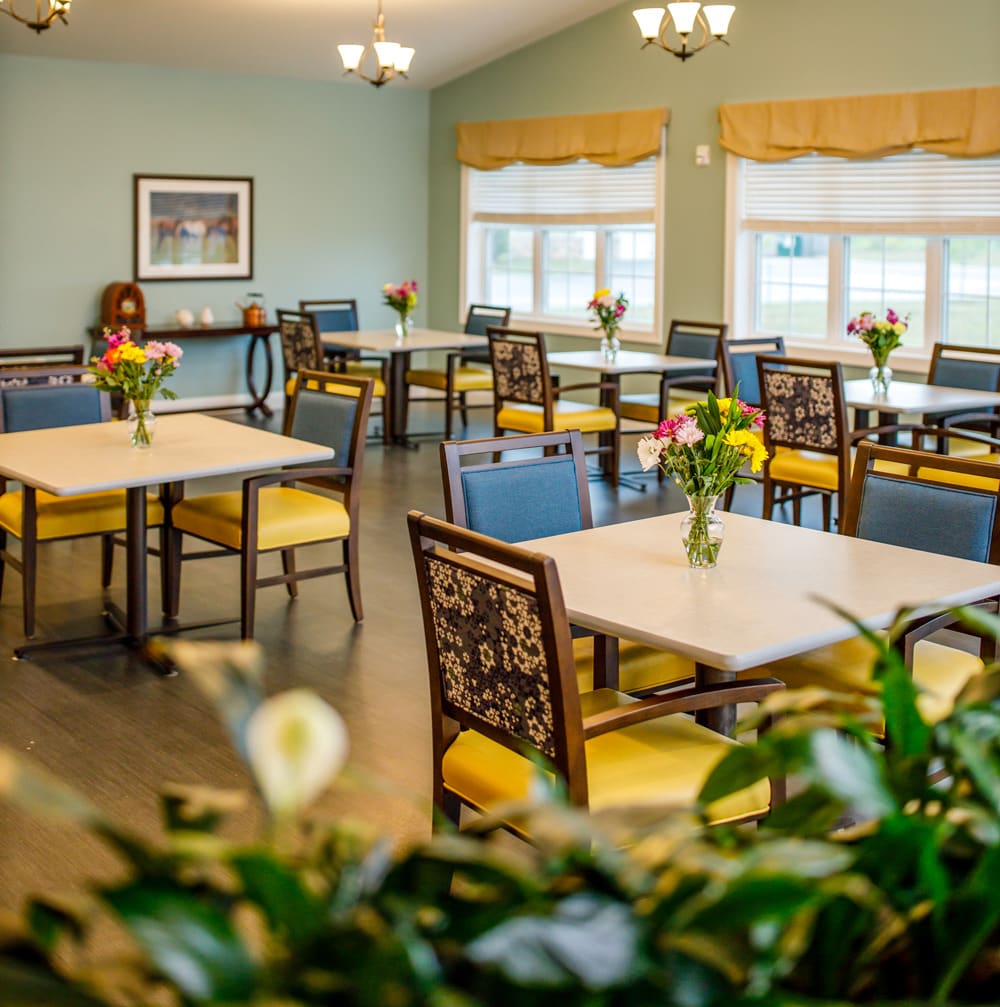
When it comes to dining options, the community offers guest meals for residents who wish to dine with friends or family members visiting them. The meals provided are carefully prepared by a professional chef and cater to specific dietary needs such as low/no sodium or no sugar requirements. Residents can enjoy restaurant style dining experiences within the community's comfortable dining areas. Additionally, special dining programs are organized periodically to provide unique culinary experiences.
Residents at The Courtyard at Bellevue also have access to a variety of activities designed to enhance their quality of life. These include Catholic services for those practicing the faith, cooking classes where residents can learn new recipes and techniques, day trips and outings to explore local attractions, both on-site and off-site devotional activities for spiritual enrichment, educational speakers and life-long learning opportunities, happy hour gatherings for socialization, live musical performances to entertain residents, live well programs to promote healthy living, and the availability of a visiting chaplain or priest for spiritual guidance and support.
In terms of location, The Courtyard at Bellevue benefits from its proximity to various amenities and services. There are three cafes nearby where residents can enjoy a cup of coffee or a meal outside the community. Three parks provide opportunities for outdoor recreation and relaxation. Ten pharmacies ensure convenient access to medications. Thirty-six physicians offer medical care in close proximity. There are also 35 restaurants nearby for dining options outside of the community. Additionally, there is one place of worship and one theater nearby for cultural and spiritual activities. Furthermore, eleven hospitals in the vicinity provide medical care if needed.
Overall, The Courtyard at Bellevue provides a comprehensive range of services and amenities in a warm and inviting environment designed specifically to cater to the unique needs of seniors requiring memory care support.
This part of Green Bay, Wisconsin offers a variety of amenities and services that may be appealing for seniors looking to settle in the area. With several parks nearby, such as Christa McAuliffe Park and Farlin Park, there are plenty of opportunities for outdoor recreation and leisurely walks. Additionally, there are numerous dining options within a short distance, including Uncle Mike's Bake Shoppe and Culver's. Access to healthcare is convenient with several physician offices, hospitals, and pharmacies located nearby. For entertainment, Green Bay East Cinema is just a mile away. Overall, this neighborhood provides a convenient and comfortable environment for seniors seeking a well-rounded community to call home.
The Courtyard at Bellevue offers competitively priced accommodations, with a monthly rate of $3,600 for their studio rooms. This cost positions the facility slightly above the average for Brown County, where similar offerings are priced at approximately $3,539, yet remains below the state-wide average in Wisconsin, which stands at around $3,999. This strategic pricing suggests that The Courtyard provides a unique value proposition within the local market, balancing quality care and amenities against regional pricing trends. It's an appealing choice for those seeking both comfort and affordability in their living arrangements.
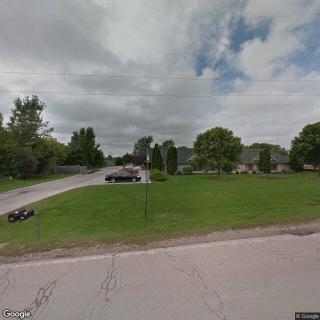
The Courtyard at Bellevue is located at 1600 Hoffman Road, Green Bay, WI 54311 in Brown County, Wisconsin
The Courtyard at Bellevue's medication management ensures that residents receive their prescribed medications accurately and on schedule, which is crucial for maintaining their overall health and stability, especially in the context of dementia or Alzheimer's disease where cognitive impairments can hinder self-management. This careful oversight not only mitigates the risk of missed doses or medication errors but also alleviates anxiety for families concerned about their loved ones' well-being. Incontinence care provides respectful and dignified assistance with personal hygiene, addressing a common challenge faced by individuals with memory impairments. By ensuring that residents are comfortable and clean, this service promotes dignity and reduces the emotional stress associated with incontinence, creating a more supportive environment conducive to both physical health and social interaction. Together, these features contribute to a holistic approach to care that prioritizes both medical needs and emotional well-being.
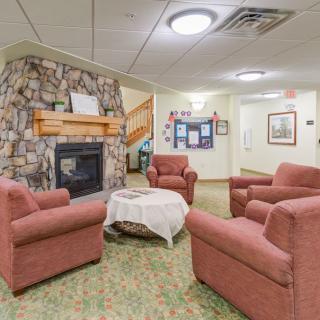
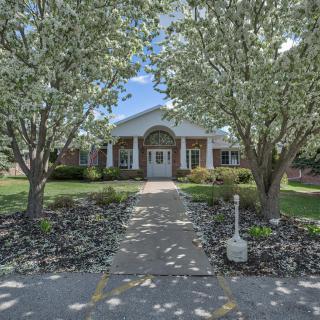
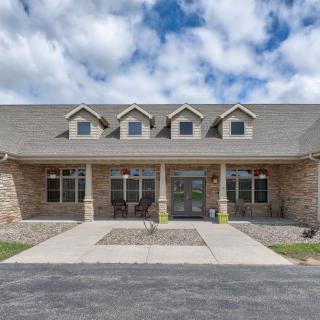
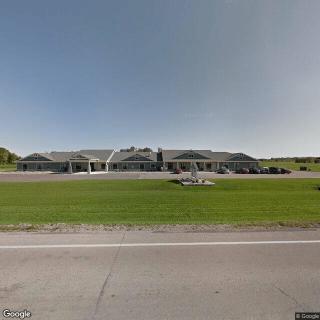
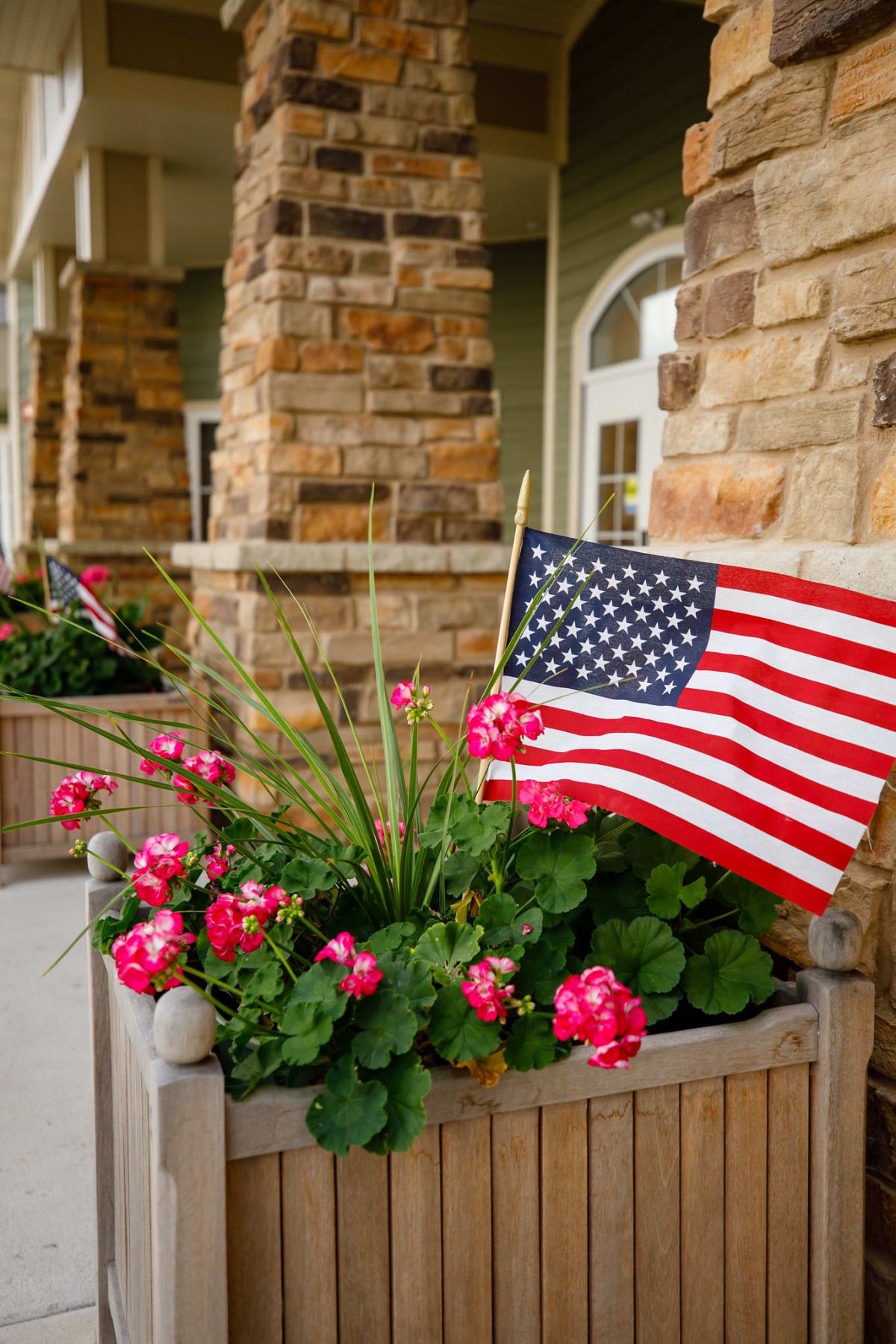
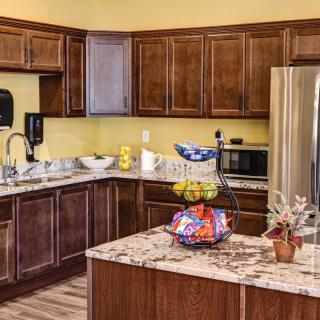
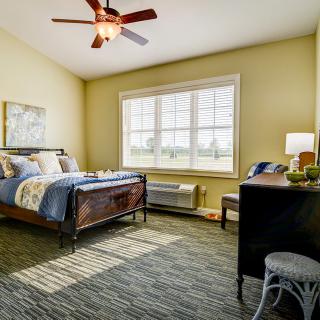
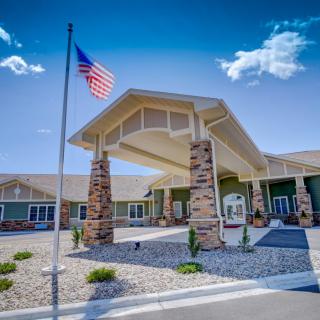
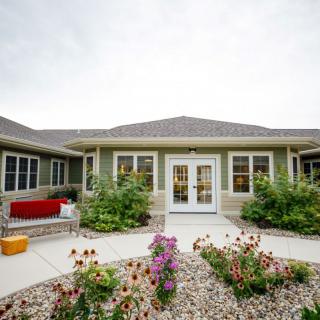
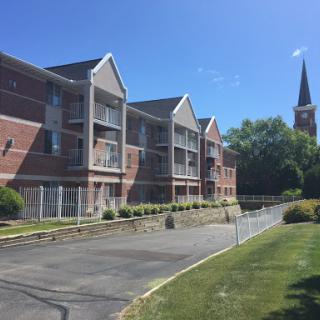
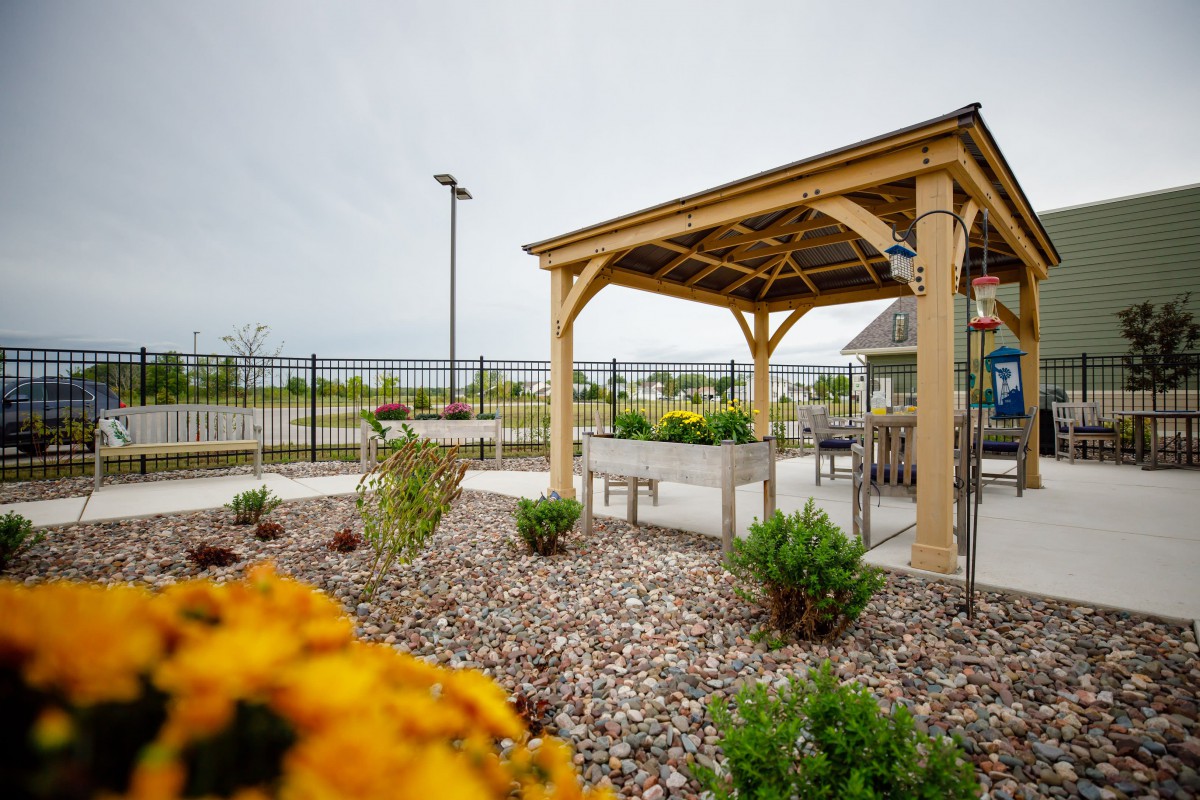
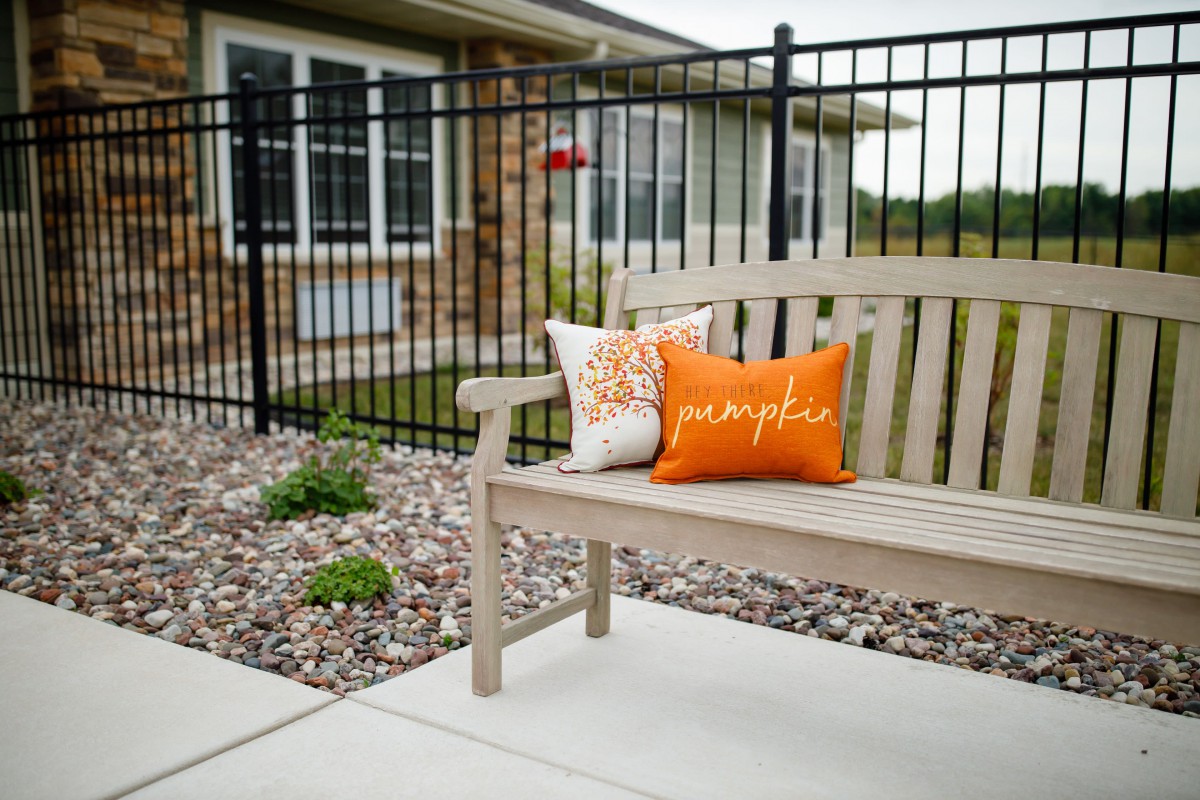
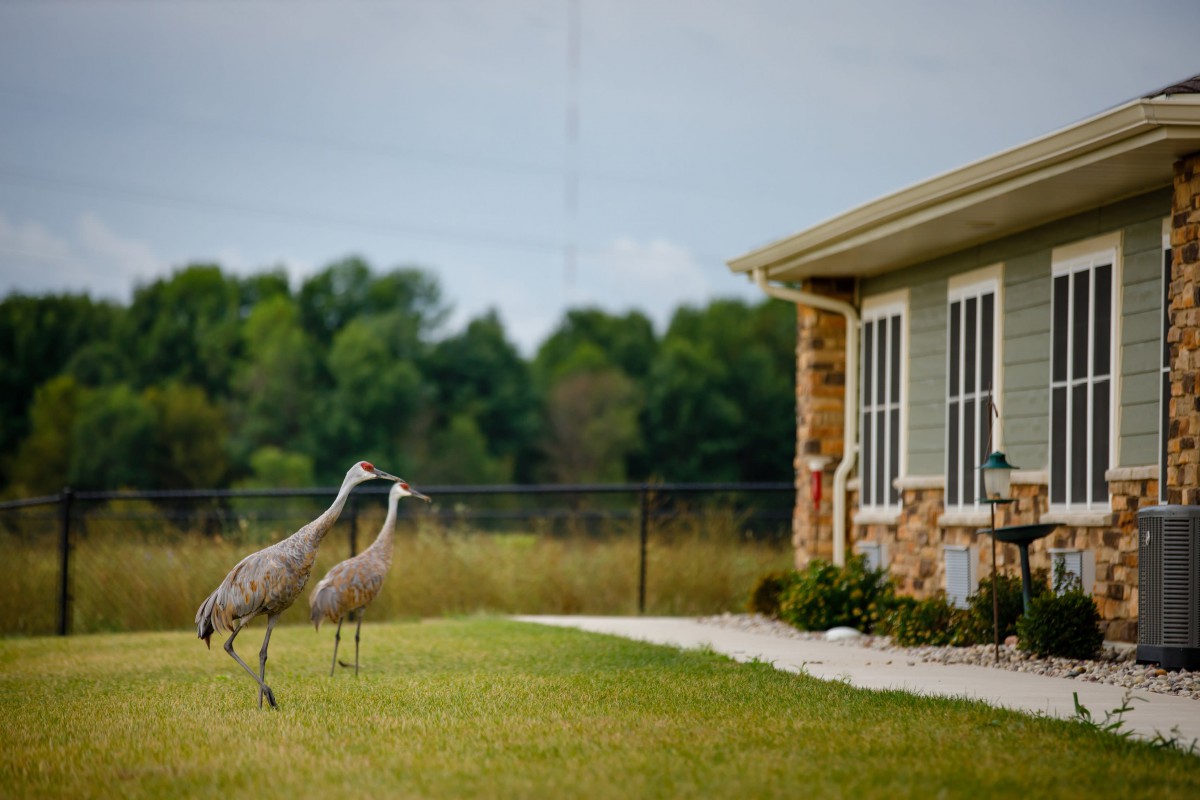
The Courtyard at Bellevue on seniors.fyi includes 17 photos including images showing landscaping, interior, outdoor, decor, patio, garden, outdoors, nature, and more.
Guiding Your Journey: Understanding Power of Attorney for Elderly Parents
The article emphasizes the significance of establishing a power of attorney for elderly parents to enable an agent to make decisions on their behalf regarding health and finances, especially during cognitive or physical decline. It outlines various types of power of attorney, the importance of consulting legal professionals, and the responsibilities and challenges faced by agents, while also discussing alternatives and common misconceptions.
22 Remarkable Caregiver Support Groups Available Online and In-Person

Caregiver support groups are crucial for providing emotional and practical assistance to those caring for loved ones, offering resources, coping strategies, and a sense of community through various organizations and platforms. These groups help alleviate isolation and burnout while addressing the unique challenges faced by caregivers of individuals with specific conditions.
Understanding Medicaid Coverage for Assisted Living: A Comprehensive Guide
The guide outlines the complexities of Medicaid coverage for assisted living, highlighting significant state-to-state variations, limited coverage often restricted to personal care services, and the existence of specialized waivers for certain needs like memory care. It advises families to consult local Medicaid offices for options while emphasizing the importance of understanding state-specific regulations and facility policies.