Libal Street Home

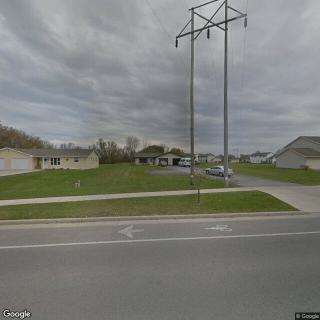
3500 Libal Street, Green Bay, WI 54301

For more information about senior living options: (844) 490-3973

3.3 from 38 reviews
5 stars
20
4 stars
2
3 stars
1
2 stars
1
1 stars
14

Assisted Living Board and Care Home Memory Care

Overall Review of Libal Street Home

Pros

  • pro The staff are kind and patient with him.
  • pro The staff are patient and treat residents as if they were family.
  • pro Allouez Senior Living is a must-see.
  • pro The team provides exceptional care to every resident, always going above and beyond with a positive attitude and a genuine willingness to help.
  • pro The positive changes are evident inside and out, and residents truly feel at home.
  • pro The workplace culture is exemplary, with staff collaborating effectively to deliver the highest quality care.
  • pro It is a beautiful place with wildlife outdoors and caring people.
  • pro New management is making positive changes daily, with caregivers showing care and compassion and the food remaining fantastic.
  • pro My aunt is receiving phenomenal care here.
  • pro They have a great relationship with outside agencies that support residents.

Cons

  • pro The roommate policy for memory care residents is viewed as harmful and discriminatory.
  • pro The facility is described as profit-driven rather than caring and compassionate.
  • pro The new management allegedly raised monthly rates dramatically and demanded extra hourly charges for one-on-one care.
  • pro Frontida staff are accused of assessing a resident without meeting him and falsifying records of negative behaviors.
  • pro Funds were allegedly pulled from a resident's bank account without authorization and misattributed to former owners.
  • pro The company allegedly blocked a family member on social media after a critical comment.
  • pro There are allegations of neglect, including not administering PRN medications, not changing diapers, and not addressing wounds or feeding adequately.
  • pro The facility is described as terrible and in need of investigation or shutdown.

Review

Across a spectrum of remarks about memory care and assisted living in the Green Bay/Allouez area, the picture that emerges is a facility landscape with bright spots of genuine care and warmth paired with serious questions about management, finances, and consistency of care. Several reviewers repeatedly praise the human side of things: the staff who are described as kind, patient, and willing to go above and beyond for residents. In memory care especially, families say the caregivers "treat all the residents as if they were family," and that the team members are patient and gentle with behaviors that can be challenging. The sentiment that the caregiving staff are a genuine bright spot runs through many posts, with express appreciation for the way residents are spoken to, comforted, and included in daily routines. The quality of food and the sense of a welcoming, home-like environment also come up repeatedly as strong positive points, with reviewers calling the meals fabulous and the overall atmosphere warm and inviting. Several posts highlight ongoing renovations and updates as visible signs of a facility that cares about improving the physical space for residents and staff alike, a sentiment echoed by those who notice a positive shift in the community's energy and appearance.

In addition to the warm caregiver narrative, reviewers frequently describe a culture of care and communication that feels personal and family-oriented. Comments about Allouez Senior Living and Allouez Parkside Village celebrate the experience of being treated like family, with staff who appear to understand the residents' needs and preferences. Some reviews focus on the sense that the place truly feels like a home rather than a clinical setting, with residents and their families forming close relationships with the people who work there. There are accounts of specific, affirmative moments - staff offering kindness, patience with memory care residents, and consistent presence - that make a meaningful difference in the daily lives of people living with dementia or other memory-related challenges. In several narratives, families report that a move to the facility gave them reassurance that their loved ones are cared for in a supportive, stable environment.

Yet the picture is not uniformly glowing. A number of reviews raise concerns about management decisions, cost, and transparency, especially in the wake of ownership and leadership changes associated with Frontida. One recurring thread is a perception that the new management focuses heavily on financial considerations. A family describes a dramatic rate increase after a 2025 ownership transition - rising from around $5,900 to about $8,450 per month, with an additional $50 per hour for ten hours a day of one-on-one care that may not reflect the actual needs of the resident. Critics argue that such moves feel profit-driven rather than driven by resident needs, particularly when there are questions about whether the level of in-room or nurse-led care justifies the added costs. This financial tension sits at the heart of broader worries about the affordability of care and whether families are being asked to subsidize care through private arrangements beyond what Medicare or Medicaid would cover.

Alongside cost concerns are serious allegations about care quality and record-keeping. Several reviewers claim that assessments were performed without direct personal contact with residents, and that care plans and documentation did not reflect the actual situation on the ground. Accusations include falsified records regarding resident behaviors, missed administration of prescribed medications, and failed communication about care steps. There are also troubling reports about financial practices, including withdrawals from family bank accounts without explicit authorization and attempts to conceal those actions by using the company's old owners' names. Some reviewers say they were blocked on social media after disputing or challenging information posted by the facility, which adds a layer of concern about transparency and responsiveness to family input. Taken together, these accounts cast a shadow over a portion of the experience, painting a picture of misalignment between stated care aims and some observed practices.

Other reviews express fear and frustration about what they perceive as neglect or a lack of accountability. Some families recount moments where wounds were not properly cared for, meals followed with inadequate nutritional support, or basic needs such as diaper changes were neglected. The most pointed warnings come from those who feel the facility is not living up to its responsibilities, with statements urging prospective families to consider other options and to scrutinize policy details, staffing, and the facility's response to concerns. A few posts go so far as to call for shutdown or stronger oversight, underscoring a sense of urgency about ensuring safety and dignity for residents who may already be vulnerable.

Despite the criticisms, there are also enduring positive narratives that emphasize consistency, family-style care, and visible improvements under new leadership. Several reviewers who previously voiced concerns later described positive changes: daily improvements, more active engagement in activities, and a renewed willingness to listen to residents and staff about their needs. In some accounts, the new management is credited with creating a more collaborative, voice-responsive culture and with pushing forward renovations and program enhancements that improve the living environment. For families who have already seen their loved ones settle into the community and form trusting relationships with caregivers, these updates feel meaningful and affirming.

In sum, the collection of reviews paints a complex portrait of a facility network that includes strong, compassionate caregiving, a welcoming physical environment, and a robust menu of activities that many residents and families value highly. At the same time, it reveals deep concerns about management practices, cost structure, transparency, and consistency of care that can vary by unit, shift, and individual staff. For families evaluating memory care or assisted living options in this area, the message is clear: there are undeniable strengths in staff dedication and resident-centered care, but it is essential to perform thorough due diligence. Prospective residents and their families should tour the facilities, talk directly with leadership and frontline caregivers, review care plans and medication practices, ask hard questions about costs and what is included, and seek up-to-date information on renovations, policy changes, and how resident voices are being incorporated into daily operations. The best path forward is to gather a complete picture that respects both the heartfelt care many residents experience and the serious concerns voiced by others.

Features

Housing

  • 5 resident community capacity 5 resident community capacity

Types of Care

  • Assisted Living Assisted LivingAssisted living facilities provide crucial support and care for seniors who may need help with daily tasks such as medication management, bathing, and meal preparation. These communities offer a safe and comfortable environment where seniors can maintain their independence while receiving the assistance they need to thrive in their golden years.
  • Board and Care Home Board and Care HomeBoard and care homes provide a smaller, more intimate setting for seniors who require assistance with daily tasks but do not need the level of care offered by a nursing home. They offer personalized care, meals, and social activities in a homelike environment, ensuring that seniors receive individualized attention and support in their golden years.
  • Memory Care Memory CareMemory care is crucial for seniors as it provides specialized support and services for individuals with dementia or Alzheimer's disease. These programs offer a safe and secure environment where residents receive personalized care, cognitive stimulation, and help with daily activities. Memory care helps seniors maintain their independence, quality of life, and dignity while also providing peace of mind for their families.

Amenities

  • Cable or satellite TV Cable or satellite TVCable or satellite TV is important for seniors because it provides entertainment, news, and companionship, helping to combat loneliness and boredom. It also offers a wide range of programming options tailored to different interests and preferences.
  • Dining room Dining roomDining rooms are important for seniors as they provide a space for socialization, connection, and nutritious meals. They offer opportunities for residents to bond over shared meals, foster a sense of community, and promote healthy eating habits. Dining rooms also ensure that seniors have access to well-balanced meals tailored to their dietary needs and preferences.
  • Fully furnished Fully furnishedFully furnished senior living communities are important for seniors because they provide convenience, comfort, and a hassle-free moving experience. Seniors can easily settle into their new living space without the stress of having to buy and move furniture. This allows them to focus on enjoying their new home and community.
  • Garden GardenGardens are important for seniors as they provide a peaceful and therapeutic environment for relaxation, physical activity, and socialization. Being in nature has been shown to reduce stress, improve mood, and promote overall well-being. Gardens also offer opportunities for seniors to engage in gardening activities, which can improve mobility, flexibility, and cognitive function. Additionally, gardens create a sense of community and connection with others who share a passion for plants and outdoor spaces.
  • Housekeeping services Housekeeping servicesHousekeeping services are important for seniors because they help maintain a clean and safe living environment, promote independence, and reduce the risk of accidents or illnesses. Additionally, having assistance with household chores can alleviate physical strain and allow seniors to focus on other aspects of their well-being.
  • Move-in coordination Move-in coordinationMove-in coordination is important for seniors because it helps ease the transition into their new living environment. It ensures that all logistics, such as packing, organizing movers, and setting up utilities are taken care of, allowing seniors to focus on settling in and adjusting to their new home. Having a smooth move-in process can alleviate stress and anxiety, making the transition smoother and more enjoyable for seniors.
  • Outdoor space Outdoor spaceOutdoor spaces are important for seniors as they provide opportunities for physical activity, social interaction, exposure to natural light and fresh air, and a sense of connection to nature. Having access to outdoor spaces can improve overall well-being and quality of life for older adults living in senior communities.
  • Telephone TelephoneTelephones are important for seniors as they provide a lifeline for communication with loved ones, emergency services, and healthcare providers. They offer a sense of security and independence, enabling seniors to stay connected and access assistance when needed.
  • Wi-Fi/high-speed internet available Wi-Fi/high-speed internet availableWi-Fi/high-speed internet is important for seniors to stay connected with loved ones, access online resources, and participate in virtual activities to combat feelings of loneliness and isolation. It also allows them to easily manage healthcare needs, access entertainment, and engage in lifelong learning opportunities.

Transportation

  • Austin Straubel International (5 miles away) Austin Straubel International (5 miles away)

Care Services

  • 24-hour supervision 24-hour supervision24-hour supervision is important for seniors to ensure their safety, well-being, and access to immediate assistance in case of emergencies or health issues. This constant support provides peace of mind for both seniors and their loved ones, allowing them to age in place with dignity and security.
  • Activities of daily living assistance Activities of daily living assistanceActivities of daily living assistance are important for seniors because they provide essential support with tasks such as eating, bathing, dressing, and mobility. This assistance helps seniors maintain their independence, dignity, and overall quality of life as they age.
  • Assistance with bathing Assistance with bathingAssistance with bathing is crucial for seniors as it helps maintain personal hygiene, prevents infections, and ensures their overall well-being and comfort. It also provides a sense of dignity and independence for seniors who may struggle with this task on their own.
  • Assistance with dressing Assistance with dressingAssistance with dressing is important for seniors because it helps maintain their independence, promotes personal hygiene, prevents accidents and injuries, and improves overall quality of life. This service ensures that seniors can continue to dress comfortably and confidently, despite any physical limitations they may have.
  • Assistance with transfers Assistance with transfersAssistance with transfers is crucial for seniors as it helps prevent falls and injuries, maintains their independence, and ensures they can safely navigate their living environment. It also provides peace of mind for both seniors and their loved ones.
  • Coordination with health care providers Coordination with health care providersCoordination with health care providers is crucial for seniors to ensure proper medical care, medication management, and overall well-being. This collaboration helps prevent overlapping treatments, track progress more effectively, and provide comprehensive support tailored to individual needs.
  • Dementia waiver Dementia waiverDementia waivers are essential for seniors as they provide critical protections and accommodations for those experiencing cognitive decline. These waivers ensure individuals with dementia receive appropriate care, support, and resources to maintain their quality of life and dignity as they navigate the challenges of this progressive condition.
  • Diabetes diet Diabetes dietA diabetes diet is crucial for seniors as it helps manage blood sugar levels, reduce risks of complications, and improve overall health and well-being. By following a balanced and nutritious diet tailored to their specific needs, seniors can better control their diabetes and enhance their quality of life.
  • Hospice waiver Hospice waiverHospice waivers are important for seniors because they allow individuals to receive specialized end-of-life care and support at home or in a hospice facility. This waiver ensures that seniors can access the necessary resources and services to maintain comfort and dignity during their final days.
  • Meal preparation and service Meal preparation and serviceMeal preparation and service are crucial for seniors as they may have limited mobility or energy to cook nutritious meals. Having access to healthy and convenient food options can ensure they are getting the proper nutrition needed to maintain their overall health and well-being.
  • Medication management Medication managementMedication management is crucial for seniors to ensure they are taking the right medications at the correct dosages and times. This helps prevent adverse drug interactions, reduces the risk of medication errors, and promotes overall health and well-being. Proactive management also allows for adjustments as needed based on changing health conditions or new prescriptions.
  • Mental wellness program Mental wellness programMental wellness programs are essential for seniors as they promote cognitive stimulation, emotional support, and social engagement. These programs help prevent isolation, depression, and cognitive decline, ultimately enhancing the overall quality of life for older adults.
  • Mild cognitive impairment Mild cognitive impairment"Mild cognitive impairment" is important for seniors because it is an early stage of cognitive decline that can potentially progress to more severe conditions such as dementia. Recognizing and addressing mild cognitive impairment can help seniors receive appropriate care and support to maintain their quality of life and independence for as long as possible.
  • Special dietary restrictions Special dietary restrictionsSpecial dietary restrictions are important for seniors because age-related changes in metabolism and health conditions can make it difficult for their bodies to process certain foods. By following a diet tailored to their specific needs, seniors can maintain their overall health and well-being, manage chronic conditions, and reduce the risk of complications such as malnutrition or food interactions with medications.
  • Specialized memory care programming Specialized memory care programmingSpecialized memory care programming is crucial for seniors with cognitive impairments such as dementia or Alzheimer's disease. These programs provide a safe and supportive environment tailored to the unique needs of individuals with memory loss, helping them maintain their independence, dignity, and quality of life.
  • Transportation arrangement (medical) Transportation arrangement (medical)Transportation arrangements for medical purposes are essential for seniors as they may have difficulty driving themselves to appointments or accessing public transportation. Having reliable and safe transportation options ensures that seniors can receive timely medical care and maintain their health and well-being.
  • Transportation to doctors appointments Transportation to doctors appointmentsTransportation to doctors' appointments is crucial for seniors as it ensures they have access to necessary medical care and support for their health needs. Without reliable transportation, seniors may struggle to attend important appointments, leading to potential delays in treatment and health complications. Providing transportation services helps seniors maintain their overall well-being and quality of life.

Dining

  • Diabetes diet Diabetes dietA diabetes diet is crucial for seniors as it helps manage blood sugar levels, reduce risks of complications, and improve overall health and well-being. By following a balanced and nutritious diet tailored to their specific needs, seniors can better control their diabetes and enhance their quality of life.
  • Special dietary restrictions Special dietary restrictionsSpecial dietary restrictions are important for seniors because age-related changes in metabolism and health conditions can make it difficult for their bodies to process certain foods. By following a diet tailored to their specific needs, seniors can maintain their overall health and well-being, manage chronic conditions, and reduce the risk of complications such as malnutrition or food interactions with medications.

Activities

  • Community-sponsored activities Community-sponsored activitiesCommunity-sponsored activities are important for seniors as they provide opportunities for social interaction, mental stimulation, and physical activity. These activities can help improve overall well-being, combat loneliness and isolation, and promote a sense of belonging and purpose among older adults.
  • Scheduled daily activities Scheduled daily activitiesScheduled daily activities are important for seniors because they provide structure, socialization, mental stimulation, and physical activity. Engaging in regular activities can improve overall well-being and quality of life for seniors living in a community setting.

Description

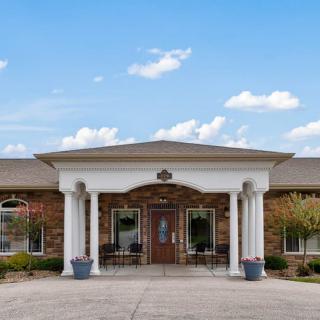
The Libal Street Home is an assisted living community located in Green Bay, WI. Our community offers board and care home services as well as specialized memory care for those living with dementia or mild cognitive impairment.

Residents at Libal Street Home can enjoy a range of amenities to enhance their daily lives. Our dining room provides delicious meals prepared to accommodate special dietary restrictions. Each resident's living space is fully furnished, creating a comfortable and home-like environment. Our outdoor garden provides a serene and peaceful space for residents to relax and enjoy nature. Housekeeping services ensure that common areas and individual living spaces are clean and tidy at all times. Wi-Fi/high-speed internet is available throughout the community, allowing residents to stay connected with their loved ones.

Our caring staff is dedicated to providing comprehensive care services to our residents. We offer assistance with activities of daily living such as bathing, dressing, and transfers to ensure residents' comfort and safety. Coordination with health care providers helps us deliver personalized care based on each resident's unique needs. Medication management ensures that medications are taken correctly and timely.

At Libal Street Home, we understand the importance of mental wellness for our residents. We provide a mental wellness program that focuses on enhancing cognitive abilities and promoting social engagement among residents. Specialized memory care programming is offered for those with dementia or mild cognitive impairment, tailored to their specific needs.

Transportation arrangement for medical appointments is available for our residents' convenience. We also offer transportation to doctors' appointments when needed.

Our location in Green Bay offers easy access to various amenities nearby. There are 5 cafes, 2 parks, 12 pharmacies, 37 physicians, 35 restaurants, 3 places of worship, 1 theater, and 5 hospitals located conveniently close by.

At Libal Street Home, we strive to create a welcoming environment where residents can feel at home while receiving the assistance they need in their daily lives.

Nearby Places of Interest

Parks

  • Heritage Hill State Park (1 miles)
  • Green Isle Park (1.1 miles)

Restaurants

  • Zesty's Frozen Custard (1 miles)
  • Plae Bistro (1.6 miles)
  • The Union Hotel & Restaurant (1.6 miles)
  • Burger King (1.8 miles)
  • Egg Yolk Cafe (1.9 miles)
  • Mister Brews Taphouse (1.9 miles)
  • Taco Bell (1.9 miles)

Pharmacies

  • Aurora Pediatrics (1.3 miles)
  • CVS Pharmacy (1.6 miles)
  • CVS In The Pharmacy (1.6 miles)
  • Walgreens (1.6 miles)
  • Aurora Lab (1.7 miles)
  • CVS Pharmacy (2.2 miles)
  • Walgreens (2.4 miles)

Physicians

  • Aurora Behavioral Health Center (1.3 miles)
  • Wajahat Khan MD (1.3 miles)
  • Advanced Pain Management (1.4 miles)
  • Oral & Maxillofacial Surgery (1.4 miles)
  • Dermatology Associates of Wisconsin, S.C. (1.6 miles)
  • Forefront Dermatology (1.6 miles)
  • Kagen Allergy Clinic (1.7 miles)

Hospitals

  • Bellevue Independent and Assisted Living (1.5 miles)
  • St Vincent Hospital (2.1 miles)
  • Pediatrics Intensive Care Unit At St Vincents (3 miles)
  • St Vincent Hospital (3 miles)
  • HSHS St. Vincent Hospital (3.1 miles)

Places of Worship

  • Old St Joseph Church (2 miles)
  • Nativity Of Our Lord Parish (2.9 miles)
  • Spring Lake Church (2.9 miles)

Cafes

  • Starbucks (2.1 miles)
  • The Exchange Coffee, Mercantile, & Eatery (2.1 miles)
  • Panera Bread (2.5 miles)
  • Oak Street Cafe (2.7 miles)
  • Starbucks (2.8 miles)

Theaters

  • Bay Park Cinema Ashwaubenon, Wi (2.4 miles)

Frequently Asked Questions

Where is Libal Street Home?
Does Libal Street Home provide care for residents with dementia or Alzheimer's disease?

Nearby Communities

Related Resources

  • delirium vs dementiaDelirium and Dementia: Unraveling the Key Differences

    Delirium is a rapidly onset, reversible cognitive disturbance often caused by acute medical issues, while dementia is a gradual and irreversible decline due to chronic neurodegenerative diseases. Accurate differentiation between the two is essential for appropriate treatment and management in older adults.

  • can you die from dementiaAre Dementia and Alzheimer's Disease Lethal? A Comprehensive Exploration

    Dementia, including Alzheimer’s disease, is often mischaracterized in terms of lethality as it leads to complications that can be fatal rather than being a direct cause of death; it causes a progressive decline in cognitive and physical health, making patients vulnerable to infections and other health crises. Effective management of nutrition, hydration, and communication is crucial in patient care, with palliative care becoming vital in advanced stages to enhance comfort and quality of life while caregivers play a key role amidst the challenges posed by the disease.

  • reminiscence therapyExploring the Power of Reminiscence Therapy for Individuals With Dementia

    Reminiscence therapy helps individuals with dementia recall past memories through structured discussions and meaningful objects, enhancing mood, relationships, and sense of identity while celebrating their lives. It can be practiced in formal settings or at home, requiring sensitivity to personal histories and cultural backgrounds.