
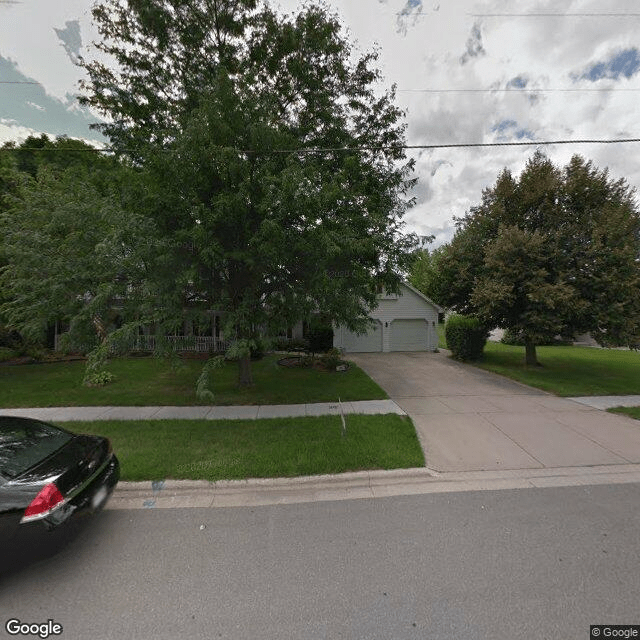
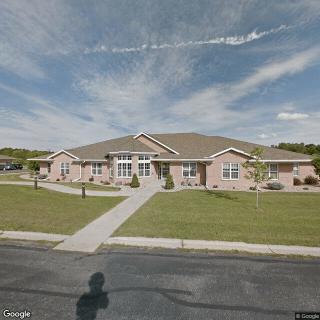
1265 Rockwell Road, Green Bay, WI 54313
For more information about senior living options: (866) 208-4318
Overall Review of Hampton Manor
Pros
 The staff are great.
- The meals are home-cooked daily.
- There are great outings and many activities for groups or one-on-one.
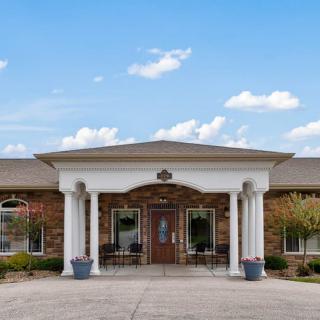
- The facility has a homey feel.
- It is independently owned, with no corporate or chain affiliation.
- Hampton Manor is a great, diverse family.
Review
Hampton Manor in Green Bay, WI is best suited for families seeking a truly intimate, home-like residential setting where a resident mix across ages can stay engaged and connected to daily life. This eight-bed Community-Based Residential Facility (CBRF) delivers a tangible sense of “home” through daily home-cooked meals, frequent outings, and a broad slate of group and one-on-one activities. The facility’s small size and individualized ownership create a warm, non-corporate atmosphere in which staff can know residents personally, adapt routines on the fly, and foster a sense of belonging that large communities often struggle to replicate.
This community will resonate most with individuals who value proximity and personalization over scale. People who want meaningful social interaction without navigating a sprawling campus will find the layout and approach appealing. Families prioritizing continuity of care, where staff familiarity translates into steady routines, will appreciate the ability to influence daily programming and meal choices. Likewise, those who prefer an environment with a clearly invested owner-operator at the helm will find Hampton Manor’s hands-on leadership reassuring.
Yet potential residents should explicitly consider alternatives if medical acuity or specialized memory support is a primary need. Larger assisted living settings, corporate-backed communities, or facilities with on-site nursing, rehab services, and memory-care wings may offer more robust clinical oversight and a broader array of structured medical resources. For residents who require intensive clinical management, 24/7 nursing coverage, or highly specialized dementia programming, a bigger operation with formal teams may deliver a level of care Hampton Manor’s small team cannot guarantee.
The strength here lies in the trade-off: the high-touch, home-centered approach and the flexibility that come with a small, independently owned operation. The staff’s attentiveness translates into responsive care and real-time adjustments to activities and schedules. Home-cooked meals provide consistent quality and comfort, while outings and mixed-age interaction give residents meaningful purposes each day. The one-on-one activities are especially valuable for residents who benefit from customized engagement, whether that means cognitive games tailored to individual interests or gentle physical activities designed to accommodate varying mobility levels. The tiny footprint also tends to foster accountability and a level of safety that large campuses sometimes struggle to achieve.
In evaluating Hampton Manor, families should probe practical details beyond the warm description. Investigate staffing ratios across day and evening shifts, confirm how medications and medical needs are managed, and ask about emergency response procedures. Observe how the community handles mobility challenges, dietary restrictions, and transitions when a resident’s care needs evolve. Request a tour during a typical day to see how meals, activities, and outings unfold in real time, and speak with current residents or families about continuity of care and staff consistency. These questions illuminate whether the intimate model can sustain stability over time.
Ultimately, Hampton Manor stands out as a practical, dependable choice for those who prize a warm, intimate setting with real person-to-person connection. It is a strong fit for residents who thrive on community life, individualized attention, and daily routines that feel familiar rather than institutional. For families seeking a larger network of resources, more formal clinical services, or expansive programming, alternatives should be explored. A careful visit, paired with candid conversations about medical needs, mobility, and expectations, will reveal whether this eight-bed, owner-operated environment aligns with the resident’s goals and the family’s comfort level.
 8 resident community capacity
 Assisted Living
 Board and Care Home
 Activities on-site
 Cable or satellite TV
 Devotional services off-site
 Dining room
 Fully furnished
 Garden
 Housekeeping services
 Indoor common areas
 Move-in coordination
 Outdoor space
 Telephone
 Wi-Fi/high-speed internet available
 Austin Straubel International (7 miles away)
 24-hour supervision
 Ambulatory care
 Assistance with bathing
 Assistance with dressing
 Assistance with transfers
 Diabetes diet
 Diabetic care
 Meal preparation and service
 Medication management
 Special dietary restrictions
 Transportation arrangement (medical)
 Transportation to doctors appointments

 When to Transition from Assisted Living to Memory Care: Key Indicators, Steps, and Finding the Right Community
 Assisted Living and Memory Care: Understanding Their Core Differences
 Beyond the Bingo Hall: 50+ Enriching Activities for Seniors in Assisted Living