
628 North Barstow Street, Eau Claire, WI 54703
For more information about senior living options: (866) 208-4318
Overall Review of Triniteam Halfway House
Pros
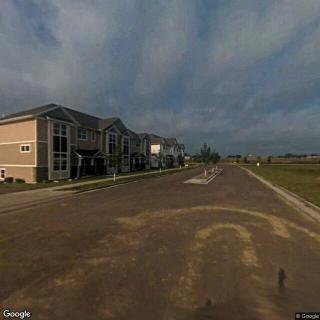
 The facility appeared to be in order and clean.
- The reviewer notes that the resident they know likes the facility for its job placement and its collaboration with his company.
- The policy requiring working residents to check in with Triniteam is appreciated for making it easy for staff to monitor everyone.
- The place seemed orderly and clean, and no one appeared unhappy.
Cons
 The place was busy and the supervisors seemed stressed out.
- The staff is stressed because it is understaffed.
- Some of the residents are a lot to handle.
Review
Triniteam Halfway House in Eau Claire, Wisconsin, is best suited for adults who want a structured, employment-oriented living arrangement and can tolerate a busier, deadline-driven environment. The model hinges on work involvement and clear oversight, so residents who already have a job or are actively pursuing placement will likely thrive here. The environment rewards accountability, with a transparent check-in policy that keeps staff connected to each resident’s work status and whereabouts. Families should know that this is not a place for those seeking a quiet, low-traffic setting or intensive, one-on-one caregiving. Alternatives to consider include traditional assisted living options with higher direct care ratios or programs that emphasize more passive daily routines.
On the positive side, the facility appears orderly and clean; nothing in the reported experience suggested neglect or disarray. The day-to-day atmosphere is described as steady, with residents and staff moving about without obvious signs of dissatisfaction. A standout feature is the job-placement emphasis: residents are connected with employers, and the policy requiring check-ins at work, on breaks, or while away, provides a simple mechanism for supervision that helps prevent drift. For a resident who values structure and the confidence that supervision affords, these elements translate into practical stability and predictability in a living environment.
Yet there are meaningful drawbacks. The program's reviewers highlighted a busy setting where supervisors feel stretched by demand. Understaffing compounds this pressure, creating a sense that the staff are juggling multiple responsibilities at once. Residents who are challenging to manage can add to the strain and occasionally test the limits of routines designed to maintain order. In short, the environment is not leisurely; it runs at a pace that favors efficiency and accountability over individualized, high-touch care.
How the positives stack up against the negatives depends on priorities. The employment focus and the ongoing check-in system deliver tangible accountability and safety nets that can offset the absence of deep personnel attention in quieter venues. Cleanliness and order reduce everyday friction and help residents stay engaged with routine. However, staffing limits can erode responsiveness, which means families should temper expectations about immediate assistance or highly customized interventions. For residents who perform well with structure and can navigate a transparent framework with staff oversight, the trade-offs are acceptable and often fruitful.
To decide, families should probe specific operational details. Ask about current staff-to-resident ratios across shifts, and inquire how often vacancies arise and how quickly they are filled. Seek candid feedback on how often residents require higher-level behavioral support and what resources exist to manage difficult situations. Verify the actual impact of the check-in policy on safety and autonomy: does it feel supportive or stifling to residents who work? Tour during a typical busy period to gauge whether staff can respond promptly and whether the environment remains orderly even when busy. Clarify costs, contract terms, and any transition supports for residents moving in or out of the halfway house.
Overall, Triniteam Halfway House is a pragmatic choice for someone who prioritizes employment linkage, clear oversight, and a tidy, functional setting. It suits residents who can leverage structure to stay engaged with work and routines, provided there is tolerance for a busier, staffing-constrained environment. Families seeking a calmer pace, closer, more individualized care, or higher caregiver attention should consider alternatives that tilt toward greater staffing ratios or more intensive daily support. In the right circumstances, this community delivers dependable stability and purposeful engagement, turning employment-driven structure into a meaningful, daily living framework.
 14 resident community capacity
 Assisted Living
 Board and Care Home
 Cable or satellite TV
 Dining room
 Fully furnished
 Garden
 Housekeeping services
 Move-in coordination
 Outdoor space
 Telephone
 Wi-Fi/high-speed internet available
 Chippewa Valley Regional (3 miles away)
 24-hour supervision
 Activities of daily living assistance
 Assistance with bathing
 Assistance with dressing
 Assistance with transfers
 Diabetes diet
 Meal preparation and service
 Medication management
 Special dietary restrictions
 Transportation arrangement (medical)
 Transportation to doctors appointments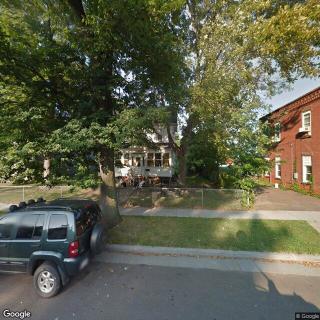

 Comprehensive Insights into Activities of Daily Living (ADLs) and Their Assessment
 Medicare Coverage for Assisted Living: An In-Depth Exploration
 Your Comprehensive Guide to Luxury Assisted Living: Elevated Facilities, Amenities, and Costs