




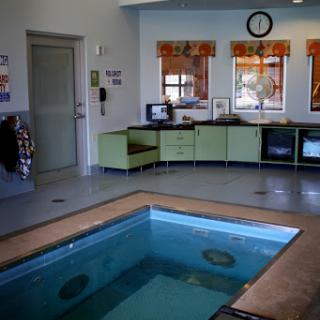
3656 Mall Drive, Eau Claire, WI 54701
For more information about senior living options: (866) 208-4318
Overall Review of Dove Healthcare South Assisted Living
Pros
 The reviewer thought highly of Dove facilities.
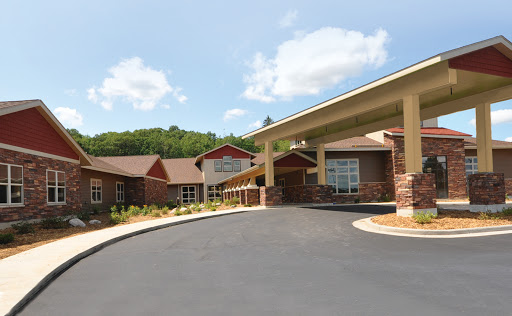
- The facility is described as very nice.
- The reviewer’s mom really likes the place.
- The staff is excellent.
- The food is good.
Cons
 He was refused admission for his parent for rehab, despite nurses at the other location saying he was a great candidate.
- There is a sense that nobody wants to work anymore.
- He no longer has a high opinion of Dove facilities.
- Dove Healthcare-South has fewer activities due to its smaller size.
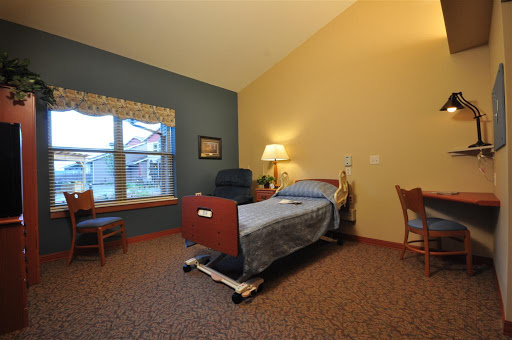
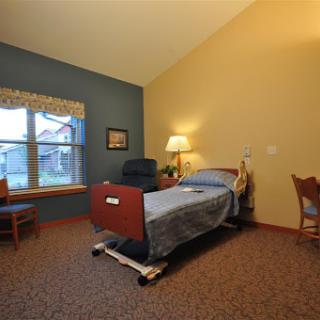
- The rooms are smaller, contributing to a less engaging environment.
Review
Dove Healthcare South Assisted Living in Eau Claire is best suited for seniors who want a straightforward, budget-conscious option in a smaller, neighborly setting. It suits residents who prize dependable staff attention and genuine social contact without the hustle of a large campus. For those who don’t require high-acuity rehab or exhaustive programming, and who are comfortable living in a compact footprint with smaller rooms, this community delivers a dependable, low-stress environment. The combination of a skilled nursing component and a focused assisted-living footprint means residents can access essential care without navigating a sprawling campus, which matters for families prioritizing predictability and ease of oversight.
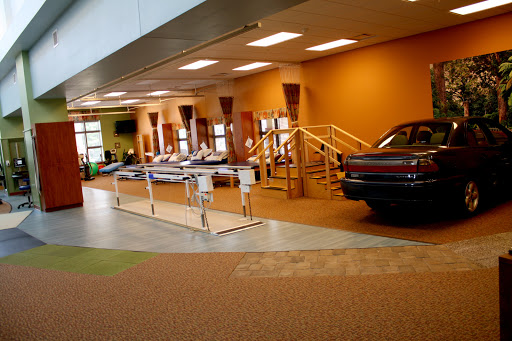
Those needing robust rehabilitation, hospital-to-home transitions, or higher levels of care may want alternatives. A bustling social calendar, frequent excursions, or modern accommodations with larger rooms are less pronounced here, given the smaller size and leaner footprint. While there is no tiered pricing and the rate is set, the absence of choice in care levels can feel restrictive for families trying to tailor support as needs evolve. Individuals who crave more dynamic on-site activity and a community that feels busier may find this setting underwhelming.
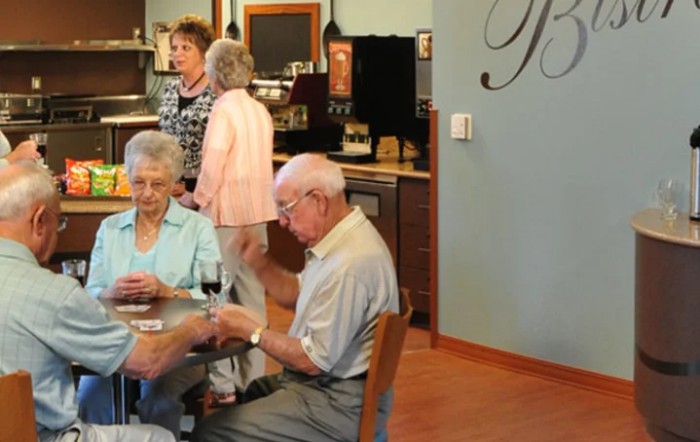
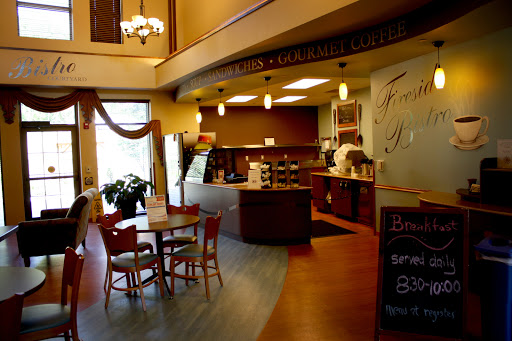
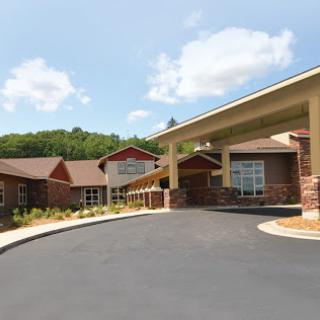
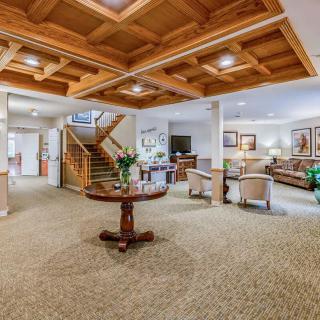
On the plus side, the staff earns trust through reliability and responsiveness, and the dining is consistently viewed as solid. The setting is aesthetically pleasing, and the single-rate structure keeps bills predictable for families watching the bottom line. The social fabric appears strong because residents can engage in meaningful interactions beyond their age group, and the staff’s attentiveness makes a tangible difference in daily life. For seniors who value consistent care, friendly service, and a calmer pace, these are meaningful advantages that offset the smaller scale.
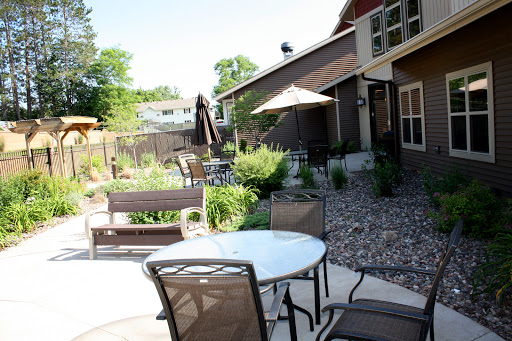
However, the trade-offs are real. The facility’s small size translates into smaller rooms and a quieter, less program-rich environment. That means fewer options for in-house activities, limited common spaces, and a pace that may feel too restrained for residents craving constant stimulation. Additionally, the experience of attempting rehab placement can be inconsistent; reports suggest some applicants are declined or delayed, which points to staffing or policy realities that limit access to certain services. Families should verify how flexible the admissions process is for rehab needs before committing.
Decision-makers should approach Dove Healthcare South with a targeted checklist. Visit with a specific rehab or therapy plan in mind to confirm admission viability. Tour the rooms and common areas, ask for current activity calendars, and gauge whether the day-to-day rhythm matches the resident’s personality and energy level. Inquire about meal options, snack availability, and how staff interact during peak hours. Also assess whether the facility truly offers enough social interaction with non-residents, and how transportation or community partnerships expand horizons beyond the campus.
Bottom line: for families prioritizing affordability, attentive care, and a warm, smaller environment, Dove Healthcare South Assisted Living is a strong contender. It balances predictable costs with solid staff and solid meals, while delivering a social atmosphere that keeps residents connected. Yet for those who must rely on rehab services, require larger living spaces, or demand a more expansive activity slate, alternatives should be explored. The right choice will hinge on the resident’s care needs, appetite for a quieter setting, and willingness to trade scale for predictability.
 16 resident community capacity
 Assisted Living
 Board and Care Home
 Skilled Nursing Facility
 Cable or satellite TV
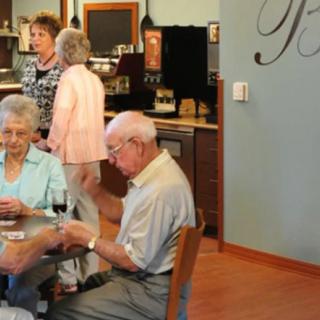
 Dining room
 Fully furnished
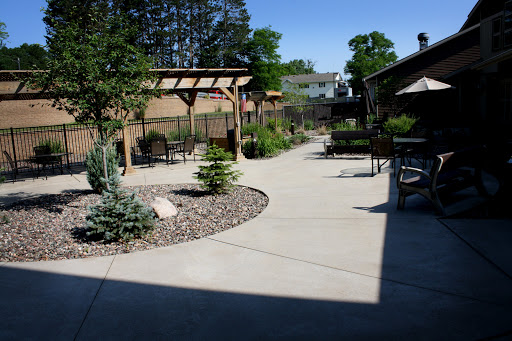
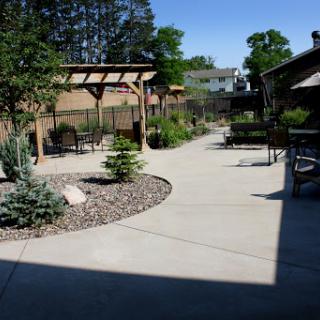
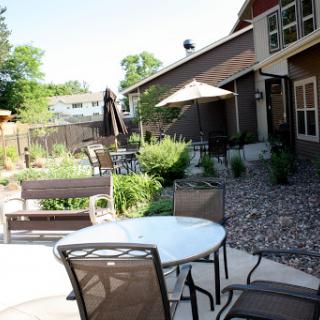
 Garden
 Housekeeping services
 Move-in coordination
 Outdoor space
 Telephone
 Wi-Fi/high-speed internet available
 Chippewa Valley Regional (6 miles away)
 24-hour supervision
 Activities of daily living assistance
 Assistance with bathing
 Assistance with dressing
 Assistance with transfers
 Diabetes diet
 Meal preparation and service
 Medication management
 Special dietary restrictions
 Transportation arrangement (medical)
 Transportation to doctors appointments


 Senior Transition Services: Understanding Their Role, Cost, and Importance
 Exploring the Path to Senior Living: A Comprehensive Look at Independent Living and Assisted Living
 Is Assisted Living Deductible on Your Taxes? Understanding the Complexities of Assisted Living Expenses and Deductions