
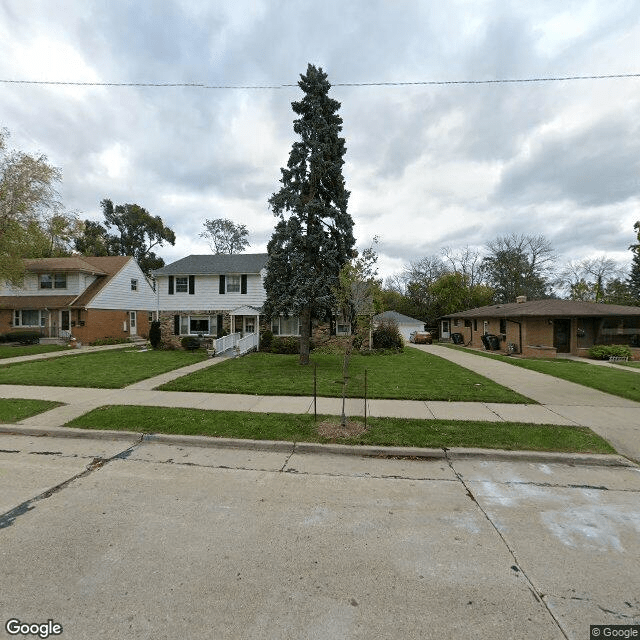
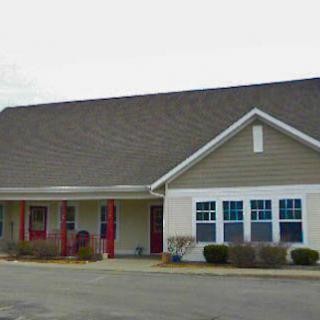
6168 South Swift Avenue, Cudahy, WI 53110
For more information about senior living options: (866) 208-4318
South Shore House Costs & Pricing
At South Shore House, the monthly costs for private rooms range from $3,600 to $4,500, presenting an appealing option compared to the average rates in Milwaukee County and throughout Wisconsin. Specifically, Milwaukee County averages around $4,513 for similar accommodations, while the statewide average stands at approximately $4,339. These competitive pricing tiers at South Shore House not only highlight a commitment to affordability but also underscore its value proposition within the local market, making it an attractive choice for residents seeking quality care without stretching their budgets significantly.
| Floor plans | South Shore House | Milwaukee County | Wisconsin |
|---|---|---|---|
| Private | $3,600 to $4,500 | $4,513 | $4,339 |
Memory care communities with a similar price nearby
-
About the same

Dolphin Manor
$3,500 / month17.3 miles away -
from -$450 / mo
Home Share North Shore House
$3,150 / month14.6 miles away -
from +$450 / mo
Waterford Senior Living
$4,050 to $5,450 / month21.3 miles away -
from +$400 / mo

Ellens Home Germantown
$4,000 / month24.0 miles away -
from +$400 / mo
Complete Home Health Care
$4,000 / month14.7 miles away
Overall Review of South Shore House
Pros
 The facility has a local home feeling and a willingness to adapt to a new living environment, while considering residents' likes and dislikes.
- The staff are accommodating and welcoming, caring and helpful on a one-on-one basis and for other clients in the home.
- It is a truly caring, comfortable place that provides peace of mind to all.
Review
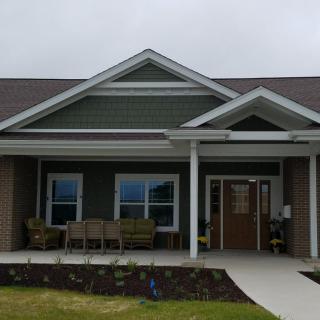
South Shore House in Cudahy is best suited for seniors who want a warm, home-like atmosphere and families that prize highly personalized attention and flexible daily living. The setting is intimate rather than institutional, which smooths the transition from home life and makes daily routines feel familiar. Residents benefit from staff who treat preferences and comfort as the core of care, not a secondary consideration. For seniors who value a sense of belonging, predictable kindness, and a pace that respects individuality, this community presents a practical, well-suited option.
Those who require robust medical oversight, complex skilled nursing, or specialized memory-care programming should consider alternatives. A small, home-style arrangement can handle routine care and daily companionship effectively, but it does not replace the scalable medical resources of larger campuses. If 24/7 on-site nursing, a broad spectrum of clinical services, or tightly structured cognitive therapies are non-negotiable, look toward communities with dedicated medical teams and memory-care tracks. Likewise, if the goal is a program calendar packed with formal outings and highly regimented activities, a larger campus may serve better.
The standout pros, local home feeling, a demonstrated willingness to adapt to a resident’s living environment, and a strong focus on honoring individual likes and dislikes, offer clear advantages that offset potential gaps. The accommodating, welcoming staff undertakes care on a one-on-one basis, which means residents rarely feel like a number and families gain peace of mind knowing someone is attuned to daily changes and preferences. That personal touch translates into smoother transitions, less anxiety for new arrivals, and better adherence to individualized routines, all of which matter greatly for sustained well-being.
In practice, the benefits show up in tangible ways: meals and daily schedules can be aligned with personal tastes; activities can be customized to reflect hobbies and past routines; and staff are positioned to respond quickly to changing needs because they know each resident well. Families should use visits to explore how care plans are developed and updated, and to observe how staff interact with residents who are new or unsettled. Asking for examples of past adaptations for other residents can illuminate how flexible the home truly is.
While the environment emphasizes comfort and personal connection, potential drawbacks can center on limited on-site medical resources and fewer high-intensity programming options than larger campuses. The way South Shore House mitigates these concerns is by leaning into its core strengths: a culture of welcome, ongoing personalization, and proactive engagement with residents and families. For a senior who thrives on consistent routines and meaningful relationships, these factors can more than compensate for a comparatively smaller clinical footprint.
Bottom line: South Shore House is a strong fit for seniors who want a homelike setting with deeply personalized attention and a responsive, caring staff. It suits families prioritizing comfort, ease of transition, and peace of mind over access to a full-service medical campus. Those needing extensive medical oversight, formal memory-care programming, or a wide slate of institutional-style activities should actively compare alternatives and arrange a firsthand tour. When visiting, focus on care-planning processes, meal customization, and how daily life flows, the true tests of fit for the senior’s preferences and the family’s expectations.
 8 resident community capacity
 Assisted Living
 Board and Care Home
 Memory Care
 Activities on-site
 Cable or satellite TV
 Devotional services off-site
 Dining room
 Fully furnished
 Garden
 Housekeeping services
 Indoor common areas
 Move-in coordination
 Outdoor space
 Private
 Telephone
 Wi-Fi/high-speed internet available
 General Mitchell International (2 miles away)
 24-hour supervision
 Ambulatory care
 Assistance with bathing
 Assistance with dressing
 Assistance with transfers
 Diabetes diet
 Diabetic care
 Hospice waiver
 Meal preparation and service
 Medication management
 Mental wellness program
 Special dietary restrictions
 Transportation arrangement (medical)
 Transportation to doctors appointments

 How to Communicate with a Loved One Living with Dementia: 10 Supportive Strategies
 Comprehensive Guide to VA Nursing Homes: A Crucial Long-Term Care Resource for Veterans
 Estimating the Expenses of At-Home Dementia Care: A Detailed Exploration