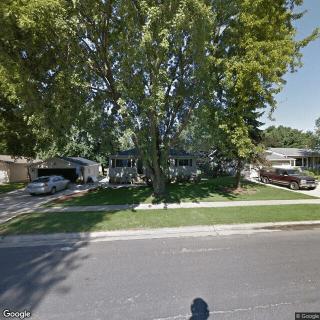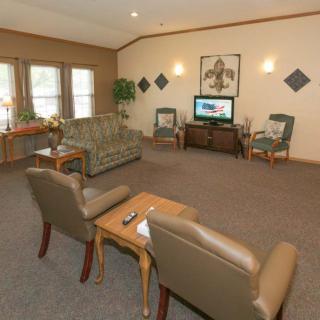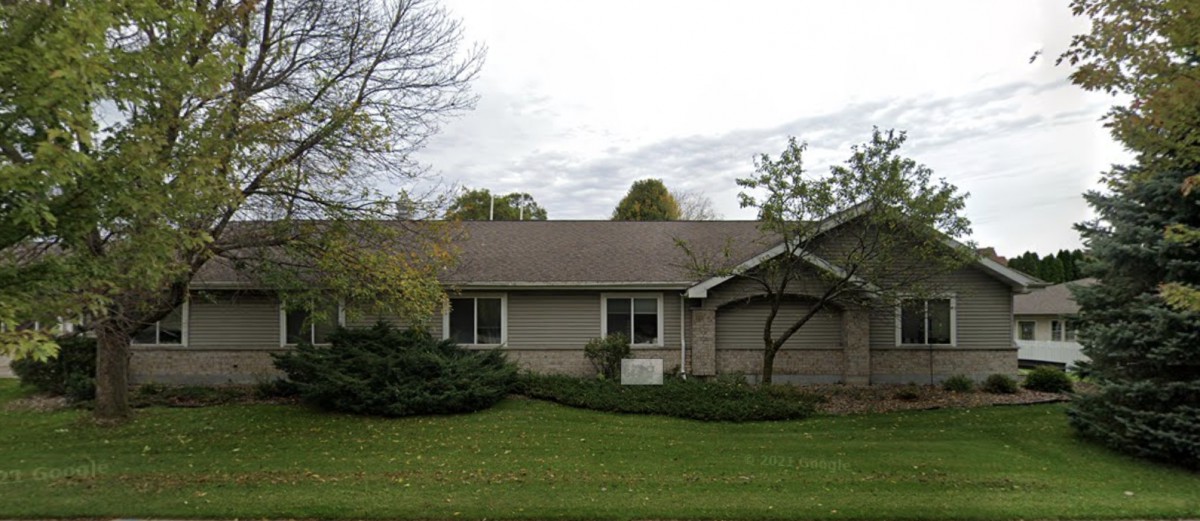
KindredHearts of Cottage Grove Memory Care

Save
KindredHearts of Cottage Grove Memory Care

KindredHearts of Cottage Grove Memory Care

505 West Lawn Drive, Cottage Grove, WI 53527

For more information about senior living options: (844) 490-3973

3.2 from 15 reviews
5 stars
8
4 stars
0
3 stars
0
2 stars
1
1 stars
6

Assisted Living Board and Care Home Memory Care

Overall Review of KindredHearts of Cottage Grove Memory Care

Pros

  • pro The staff members were very attentive.
  • pro The facility was always clean and welcoming.
  • pro The staff was great.
  • pro Ms. Autumn was always wonderful to work with.
  • pro Autumn is an excellent leader in the memory care unit; her staff are kind and attentive to resident needs.
  • pro The staff are super kind and amazing with the residents.

Cons

  • pro The facility is understaffed, with management rarely on-site and constant turnover across all levels.
  • pro The staff are frequently on their phones and fail to engage with residents.
  • pro There are no activities for residents and nothing for them to do.
  • pro Residents are served meals on paper plates and bowls, with food that resembles mush or slop.
  • pro Residents appear skittish or frightened, indicating potential neglect.
  • pro Staff are disrespectful and dismissive; residents are told to back away when they try to speak.
  • pro Staff fail to communicate effectively, leaving residents confused and causing frustration.
  • pro There are frequent arguments between staff and families when questions or concerns arise.
  • pro The facility shows signs of neglect, including poor training and leadership turnover.
  • pro The manager is disrespectful to staff and some workers are described as lazy.

Review

The collection of experiences at this memory care facility paints a striking contrast between moments of warmth, attentiveness, and clean, well-run environments, and episodes of neglect, miscommunication, and seeming instability. Several reviewers describe a place that can feel very welcoming on some days, with staff who are kind, caring, and genuinely involved in residents' lives. Yet other accounts highlight systemic problems: a chronic lack of staffing, turnover at many levels, management that is rarely on site, and a culture where residents sometimes seem forgotten or underserved. The disparity is so pronounced that families who entrusted their loved ones to this facility report deeply mixed emotions, ranging from gratitude to regret, depending on when and with whom they interacted.

On the negative side, some reviews focus on the practical and emotional toll of chronic understaffing and turnover. One reviewer notes that the staff, while attentive, were hindered by poor training and a high rate of turnover at every level, with management rarely present on site. The result, according to this account, is staff who are frequently on their phones, insufficient activities for residents, and a sense that residents are left to wander without meaningful engagement. The reviewer ultimately chose to move a family member out of the facility after two years, expressing regret that their loved one endured the environment for so long. Another vivid complaint describes meals served on paper plates and bowls, with food that resembles mush or "random slop," and residents who flinch or appear skittish. The same review blames the staff for poor communication, harsh responses when residents don't understand, and frequent disputes with families over questions and concerns. Taken together, these details sketch a picture of a memory care unit that, for some families, falls short of basic standards of care and respect.

In contrast, other accounts speak to genuine moments of pride and satisfaction with leadership and care. A family recounts that their mother and stepfather were well cared for during an eight-year stay, emphasizing that the facility was consistently clean and welcoming, with staff described as great and a director named Autumn who was "always wonderful to work with." This review signals that, when leadership is stable and staff are well-aligned with family expectations, the care experience can be highly positive, and families may feel supported and reassured. A separate testimonial praises a grandmother who is a resident there, stating that the facility is clean and that she is well taken care of, with a strong recommendation for others to consider the facility. These pieces highlight the impact that stable, capable leadership and a consistent, respectful staff can have on residents' daily lives.

Several comments specifically celebrate Autumn as a standout leader in the memory care unit. One reviewer describes Autumn and her staff as kind and attentive to resident needs, recounting a touching moment of a resident playing the organ while others sang - a scene framed as a rare but meaningful glimpse of quality care and life enrichment. Another reviewer echoes the sentiment, calling Autumn an excellent leader whose team is "kind and attentive," and who creates moments of joy that remind families that their loved ones are living meaningful, engaged lives. The consistency of these praise notes suggests that the facility's strongest days are tied to stable leadership and a compassionate, well-trained staff that can connect with residents on an emotional level.

Additional positive voices emphasize the warmth of the staff and the home-like atmosphere. Reviewers repeatedly commend staff as "super kind" and "amazing with the residents," with mentions of the facility feeling very welcoming and nicely decorated for holidays. These observations reinforce the idea that, for some families, the environment can feel like a reassuring, supportive community where residents are treated with dignity, kindness, and individualized attention. In these accounts, the environment is described as clean and well-maintained, contributing to a sense of safety and comfort for residents and their families.

Yet not all feedback aligns with those glowing testimonials. A separate, cautionary note describes moving a loved one out after less than six months due to leadership changes - two different directors within that short period - and a perception of poorly trained staff, lack of communication with families, and signs of neglect that disturbed the reviewer. This account underscores how rapid leadership turnover and inconsistent staff training can destabilize care, eroding trust and triggering concerns about resident well-being and safety. The juxtaposition of such experiences with the more positive stories underscores a broader pattern: the facility's quality appears to hinge significantly on who is in charge, how well staff are trained, and how consistently leadership engages with families and residents.

Another terse remark captures the tension that can arise in a facility with mixed reviews: some statements describe the place as "horrible," with a manager perceived as disrespectful to staff and a workforce described as lazy, while other notes celebrate "great people" and positive interactions. This dichotomy suggests a workplace with notable variability - perhaps dependent on shifts, departmental leadership, or morale at any given time - where experiences can swing dramatically from one family to the next. Taken together, these comments reveal a complex reality: the facility has the capacity to provide compassionate, respectful care and enriching activities, but it can also fall short when staffing is unstable, communication falters, and leadership is inconsistent.

In sum, the overall narrative presents a care environment marked by significant variability. Some residents seem to benefit from attentive, stable leadership and a culture of kindness, with clean facilities, engaging activities, and moments that remind families of what good memory care can look like. Other residents, however, encounter a very different day-to-day reality: staffing shortages, insufficient training, limited engagement for residents, subpar meal presentation, and strained communication with families. The strongest takeaway is that leadership stability and staff training appear to be pivotal determinants of the care experience at this facility. Families considering placement would do well to investigate current staffing levels, leadership consistency, and the opportunities for meaningful resident activities, while also seeking first-hand impressions about daily care routines, meal quality, and open, respectful communication with the care team.

Features

Housing

  • 20 resident community capacity 20 resident community capacity

Types of Care

  • Assisted Living Assisted LivingAssisted living facilities provide crucial support and care for seniors who may need help with daily tasks such as medication management, bathing, and meal preparation. These communities offer a safe and comfortable environment where seniors can maintain their independence while receiving the assistance they need to thrive in their golden years.
  • Board and Care Home Board and Care HomeBoard and care homes provide a smaller, more intimate setting for seniors who require assistance with daily tasks but do not need the level of care offered by a nursing home. They offer personalized care, meals, and social activities in a homelike environment, ensuring that seniors receive individualized attention and support in their golden years.
  • Memory Care Memory CareMemory care is crucial for seniors as it provides specialized support and services for individuals with dementia or Alzheimer's disease. These programs offer a safe and secure environment where residents receive personalized care, cognitive stimulation, and help with daily activities. Memory care helps seniors maintain their independence, quality of life, and dignity while also providing peace of mind for their families.

Amenities

  • Beauty salon Beauty salonBeauty salons are important for seniors because they provide a space for them to feel pampered, socialize, and maintain their personal grooming and hygiene. Regular visits to a beauty salon can help boost seniors' self-esteem and overall well-being.
  • Cable or satellite TV Cable or satellite TVCable or satellite TV is important for seniors because it provides entertainment, news, and companionship, helping to combat loneliness and boredom. It also offers a wide range of programming options tailored to different interests and preferences.
  • Dining room Dining roomDining rooms are important for seniors as they provide a space for socialization, connection, and nutritious meals. They offer opportunities for residents to bond over shared meals, foster a sense of community, and promote healthy eating habits. Dining rooms also ensure that seniors have access to well-balanced meals tailored to their dietary needs and preferences.
  • Fully furnished Fully furnishedFully furnished senior living communities are important for seniors because they provide convenience, comfort, and a hassle-free moving experience. Seniors can easily settle into their new living space without the stress of having to buy and move furniture. This allows them to focus on enjoying their new home and community.
  • Garden GardenGardens are important for seniors as they provide a peaceful and therapeutic environment for relaxation, physical activity, and socialization. Being in nature has been shown to reduce stress, improve mood, and promote overall well-being. Gardens also offer opportunities for seniors to engage in gardening activities, which can improve mobility, flexibility, and cognitive function. Additionally, gardens create a sense of community and connection with others who share a passion for plants and outdoor spaces.
  • Housekeeping services Housekeeping servicesHousekeeping services are important for seniors because they help maintain a clean and safe living environment, promote independence, and reduce the risk of accidents or illnesses. Additionally, having assistance with household chores can alleviate physical strain and allow seniors to focus on other aspects of their well-being.
  • Kitchenette KitchenetteKitchenettes are important for seniors living in senior living communities because they provide the convenience and independence of being able to prepare simple meals and snacks in the comfort of their own living space. This can help promote a sense of autonomy and well-being for seniors, allowing them to maintain some level of control over their dietary choices and daily routines.
  • Move-in coordination Move-in coordinationMove-in coordination is important for seniors because it helps ease the transition into their new living environment. It ensures that all logistics, such as packing, organizing movers, and setting up utilities are taken care of, allowing seniors to focus on settling in and adjusting to their new home. Having a smooth move-in process can alleviate stress and anxiety, making the transition smoother and more enjoyable for seniors.
  • Outdoor space Outdoor spaceOutdoor spaces are important for seniors as they provide opportunities for physical activity, social interaction, exposure to natural light and fresh air, and a sense of connection to nature. Having access to outdoor spaces can improve overall well-being and quality of life for older adults living in senior communities.
  • Telephone TelephoneTelephones are important for seniors as they provide a lifeline for communication with loved ones, emergency services, and healthcare providers. They offer a sense of security and independence, enabling seniors to stay connected and access assistance when needed.
  • Wi-Fi/high-speed internet available Wi-Fi/high-speed internet availableWi-Fi/high-speed internet is important for seniors to stay connected with loved ones, access online resources, and participate in virtual activities to combat feelings of loneliness and isolation. It also allows them to easily manage healthcare needs, access entertainment, and engage in lifelong learning opportunities.

Transportation

  • Dane County Regional (9 miles away) Dane County Regional (9 miles away)

Care Services

  • 24-hour call system 24-hour call system24-hour call systems are important for seniors because they provide peace of mind and immediate assistance in case of emergencies. This technology ensures that help is always available, promoting safety and security for elderly individuals living alone or in assisted living facilities.
  • 24-hour supervision 24-hour supervision24-hour supervision is important for seniors to ensure their safety, well-being, and access to immediate assistance in case of emergencies or health issues. This constant support provides peace of mind for both seniors and their loved ones, allowing them to age in place with dignity and security.
  • Activities of daily living assistance Activities of daily living assistanceActivities of daily living assistance are important for seniors because they provide essential support with tasks such as eating, bathing, dressing, and mobility. This assistance helps seniors maintain their independence, dignity, and overall quality of life as they age.
  • Assistance with bathing Assistance with bathingAssistance with bathing is crucial for seniors as it helps maintain personal hygiene, prevents infections, and ensures their overall well-being and comfort. It also provides a sense of dignity and independence for seniors who may struggle with this task on their own.
  • Assistance with dressing Assistance with dressingAssistance with dressing is important for seniors because it helps maintain their independence, promotes personal hygiene, prevents accidents and injuries, and improves overall quality of life. This service ensures that seniors can continue to dress comfortably and confidently, despite any physical limitations they may have.
  • Assistance with transfers Assistance with transfersAssistance with transfers is crucial for seniors as it helps prevent falls and injuries, maintains their independence, and ensures they can safely navigate their living environment. It also provides peace of mind for both seniors and their loved ones.
  • Coordination with health care providers Coordination with health care providersCoordination with health care providers is crucial for seniors to ensure proper medical care, medication management, and overall well-being. This collaboration helps prevent overlapping treatments, track progress more effectively, and provide comprehensive support tailored to individual needs.
  • Dementia waiver Dementia waiverDementia waivers are essential for seniors as they provide critical protections and accommodations for those experiencing cognitive decline. These waivers ensure individuals with dementia receive appropriate care, support, and resources to maintain their quality of life and dignity as they navigate the challenges of this progressive condition.
  • Diabetes diet Diabetes dietA diabetes diet is crucial for seniors as it helps manage blood sugar levels, reduce risks of complications, and improve overall health and well-being. By following a balanced and nutritious diet tailored to their specific needs, seniors can better control their diabetes and enhance their quality of life.
  • Hospice waiver Hospice waiverHospice waivers are important for seniors because they allow individuals to receive specialized end-of-life care and support at home or in a hospice facility. This waiver ensures that seniors can access the necessary resources and services to maintain comfort and dignity during their final days.
  • Meal preparation and service Meal preparation and serviceMeal preparation and service are crucial for seniors as they may have limited mobility or energy to cook nutritious meals. Having access to healthy and convenient food options can ensure they are getting the proper nutrition needed to maintain their overall health and well-being.
  • Medication management Medication managementMedication management is crucial for seniors to ensure they are taking the right medications at the correct dosages and times. This helps prevent adverse drug interactions, reduces the risk of medication errors, and promotes overall health and well-being. Proactive management also allows for adjustments as needed based on changing health conditions or new prescriptions.
  • Mental wellness program Mental wellness programMental wellness programs are essential for seniors as they promote cognitive stimulation, emotional support, and social engagement. These programs help prevent isolation, depression, and cognitive decline, ultimately enhancing the overall quality of life for older adults.
  • Mild cognitive impairment Mild cognitive impairment"Mild cognitive impairment" is important for seniors because it is an early stage of cognitive decline that can potentially progress to more severe conditions such as dementia. Recognizing and addressing mild cognitive impairment can help seniors receive appropriate care and support to maintain their quality of life and independence for as long as possible.
  • Special dietary restrictions Special dietary restrictionsSpecial dietary restrictions are important for seniors because age-related changes in metabolism and health conditions can make it difficult for their bodies to process certain foods. By following a diet tailored to their specific needs, seniors can maintain their overall health and well-being, manage chronic conditions, and reduce the risk of complications such as malnutrition or food interactions with medications.
  • Specialized memory care programming Specialized memory care programmingSpecialized memory care programming is crucial for seniors with cognitive impairments such as dementia or Alzheimer's disease. These programs provide a safe and supportive environment tailored to the unique needs of individuals with memory loss, helping them maintain their independence, dignity, and quality of life.
  • Transportation arrangement (medical) Transportation arrangement (medical)Transportation arrangements for medical purposes are essential for seniors as they may have difficulty driving themselves to appointments or accessing public transportation. Having reliable and safe transportation options ensures that seniors can receive timely medical care and maintain their health and well-being.
  • Transportation to doctors appointments Transportation to doctors appointmentsTransportation to doctors' appointments is crucial for seniors as it ensures they have access to necessary medical care and support for their health needs. Without reliable transportation, seniors may struggle to attend important appointments, leading to potential delays in treatment and health complications. Providing transportation services helps seniors maintain their overall well-being and quality of life.

Dining

  • Diabetes diet Diabetes dietA diabetes diet is crucial for seniors as it helps manage blood sugar levels, reduce risks of complications, and improve overall health and well-being. By following a balanced and nutritious diet tailored to their specific needs, seniors can better control their diabetes and enhance their quality of life.
  • Special dietary restrictions Special dietary restrictionsSpecial dietary restrictions are important for seniors because age-related changes in metabolism and health conditions can make it difficult for their bodies to process certain foods. By following a diet tailored to their specific needs, seniors can maintain their overall health and well-being, manage chronic conditions, and reduce the risk of complications such as malnutrition or food interactions with medications.

Activities

  • Community-sponsored activities Community-sponsored activitiesCommunity-sponsored activities are important for seniors as they provide opportunities for social interaction, mental stimulation, and physical activity. These activities can help improve overall well-being, combat loneliness and isolation, and promote a sense of belonging and purpose among older adults.
  • Scheduled daily activities Scheduled daily activitiesScheduled daily activities are important for seniors because they provide structure, socialization, mental stimulation, and physical activity. Engaging in regular activities can improve overall well-being and quality of life for seniors living in a community setting.

Description

KindredHearts of Cottage Grove Memory Care is a warm and inviting assisted living community located in Cottage Grove, WI. Designed specifically for individuals with memory care needs, our community offers a safe and supportive environment where residents can thrive.

Our board and care home provides 24-hour supervision and assistance with activities of daily living, including bathing, dressing, and transfers. With a focus on individualized care, our dedicated staff works closely with residents' health care providers to ensure their unique needs are met. We also offer medication management services to ensure the proper administration of medications.

At KindredHearts of Cottage Grove Memory Care, we understand the importance of mental wellness for our residents. Our specialized memory care programming includes activities designed to stimulate cognitive function and enhance overall well-being. Daily scheduled activities encourage social engagement and promote a sense of purpose.

Residents enjoy delicious meals prepared by our skilled culinary team that cater to special dietary restrictions. Our dining room provides a comfortable setting for residents to enjoy their meals together.

Our community features amenities such as cable or satellite TV, Wi-Fi/high-speed internet access, and housekeeping services to make each resident's stay comfortable and convenient. Residents can take advantage of outdoor spaces and gardens for relaxation and enjoyment.

We understand that transportation plays a crucial role in accessing medical care. That's why we provide transportation arrangements for medical appointments as well as doctors' appointments.

KindredHearts of Cottage Grove Memory Care is conveniently located near parks, pharmacies, physicians' offices, restaurants, and places of worship. This allows our residents easy access to the services they need while enjoying the tranquility of their surroundings.

With its welcoming atmosphere and comprehensive care services, KindredHearts of Cottage Grove Memory Care is the ideal choice for individuals seeking memory care support in Cottage Grove, WI.

Nearby Places of Interest

Restaurants

  • 1855 Saloon & Grill (0.5 miles)
  • Black Bear Inn (1.2 miles)
  • McDonald's (1.3 miles)
  • Culver's (2.1 miles)
  • Oakstone (2.1 miles)
  • Don Maguey Mexican Restaurant (2.3 miles)
  • Cottage Cafe (5.9 miles)

Pharmacies

  • Hometown Pharmacy-Cott (1.3 miles)
  • Door Creek Pharmacy (1.3 miles)
  • Hometown Pharmacy (1.5 miles)
  • CVS Pharmacy (1.8 miles)
  • Metro Market Pharmacy (4.4 miles)
  • Metro Market (4.4 miles)
  • Walgreens (5.8 miles)

Physicians

  • Cottage Grove Eye Care (1.4 miles)
  • UW Health Cottage Grove Clinic (1.8 miles)
  • Johnson Health Tech North America (2.2 miles)
  • Luskin Allan T Md Dean Health System East Clinic Madison (6 miles)
  • Dean Clinic (6.1 miles)
  • TLC Laser Eye Centers (6.4 miles)
  • Accuear Professional Hearing & Audiology Clinics (7 miles)

Parks

  • Ravenwood Park (2.2 miles)
  • Door Creek Park (3.5 miles)
  • Paradise Park (4 miles)
  • Secret Places Park (5.3 miles)
  • Owl's Creek Park (5.9 miles)
  • Kingston Onyx Park (6 miles)
  • Sunny Valley Park (7.1 miles)

Places of Worship

  • Hope Lutheran Church (3.3 miles)
  • McFarland United Church of Christ (6.3 miles)
  • Eastside Evangelical Lutheran (7.2 miles)
  • Sacred Hearts of Jesus and Mary Catholic Church (7.7 miles)

Transportation

  • Crown Lift Trucks (5.5 miles)
  • U-Haul (6.6 miles)

Cafes

  • Starbucks (6.1 miles)
  • Mcfarland House Ca (6.6 miles)
  • Panera Bread (6.9 miles)
  • Starbucks (7.1 miles)

Theaters

  • Flix Brewhouse (6.7 miles)

Frequently Asked Questions

Where is KindredHearts of Cottage Grove Memory Care?
Does KindredHearts of Cottage Grove Memory Care provide care for residents with dementia or Alzheimer's disease?

Nearby Communities

Related Resources

  • dementia behaviorsUnderstanding Dementia Behaviors: Practical Insights and Strategies for Caregivers

    Dementia affects memory and cognitive function in older adults, presenting challenges for caregivers due to behavioral changes such as confusion and mood swings. Compassionate, person-centered care that considers individual history and preferences, along with effective communication and environmental modifications, is essential for supporting both patients and their caregivers.

  • dementia and angerWhen Dementia Sparks Anger and Aggression: Understanding the Connection and Ways to Cope

    Dementia leads to cognitive impairment and can cause emotional and behavioral changes, including aggression that arises from frustration, confusion, or fear. Effective coping strategies for caregivers include understanding dementia's nature, recognizing triggers, using empathetic communication, and employing non-pharmacological interventions like music and art therapy.

  • dementia behaviorsDementia Behaviors: In-Depth Understanding and Effective Coping Strategies

    Dementia causes cognitive decline and challenging behaviors that caregivers must manage, necessitating an understanding of the neurological basis of these issues. Effective strategies and self-care for caregivers can enhance support for those with dementia and improve their daily lives.