
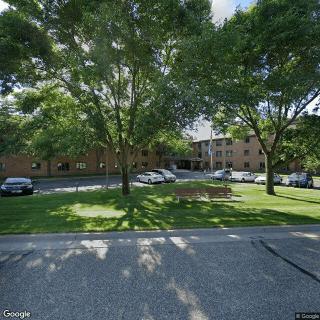
7338 - 203Rd Street, Chippewa Falls, WI 54729
For more information about senior living options: (866) 208-4318
Overall Review of Northwest Pathways To Independence 2
Pros
 The reviewer awarded five stars for getting rid of Karen and John.
- The reviewer views the removal of Karen and John as a positive outcome.
Cons
 Karen lied too much.
- Karen covered up symptoms of serious health problems.
- Karen's bad behaviors were harmful to residents.
Review
Northwest Pathways To Independence 2 in Chippewa Falls is best suited for families that prioritize governance-driven safety and are comfortable with decisive leadership actions when concerns arise. This community appears most compatible with those who want clear signals that resident welfare comes first, even if that means turnover and rapid staff changes. It is less ideal for families seeking an uninterrupted, long-tenured care team, flawless transparency, and a consistently steady culture. For families willing to tolerate the possibility of leadership shifts while valuing visible accountability, this setting can align with their decision criteria; for others, the appeal may be limited by stability questions.
Those weighing alternatives should consider options that offer steadier staffing, more transparent health oversight, and documented, ongoing quality commitments. If consistency in front-line caregivers, predictable routines, and explicit health reporting are non-negotiables, it makes sense to look at communities with longer-tenured teams, established resident councils, and clear third-party reviews. In short, choices that emphasize continuity and verifiable outcomes will feel more comfortable for families needing predictable day-to-day care and unambiguous health communication.
A notable, concrete strength from the available feedback is the facility’s readiness to remove problematic staff. A reviewer credited management with getting rid of two employees, which signals a willingness to enforce standards and protect residents. That action can materially reduce immediate risk, rebuild trust, and reduce exposure to harmful conduct in a setting where safety concerns have been raised. In environments where governance responsiveness is scarce, this kind of decisive step remains a meaningful offset to some types of risk, offering a foundation for rebuilding confidence in the care environment.
Yet the same feedback highlights serious red flags: allegations that certain staff members lied, covered up health problems, and behaved in ways harmful to residents. Those claims, even if not broadly corroborated, illuminate potential gaps in transparency, medical oversight, and routine caregiver communication. If such dynamics were present, the lingering concern is that trust may have been eroded and that ongoing improvements must be proven, not promised. The most significant con, therefore, is not a one-time misstep but the durability of corrective actions and the visibility of safe, honest practice over time.
Families should approach due diligence with concrete questions and a disciplined inspection routine. During a visit, request current staffing ratios and turnover trends, the leadership structure, and the exact processes used to document and review incidents. Probe how concerns are communicated to families and whether independent advocates can audit care plans and health status reports. Speak with frontline staff about responsiveness and with residents regarding day-to-day experiences. Seek assurances about whistleblower protections and a formal quality-improvement program with measurable targets. If possible, obtain external references or third-party assessments to balance internal reporting.
The bottom line is practical and selective: Northwest Pathways To Independence 2 can work for families who prize decisive action to remove problematic staff and are comfortable operating in a governance-forward environment where accountability is prioritized. For those who require unwavering staffing stability, consistently transparent health reporting, and a proven, steady culture, alternatives may offer greater peace of mind. Given the limited public feedback, proceed with a structured diligence plan: tour thoroughly, request current operational metrics, speak candidly with residents and caregivers, and verify that today’s leadership maintains transparent communication, robust medical oversight, and a sustainable safety framework. With clear expectations and careful vetting, a well-informed choice can be made.
 4 resident community capacity
 Assisted Living
 Cable or satellite TV
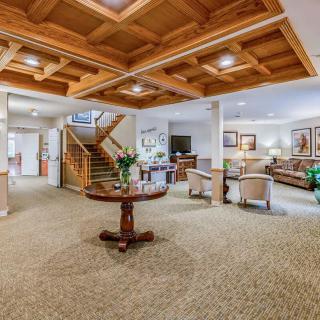
 Dining room
 Fully furnished
 Garden
 Housekeeping services
 Move-in coordination
 Outdoor space
 Telephone
 Wi-Fi/high-speed internet available
 Chippewa Valley Regional (12 miles away)
 24-hour supervision
 Activities of daily living assistance
 Assistance with bathing
 Assistance with dressing
 Assistance with transfers
 Diabetes diet
 Meal preparation and service
 Medication management
 Special dietary restrictions
 Transportation arrangement (medical)
 Transportation to doctors appointments


 Exploring the Path to Senior Living: A Comprehensive Look at Independent Living and Assisted Living
 Is Assisted Living Deductible on Your Taxes? Understanding the Complexities of Assisted Living Expenses and Deductions
 Assisted Living Support for Veterans: A Complete and Detailed Overview