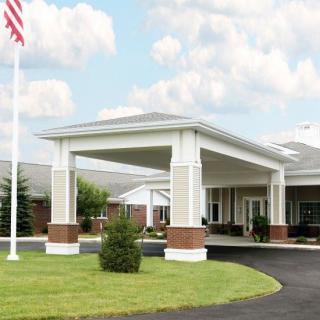
Libbys House Of Chilton

323 Field Lane, Chilton, WI 53014

For more information about senior living options: (844) 490-3973

4 from 4 reviews
5 stars
1
4 stars
2
3 stars
1
2 stars
0
1 stars
0

Assisted Living Memory Care

Overall Review of Libbys House Of Chilton

Pros

  • pro The facility is a nice place.
  • pro The staff are very kind and friendly.
  • pro The care provided is relatively good.
  • pro The cooking is good.
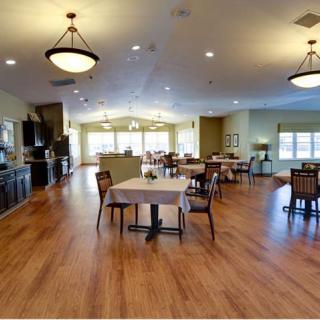
  • pro The facility includes a dining area and an activity area.
  • pro Rehabilitation and exercise are offered.
  • pro There is a large gated outdoor area for safety and outdoor activities.
  • pro The staff are willing to assist and answer questions.
  • pro The facility is very clean and well-maintained.

Cons

  • pro The bathrooms could be cleaned more thoroughly.
  • pro The meals are not home-cooked and consist of frozen items like fish sticks.
  • pro The price is expensive.
  • pro They seemed a little short-staffed.
  • pro The staff weren't participating with the residents.
  • pro Maintenance could be better at maintaining the facility.
  • pro They haven't had activities.

Review

Libbys House Of Chilton is best suited for families seeking a reassuring, security-forward environment where a loved one can receive ongoing assisted living or memory-care support with dependable staffing and steady family communication. The community appears to prioritize caregiving competence, a structured daily rhythm, and clear access to medical oversight, making it a strong option for residents who benefit from routine, safety features, and a facility that keeps family in the loop about progress and concerns. For memory care in particular, the presence of a dedicated unit and a layout designed to minimize wandering is a meaningful advantage for families prioritizing safety and consistent staff engagement.

Those who should consider alternatives are families who place a higher premium on exceptionally high-end dining, larger private living spaces, or a more expansive, home-like atmosphere. Several reviews note meals that feel more institutional than homestyle and mention rooms that are functional but not spacious or luxurious. Cleanliness is generally good, but occasional bathroom upkeep and maintenance gaps surface in some feedback, and a few sources describe periods of limited activity variety or less resident-staff interaction. If price sensitivity is a dominant concern, or if a resident requires more expansive accommodations or a more robust social calendar, shopping around for options with stronger culinary programs, bigger rooms, or more frequent program diversification is prudent.

The strongest positives of Libbys House offset many common drawbacks through reliable staff kindness, transparent family communication, and solid clinical supports. Families repeatedly highlight friendly, capable nursing and caregiving staff, plus on-site medical oversight that can translate into smoother care coordination. Rehabilitation and exercise offerings, accessible dining areas, and a secure, gated outdoor space add tangible value for residents who benefit from structured activity and controlled surroundings. A well-structured memory-care environment, with engaging programming such as bingo or arts activities, helps residents stay mentally and socially connected, which in turn reduces family worry about isolation or neglect. When these strengths align with a resident's needs, they create a practical, low-friction care option.

Memory care, in particular, is a clear strength in this context. The unit's locked-down design and gated outdoor areas support safe independence, while staff - including nurses and aides noted for their attentiveness - demonstrate reliability and a caring presence. The layout is described as practical and navigable, which matters greatly for residents with cognitive challenges. Families report that administrators and front-line staff are responsive, willing to answer questions, and capable of coordinating care with outside providers. For families weighing memory-care placement, these elements - security, staff engagement, and a coherent daily structure - often trump imperfect dining or less-than-sprawling room sizes.

Financial considerations remain a factor for many families. Price sensitivity paired with perceptions of meal quality and room value means Libbys House may be a strong fit for those prioritizing safety, medical oversight, and consistent caregiver attention, while others may find the cost and dining/space trade-offs less attractive. The reviews indicate that while care quality and security are solid, the overall experience can hinge on expectations around meals, room dimensions, and housekeeping rhythms. In practice, value is tied to the resident's care needs: families seeking robust clinical support and secure memory care are likely to feel the price is appropriate, whereas those seeking a more self-contained, apartment-like feel or premium culinary experiences may wish to compare nearby options.

When evaluating Libbys House, focus the visit on practical, decision-driving questions. Probe staffing patterns during peak hours, request a current care plan showing how cognitive and physical therapies are integrated, and observe activity participation and resident engagement. Inspect bathroom cleanliness in person, review room configurations, and confirm what renovations or expansions are feasible if a longer stay is anticipated. Inquire about meal planning, incorporate tastes and dietary restrictions, and assess how often menus rotate. Finally, verify the process for family updates and care adjustments, and confirm a transparent path to choosing a resident-centered routine. For families prioritizing dependable staff, medical oversight, and a secure memory-care setting, Libbys House stands out as a solid, practical choice in Chilton. For those seeking a more home-like dining experience or larger private spaces, alternative facilities should be explored with these criteria in mind.

Features

Housing

  • 26 resident community capacity 26 resident community capacity
  • 1-bedroom apartments 1-bedroom apartments1-bedroom apartments are important for seniors because they provide a sense of independence, privacy, and autonomy while still offering the necessary space for comfortable living. These apartments allow seniors to maintain their own personal space and lifestyle preferences in a supportive community setting.
  • Studio apartments Studio apartmentsStudio apartments are important for seniors because they offer a smaller, more manageable living space that is easier to navigate and maintain as physical abilities decline. Additionally, studio apartments provide seniors with independence and privacy while still being part of a community that offers support and social opportunities.

Types of Care

  • Assisted Living Assisted LivingAssisted living facilities provide crucial support and care for seniors who may need help with daily tasks such as medication management, bathing, and meal preparation. These communities offer a safe and comfortable environment where seniors can maintain their independence while receiving the assistance they need to thrive in their golden years.
  • Memory Care Memory CareMemory care is crucial for seniors as it provides specialized support and services for individuals with dementia or Alzheimer's disease. These programs offer a safe and secure environment where residents receive personalized care, cognitive stimulation, and help with daily activities. Memory care helps seniors maintain their independence, quality of life, and dignity while also providing peace of mind for their families.

Amenities

  • Beauty salon Beauty salonBeauty salons are important for seniors because they provide a space for them to feel pampered, socialize, and maintain their personal grooming and hygiene. Regular visits to a beauty salon can help boost seniors' self-esteem and overall well-being.
  • Cable or satellite TV Cable or satellite TVCable or satellite TV is important for seniors because it provides entertainment, news, and companionship, helping to combat loneliness and boredom. It also offers a wide range of programming options tailored to different interests and preferences.
  • Dining room Dining roomDining rooms are important for seniors as they provide a space for socialization, connection, and nutritious meals. They offer opportunities for residents to bond over shared meals, foster a sense of community, and promote healthy eating habits. Dining rooms also ensure that seniors have access to well-balanced meals tailored to their dietary needs and preferences.
  • Fully furnished Fully furnishedFully furnished senior living communities are important for seniors because they provide convenience, comfort, and a hassle-free moving experience. Seniors can easily settle into their new living space without the stress of having to buy and move furniture. This allows them to focus on enjoying their new home and community.
  • Garden GardenGardens are important for seniors as they provide a peaceful and therapeutic environment for relaxation, physical activity, and socialization. Being in nature has been shown to reduce stress, improve mood, and promote overall well-being. Gardens also offer opportunities for seniors to engage in gardening activities, which can improve mobility, flexibility, and cognitive function. Additionally, gardens create a sense of community and connection with others who share a passion for plants and outdoor spaces.
  • Guest parking Guest parkingGuest parking is important for seniors because it allows their friends and family members to visit them easily and safely. Having convenient parking options can help combat feelings of isolation and loneliness, promote regular social interaction, and improve overall mental and emotional well-being for seniors in senior living communities.
  • Housekeeping services Housekeeping servicesHousekeeping services are important for seniors because they help maintain a clean and safe living environment, promote independence, and reduce the risk of accidents or illnesses. Additionally, having assistance with household chores can alleviate physical strain and allow seniors to focus on other aspects of their well-being.
  • Kitchenette KitchenetteKitchenettes are important for seniors living in senior living communities because they provide the convenience and independence of being able to prepare simple meals and snacks in the comfort of their own living space. This can help promote a sense of autonomy and well-being for seniors, allowing them to maintain some level of control over their dietary choices and daily routines.
  • Laundry LaundryLaundry services are important for seniors as they may have difficulty with physical tasks such as bending, lifting, or carrying heavy loads. Having access to laundry services can help seniors maintain personal hygiene, cleanliness, and independence in their daily lives.
  • Move-in coordination Move-in coordinationMove-in coordination is important for seniors because it helps ease the transition into their new living environment. It ensures that all logistics, such as packing, organizing movers, and setting up utilities are taken care of, allowing seniors to focus on settling in and adjusting to their new home. Having a smooth move-in process can alleviate stress and anxiety, making the transition smoother and more enjoyable for seniors.
  • Outdoor space Outdoor spaceOutdoor spaces are important for seniors as they provide opportunities for physical activity, social interaction, exposure to natural light and fresh air, and a sense of connection to nature. Having access to outdoor spaces can improve overall well-being and quality of life for older adults living in senior communities.
  • Party space Party spaceHaving access to party space is important for seniors as it provides opportunities for socialization, connection, and enjoyment. These spaces allow seniors to celebrate special occasions, host gatherings with friends and family, and participate in community events, enhancing their overall well-being and quality of life.
  • Restaurant-style dining Restaurant-style diningRestaurant-style dining is important for seniors because it allows them to enjoy delicious, nutritious meals in a social and upscale setting. This enhances their dining experience, promotes healthy eating habits, and fosters socialization with fellow residents, ultimately contributing to their overall well-being and quality of life.
  • Small library Small librarySmall libraries are important for seniors as they provide access to a variety of reading materials, including books, newspapers, and magazines. This can help stimulate their minds, keep them engaged, and provide a sense of community through book clubs and other social activities. Additionally, reading has been shown to improve cognitive function and overall mental well-being in older adults.
  • TV room TV roomTV rooms are important for seniors in senior living communities because they provide a space for social interaction, entertainment, and relaxation. Watching TV can help reduce feelings of loneliness and boredom, and create a sense of community among residents. Additionally, TV rooms offer a break from daily routines and can be a source of comfort and familiarity for seniors.
  • Telephone TelephoneTelephones are important for seniors as they provide a lifeline for communication with loved ones, emergency services, and healthcare providers. They offer a sense of security and independence, enabling seniors to stay connected and access assistance when needed.
  • Wi-Fi/high-speed internet available Wi-Fi/high-speed internet availableWi-Fi/high-speed internet is important for seniors to stay connected with loved ones, access online resources, and participate in virtual activities to combat feelings of loneliness and isolation. It also allows them to easily manage healthcare needs, access entertainment, and engage in lifelong learning opportunities.

Transportation

  • Outagamie County Regional (24 miles away) Outagamie County Regional (24 miles away)
  • Transportation & parking Transportation & parkingTransportation and parking are vital for seniors as they offer access to essential services, activities, and social interactions. Reliable transportation options can help seniors maintain independence, stay connected within their community, and enjoy a higher quality of life. Additionally, convenient parking facilities ensure that seniors can easily access necessary resources and amenities without added stress or difficulty.

Care Services

  • 24-hour call system 24-hour call system24-hour call systems are important for seniors because they provide peace of mind and immediate assistance in case of emergencies. This technology ensures that help is always available, promoting safety and security for elderly individuals living alone or in assisted living facilities.
  • 24-hour supervision 24-hour supervision24-hour supervision is important for seniors to ensure their safety, well-being, and access to immediate assistance in case of emergencies or health issues. This constant support provides peace of mind for both seniors and their loved ones, allowing them to age in place with dignity and security.
  • Activities of daily living assistance Activities of daily living assistanceActivities of daily living assistance are important for seniors because they provide essential support with tasks such as eating, bathing, dressing, and mobility. This assistance helps seniors maintain their independence, dignity, and overall quality of life as they age.
  • Assistance with bathing Assistance with bathingAssistance with bathing is crucial for seniors as it helps maintain personal hygiene, prevents infections, and ensures their overall well-being and comfort. It also provides a sense of dignity and independence for seniors who may struggle with this task on their own.
  • Assistance with dressing Assistance with dressingAssistance with dressing is important for seniors because it helps maintain their independence, promotes personal hygiene, prevents accidents and injuries, and improves overall quality of life. This service ensures that seniors can continue to dress comfortably and confidently, despite any physical limitations they may have.
  • Assistance with transfers Assistance with transfersAssistance with transfers is crucial for seniors as it helps prevent falls and injuries, maintains their independence, and ensures they can safely navigate their living environment. It also provides peace of mind for both seniors and their loved ones.
  • Diabetes diet Diabetes dietA diabetes diet is crucial for seniors as it helps manage blood sugar levels, reduce risks of complications, and improve overall health and well-being. By following a balanced and nutritious diet tailored to their specific needs, seniors can better control their diabetes and enhance their quality of life.
  • Meal preparation and service Meal preparation and serviceMeal preparation and service are crucial for seniors as they may have limited mobility or energy to cook nutritious meals. Having access to healthy and convenient food options can ensure they are getting the proper nutrition needed to maintain their overall health and well-being.
  • Medication management Medication managementMedication management is crucial for seniors to ensure they are taking the right medications at the correct dosages and times. This helps prevent adverse drug interactions, reduces the risk of medication errors, and promotes overall health and well-being. Proactive management also allows for adjustments as needed based on changing health conditions or new prescriptions.
  • Mental wellness program Mental wellness programMental wellness programs are essential for seniors as they promote cognitive stimulation, emotional support, and social engagement. These programs help prevent isolation, depression, and cognitive decline, ultimately enhancing the overall quality of life for older adults.
  • Mild cognitive impairment Mild cognitive impairment"Mild cognitive impairment" is important for seniors because it is an early stage of cognitive decline that can potentially progress to more severe conditions such as dementia. Recognizing and addressing mild cognitive impairment can help seniors receive appropriate care and support to maintain their quality of life and independence for as long as possible.
  • Personal care assistants Personal care assistantsPersonal care assistants are essential for seniors as they provide assistance with daily tasks, such as dressing, bathing, and medication management. They offer crucial support and companionship to help seniors maintain independence and quality of life in their own homes or in senior living communities.
  • Physical therapy Physical therapyPhysical therapy is essential for seniors to maintain and improve their mobility, strength, and overall quality of life. It helps reduce pain, prevent falls, and enhance independence in daily activities. By promoting movement and function, physical therapy can help seniors stay active, healthy, and engaged in their communities.
  • Special dietary restrictions Special dietary restrictionsSpecial dietary restrictions are important for seniors because age-related changes in metabolism and health conditions can make it difficult for their bodies to process certain foods. By following a diet tailored to their specific needs, seniors can maintain their overall health and well-being, manage chronic conditions, and reduce the risk of complications such as malnutrition or food interactions with medications.
  • Specialized memory care programming Specialized memory care programmingSpecialized memory care programming is crucial for seniors with cognitive impairments such as dementia or Alzheimer's disease. These programs provide a safe and supportive environment tailored to the unique needs of individuals with memory loss, helping them maintain their independence, dignity, and quality of life.

Dining

  • Diabetes diet Diabetes dietA diabetes diet is crucial for seniors as it helps manage blood sugar levels, reduce risks of complications, and improve overall health and well-being. By following a balanced and nutritious diet tailored to their specific needs, seniors can better control their diabetes and enhance their quality of life.
  • Special dietary restrictions Special dietary restrictionsSpecial dietary restrictions are important for seniors because age-related changes in metabolism and health conditions can make it difficult for their bodies to process certain foods. By following a diet tailored to their specific needs, seniors can maintain their overall health and well-being, manage chronic conditions, and reduce the risk of complications such as malnutrition or food interactions with medications.

Activities

  • Arts and crafts Arts and craftsEngaging in arts and crafts activities provides seniors with a creative outlet, promotes cognitive function, enhances dexterity and fine motor skills, fosters social interaction, and boosts overall well-being and mental health.
  • Community-sponsored activities Community-sponsored activitiesCommunity-sponsored activities are important for seniors as they provide opportunities for social interaction, mental stimulation, and physical activity. These activities can help improve overall well-being, combat loneliness and isolation, and promote a sense of belonging and purpose among older adults.
  • Games GamesGames are an essential part of senior living as they help promote cognitive function, social interaction, and overall well-being. Playing games can improve memory, concentration, and decision-making skills while also providing a fun and engaging way to connect with others. Seniors who participate in games regularly tend to experience higher levels of satisfaction and happiness in their daily lives.
  • Live musical performances Live musical performancesLive musical performances can provide seniors with a sense of joy, nostalgia, and connection. Music has the power to evoke emotions and memories, improve mood and cognitive function, and foster social interaction among seniors. It can also serve as a form of therapy and stress relief for older adults, making it an important activity to include in senior living communities.

  • Resident-run activities Resident-run activitiesResident-run activities are important for seniors as they encourage social interaction, creativity, and a sense of autonomy. These activities empower seniors to stay engaged and active in their community while fostering meaningful connections with their peers.
  • Scheduled daily activities Scheduled daily activitiesScheduled daily activities are important for seniors because they provide structure, socialization, mental stimulation, and physical activity. Engaging in regular activities can improve overall well-being and quality of life for seniors living in a community setting.

Description

Libbys House Of Chilton is an assisted living community located in Chilton, WI. Our focus is on providing exceptional care for seniors with memory impairments.

Our studio apartments are fully furnished and equipped with cable or satellite TV, ensuring residents have access to entertainment options. The dining room offers restaurant-style dining, where nutritious meals are prepared and served according to any special dietary restrictions residents may have. Housekeeping services are provided to ensure a clean and comfortable living environment.

Residents can enjoy the beautiful outdoor spaces and garden areas, as well as utilize the guest parking and transportation services for convenience. Wi-Fi/high-speed internet is available to keep residents connected with their loved ones.

We provide 24-hour supervision and assistance with activities of daily living such as bathing, dressing, and transfers. Our trained staff members also offer medication management and can assist with diabetes diets. For those with mild cognitive impairment, we have specialized memory care programming to support their unique needs.

At Libbys House Of Chilton, we believe in promoting mental wellness through various activities and programs. Residents can participate in community-sponsored activities, games, live musical performances, resident-run activities, and scheduled daily activities.

Located near three parks, two pharmacies, six physicians' offices, five restaurants, two transportation options, four places of worship, and two hospitals, our community provides easy access to essential amenities and services.

Overall, Libbys House Of Chilton offers a caring environment where seniors receive personalized assistance while enjoying a range of amenities that enhance their quality of life.

Nearby Places of Interest

Physicians

  • Advanced Hearing Care (0.6 miles)
  • Forefront Dermatology Chilton, WI (0.6 miles)
  • Chybowski Frank Ascensoin Medical Group (0.6 miles)
  • Chalumet Medical Clinic (0.7 miles)
  • Affinity Medical Group (0.7 miles)
  • Avada Audiology and Hearing Care (1 miles)
  • Aurora Sheboygan Clinic (6.2 miles)

Hospitals

  • Calumet Medical Center (0.6 miles)
  • Ascension Calumet Hosp (0.7 miles)
  • Aurora Health Care (13 miles)

Pharmacies

  • Walmart Pharmacy (0.6 miles)
  • Walgreens (0.9 miles)
  • Home Town Pharmacy (10.7 miles)
  • Aurora Pharmacy (16.8 miles)
  • Walgreens (17 miles)

Restaurants

  • Subway (0.6 miles)
  • McDonald's (1 miles)
  • Mueller Time (1 miles)
  • Neighborhood Pub & Grill (4.1 miles)
  • Roepke's Village Inn (4.5 miles)
  • Altona Club (5.5 miles)
  • Subway (5.5 miles)

Places of Worship

  • St Martin Lutheran Church (0.8 miles)
  • Faith Alliance Church (0.9 miles)
  • Faith Alliance Church (1.3 miles)
  • Calvary Chapel Chilton (3 miles)
  • Jubilee Assembly of God (6.3 miles)
  • Holy Rosary Catholic Church (6.4 miles)
  • St Peter Lutheran Church (7.5 miles)

Parks

  • Klinkner Memorial Park (0.8 miles)
  • Calumet County Fairgrounds (1.2 miles)
  • Nennig Park (1.3 miles)
  • Kiel Family Playground (9.7 miles)
  • Peters Park (10.4 miles)
  • Kiel Soccer Complex (10.5 miles)
  • Horn Park (10.9 miles)

Transportation

  • U-Haul Neighborhood Dealer (1.3 miles)
  • Countryside Aviation (3.1 miles)
  • New Holstein Municipal Airport (8D1) (6 miles)

Cafes

  • Mud Creek Coffee (8.1 miles)
  • Off the Rail (15.1 miles)

Frequently Asked Questions

What floor plans and room types does Libbys House Of Chilton offer?
Where is Libbys House Of Chilton?
Does Libbys House Of Chilton provide care for residents with dementia or Alzheimer's disease?

Nearby Communities

  • Abridge Care Cottage of Chilton

    Abridge Care Cottage of Chilton

    Chilton, WI

    2.4 from 18 reviews
    $3,850 to $5,100 / month

    pro Warm, attentive staff in a small, responsive setting with strong dementia care.

  • Cass House

    Cass House

    Chilton, WI


    pro Intimate, personalized care in a small community with comprehensive services (24/7 supervision, meals, ADL support, medical coordination) and a garden setting.

  • Century Ridge Inc

    Century Ridge Inc

    Chilton, WI


    pro Specialized diabetic care with a vibrant social environment.

  • Century Ridge Chilton

    Century Ridge Chilton

    Chilton, WI


    pro Strong memory care program and 24/7 supervision.

  • Steenport Home

    Steenport Home

    Chilton, WI


    pro Fully furnished assisted living with meals, housekeeping, medication management, and scheduled activities.

  • Brooklyn House

    Brooklyn House

    Chilton, WI


    pro Fully furnished living spaces with meals, housekeeping, Wi-Fi, and daily activities.

  • Gardens Of Fountain Way

    Gardens Of Fountain Way

    Menasha, WI

    3.7 from 6 reviews
    $5,130 / month

    pro Caring staff, clean surroundings, and engaging activities.

  • Valley VNA Senior Care

    Valley VNA Senior Care

    Neenah, WI

    4.6 from 11 reviews
     

    pro Strong memory care with 24/7 supervision and engaging activities

  • Highlands at Mahler Park Apartments 55+

    Highlands at Mahler Park Apartments 55+

    Neenah, WI

    4.8 from 106 reviews
    $934 to $1,180 / month

    pro Active social calendar with friendly, responsive staff.

Related Resources

  • dementia careMemory Care Pathways: A Holistic Guide to Dementia Support

    "Memory Care Pathways: A Holistic Guide to Dementia Support" outlines the complexities of dementia and its various types, emphasizing early detection, patient-centered care strategies, caregiver support, and long-term care options while addressing legal and financial considerations to enhance the quality of life for individuals with dementia and their families.

  • sundown syndromeComprehending Evening Confusion in Dementia: Causes, Manifestations, and Support

    Sundown syndrome, or sundowning, is a phenomenon in dementia patients characterized by increased confusion and agitation during late afternoon and evening, influenced by factors like disrupted circadian rhythms and fatigue. Effective caregiver strategies include establishing routines and managing environmental light while addressing caregiver stress through support services.

  • delirium vs dementiaDelirium and Dementia: Unraveling the Key Differences

    Delirium is a rapidly onset, reversible cognitive disturbance often caused by acute medical issues, while dementia is a gradual and irreversible decline due to chronic neurodegenerative diseases. Accurate differentiation between the two is essential for appropriate treatment and management in older adults.