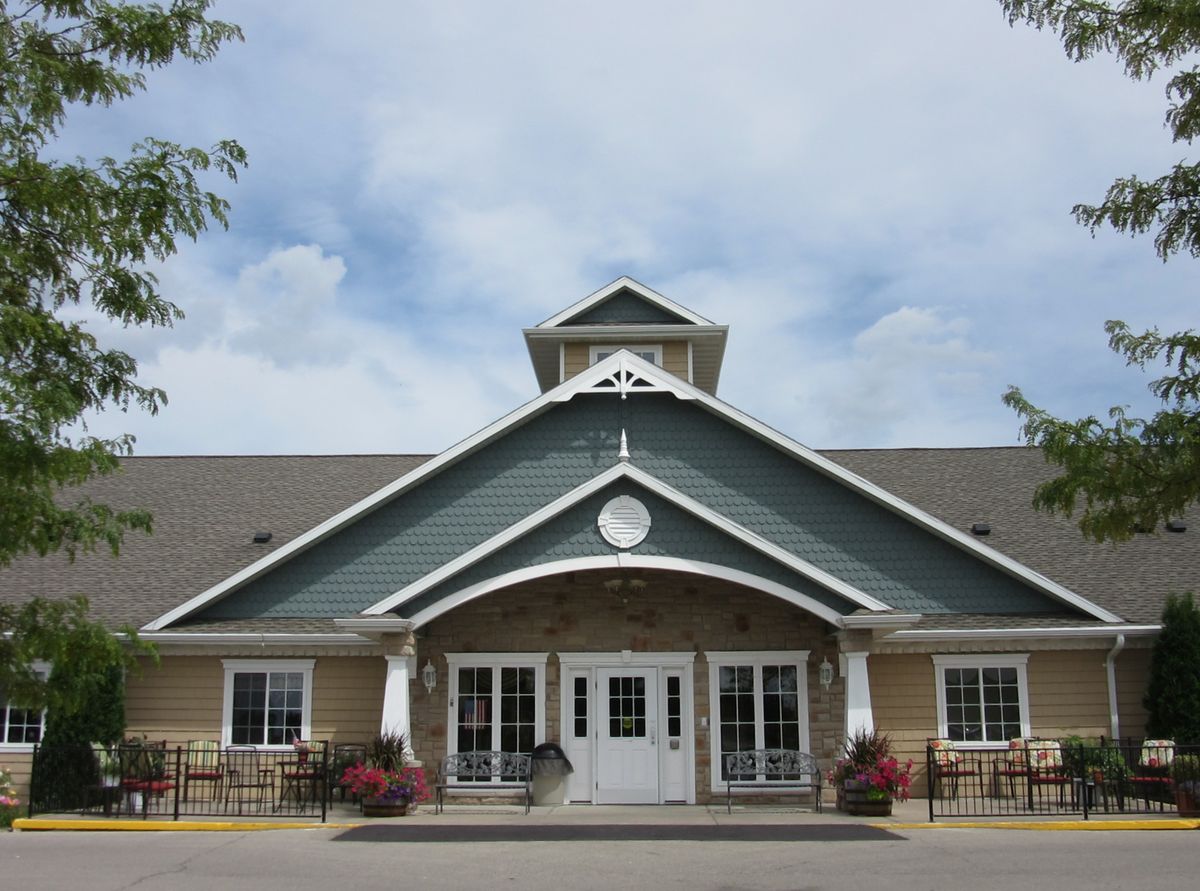

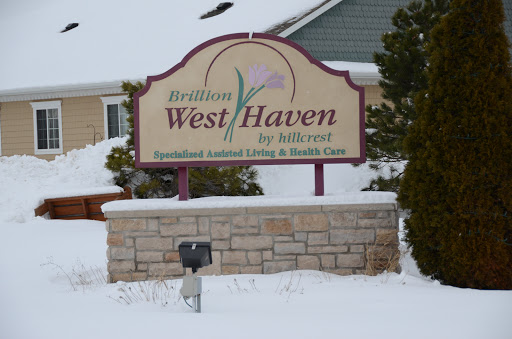


220 Achievement Drive, Brillion, WI 54110
For more information about senior living options: (866) 208-4318
Overall Review of Brillion West Haven
Pros
 The husband with LBD has continued to do well at Brillion West Haven for over 28 months.
- The staff receive ongoing training and are educated about dementia, enabling compassionate care.
- The new Director of Nursing has driven positive changes since January 2022.
- Brillion West Haven is night-and-day better than the previous facilities.
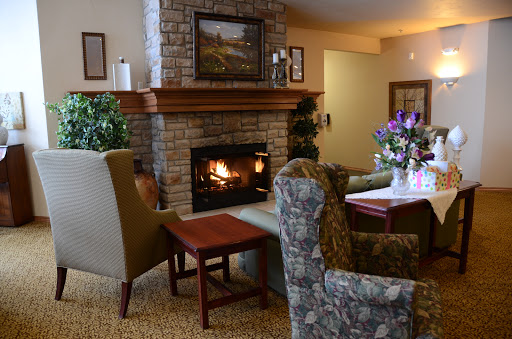
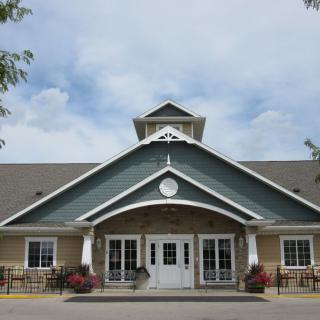
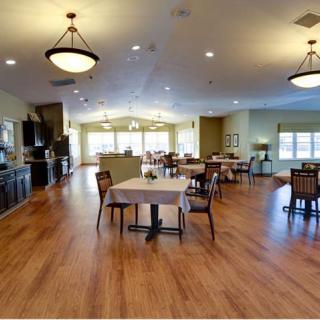
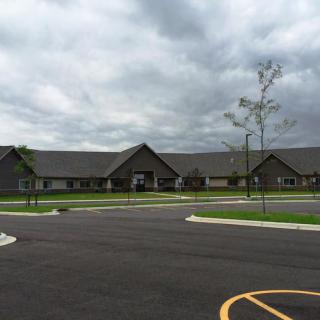
- West Haven is a beautiful facility with wonderful care and lots of activities.
- The mom is well taken care of, enjoys live music, and the staff are friendly and caring.
- The resident with HWLBD has thrived since moving there.
- Families report timely medications, frequent check-ins, and inclusion in social activities.
Cons
 The facility is not very good; it is understaffed and management does not care.
- The staff are overworked and management does not care or try to help.
- Those who try to help and make changes are disliked.
- Residents suffer from a lack of proper care due to uneducated management and a lack of caregivers.
Review
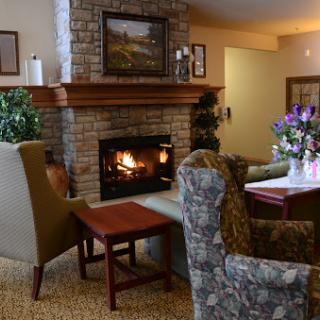
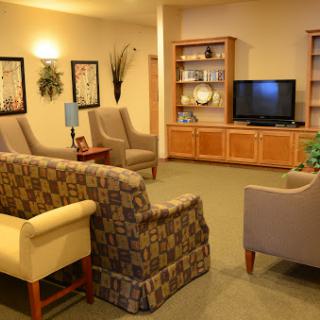
This Brillion community is best suited for families seeking a dementia-aware, activity-rich environment where a loved one with memory impairment can be nurtured in a safe, engaging setting. Brillion West Haven stands out for residents who respond to structured routines, meaningful social opportunities, and hands-on staff who value daily connection. Families repeatedly highlight a leadership shift since early 2022, especially the new Director of Nursing, and note ongoing dementia-focused training that translates into calmer days and more compassionate care. The campus atmosphere is bright, with ample activities, live music, porch time, and outdoor options that support mood and social engagement for residents and visitors alike.
That said, not every situation will be a perfect fit. For loved ones whose care needs demand very high, around-the-clock medical oversight or intensive supervision, alternatives with deeper medical staffing or different care models may be preferable. A small but notable thread in the feedback centers on understaffing and concerns about management’s engagement, suggesting that some days can feel strained when staffing levels dip or decisions lack clinical alignment. Prospective families should drill into current staffing ratios, shift coverage, and the administrative approach to problem-solving before committing, especially if the goal is near-constant supervision or highly specialized medical attention.
On the strength side, the core advantages are concrete and consistently described: dementia-trained care teams, reliable medication administration, frequent resident check-ins, and proactive attempts to prevent accidents. Several families credit the staff for warmth, reliability, and ongoing engagement, affirming that residents are cared for with dignity and attentiveness. The new leadership is repeatedly cited as a turning point, aligning care tasks with best practices in dementia care. The environment supports routine safety, residents are kept clean, dressed, and presentable for visits, and programming routinely includes music, social events, and accessible outdoor spaces that keep residents social and connected.
The counterpoint from a subset of reviews centers on operations that feel fragile if staffing is tight or if leadership appears disengaged. These perspectives should be weighed seriously, because they touch the heart of daily care: whether caregivers have the capacity to respond quickly to needs and whether management translates policy into consistent practice on the floor. For residents with complex behaviors or frequent needs, the risk is that gaps in coverage or slower response times may briefly erode the otherwise strong care framework. This is not the universal experience, but it remains a legitimate caution for families evaluating whether the level of staffing and managerial focus will meet their loved one’s guaranteed needs.
Nevertheless, the positive dynamics tend to offset the concerns for most families. The observed improvements, especially under dementia-focused training and enhanced nursing leadership, appear to materially raise the standard of daily care, safety, and resident happiness. The practical outcomes cited by families include timely medications, regular bathroom breaks to reduce accidents, and a consistently engaged resident in a nurturing atmosphere. For many, West Haven delivers a meaningful improvement over prior placements, with residents who are cleaner, more present, and better integrated into a vibrant activity calendar. The emotional benefits, staff who care deeply, a sense of community, and genuine, personal moments, counterbalance the occasional staffing caveats.
For families making a decision, adopt a disciplined, resident-centered checklist. Schedule a tour and request candid conversations with the DON and with direct caregiving staff. Ask for current, day-and-night staffing data, observe interactions during meals and wake hours, and review how behavioral challenges are managed in real time. Verify the consistency of medication administration and the clarity of daily routines. If the aim is a warm, socially active environment with dementia-informed care and a demonstrable commitment to safety and communication, Brillion West Haven is a compelling option. If the priority is unwavering 24/7 medical oversight, or if consistent staffing without any risk of gaps is non-negotiable, exploring alternatives and benchmarking against this community will help ensure the best match for the loved one’s specific needs.
 60 resident community capacity
 Assisted Living
 Memory Care
 Activities on-site
 Air-conditioning
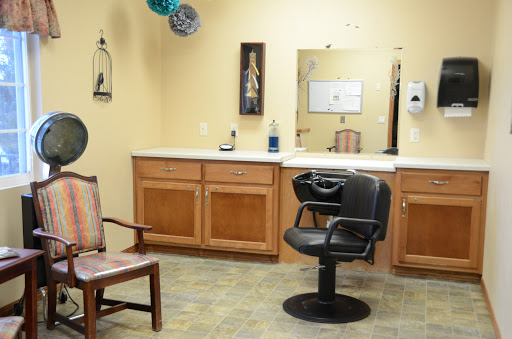
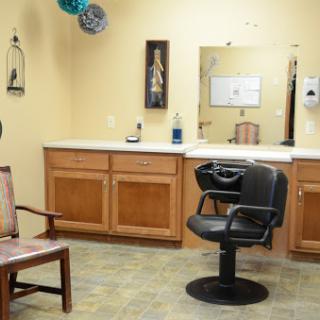
 Beauty salon
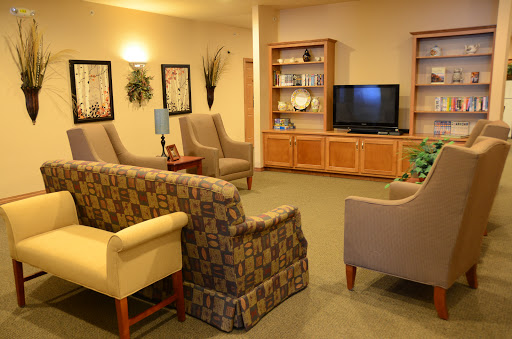
 Cable or satellite TV
 Computer center
 Devotional services off-site
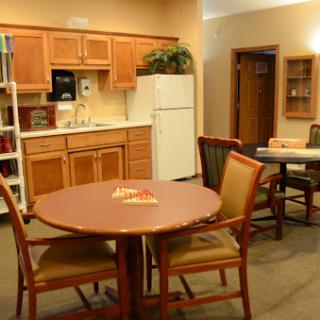
 Dining room
 Fitness room
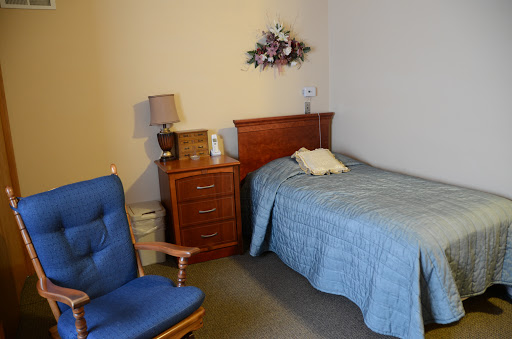
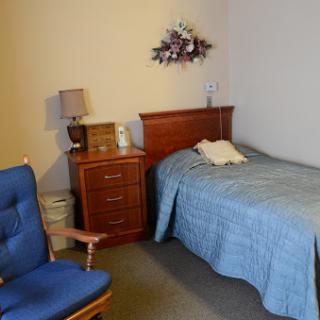
 Fully furnished
 Gaming room
 Garden
 Housekeeping services
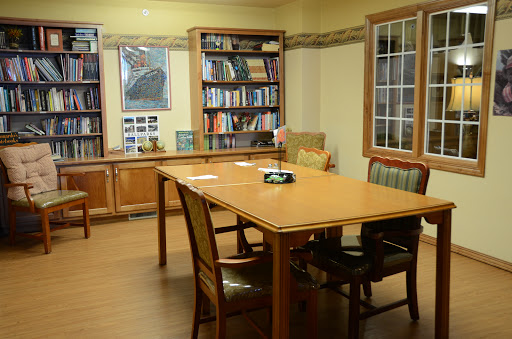
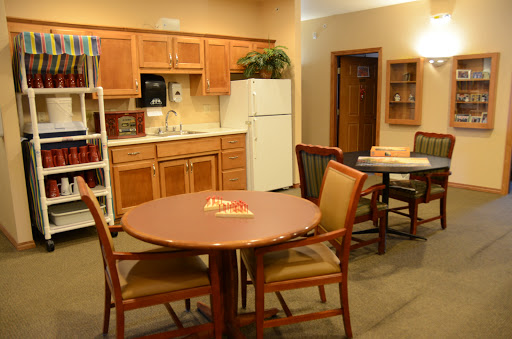
 Indoor common areas
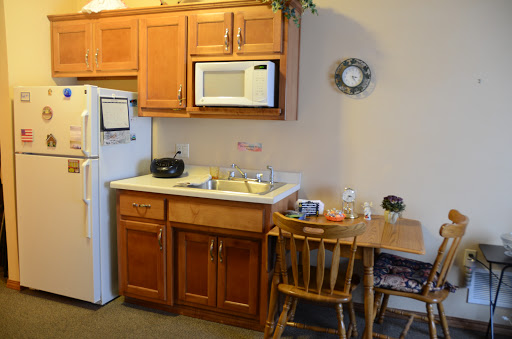
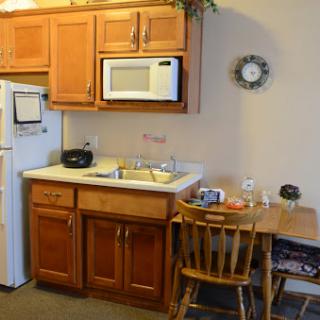
 Kitchenette
 Move-in coordination
 Outdoor space
 Private bathrooms
 Restaurant-style dining
 Small library
 Telephone
 Wellness center
 Wi-Fi/high-speed internet available
 Austin Straubel International (21 miles away)
 Community operated transportation
 12-16 hour nursing
 24-hour call system
 Ambulatory care
 Assistance with bathing
 Assistance with dressing
 Assistance with transfers
 Diabetes diet
 Medication management
 Mental wellness program
 Special dietary restrictions
 Concierge services
 Planned day trips


 Understanding the Distinctions: Assisted Living and Memory Care Explained
 How to Communicate with a Loved One Living with Dementia: 10 Supportive Strategies
 Comprehensive Guide to VA Nursing Homes: A Crucial Long-Term Care Resource for Veterans