
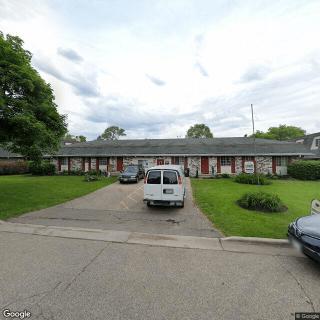
2096 Colony Court, Beloit, WI 53511
For more information about senior living options: (866) 208-4318
Azura Memory Care Beloit 8 Costs & Pricing
Azura Memory Care Beloit 8 offers competitive pricing for memory care services, particularly when compared to the averages in Rock County and the state of Wisconsin. For a studio apartment, residents can expect to pay $2,260 per month, significantly lower than the county's average of $3,525 and the state's average of $3,999. One-bedroom units at Azura are also attractively priced at $2,720, which is more economical than both Rock County's average of $3,310 and Wisconsin's average of $3,412. Additionally, for those seeking two-bedroom accommodations, Azura's cost of $3,310 remains reasonable when contrasted with Rock County's average of $3,079 and Wisconsin's statewide average of $3,111. Overall, Azura Memory Care Beloit 8 presents an appealing option for families looking for quality memory care services at more accessible prices.
| Floor plans | Azura Memory Care Beloit 8 | Rock County | Wisconsin |
|---|---|---|---|
| Studio | $2,260 | $3,525 | $3,999 |
| 1 Bedroom | $2,720 | $3,310 | $3,412 |
| 2 Bedrooms | $3,310 | $3,079 | $3,111 |
Memory care communities with a similar price nearby
-
from +$172 / mo
Cherryvale Place
$2,432 to $5,594 / month20.8 miles away -
from -$260 / mo
Anam Care
$2,000 to $5,000 / month20.7 miles away -
from -$260 / mo
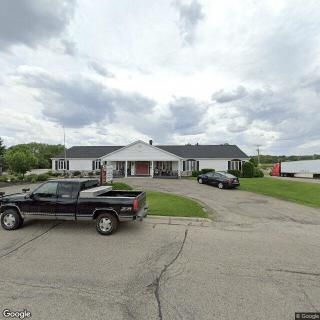
Sun Valley
$2,000 to $2,500 / month3.8 miles away -
from +$240 / mo
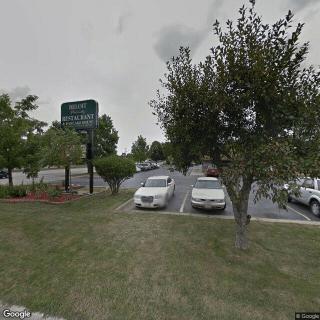
Sun Valley Terrace
$2,500 to $3,500 / month0.5 miles away -
from +$240 / mo
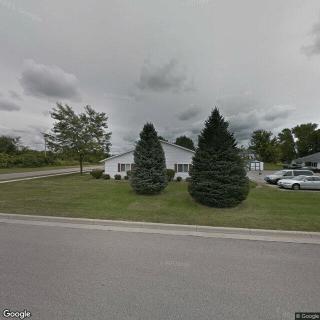
Sun Valley East
$2,500 / month0.8 miles away
Overall Review of Azura Memory Care Beloit 8
Pros
 Azura provides gentle, loving care with dignity and respect.
- The caregivers at Azura are extraordinary.
- Azura has top-notch staff who treat residents like family.
- Azura arranges outings that bring joy to residents.
- The care at Azura is top-notch, tender, and homey.
- Amelia at Azura goes above and beyond for residents and families.
- Azura feels like family to residents and their loved ones.
- The Azura team creates an atmosphere of love, respect, and joy.
- The Azura staff provide a home-away-from-home experience, dignified and peaceful.
Review
This community is best suited for families seeking a memory-care–focused environment that feels like a home rather than a clinic. It excels for loved ones dealing with dementia or cognitive decline who benefit from gentle, respectful, and highly personalized care in a setting that emphasizes emotional connection and continuity. The staff’s stability and hands-on involvement produce a sense of safety and dignity, especially for end-of-life care when comfort and familiar routines matter most. For families prioritizing a “home away from home” atmosphere where caregivers know residents by name and treat them like family, this Beloit community is a standout choice.
Those who may want to consider alternatives are families whose loved one does not yet require memory-care services or who need broader clinical oversight beyond dementia-specific support. If medical acuity outside dementia care, skilled nursing, or intensive rehab is a central need, other facilities with a more medicalized focus may be a better fit. Similarly, if the goal is a facility with a less intimate, more institutional feel or a setting geared toward shorter stays and more robust on-site medical programming, explore other options in Beloit and the surrounding area.
The strongest positives revolve around the caregiving culture. The staff are described as extraordinary, consistently treating residents with love, respect, and genuine warmth. The environment is described as clean and homey, where staff are retained over many years and families feel deeply connected to the team. Residents benefit from creative engagement, music, live entertainment, celebrations, outings, and meaningful gatherings, that keep life meaningful and joyful. Family members repeatedly note that caregivers go above and beyond, often forming lifelong bonds and even participating in the daily rhythms of family life through visits and shared memories.
The primary consideration for families is the memory-care focus itself. This is not a generic assisted-living footprint; it is a specialized setting designed to meet the needs of dementia and related cognitive challenges. That emphasis can be a limitation for those who require broader medical care, rehab, or non-memory-care programming. Yet the reviews consistently show that the pros, deep dementia expertise, mood-reading capabilities, individualized attention, and a genuine sense of “home”, largely offset these limits. When a resident’s needs align with memory-care strengths, the care can be deeply reassuring for families seeking dignity, patience, and continuity.
Pros offset cons through proven, tangible outcomes: residents often remain in a loving, stable, family-like atmosphere for years, with caregivers who know their preferences, histories, and little rituals that matter. The end-of-life experience is described as peaceful and dignified, with staff who mourn losses alongside families. Outings and activities, sometimes arranged with personal meaning (such as lake outings for a boat-loving resident), demonstrate the facility’s commitment to quality of life. The collective testimonials paint a picture of a place where the care team becomes an extended family, providing reassurance that a loved one will be cared for as if they were their own.
For families evaluating options, a practical plan is essential. Begin with a clear picture of memory-care needs and confirm that the facility can sustain the required level of cognitive-support, supervision, and safety. Request conversations with front-line caregivers about daily routines, smell, sound, and ritual that shape the resident’s day, and probe the pace and breadth of activities. Inquire about caregiver-to-resident ratios, consistency of staffing, and the process for end-of-life planning and family communication. If possible, meet staff members like the unparalleled Amelia and the broader team, their willingness to go the extra mile often signals the deepest compatibility with a loved one’s needs. For families certain that dementia care is the path, Azura Memory Care Beloit stands out as a top-tier choice that delivers both tenderness and competence in equal measure.
 8 resident community capacity
 Assisted Living
 Board and Care Home
 Memory Care
 Cable or satellite TV
 Dining room
 Fully furnished
 Garden
 Housekeeping services
 Move-in coordination
 Outdoor space
 Telephone
 Wi-Fi/high-speed internet available
 24-hour supervision
 Activities of daily living assistance
 Assistance with bathing
 Assistance with dressing
 Assistance with transfers
 Diabetes diet
 Hospice waiver
 Meal preparation and service
 Medication management
 Mental wellness program
 Special dietary restrictions
 Transportation arrangement (medical)
 Transportation to doctors appointments


 Assisted Living and Memory Care: Understanding Their Core Differences
 Choosing the Right Senior Care: A Detailed Exploration of Assisted Living and Nursing Homes
 Safeguarding Your Memory Through the Golden Years: Eight Ways to Preserve Cognitive Health