

508 E Monroe Ave, Barron, WI 54812
To contact a resident: (715) 637-6403
For more information about senior living options: (866) 208-4318
Overall Review of New Manor Upstairs Dining Room
Pros
 The facility is described as the best.
- Residents feel like they’re living in a luxury condo, not an assisted living home.
- Monroe Manor is a very nice place.
- The facility is clean and modern with decent-sized rooms.
- The kitchen is the shining point of Monroe Manor.
- The staff are friendly, kind, efficient, and safety-conscious, and residents look happy and content.
- There are plenty of activities and amenities, including coffee on and a van for uptown transportation.
- The director is kind and puts families at ease.
Cons
 The facility has long wait times, with residents waiting 30+ minutes for assistance.
- The process of bringing a bed into the room for a dying resident is described as a nightmare.
- The food is terrible, and some days residents would rather not eat than eat what is offered.
- The place is far from the best place to live and work, described as the worst the reviewer has seen.
- The CEO has destroyed the community by cutting funds and skimping on every service.
- The memory care unit is substandard, with deplorable room conditions.
Review
New Manor Upstairs Dining Room in Barron, WI is best suited for families seeking a small, intimate assisted-living environment where caregivers know residents by name, routines feel steady, and the location offers convenient access to Barron’s amenities. It appeals to those who want a warm, home-like atmosphere with a safety-conscious staff and a kitchen that can be a reliable bright spot. This community works best for residents who do not require constant, high-speed assistance but still want attentive hands-on care and predictable daily living. It is not recommended for families prioritizing rapid response times, extensive memory-care support, or a consistently upscale dining and service experience.
Those who may want to consider alternatives are families focusing on transparent leadership, sustained administrative stability, and consistently high operation standards. Several reviews point to management concerns, including budget cuts affecting activities, kitchen, and housekeeping, and even disciplinary tensions that ripple through the front-line team. Memory care needs are highlighted as an area of concern, with some reviewers describing that unit as substandard. For families seeking clear, measurable accountability from leadership, or straightforward access to recent survey results and performance data, another community may be a better fit.
On the upside, the strongest positives center on people and the feel of the place. Front-line staff are repeatedly praised for being friendly, cautious about safety, and capable of building trust with residents and families. The director is described as kind and reassuring, helping families breathe easier during transitions and health events. The community’s intimate size is cited as a genuine advantage: staff and residents can form meaningful relationships, activities are present, and the setting lends itself to natural social interaction. There is also practical value in the location and in-house amenities, a dining room that functions as a social hub, the proximity to downtown Barron, a transportation van, and accessible common spaces that accommodate visits and family involvement. When the kitchen earns praise, it stands out as a tangible strength that can offset some day-to-day quirks and gaps.
Yet the main cons cast a long shadow over the positives. Delays in getting assistance, reported at thirty minutes or more, are not acceptable for residents with urgent needs and for families watching a loved one’s comfort. Instances of management controversy, including budget cuts and staff turnover, raise questions about long-term reliability and consistency in caregiving quality. Food quality is a mixed bag, with sharp contrasts between days that feel routine and days that fall short of expectation, undermining nutrition and appetite for residents who rely on the kitchen for meals and a sense of normalcy. The memory-care offering, when evaluated, appears underdeveloped, and the overall impression of operational oversight leaves some families feeling uncertain about whether the community can sustain improvements. A few first-hand accounts describe unprofessional interactions and gaps in transparency, including reluctance to share survey results or to provide clear visibility into performance metrics.
In practical terms, families evaluating New Manor should enter with a clear checklist and a plan for verification. Ask to observe response times during a planned visit, ideally at different hours, and request concrete examples of how staff triage needs. Request the most recent activity schedule, and verify availability of meaningful daily programming that aligns with the resident’s interests. Sample menus and a candid discussion about dietary accommodations help surface whether meals can meet nutrition and preference needs on an ongoing basis. Probe the memory-care area directly: what specialized staff, training, and safety features exist, and how often the unit is evaluated for quality and dignity of living. Finally, press for transparency: ask for recent survey results, action plans, and accountability measures from leadership, and consider visiting multiple times to gauge consistency.
Bottom line: this community is not a top choice for families whose priority is guaranteed rapid response, a flawless dining experience, or robust dementia-care infrastructure. It remains a practical option for those who value a small, neighborly environment where staff appear caring, familiar, and accessible, and where a kitchen can still be a reliable asset. The decision hinges on what matters most: if intimate relationships and a watchful, engaged staff carry the day, New Manor can deliver a genuine sense of safety and belonging. If, however, steady administrative leadership, demonstrable accountability, consistent high-quality meals, and strong memory-care capabilities are non-negotiables, it is prudent to broaden the field and compare with communities that show more consistent performance in those domains, such as Monroe Manor, which comes up more favorably in terms of overall atmosphere, maintenance of facilities, and steady programming. In any case, a deliberate, data-driven tour that includes conversations with current residents and their families will illuminate whether this specific community can reliably meet the expectations and care needs of a loved one.
 1-bedroom apartments
 Board and Care Home
 Beautician on-site
 Dining room
 Garden
 Housekeeping services
 Kitchenette
 Laundry
 Overnight guests
 Party space
 Respite or short term stays offered
 Medication management
 Physical therapy
 Religious services
 English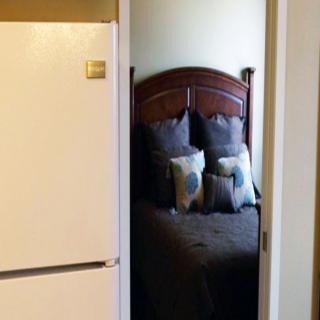






 Seniors and Modern Transportation: Exploring Uber, Lyft, and Other Ride-Hailing Options
 Comprehensive Guide to Qualifying for Home Health Care Services
 Powerful Realities of Elder Abuse and the Most Effective Ways to Report It