
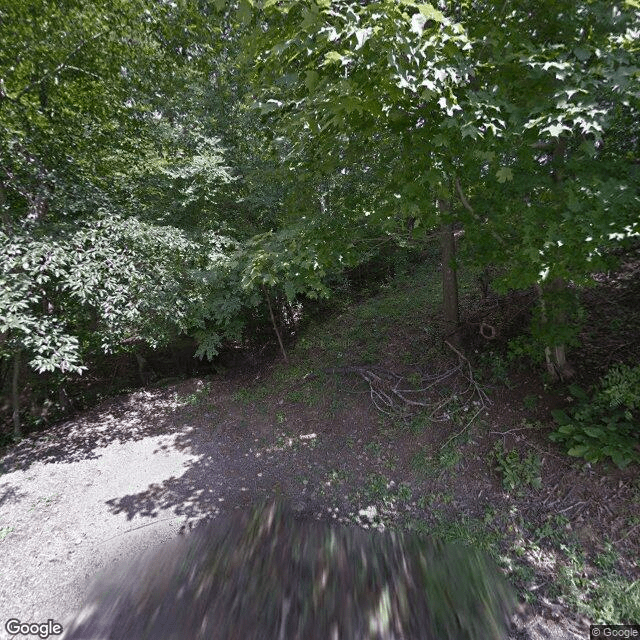
Rt 3 Box 254, Grafton, WV 26354
To contact a resident: (304) 265-4500
For more information about senior living options: (866) 208-4318
Home Away From Home Assisted Living Center Costs & Pricing
Home Away From Home Assisted Living Center offers competitive pricing for its residents compared to both Taylor County and the broader state of West Virginia. Monthly costs for a semi-private room at this facility are set at $3,000, which not only provides residents with an affordable option but also places it significantly lower than the county average of $3,451 and the state average of $3,683. For those seeking a one-bedroom accommodation, the cost is positioned at $6,000; while this is higher than the county average of $3,970 and state average of $4,017, it reflects the added space and privacy that such units offer. Overall, Home Away From Home Assisted Living Center presents a compelling choice for families considering quality care without overwhelming financial burden.
| Floor plans | Home Away From Home Assisted Living Center | Taylor County | West Virginia |
|---|---|---|---|
| Semi-Private | $3,000 | $3,451 | $3,683 |
| 1 Bedroom | $6,000 | $3,970 | $4,017 |
Memory care communities with a similar price nearby
-
from -$500 / mo
Beulahland Assisted Living
$2,500 to $3,500 / month3.6 miles away -
from -$200 / mo
Harmony at Morgantown
$2,800 to $3,700 / month21.9 miles away
Overall Review of Home Away From Home Assisted Living Center
Pros
 The Thanksgiving dinner organized by Home Away From Home was a success.
- The uncle is doing really well there, staying active and enjoying the activities.
- The menu is appealing, and the staff are attentive, providing the care he needs.
- The community is recommended to others for its value and care offered.
- The staff are doing fabulous in dementia care and help prevent wandering.
Review
Home Away From Home Assisted Living Center in Grafton, West Virginia, is best suited for seniors who want a warm, neighborly setting where daily life centers on activity, companionship, and attentive support. The community appeals to families seeking solid value without sacrificing essential care, especially for residents who may be navigating early-stage memory challenges. The emphasis on engagement, from organized activities to communal meals, makes it a good fit for residents who still enjoy an active social calendar. Those who require robust medical oversight, frequent skilled nursing, or tightly structured transitions to hospital-level services should consider alternatives. For a person who prioritizes approachable staff and a home-like rhythm, this community checks the right boxes.
Families report that staff are attentive and responsive, with care that feels personalized. The same feedback highlights a menu that is appealing and meals that resonate with residents’ tastes, reinforcing comfort and routine. Thanksgiving dinners and other events are not merely ceremonial; they demonstrate a capacity to coordinate meaningful moments that foster belonging. The narratives about a relative who stays active and engaged underscore the prevailing theme: companionship and purposeful days matter here. For memory-care needs, the facility’s approach to dementia care, including proactive measures to manage wandering, offers tangible reassurance that safety and daily structure are prioritized.
Yet the reviews reveal some gaps that prospective residents should weigh. The pool of opinions is small, and there is limited detail about staffing ratios, medical oversight, or the breadth of on-site professionals beyond caregivers. No clear disclosure exists about pricing, optional services, or how care plans scale with rising needs, which matters for families planning long-term budgets. The rural setting in Grafton can be a pro or a con, depending on transportation needs and proximity to hospitals or specialists. While families tout value, the absence of transparent acuity metrics means potential residents must verify whether the level of care aligns with current requirements.
Still, the strengths address the common concerns that accompany assisted living decisions. The demonstrated ability to keep a resident active reduces risks associated with boredom and isolation, and the dementia-management approach lowers wandering risk, a principal fear for families. Attentive staff and a vibrant activity calendar translate into fewer days spent waiting for cues to participate and more days of meaningful engagement. Pleasing, well-prepared meals support nutritional goals and overall well-being, contributing to a sense of normalcy. When combined, these positives help offset uncertainties around medical oversight and price transparency, creating a practical, livable option for many seniors who value daily purpose.
This community will appeal most to families who want an approachable, tight-knit atmosphere with visible staff presence and a proven emphasis on social life and memory-friendly routines. Alternatives should be considered for residents needing high-acuity medical care, round-the-clock nursing, aggressive therapy regimens, or formalized memory-care programs with specialized staff and equipment. Price transparency and a longer track record of clinical outcomes would also influence the decision for price-sensitive buyers. In short, it fits a niche where companionship and value carry the day, while more specialized settings may be necessary for residents with advanced medical or therapeutic needs.
Decision-makers should prioritize a visit to observe staff interactions, sample a meal, and evaluate how the daily schedule aligns with the resident’s preferences. Prospective residents should request concrete care-plans, ask about on-site pharmacy or nursing capabilities, and confirm transportation options. For those drawn to a warm, engaged environment with strong dementia support and a demonstrated sense of community, Home Away From Home offers a compelling mix of safety, engagement, and value. The bottom line is clear: for suitable seniors and families, this community delivers a practical, trustworthy option that emphasizes daily life well lived, while readiness for higher levels of care should guide consideration of alternatives.
 Assisted Living
 Memory Care
 Activities on-site
 Air-conditioning
 Beautician on-site
 Cable or satellite TV
 Devotional services off-site
 Ground floor units
 Handicap accessible
 Indoor common areas
 Respite or short term stays offered
 Wheelchair accessible showers
 Wi-Fi/high-speed internet available
 Diabetic care
 High acuity care
 Incontinence care
 Medication management
 Anytime dining
 Art classes
 Bible study group
 Educational speakers / life long learning
 Karaoke
 Live musical performances
 Live well programs
 Guiding Your Journey: Understanding Power of Attorney for Elderly Parents
 22 Remarkable Caregiver Support Groups Available Online and In-Person
 Understanding Medicaid Coverage for Assisted Living: A Comprehensive Guide