

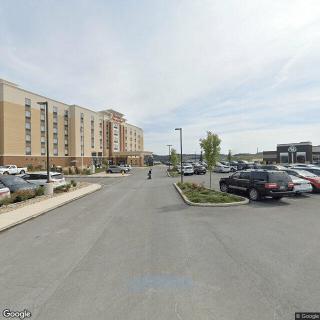
3205 Husky Highway, Farmington, WV 26571
For more information about senior living options: (866) 208-4318
Overall Review of John Manchin Sr Assisted Living
Cons
 The facility is poorly run.
- Lisa had a real attitude and claimed she didn’t know where the alarm and bed rail were.
- Lisa acted like it was a bother because of the late arrival.
- Lisa said she should have been home an hour ago.
- Lisa was very rude and did not welcome or acknowledge the mother.
- The day was made worse by dealing with Lisa.
- Lisa is cold and heartless and is in the wrong field.
- The staff lied to the doctor about checking on the mother every hour.
- The staff did not come in at all to check her.
- The facility is poorly run by management.
Review
John Manchin Sr Assisted Living in Farmington, WV is best suited for seniors who can largely manage day-to-day needs on their own and for families who are prepared to stay deeply involved to oversee care and advocate aggressively when issues arise. This community is not a good fit for residents who require consistent, proactive assistance, steady attentiveness, and respectful, reliable communication from staff. For those priorities, alternatives with demonstrable staffing reliability and a culture of responsive resident care should be seriously considered.
The strongest takeaway from the documented experience is a pattern of operational dysfunction and poor interpersonal conduct that directly affects resident safety and dignity. The family arrived with a request for essential safety equipment, a bed rail and a bed alarm, prompted by a recent hip fracture, only to encounter a staff member who reacted with attitude and claimed unfamiliarity with the request. The impression is of a frontline team that is not aligned with basic expectations of empathetic service, welcome, or timely problem-solving. The encounter set a tone for the day that the reviewer describes as “cold and heartless,” and it extended beyond a single personality clash to a broader sense of mismanagement.
Compounding the interpersonal concerns are concrete, credibility-shaking misses in daily care. The facility was expected to perform hourly checks, a standard that the reviewer contends did not occur, with a caregiver allegedly falsifying records to a physician about those checks. The resident remained under observation for a ten-hour period yet did not receive documented oversight, while the reviewer stayed by the resident’s side, effectively assuming the role of primary advocate. This combination, unreliable staffing, perceived deception, and a lack of documented accountability, undermines trust in the facility’s core promise: to safeguard residents through attentive monitoring and transparent communication with families and medical professionals.
In practical terms, the absence of reported strengths in this account means the cons saturate the decision-making landscape. There is no clear evidence of effective care planning, proactive problem-solving, or staff accountability that could counterbalance the negative impressions. The result is a profile where safety vulnerabilities feel plausible rather than theoretical, and where courtesy and responsiveness are not reliably demonstrated. For families weighing options, this translates into a risk calculus dominated by potential care gaps, especially for residents who cannot always self-advocate or who rely on staff to recognize and respond to changing needs without delay.
From a safety and accountability perspective, several red flags warrant immediate, rigorous due diligence before any move-in decision. Prospective residents and families should demand current, verifiable staffing metrics: caregiver-to-resident ratios by shift, actual hourly check logs, and a clear incident-reporting workflow. Request to see the latest care plans, medication administration records, and emergency response procedures. Speak with the administrator and the director of nursing about how complaints are tracked and resolved, and ask for recent state inspection reports or citations. If possible, arrange unannounced visits to observe interactions between staff and residents, paying close attention to warmth, responsiveness, and the consistency of the daily routine. These steps help separate what can be controlled from what must be avoided.
Guidance for families facing this decision centers on due diligence and comparators. First, perform a candid comparison with nearby options that excel in engagement, timely assistance, and transparent communication. Seek facilities with demonstrable staffing stability, ongoing staff training, and an established culture of courtesy toward residents and families. Second, insist on a concrete transition plan if a move is contemplated: a staged introduction, a written care plan updated within days, and a guaranteed point of contact for urgent concerns. Third, verify outcome-focused metrics: fall prevention programs, response times for alarm calls, and guaranteed nurse availability for daily rounds. Finally, gather input from other families and current residents, if possible, to better gauge the consistency of day-to-day experiences beyond one review.
In sum, John Manchin Sr Assisted Living presents a decision risk profile that is difficult to justify for most families. The documented experience centers on disrespectful interactions, missing safety equipment, questionable adherence to hourly checks, and alleged miscommunication with medical staff. The lack of observable strengths leaves little to offset these substantial concerns. Unless a family is prepared to provide rigorous oversight, actively demand accountability, and accept the possibility of substantial care gaps, alternatives with proven track records in staffing reliability and resident-centered care should be the default choice. The prudent course is to treat this community as a last-resort option, to be pursued only after thorough comparison with higher-rated peers and only with a clearly defined plan for ensuring resident safety, dignity, and continuous, trustworthy communication.
 32 resident community capacity
 Assisted Living
 Activities on-site
 Beauty salon
 Cable or satellite TV
 Devotional services off-site
 Dining room
 Fully furnished
 Garden
 Housekeeping services
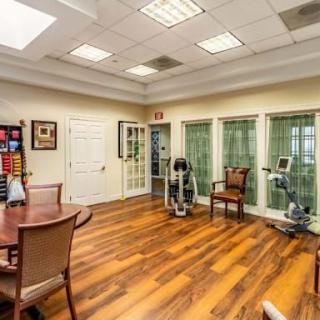
 Indoor common areas
 Kitchenette
 Move-in coordination
 Outdoor space
 Telephone
 Wi-Fi/high-speed internet available
 24-hour call system
 Ambulatory care
 Assistance with bathing
 Assistance with dressing
 Assistance with transfers
 Diabetes diet
 Diabetic care
 Meal preparation and service
 Medication management
 Mental wellness program
 Special dietary restrictions
 Transportation arrangement (medical)
 Transportation to doctors appointments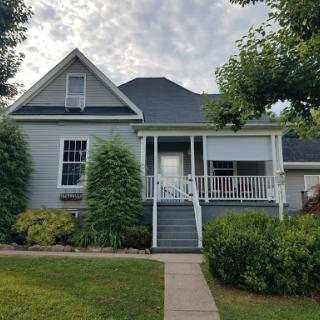
 Intimate 17-bed board-and-care with personalized ADL support and diabetes-friendly dining.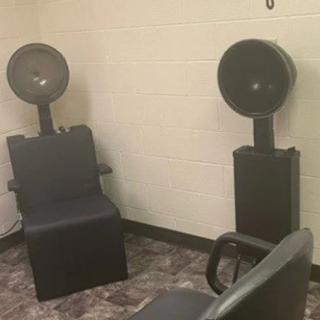



 Funding and Affording Assisted Living: A Thorough Overview
 Assisted Living Expenses and Long-Term Care Insurance: A Comprehensive Exploration
 Securing Financial Support for Assisted Living: A Comprehensive Overview