

1802 S. Jackson Ave., Tacoma, WA 98465
To contact a resident: (253) 566-6585
For more information about senior living options: (866) 208-4318
Island View AFH Costs & Pricing
Island View AFH offers competitive pricing for its residential care services, with monthly costs that are more economical than the surrounding Pierce County and broader Washington state averages. For a semi-private room, residents can expect to pay $3,500 per month, significantly lower than the county's average of $4,264 and the state average of $4,267. In terms of private accommodations, Island View AFH charges $4,500 monthly, which again is more affordable compared to Pierce County's average of $4,623 and Washington state's average of $4,772. This pricing structure positions Island View AFH as a cost-effective option for families seeking quality care without compromising on the comfort and well-being of their loved ones.
| Floor plans | Island View AFH | Pierce County | Washington |
|---|---|---|---|
| Semi-Private | $3,500 | $4,264 | $4,272 |
| Private | $4,500 | $4,623 | $4,774 |
Senior living communities with a similar price nearby
-
from +$500 / mo
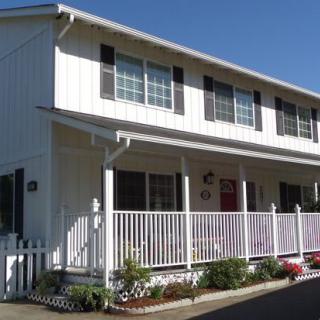
Meadow Crest Senior Home
$4,000 to $6,000 / month24.7 miles away -
from -$500 / mo

Hummingbird Homecare
$3,000 / month13.9 miles away -
from +$500 / mo

Riverton Home Care
$4,000 to $5,000 / month19.8 miles away -
from +$500 / mo

Canterwoods Estate AFH
$4,000 to $5,500 / month21.8 miles away -
from -$500 / mo
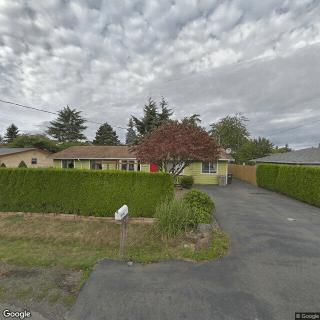
Home Care in Kent Inc.
$3,000 to $3,500 / month18.3 miles away
Overall Review of Island View AFH
Pros
 Ronald and Agnes provide great care for residents at Island View.
- The staff provide excellent care for residents.
- The community is clean and well-maintained.
- The menu offers appealing variety.
- There are activities for residents to participate in.
- Private rooms are available and memory care is provided.
Cons
 They found it difficult to communicate with the caregivers who answered the phone.
Review
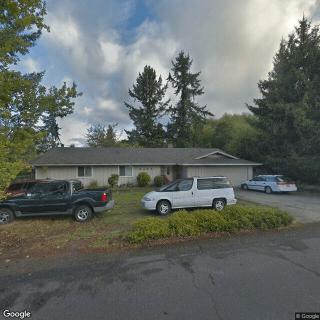
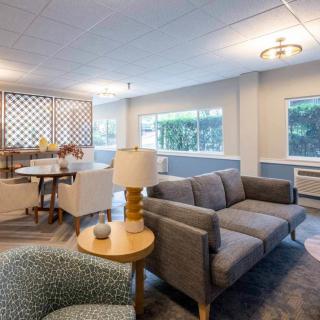
Island View AFH in Tacoma best serves families seeking an intimate, memory-care–oriented option where private rooms are standard and the care staff delivers steady, attentive support. The setting feels practical and lived-in in the right ways: clean, well-maintained spaces, a menu with genuine variety, and activities that provide structure without overwhelming residents. The strongest signal comes from staff who know families by name and deliver dependable daily support, a factor that matters enormously for loved ones who require consistent hands-on care. For memory care, the design and routine-focused approach translate into safer, more predictable days for residents and less strain for relatives. This is not a flashy campus, but it earns trust through reliable, everyday care.
Who should consider alternatives? Families that prize effortless administrative communication or a broader, more vigorous activity calendar may want to look elsewhere. Reviewers note difficulty reaching caregivers by phone, a friction point that can matter in times of need or when coordinating services. Those needing higher staff-to-resident ratios, more extensive medical oversight, or a larger campus with more social options may find Island View limiting. Financially, the six-month private-pay period before Medi-Cal coverage can be a constraint for budgets that require quicker Medicaid access. In short, a bigger, more communication-focused setting or one with faster Medicaid entry may suit some households better.
On the upside, the core strengths reinforce why this community can be a sound choice. Private rooms offer privacy and lifestyle flexibility, with a base rate around $3,000 per month that remains competitive for the Tacoma area. Cleanliness and steady maintenance reduce daily stress for residents and families alike. The memory-care orientation is practical, with routines that support residents and staff prepared for memory challenges. A varied menu and accessible activities promote engagement, while praise for individual caregivers, such as Ronald and Agnes, demonstrates the level of personal attention families can expect. Taken together, these factors create real value when a resident thrives on consistent, hands-on care.
These advantages help offset the few drawbacks. The private-room option aligns with many families’ goals for dignity and personal space, and the price point supports ongoing budgeting. The memory-care framework matters in daily life, not just on paper, and families repeatedly note that staff attend to residents, meals are well managed, and activities offer meaningful engagement. The two 3-star reviews highlight opportunities to improve communication pathways and responsiveness, especially around phone access. While not flawless, the overall care quality remains credible, and the combination of staff devotion and a clean, orderly environment makes Island View a reasonable match for households prioritizing reliability over breadth of services.
Practical next steps are straightforward. Appoint a dedicated care coordinator and secure direct lines beyond a general number. Obtain a clear care plan for memory-care routines, safety checks, and daily activities, plus a transparent timeline for the six-month private-pay period and the Medi-Cal transition. Tour during peak hours to observe mealtime flow and resident engagement, and ask how staff communicate updates to families. Prepare a budget and care-needs checklist for side-by-side comparisons with larger facilities that offer broader activity calendars and quicker Medicaid entry. With a structured approach, Island View’s strengths become a clear, workable option rather than a guess.
Bottom line: Island View AFH is a practical, dependable choice for families who value warmth, clean surroundings, and staff who show up consistently, especially in memory-care settings. The private rooms and reasonable price point support ongoing budgeting, while commendations for caregivers, notably Ronald and Agnes, deliver real comfort. However, for those needing flawless administrative responsiveness, a more expansive activity program, or faster Medicaid access, alternatives should be explored. The decision hinges on balancing the comfort of steady, attentive care with the desire for easier phone communication and broader services. Island View fits well for a family prioritizing reliability and a personal touch.
 Board and Care Home
 Dogs allowed
 Activities on-site
 Indoor common areas
 Outdoor common areas
 Private
 Wheelchair accessible showers
 Seattle-Tacoma International (18 miles away)
 Ambulatory care
 Diabetic care
 High acuity care
 Incontinence care
 Medication management
 Kosher
 Comprehensive Look at Senior Blood Pressure Charts: Normal and Elevated Levels by Age
 Top Canine Companions for Older Adults
 Comprehensive Guide to Blood Pressure Charts for Older Adults: Understanding Normal and High Readings by Age