
801 Alder Street, South Bend, WA 98586
For more information about senior living options: (866) 208-4318
Overall Review of Alder House
Pros
 The cleanliness was good.
- It has a nice location on a hill, close to the medical clinic and hospital.
- It offers a few activities.
- It has a friendly staff.
- It is a very nice place.
Cons
 The facility was very expensive.
- The rooms were about half the size of other places.
- There was frequent staff turnover.
- The staff were not as professional or cordial as at the other facility.
- The admission process was not easy and felt somewhat argumentative.
Review
Alder House in South Bend is best suited for seniors who need reliable access to medical care and convenient transportation, and who can tolerate a premium for these benefits along with smaller living spaces. The hillside setting and proximity to a medical clinic and the hospital create practical advantages for ongoing appointments and quick trips, making it a sensible fit for residents with frequent clinical needs or families seeking dependable medical access. Cleanliness is described as good, and a friendly, approachable staff presence can soften the transition for those prioritizing personal contact during relocation.
That said, this community is not for every family. Alternatives should be on the table for those who want larger resident rooms, steadier operations, and stronger overall value. Prospective buyers of Alder House should weigh facilities that offer more consistent staffing, less turnover, a fuller calendar of activities, and a better balance between cost and space. For residents who prize affordability, more elbow room, or a more uniformly run administration, other options are likely to deliver a more satisfying experience.
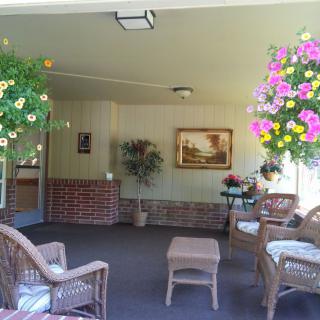
The clear positives here include upkeep and a practical location. Cleanliness ups the daily safety and comfort, an important baseline for ongoing care. The medical-access advantage, easy routes to the clinic and hospital, plus straightforward transportation, reduces the logistical burden of managing regular appointments or urgent visits. A staff presence that comes across as friendly in some encounters adds a human touch that can help with social integration and daily interactions. The setting itself contributes a quiet, residential atmosphere that avoids the feel of a crowded campus, and there are activities on the calendar, even if they are not described as robust or extensive.
The most compelling drawbacks center on space, cost, and staffing stability. Rooms are notably smaller, roughly half the size of peers, which compresses personalization, storage, and day-to-day comfort. The price tag attached to Alder House compounds the concern, making the smaller footprint harder to justify for families mindful of value. Staffing stability is another red flag; turnover and uneven levels of professionalism can translate into inconsistent care and service, occasionally generating friction during the admissions and transition phases. If the experience hinges on a smoothly coordinated team and predictable operations, Alder House may fall short.
Decision-makers should test fit against individual priorities. For residents with chronic medical needs or expected reliance on clinic visits, the location and cleanliness can justify the cost if the staff environment proves stable and responsive during actual stays. Before committing, request current staff assignments, arrange meetings with several team members, review a sample activity calendar, and compare total monthly costs to similar communities offering larger rooms and more predictable staffing. If a dynamic social program or generous living space is essential, actively explore alternatives that deliver those dimensions without sacrificing access to care.
In summary, Alder House serves as a practical option for medically engaged seniors who value proximity to healthcare, straightforward transportation, and a approachable staff presence, provided that smaller rooms and higher cost are acceptable trade-offs. For families prioritizing larger living areas, stronger cost efficiency, or more consistent staffing, alternatives deserve serious consideration. The verdict hinges on weighing the priority of rapid medical access and personal rapport against the competing demands of space and price, with a careful vetting of current staffing stability and program depth before proceeding.
 37 resident community capacity
 Assisted Living
 Respite Care
 Beauty salon
 Cable or satellite TV
 Dining room
 Fully furnished
 Garden
 Housekeeping services
 Kitchenette
 Move-in coordination
 Outdoor space
 Restaurant-style dining
 Small library
 Telephone
 Wi-Fi/high-speed internet available
 24-hour call system
 Activities of daily living assistance
 Assistance with bathing
 Assistance with dressing
 Assistance with transfers
 Diabetes diet
 Medication management
 Mental wellness program
 Special dietary restrictions

 A Detailed Exploration of Assisted Living Medicaid Waivers Across the United States
 Comprehensive Residential Support and Assisted Living Solutions for Individuals with Disabilities
 Comprehensive Supportive Living Arrangements for Adults with Disabilities