
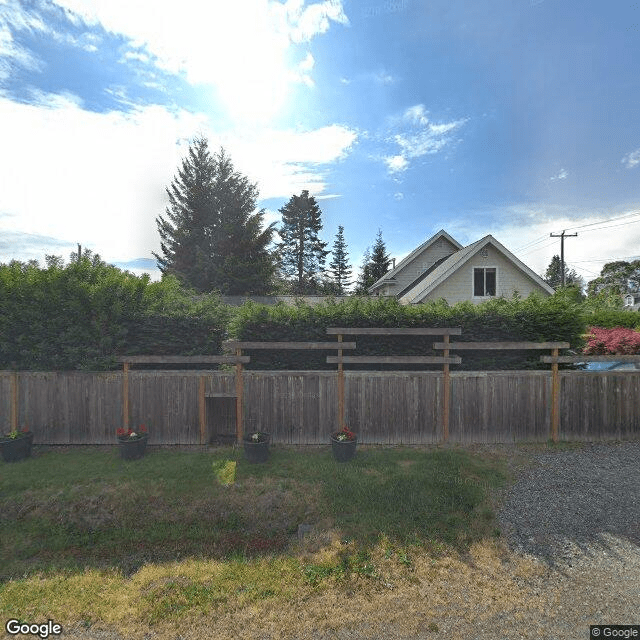
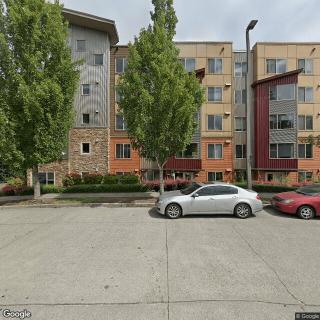
14613 12th Ave SW, Burien, WA 98166
To contact a resident: (206) 930-0716
For more information about senior living options: (866) 208-4318
Seahurst Park Senior Care Costs & Pricing
Seahurst Park Senior Care offers a private room at a competitive monthly rate of $5,000, which is slightly below the average for King County at $5,034 and notably higher than the statewide average of $4,772. This pricing positions Seahurst Park as a thoughtful choice for those seeking quality care in an inviting environment without straying far from regional cost norms. The facility's dedication to providing personalized senior care services may justify its pricing structure, offering residents not only a place to stay but also a community that prioritizes their well-being.
| Floor plans | Seahurst Park Senior Care | King County | Washington |
|---|---|---|---|
| Private | $5,000 | $5,034 | $4,774 |
Senior living communities with a similar price nearby
-
from +$750 / mo

Fieldstone Rolling Bay and Fieldstone Memory Care
$5,750 to $8,895 / month14.9 miles away -
from +$500 / mo

Twin Lake Adult Family Home
$5,500 to $6,500 / month11.6 miles away -
About the same
AA Residential Care
$5,000 / month20.6 miles away -
from +$500 / mo
Valley Vista Adult Family Home Inc
$5,500 to $6,200 / month18.2 miles away -
About the same
Peace and Pleasant Care Adult Family Home II
$5,000 to $6,000 / month6.9 miles away
Overall Review of Seahurst Park Senior Care
Pros
 It is a beautiful place to visit.
- It offers great views.
- It is described as the favorite park the reviewer has visited in Seattle so far.
- The forest air is noticeably fresher, and the beach is clean with no floating substances.
- The sound of the waves is especially beautiful.
- The bathrooms are cleaner and more comfortable than those at other beach parks.
- It is a great spot for picnics and barbecues with friends.
- It is a great park for families and couples.
- It offers a calm and peaceful shoreline walk with great weather and atmosphere.
Cons
 The park was overcrowded and not very nice.
- They found the gate hours ridiculous, blocking access to the beach.
- They cautioned that visitors definitely shouldn’t go in the water.
- The mini beach area felt crowded, with a small picnic space.
Review
Seahurst Park Senior Care in Burien is best suited for families and seniors who favor a small, home-like setting where care feels personal and deeply involved. This community works best for residents who thrive on predictable routines, intimate attention, and active family participation in daily care. The model described by these observations centers on a family-oriented atmosphere, where caregivers are closely connected to the household and end-of-life considerations are integrated into ongoing support. For a loved one who values quiet, low-stimulation surroundings, and a warm, domestic environment over a larger campus, this option offers a compelling match.
That said, some families will want to consider alternatives. The strongest caveat is the staffing footprint typical of a smaller, home-style operation: one caregiver for multiple residents with days off can translate into periods when brief coverage feels stretched. For seniors who require robust, around-the-clock nursing oversight, intensive programming, or highly structured social activities, a larger assisted living community or dedicated memory care setting will likely deliver more consistent supervision and a fuller calendar of engagement. In short, this is not the pick for those who equate care with constant, formal programming or advanced clinical staffing.
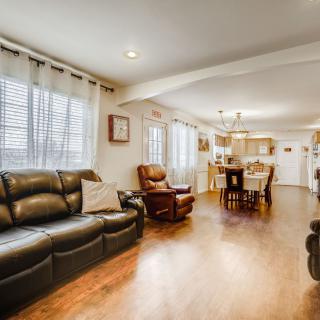
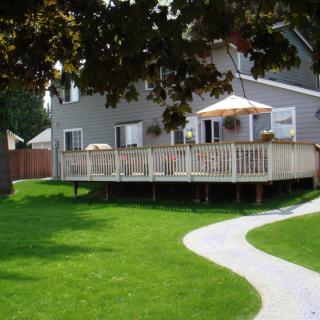
The principal advantages, cleanliness, a warm, family-friendly ethos, and the option for private or shared rooms with a bath, are meaningful compensations for what the setting lacks in scale. Residents benefit from a pristine, orderly home environment that emphasizes comfort and dignity, with a genuine openness to family involvement in daily life. The presence of a resident cat and a dog on the premises, along with a well-kept house and grounds, reinforces a lived-in, trusting atmosphere where caregivers know individual preferences and routines. When care needs are moderate and social demand is not frantic, these elements translate into meaningful daily quality of life.
However, the downsides cannot be dismissed. The most notable concerns revolve around staffing and social opportunities. The caregiver-to-resident ratio can constrain spontaneous activity or timely assistance, especially on days off or during busy periods. For seniors who value a rich social program, group outings, structured exercise, memory care activities, or frequent peer interaction, the absence of robust programming in a small home setting may be felt. The quieter, home-like pace is a strength for some, but it can feel limiting for others who expect a more dynamic community life or smoother coverage in medical or personal care tasks.
Location and setting play a helpful role in the decision. While the park-like, tranquil ambience surrounding Seahurst Park contributes to a sense of calm and well-being, this is most meaningful for a resident who can take advantage of nearby outdoor time or enjoys a gentle, contemplative daily rhythm. Families should assess how often a resident might benefit from outdoor exposure, pet-friendly environments, and the ability to receive visitors in a flexible, intimate space. For a senior requiring frequent medical visits or specialized therapies, confirm how those needs would be coordinated within this smaller framework.
In the end, Seahurst Park Senior Care is a practical fit for families seeking a small, intimate home for a loved one who prioritizes a family-centric care model, a clean and comfortable living space, and a quiet daily routine. It’s less suitable for those who require vigorous social programming, consistent 24/7 clinical staffing, or a highly structured activity schedule. Pros offset cons when the senior value aligns with a household approach: high cleanliness, personal attention, and meaningful family involvement can outweigh the limitations of staffing and programmatic breadth. For families leaning toward alternatives, focus on larger campuses with robust activity calendars and dedicated memory care or nursing support. Next steps are clear: tour with questions about staffing levels, daily schedules, and how end-of-life care is coordinated; probe the pet-and-noise policy if a sensitive senior is involved; and map a plan for daily routines, visitation, medical oversight, and emergency care to ensure alignment with the loved one’s goals and needs.
 Board and Care Home
 Cats allowed
 Dogs allowed
 Activities off-site
 Beautician on-site
 Devotional services off-site
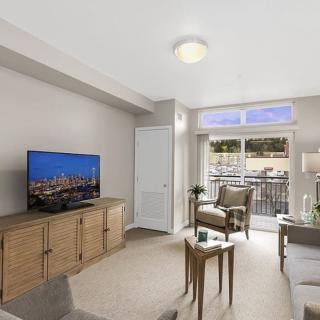
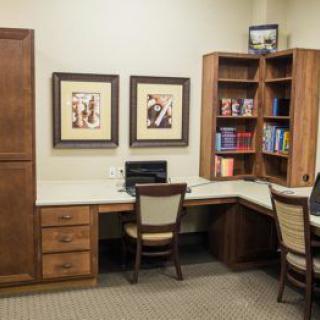
 Indoor common areas
 Outdoor common areas
 Private
 Respite or short term stays offered
 Wheelchair accessible showers
 Seattle-Tacoma International (2 miles away)
 High acuity care
 Kosher
 Christian services


 Comprehensive Insights and Practical Strategies to Help Older Adults Avoid Falls
 6 Crucial Ways an Elder Law Attorney Assists Families
 Navigating the Tax Landscape of Caregiving: Credits, Deductions, and Beyond