
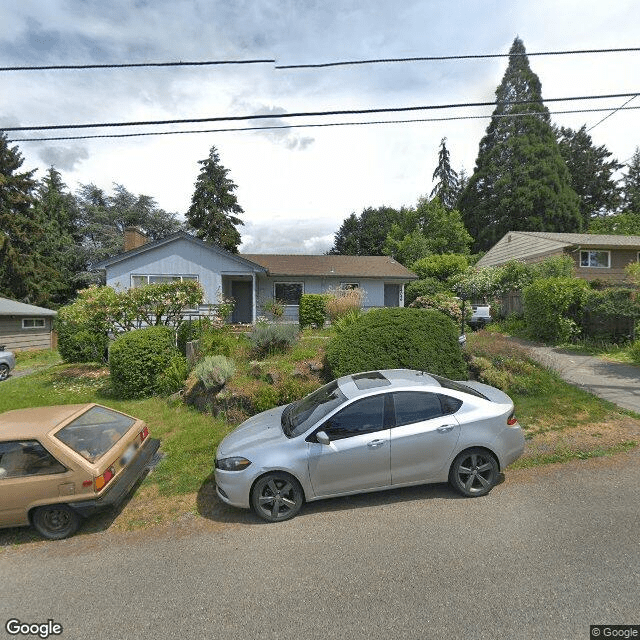
14046 5th Ave. S, Burien, WA 98168
To contact a resident: (206) 242-4456
For more information about senior living options: (866) 208-4318
Ivy House AFH Costs & Pricing
Ivy House Adult Family Home offers a compelling value when compared to the average costs of care in both King County and the state of Washington. For those seeking semi-private accommodations, Ivy House provides a monthly rate of $1,800, significantly lower than the county's average of $4,430 and the state average of $4,267. Similarly, its private room option is priced at $3,000 per month, which contrasts sharply with King County's average of $5,034 and Washington's statewide average of $4,772. This competitive pricing underscores Ivy House AFH's commitment to providing quality care while remaining economically accessible for families looking for supportive living arrangements.
| Floor plans | Ivy House AFH | King County | Washington |
|---|---|---|---|
| Semi-Private | $1,800 | $4,430 | $4,272 |
| Private | $3,000 | $5,034 | $4,774 |
Senior living communities with a similar price nearby
-
from -$300 / mo
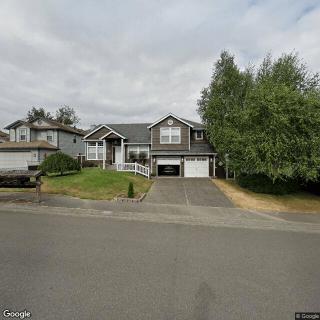
Adult Quality Care I
$1,500 / month11.8 miles away -
from -$290 / mo
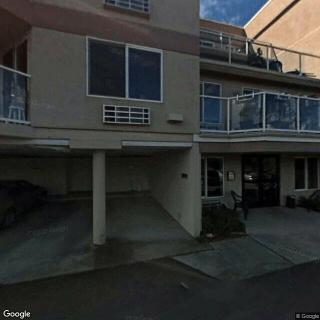
Boulevard Park Place Active Retirement Living
$1,510 to $1,900 / month1.8 miles away -
from -$100 / mo

Affinity at Puyallup
$1,700 to $3,195 / month23.3 miles away -
from +$270 / mo

Marvelle at Southcenter
$2,070 to $3,119 / month3.4 miles away -
from +$145 / mo
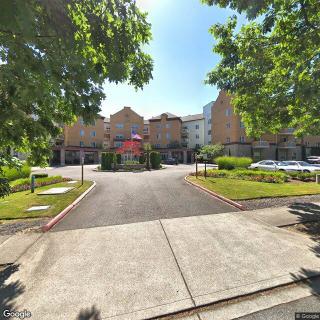
Chateau at Valley Center
$1,945 to $5,090 / month5.8 miles away
Overall Review of Ivy House AFH
Pros
 Blue Haven provides home-cooked meals and celebrates holidays and birthdays.
 - The proprietor stays in touch with residents' families.
- The home is always clean, and the staff feel like family.
- The care is compassionate and attentive.
- Blue Haven staff provides fantastic care for residents.
- Residents participate in daily activities and are not left in front of a TV.
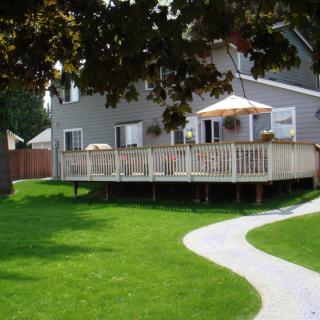
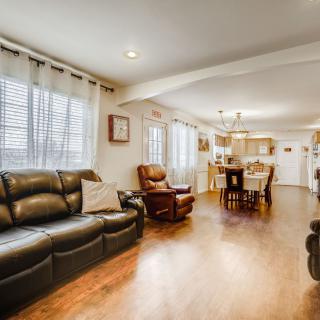
- The facility is exceptionally clean, bright, and cheery, with private bedrooms.
- Mariza and her staff genuinely care for their residents.
Cons
 No negative statements in the third-person voice were found in the reviews.
Review
Ivy House AFH in Burien is best suited for families seeking an intimate, home-like setting where a loved one can receive compassionate, personalized daily care, enjoy home-cooked meals, and participate in meaningful activities without the impersonal feel of a large facility. This model works best for seniors who value stability, close, caregiver-level relationships, and visible owner involvement. When the emphasis is on warmth, consistent housekeeping, and ongoing family communication, Ivy House stands out as a practical choice that can sustain dignity and daily quality of life in a smaller environment.
Those who may want to consider alternatives include families with residents who require advanced medical supervision, complex nursing needs, or specialized memory care with secure units. Large assisted living communities often provide a broader roster of on-site medical professionals, structured cognitive-care programs, and more extensive social calendars. If timelines for care escalation, 24/7 skilled nursing, or highly regimented clinical oversight are non-negotiable, exploring other options may be prudent. Similarly, if a resident’s preferences lean toward a wider array of on-site therapies and social experiences often available in bigger campuses, alternatives could be more fitting.
Pros reflected in well-regarded small-home environments, features that Ivy House would be wise to match, include consistently clean, bright interiors; a living arrangement that feels like family; attentive, patient caregiving; and meals that are home-cooked and thoughtfully prepared. Family involvement is not only welcomed but facilitated, with open lines of communication and timely updates about a loved one’s status. Residents often have private rooms but also easy access to shared social spaces, allowing dignity and privacy to coexist with community life. The presence and accessibility of the owner or administrator can translate into rapid problem-solving and a responsive care rhythm.
The main cons to weigh against these strengths center on scope and depth of medical care. A small AFH typically cannot substitute for a full-service medical team or a comprehensive memory-care program, and staffing patterns may shift with turnover or illness, subtly affecting day-to-day consistency. The breadth of programming in a single home may not rival that of larger campuses, potentially limiting specialty activities or on-site therapies. For families, the risk is choosing a setting that, while excellent in daily life and personal attention, falls short on medical complexity or crisis management.
The offset to these potential drawbacks lies in the very core strengths: intimate, hands-on caregiving coupled with clear, proactive communication. A stable, cohesive caregiving team can deliver predictable routines, minimize hospital trips through vigilant observation, and maintain a home-like mood that supports comfort and emotional well-being. When the owner is consistently present and responsive, problems are addressed swiftly, and families feel connected rather than distant. Cleanliness, orderly environments, and daily engagement in meals and activities further counterbalance any gaps in clinical depth by preserving safety, dignity, and meaningful purpose for residents.
For families weighing Ivy House AFH against the strong, exemplary traits seen in similar settings, the decision should hinge on a few concrete tests. Verify owner and administrator visibility, confirm caregiver-to-resident ratios, and probe for emergency procedures, hospital partnerships, and access to medical professionals. Request detailed schedules of activities, menus, and respite or trial-stay options to gauge whether the home can scale its offerings to meet changing needs. If the loved one’s care plan anticipates significant medical complexity or the need for secure memory care, keep alternatives in view, but if the goal is a warm, engaged, home-centered atmosphere with robust family communication, Ivy House offers a compelling fit. Proceed with tours, candid questions, and reference checks, and let the decision hinge on whether the setting promises daily life that feels both respected and genuinely cared for.
 Board and Care Home
 Private
 Seattle-Tacoma International (2 miles away)
 Diabetic care




 Encouraging Participation in Adult Day Care: A Guide to Supporting a Hesitant Parent
 Comprehensive Exploration of Living Wills and Other Advance Directives
 A Detailed Exploration of Living Wills and Advance Directives