

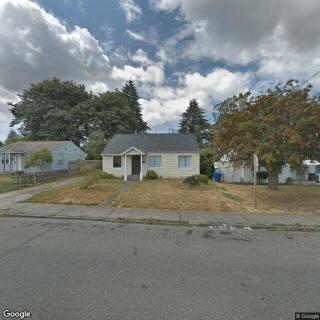
8539 S 114th St, Seattle, WA 98178
To contact a resident: (206) 556-8306
For more information about senior living options: (866) 208-4318
Great Leaf Home Care, LLC Costs & Pricing
Great Leaf Home Care, LLC offers competitive pricing in relation to both King County and the broader state of Washington. For semi-private accommodations, Great Leaf's monthly fee is $5,000, which surpasses the county average of $4,430 and the state average of $4,267. When it comes to private rooms, the cost at Great Leaf is $6,000 - again higher than King County's average of $5,034 and the state's average of $4,772. These figures suggest that while Great Leaf may carry a premium compared to local options, potential clients could be seeking specialized services or enhanced care that justify the investment.
| Floor plans | Great Leaf Home Care, LLC | King County | Washington |
|---|---|---|---|
| Semi-Private | $5,000 | $4,430 | $4,272 |
| Private | $6,000 | $5,034 | $4,774 |
Senior living communities with a similar price nearby
-
from +$750 / mo

Fieldstone Rolling Bay and Fieldstone Memory Care
$5,750 to $8,895 / month16.6 miles away -
from +$500 / mo

Twin Lake Adult Family Home
$5,500 to $6,500 / month14.2 miles away -
About the same
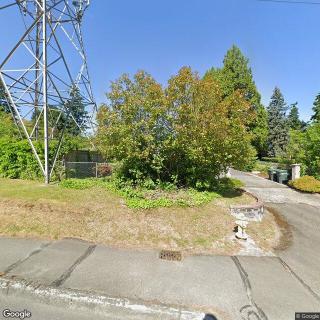
AA Residential Care
$5,000 / month17.9 miles away -
from +$500 / mo

Valley Vista Adult Family Home Inc
$5,500 to $6,200 / month14.6 miles away -
About the same
Peace and Pleasant Care Adult Family Home II
$5,000 to $6,000 / month6.9 miles away
Overall Review of Great Leaf Home Care, LLC
Pros
 Her experience at Great Leaf Home Care was great.
- The cleanliness and friendliness were great.
- The staff and care services were great.
- The staff is wonderful and loving.
- The grounds and home are spotless.
- There is lots of good food.
- The owners are very loving.
- She receives excellent care from a loving staff.
- It has been a wonderful experience for her and the family.
Review
Great Leaf Home Care in Seattle is best suited for seniors who prize a warm, intimate, home-like setting where personal attention, cheerful staff, and a social atmosphere define daily life. The reviews paint a picture of cleanliness, hospitality, and genuine care: spotless grounds and interiors, meals described as plentiful and good, and a staff culture that feels loving and attentive. This community excels for residents who want to be treated like family, with frequent friendly interactions, consistent smiles, and a sense of safety reinforced by a well-maintained home environment. It is particularly well-matched for someone who values companionship, a relaxed pace, and the comfort of a small, domestic setting over large-scale, institution-like care.
That said, there are clear reasons some families might consider alternatives. For individuals whose loved ones require more intensive clinical oversight, specialized medical programming, or highly structured memory-care services, this setting may not be the first choice. The strongest testimonials revolve around warmth, safety, and everyday quality of life rather than clinical depth, so prospective residents should verify that the level of medical support aligns with specific needs. One review notes a resident who wanted to remain in her own home, implying that this option is attractive for those who seek a homelike, less institutional feel; families prioritizing maximum independence or robust clinical services may want to compare other communities with more pronounced medical staffing and programmatic offerings.
The core advantages of Great Leaf Home Care, cleanliness, a welcoming staff, and a loving ownership team, offer a powerful offset to the inherent trade-offs of a small, residential care model. When staff are described as wonderful, the care as excellent, and the owners as genuinely loving, families gain reassurance that their loved ones will experience dependable daily support, respectful interaction, and a nurturing atmosphere. The consistently positive tone across multiple reviews reduces concern about neglect or neglectful routines, and it strengthens confidence in a setting where residents are not just tended to but genuinely engaged with. In practical terms, these strengths translate into predictable routines, reliable meal service, and social vitality that can greatly enhance comfort and morale.
The lived experience inside this community reinforces why the pros matter so much. Visitors repeatedly observe a social fabric where laughter is common, residents appear engaged, and the atmosphere remains bright and inclusive. The hospitality extends beyond care with tangible touches, tea offered during visits, timely snacks, and a view that contributes to a pleasant sense of place. Long-tenured care is implied by references to multi-year happiness in a loved one’s experience, which signals stability and continuity in daily caregiving. Such consistency matters when selecting a home-like setting, because it often translates into fewer staff turnover disruptions, more familiarity, and deeper trust between residents, families, and caregivers.
For families weighing the decision, the verdict is clear: this is a strong fit for seniors who want a nurturing, home-centered environment where warmth, cleanliness, and social life are prioritized, and where daily care is delivered with affection and attentiveness. It is less suitable for those who require intensive medical management, highly specialized memory-care programs, or very structured clinical services. To move forward with confidence, families should arrange a tour focused on caregiver-resident interactions, ask about staffing ratios and availability of medical support, and inquire about individualized care plans, daily schedules, and meal options. Confirm whether there are resources for rehabilitation services, medication administration, or other clinical needs, and assess alignment with the resident’s desired pace, independence level, and preferred living arrangement.
 Board and Care Home
 Activities on-site
 Bath tubs
 Devotional services off-site
 Indoor common areas
 Outdoor common areas
 Private
 Respite or short term stays offered
 Wheelchair accessible showers
 Seattle-Tacoma International (4 miles away)
 Diabetic care
 Incontinence care
 Medication management
 Gluten-free
 BBQs or picnics
 Birthday parties

 Compassionate Conversations: How to Comfort Someone Who Is Grieving
 Home Health Care Aides: Understanding Their Role and Supporting Your Family
 Urinary Tract Infections in Older Adults: Comprehensive Insights on Symptoms, Treatment, and Prevention