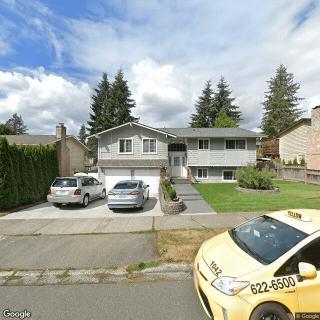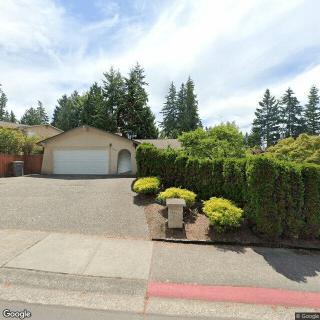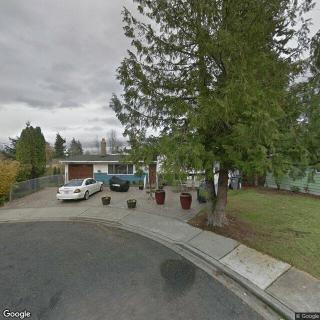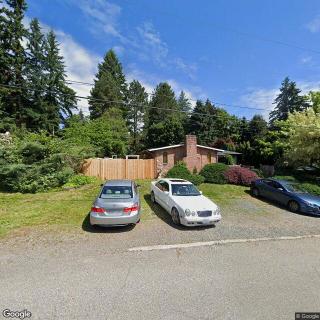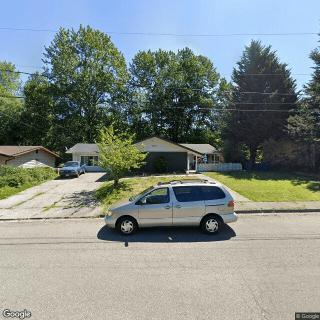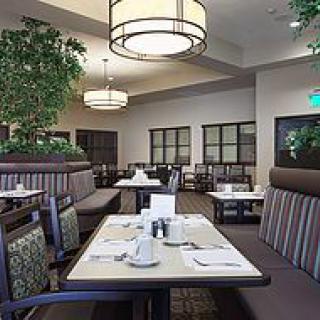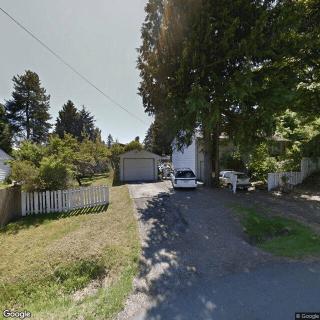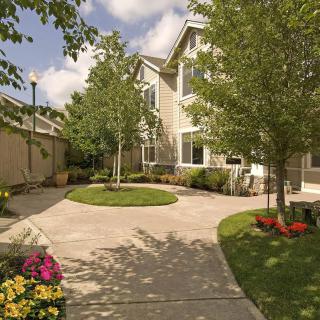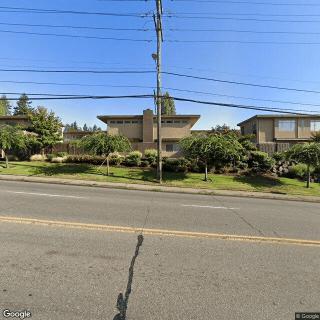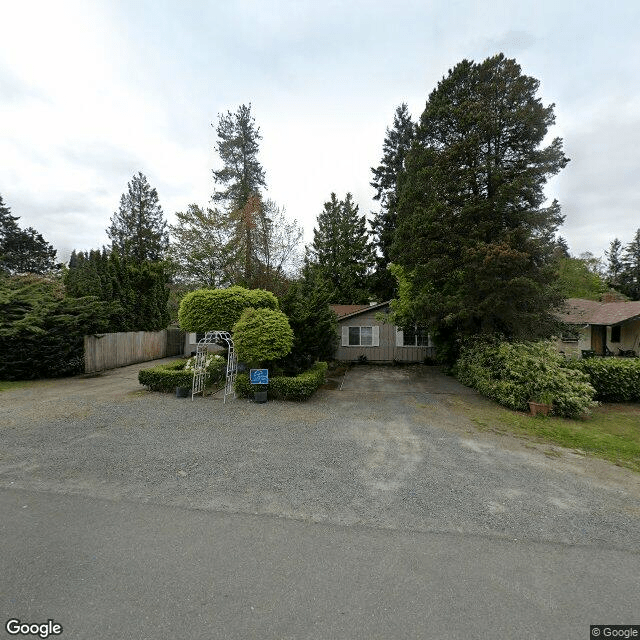
Alliance Care Family Home, INC in Seattle, WA

Save
Alliance Care Family Home,  INC

Alliance Care Family Home, INC in Seattle, WA

17217 11th Ave NE cell:206-853-4674, Seattle, WA 98155

For more information about senior living options: (844) 490-3973

4 from 2 reviews
Board and Care Home

Alliance Care Family Home, INC Costs & Pricing

Alliance Care Family Home, Inc offers a competitive monthly rate of $3,000 for private rooms, significantly lower than the average costs in both King County and the broader state of Washington. In King County, the average cost for similar accommodations hovers around $5,034 per month, while the statewide average stands at approximately $4,772. This makes Alliance Care an appealing option for families seeking quality care without compromising their budget. The cost difference underscores the value that Alliance Care provides in terms of affordability without sacrificing the level of service and comfort that residents deserve.

Floor plansAlliance Care Family Home, INCKing CountyWashington
Private$3,000$5,034$4,774

Overall Review of Alliance Care Family Home, INC

Pros

  • pro The environment is quiet, warm, and loving.
  • pro RN supervision is acute and accurate.
  • pro The caregivers are gentle, firm, and dedicated.
  • pro The food is good.

Cons

  • pro The facility has no space.
  • pro The monthly cost is $5,500.

Review

Alliance Care Family Home in Seattle is best suited for families seeking a small, intimate, caregiver-driven setting where an elder can thrive on close, consistent supervision and a truly home-like atmosphere. This AFH delivers a quiet, predictable pace, with staff who know residents well and respond promptly. For seniors who require regular nursing oversight but do not need hospital-style care, this arrangement offers a reassuring balance of safety and independence. The environment appeals to families prioritizing warmth, dignity, and daily routines crafted around the resident rather than around departmental schedules. In short, it fits a particular niche: meaningful connection inside a compact, well-staffed home.

Those who must have ample private space, robust social programming, or access to advanced medical services may want to consider alternatives. Larger assisted living communities or continuum-of-care facilities may provide more room, more diverse activities, and more on-site specialists. If frequent rehab, memory-care design, or 24/7 nursing at the ready is non-negotiable, the small AFH model may prove insufficient. Families facing financial constraints will also want to compare total monthly costs across options, since the intimate setting often translates to a higher per-resident cost, particularly when space is limited.

Key advantages are clear. The environment feels quiet, warm, and loving, which supports emotional well-being and reduces sundowning or agitation. RN supervision is acute and accurate, providing a dependable layer of medical oversight without turning care into clinical routine. Caregivers are described as gentle, firm, and dedicated, translating into reliable assistance with daily tasks, mobility, and safety. Mealtime is another strength, with good food that supports nourishment and enjoyment. Together these elements create a cohesive care story where residents experience dignity, predictability, and a sense of being valued.

On the downside, space is limited and availability - this is a small operation with a single-family-home feel, not a sprawling campus - can be a meaningful constraint. The cost - about $5,500 per month - will be a significant consideration for many families, especially when budgeting against other options that include more amenities or more expansive care. These factors matter because they can constrain choice, scheduling, and the ability to accommodate escalating needs. Yet the very strengths - personal attention, consistent staffing, and a homelike routine - actively offset these drawbacks for residents who value stability and close-knit relationships over breadth of services.

From a practical decision standpoint, the most important questions revolve around staffing and scope of services. Confirm hours when an RN is on-site, how often a nurse visits, and how care plans are updated. Ask what is included in the monthly rate and what would trigger additional fees. Probe the menu, snack options, and accommodations for dietary restrictions. Understand the level of social engagement, activities, and transportation for errands or appointments. Finally, request recent resident and family references and a clear plan for escalation should medical needs intensify.

Alliance Care Family Home serves a precise segment: seniors who thrive on intimate, attentive care, where safety and warmth trump breadth of services. For families needing more space, a broader activity calendar, or round-the-clock clinical staffing, alternatives should be explored. The right match will deliver calm reassurance, predictable routines, and a trusted caregiving team, even if it comes at a higher monthly cost and with limited occupancy. In the right circumstances, Alliance Care Family Home offers a practical, reliable solution that keeps a beloved relative comfortable, respected, and well cared for in the golden years.

Features

Types of Care

  • Board and Care Home Board and Care HomeBoard and care homes provide a smaller, more intimate setting for seniors who require assistance with daily tasks but do not need the level of care offered by a nursing home. They offer personalized care, meals, and social activities in a homelike environment, ensuring that seniors receive individualized attention and support in their golden years.

Pets

  • Cats allowed Cats allowed"Pet friendly" senior living communities are important for seniors because pets provide companionship, reduce feelings of loneliness and depression, promote physical activity and mental stimulation, and offer a sense of purpose and responsibility. Pets can improve overall well-being and quality of life for seniors in many ways.
  • Dogs allowed Dogs allowed"Pet friendly" senior living communities are important for seniors because pets provide companionship, reduce feelings of loneliness and depression, promote physical activity and mental stimulation, and offer a sense of purpose and responsibility. Pets can improve overall well-being and quality of life for seniors in many ways.

Amenities

  • Activities on-site Activities on-siteActivities on-site are important for seniors because they provide opportunities for socialization, mental stimulation, physical activity, and overall well-being. Engaging in activities can help seniors stay active, maintain their independence, and improve their quality of life.
  • Bath tubs Bath tubsBath tubs are important for seniors because they provide a safe and relaxing way to bathe, helping to prevent slips and falls while promoting independence and overall well-being.
  • Beautician on-site Beautician on-siteHaving a beautician on-site at a senior living community is important for seniors as it allows them to easily access grooming and personal care services, boosting their self-esteem and overall well-being. It also provides convenience and helps seniors maintain their sense of independence and personal style.
  • Devotional services off-site Devotional services off-siteDevotional services off-site are important for seniors as they provide spiritual nourishment, social engagement, and a sense of community outside of the senior living facility. This can enhance overall well-being and help combat feelings of isolation and loneliness often experienced by older adults.
  • Devotional services on-site Devotional services on-siteDevotional services on-site provide seniors with spiritual support and a sense of community, as well as an opportunity for reflection and guidance during their senior living experience. This can promote emotional well-being and connection to others, leading to a more fulfilling and enriching lifestyle in their later years.
  • Indoor common areas Indoor common areasIndoor common areas are crucial for seniors as they provide a space for socialization, recreation, and community engagement, promoting overall well-being and reducing feelings of isolation and loneliness.
  • Outdoor common areas Outdoor common areasOutdoor common areas are important for seniors as they provide a space for socialization, physical activity, and relaxation. Being outside in nature can improve mood and overall well-being, while also encouraging movement and engagement with others. These spaces can help combat feelings of isolation and promote a sense of community among residents.
  • Private PrivatePrivacy is important for seniors as it allows them to maintain their independence, dignity, and sense of control over their own lives. It also gives them the space and freedom to relax, reflect, and engage in activities that bring them joy and fulfillment. Creating private spaces within senior living facilities is crucial for promoting overall well-being and quality of life.
  • Private bathrooms Private bathroomsPrivate bathrooms are important for seniors in senior living communities because they provide independence, dignity, and comfort. Having a private bathroom allows seniors to maintain their personal hygiene routines without the need for assistance, promoting a sense of autonomy and privacy. Additionally, private bathrooms help prevent the spread of infections and provide a safe and clean environment for seniors to navigate safely.
  • Respite or short term stays offered Respite or short term stays offeredRespite or short term stays provide seniors with a temporary solution when their regular caregiver is unavailable, offering them the opportunity to receive additional care and support during times of need, while also giving caregivers a chance to rest and recharge.
  • Wheelchair accessible showers Wheelchair accessible showersWheelchair accessible showers are crucial for seniors as they provide a safe and independent bathing option for those with mobility challenges. These showers help prevent falls and allow seniors to maintain their dignity and autonomy while ensuring they can bathe comfortably.

Transportation

  • Seattle-Tacoma International (21 miles away) Seattle-Tacoma International (21 miles away)

Care Services

  • Diabetic care Diabetic careDiabetic care is crucial for seniors as they are more susceptible to developing diabetes due to aging and other health conditions. Proper management of diabetes can help prevent complications such as heart disease, vision loss, and nerve damage, improving the overall quality of life for seniors in senior living communities.
  • High acuity care High acuity careHigh acuity care is important for seniors because it provides specialized medical attention and support for individuals with complex medical needs. This level of care ensures that seniors receive the appropriate treatment and assistance to maintain their health and quality of life as they age.
  • Incontinence care Incontinence careIncontinence care is essential for seniors to maintain their dignity, hygiene, and overall quality of life. By addressing incontinence issues promptly and effectively, seniors can enjoy a sense of independence and comfort in their daily activities.
  • Medication management Medication managementMedication management is crucial for seniors to ensure they are taking the right medications at the correct dosages and times. This helps prevent adverse drug interactions, reduces the risk of medication errors, and promotes overall health and well-being. Proactive management also allows for adjustments as needed based on changing health conditions or new prescriptions.

Dining

  • Meals provided Meals provided"Meals provided" are crucial for seniors in assisted living communities as it ensures they have access to nutritious, balanced meals without the stress of meal planning and preparation. This can help promote overall health and well-being for seniors who may have limited mobility or cognitive abilities.
  • Vegetarian VegetarianA vegetarian diet is important for seniors because it can help lower the risk of chronic diseases, maintain a healthy weight, and provide essential nutrients needed for aging bodies. Additionally, plant-based diets are often easier on digestive systems and can contribute to overall well-being in older adults.

Activities

  • Activities on-site Activities on-siteActivities on-site are important for seniors because they provide opportunities for socialization, mental stimulation, physical activity, and overall well-being. Engaging in activities can help seniors stay active, maintain their independence, and improve their quality of life.
  • Devotional activities offsite Devotional activities offsiteDevotional activities offsite are important for seniors because they provide social engagement, spiritual growth, and a sense of community outside of their living environment. This can improve overall well-being, mental health, and combat feelings of isolation or loneliness.
  • Devotional activities on-site Devotional activities on-siteDevotional activities on-site provide seniors with a sense of community, spiritual fulfillment, and emotional support, promoting overall well-being and a positive sense of purpose in their lives.

Description

Alliance Care Family Home, INC is an assisted living community located in Seattle, WA. Our facility offers a variety of amenities to enhance the comfort and well-being of our residents. Each room is equipped with a private bathroom and residents have access to bath tubs and wheelchair accessible showers for their convenience.

The community also provides various indoor and outdoor common areas where residents can socialize and engage in activities. Our on-site beautician ensures that residents always look their best, while devotional services are available both on-site and off-site for those seeking spiritual fulfillment.

At Alliance Care Family Home, we understand the importance of personalized care. Our highly trained staff is capable of providing high acuity care for residents with complex medical needs. We also offer assistance with incontinence management and medication administration to ensure the health and well-being of our residents.

Dining at our community is tailored to accommodate different dietary preferences. We provide vegetarian options to cater to individual needs and preferences.

To promote an active lifestyle, we offer various devotional activities both on-site and off-site for spiritual enrichment. In addition, our convenient location boasts proximity to 7 cafes, 10 parks, 21 pharmacies, 8 restaurants, transportation options, and 2 hospitals.

Alliance Care Family Home strives to create a warm and welcoming environment where residents feel valued and supported. We prioritize the physical, emotional, and social well-being of each resident in our care.

Nearby Places of Interest

Located in the northern part of Seattle, Washington, this neighborhood offers a mix of amenities that cater to seniors looking for convenience and comfort. With multiple pharmacies within close proximity, accessing medication and healthcare services is easily accessible. There are also a variety of cafes and restaurants nearby, providing plenty of options for dining out or grabbing a quick bite to eat. Additionally, the neighborhood is surrounded by several parks where seniors can enjoy leisurely walks or outdoor activities. For medical needs, there are hospitals and physicians' offices within a short distance. Transportation options are readily available through nearby transit centers and stations for easy access to other parts of the city. Overall, this area provides a well-rounded environment for seniors seeking a vibrant community with essential services within reach.

Pharmacies

  • Walgreens (1.3 miles)
  • Bartell Drugs (1.4 miles)
  • Fred Meyer Pharmacy (1.5 miles)
  • Rite Aid (1.6 miles)
  • Walgreens (1.8 miles)
  • Walgreens (1.8 miles)
  • QFC Pharmacy (2.3 miles)

Cafes

  • Starbucks (1.4 miles)
  • Woods Coffee (3.2 miles)
  • Starbucks (3.2 miles)
  • Starbucks (3.4 miles)
  • Diva Espresso (3.7 miles)
  • Starbucks (4.6 miles)
  • Walnut Street Coffee (4.7 miles)

Restaurants

  • McDonald's (1.7 miles)
  • The Habit Burger Grill (2 miles)
  • Chick-Fil-A (2.5 miles)
  • Dick's Drive-In (2.6 miles)
  • Seaplane Kitchen & Bar (3.1 miles)
  • The Guest House (3.3 miles)
  • Dick's Drive-In (3.3 miles)

Parks

  • Echo Lake Park (1.7 miles)
  • Log Boom Park (2.5 miles)
  • Lake Ballinger Park (2.5 miles)
  • Saint Edward State Park (3.1 miles)
  • Richmond Beach Saltwater Park (3.2 miles)
  • Carkeek Park (3.8 miles)
  • O.O. Denny Park (4.2 miles)

Hospitals

  • Northwest Hospital (2.9 miles)
  • Swedish Medical Center (3.5 miles)

Transportation

  • Northgate Transit Center (3.6 miles)
  • Northgate Station Seattle (3.6 miles)
  • Roosevelt Station Seattle (5.4 miles)
  • U District Station (6.5 miles)

Physicians

  • Lakeshore Clinic (5.2 miles)
  • Ballard Pediatric Clinic PS (5.5 miles)
  • Warby Parker (6.3 miles)

Theaters

  • AMC Alderwood Mall 16 (5.5 miles)

Frequently Asked Questions

How much does it cost to live at Alliance Care Family Home, INC in Seattle, WA?
Where is Alliance Care Family Home, INC?
Does Alliance Care Family Home, INC allow residents to have pets?

Nearby Communities

  • Anderson House Asst Living &  Nursing

    Anderson House Asst Living & Nursing

    Seattle, WA


    pro Warm, caring environment with skilled nursing and on-site dining.

  • Holy Living AFH

    Holy Living AFH

    Shoreline, WA

    5 from 4 reviews
     

    pro Memory care-focused with dedicated staff and convenient access to pharmacies, parks, and dining.

  • Laurel Cove Community

    Laurel Cove Community

    Shoreline, WA

    4.2 from 54 reviews
     

    pro Welcoming atmosphere with personalized, attentive care and clean, well-maintained facilities.

  • Laurel Cove

    Laurel Cove

    Shoreline, WA

    4.3 from 77 reviews
    $3,595 to $4,575 / month

    pro Clean, homelike atmosphere with attentive staff and good meals.

  • Sacred Heart Adult Family Home

    Sacred Heart Adult Family Home

    Shoreline, WA

     
    $2,400 to $3,000 / month

    pro Affordable private/semi-private rooms with respite/short-term stay options compared to King County and WA averages

  • Golden Pond Health AFH

    Golden Pond Health AFH

    Shoreline, WA

     
    $3,500 / month

    pro Competitive price for memory care with high-acuity support and private rooms.

  • Aegis Living Callahan House

    Aegis Living Callahan House

    Shoreline, WA

    4 from 16 reviews
     

    pro Private rooms with personalized activities in a bright, clean environment.

  • Shoreline Health and Rehab Center

    Shoreline Health and Rehab Center

    Seattle, WA


    pro Strong nearby dining, parks, pharmacies, and healthcare options.

  • Vineyard Park at Mountlake Terrace

    Vineyard Park at Mountlake Terrace

    Mountlake Terrace, WA

    3.8 from 16 reviews
    $2,850 to $4,600 / month

Related Resources

  • does medicare cover hospiceComprehensive Guide to Medicare Coverage for Hospice Care

    Hospice care focuses on providing comfort and support for individuals nearing the end of life, with Medicare Part A covering services like nursing care and counseling for patients with a terminal illness and a life expectancy of six months or less. While most hospice services are low-cost for eligible patients, families should be aware that certain expenses, such as room and board, may not be covered.

  • caregiver burnoutCaring for Those Who Care: Recognizing, Understanding, and Overcoming Caregiver Burnout

    Caregiver burnout is a common issue resulting from the intense physical, emotional, and mental demands of caregiving, leading to symptoms like fatigue and social withdrawal. To prevent burnout, caregivers should recognize early warning signs and implement self-care strategies, seek support, and prioritize their own well-being alongside that of those they care for.

  • caregiver burnoutCaregiver Exhaustion: Recognizing the Signs and Restoring Your Well-Being

    Caregiver exhaustion, or burnout, stems from the relentless demands of caregiving, leading to emotional and physical depletion characterized by stress, frustration, and neglect of personal needs. Addressing this burden is essential to prevent long-term consequences, with early recognition and support being crucial for caregivers to maintain balance and implement self-care.