For more information about senior living options: (866) 208-4318
4 from 72 reviews
5 stars
38
4 stars
16
3 stars
5
2 stars
4
1 stars
9
Bishop Place Senior Living Costs & Pricing
Bishop Place Senior Living offers competitive monthly costs compared to both Whitman County and the broader state of Washington. For a 1-bedroom apartment, residents can expect to pay $2,490, which is significantly lower than the county average of $4,240 and the state average of $4,632. Similarly, the 2-bedroom option at Bishop Place is priced at $2,750 - again more affordable than Whitman County's average of $3,482 and Washington's average of $4,301. The studio apartments are priced at $3,950, slightly exceeding the county's average but still below the state's figure. Interestingly, for those considering semi-private accommodations, Bishop Place's rate of $6,575 stands out as higher than both local and state averages. Overall, Bishop Place provides a range of living options that cater to various needs while maintaining a cost-effective position within the market.
Floor plans
Bishop Place Senior Living
Whitman County
Washington
1 Bedroom
$2,490
$4,240
$4,634
2 Bedrooms
$2,750
$3,482
$4,301
Studio
$3,950
$3,430
$4,128
Semi-Private
$6,575
$5,155
$4,272
Overall Review of Bishop Place Senior Living
common22 reviews mention this
Care and responsiveness vary widely
Residents and families describe both very supportive caregiving and serious lapses in follow-through.
Many reviews emphasize kind, helpful caregivers and nurses, along with communication that makes families feel supported. In these accounts, staff are described as taking time, addressing needs, and treating residents with respect. Other reviews report the opposite experience, including slow or unresponsive management, delays with maintenance, and concerns about staff training or turnover. Several negative reviews also describe safety-related frustrations like help not arriving quickly and call buttons not functioning reliably.
common16 reviews mention this
Food quality is a mixed bag
Dining reviews range from good, restaurant-style meals to complaints about temperature and consistency.
Several residents and families say the food is good, and a few specifically mention restaurant-style delivery to individual residents. At the same time, multiple reviews criticize meals arriving cold, being inconsistent, or not being very desirable. Some negative reviews also characterize food as cheap or underwhelming. Overall, dining satisfaction seems to depend on the day and the delivery experience rather than being uniformly praised.
caveat7 reviews mention this
Memory care staffing is a concern
Memory care reviews commonly point to understaffing, turnover, and performance gaps.
Reviews focused on memory care frequently mention slim staffing and frequent staff changes, which are described as disrupting continuity for residents. Some families also express dissatisfaction with training and day-to-day care, including concerns about how medications and scheduled needs are managed. A few reviews are more positive about dementia-related care, but the overall pattern in memory care feedback highlights staffing pressure and limited support. There are also warnings in memory care reviews to look closely for alternatives if the person needs a lot of help.
caveat2 reviews mention this
Pricing feels high for some
Some reviews question whether the community’s cost matches the value.
At least a couple of reviews directly tie dissatisfaction to affordability, saying the main issue is price rather than the overall concept. Those comments argue the community is not good value given the problems described, while one review frames it as “just not the price.” If you’re considering this community, it may be worth asking how pricing lines up with the level of daily support you expect.
caveat10 reviews mention this
Cleanliness is praised, upkeep questioned
Reviews mention cleanliness and upkeep positively, while others describe maintenance delays and a run-down feel.
Some reviews say the building is clean, well-maintained, and feels safe and peaceful. Other residents and family members report maintenance requests taking a long time and describe the facility as in declining repair. Negative reviews also mention odors, insects, and dirty or unsanitary areas, alongside concerns about uneven maintenance responsiveness. Taken together, cleanliness is a strength in some experiences but not consistently described across all reviews.
How we summarize
Counts show how many written reviews mention each theme; a review can touch several themes, and only frequently mentioned themes are displayed.
Bishop Place Senior Living offers competitive monthly costs compared to both Whitman County and the broader state of Washington. For a 1-bedroom apartment, residents can expect to pay $2,490, which is significantly lower than the county average of $4,240 and the state average of $4,632. Similarly, the 2-bedroom option at Bishop Place is priced at $2,750 - again more affordable than Whitman County's average of $3,482 and Washington's average of $4,301. The studio apartments are priced at $3,950, slightly exceeding the county's average but still below the state's figure. Interestingly, for those considering semi-private accommodations, Bishop Place's rate of $6,575 stands out as higher than both local and state averages. Overall, Bishop Place provides a range of living options that cater to various needs while maintaining a cost-effective position within the market.
Bishop Place Senior Living's comprehensive range of features is designed to address the unique needs of residents with dementia or Alzheimer's effectively. The 24-hour supervision ensures that residents are safe and monitored at all times, providing peace of mind for families. Assistance with activities of daily living, including bathing, dressing, and transfers, supports personal dignity while promoting independence within a secure environment. Incontinence care is handled sensitively to maintain comfort and hygiene, while meal preparation and service cater to nutritional needs tailored for cognitive health. Medication management helps prevent complications associated with missed doses or errors, ensuring residents receive the appropriate treatments consistently. Additionally, the mental wellness program and specialized memory care programming are essential in stimulating cognitive functioning and engagement in meaningful activities, which can help mitigate some symptoms associated with mild cognitive impairment and enhance overall quality of life for those affected by memory disorders.
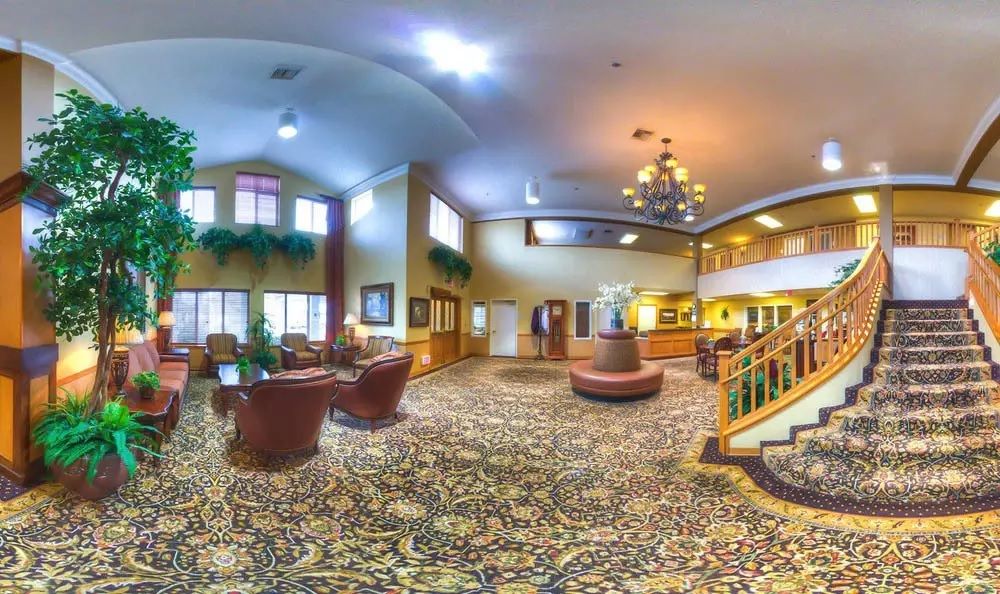
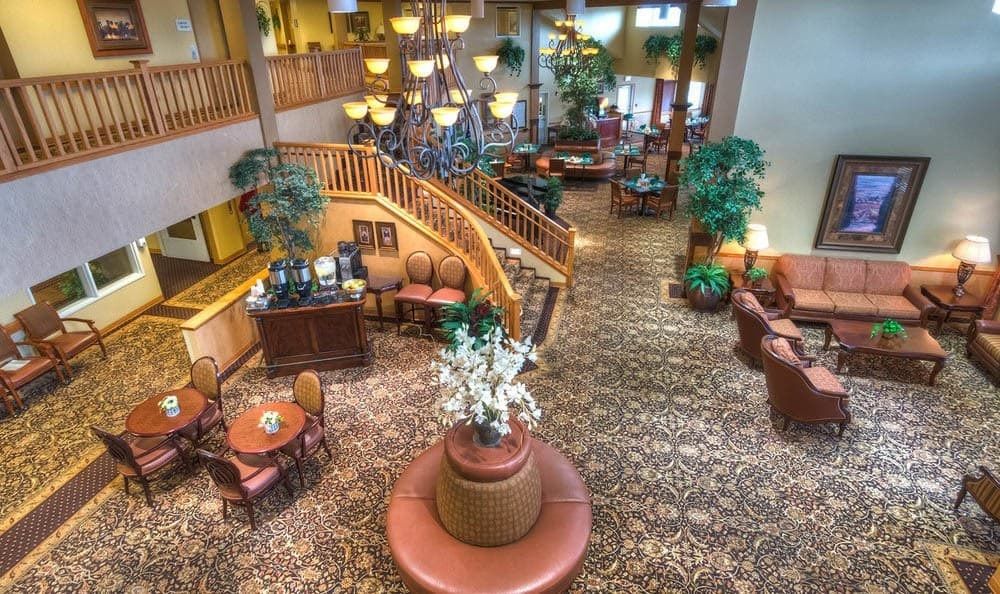
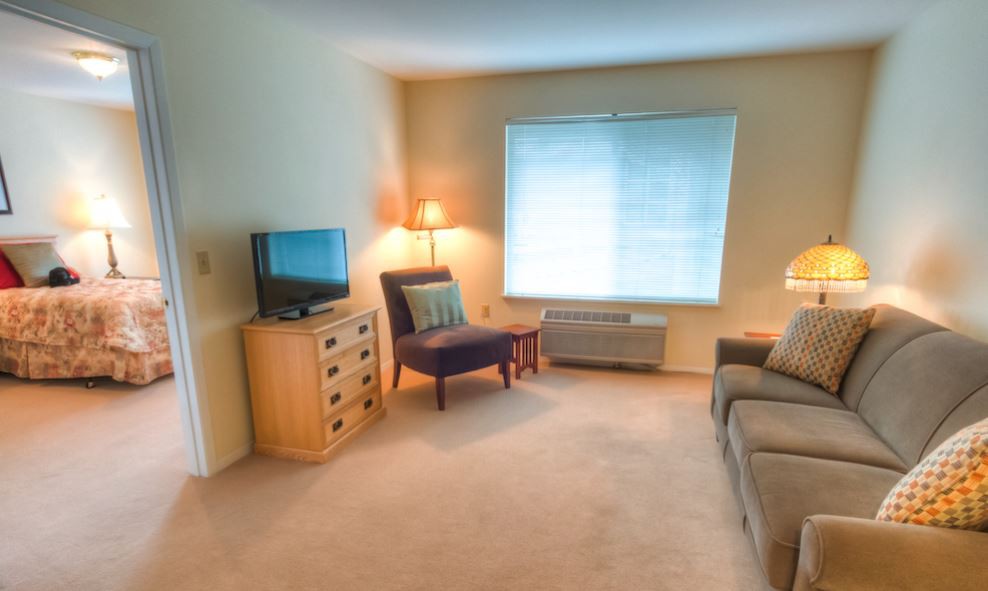
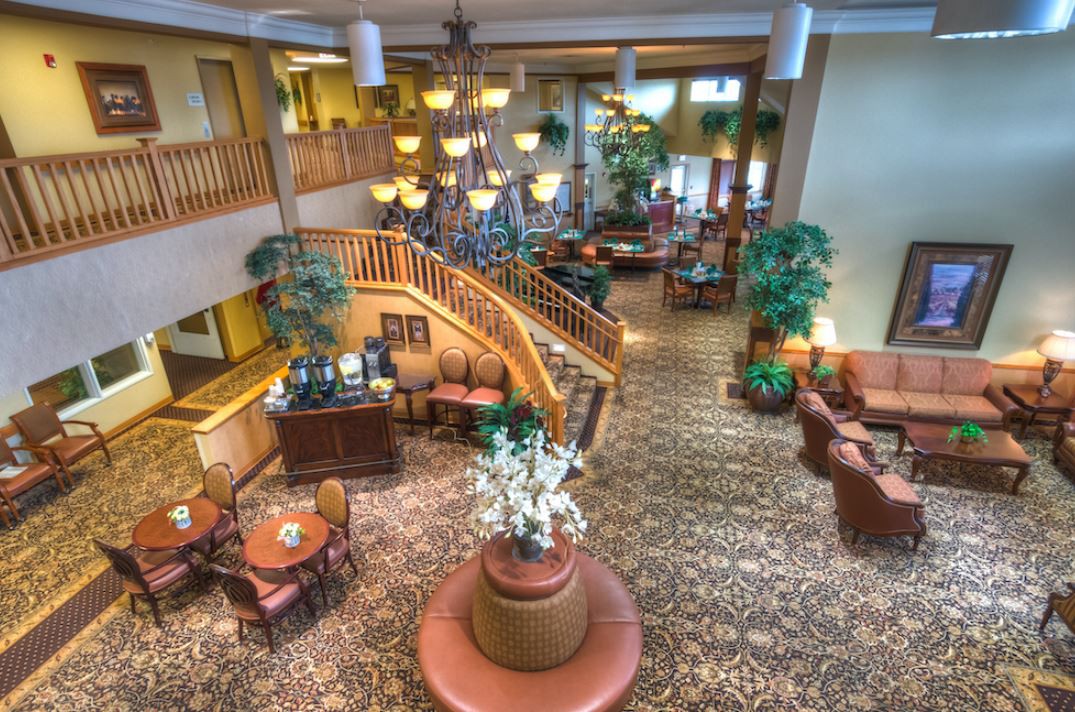
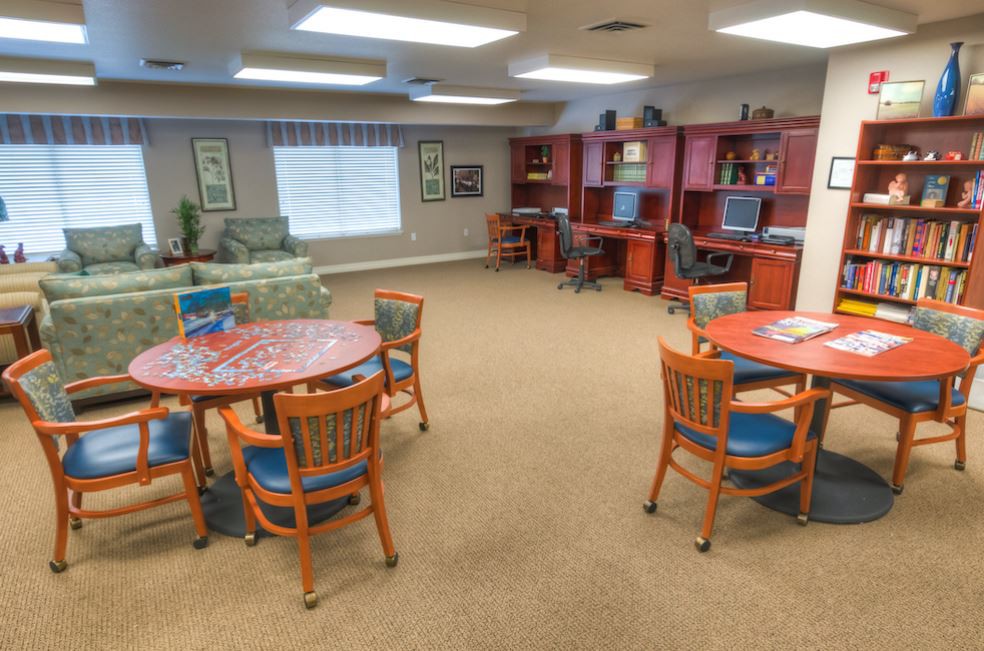
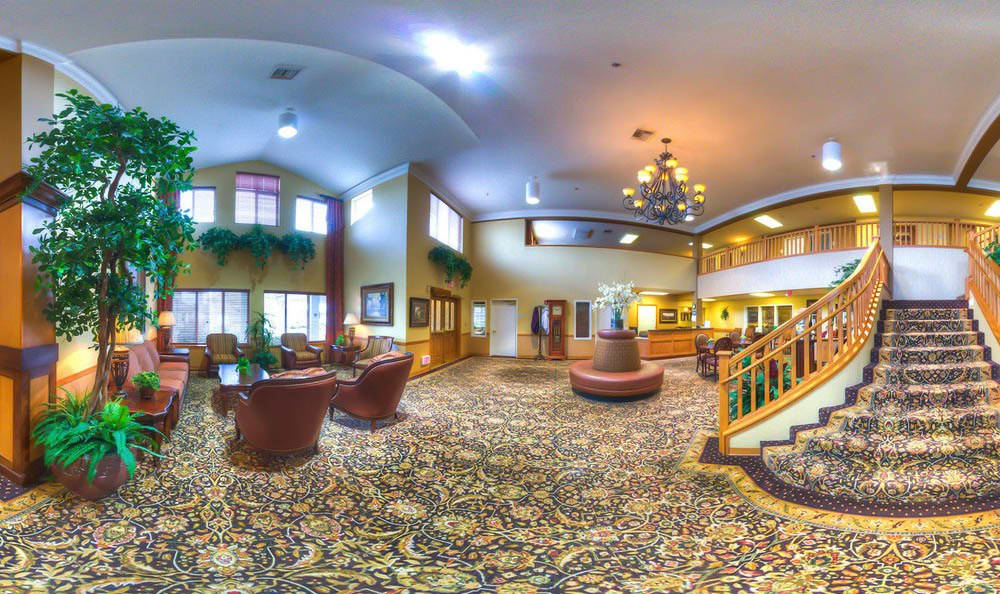
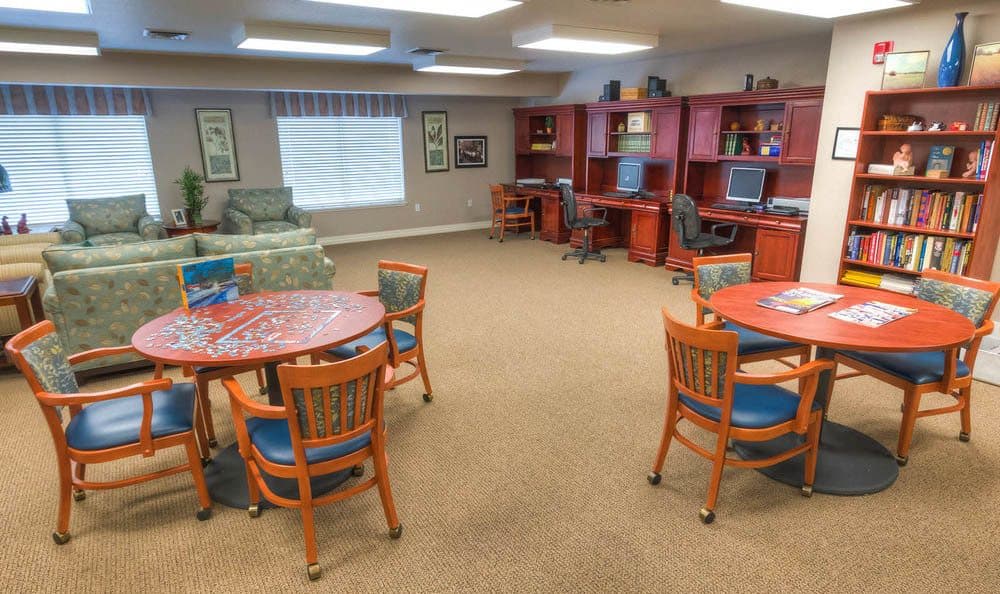
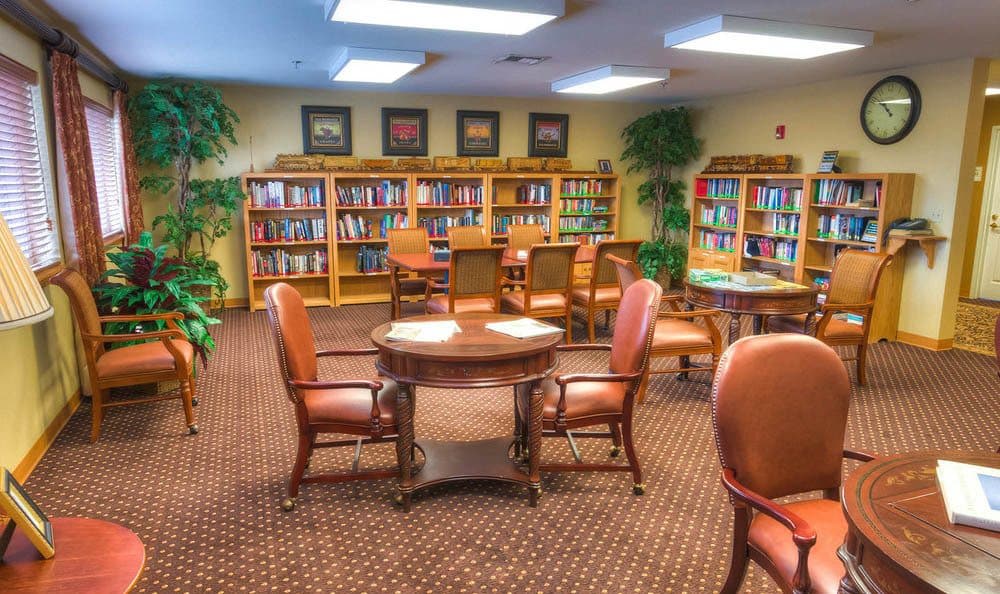
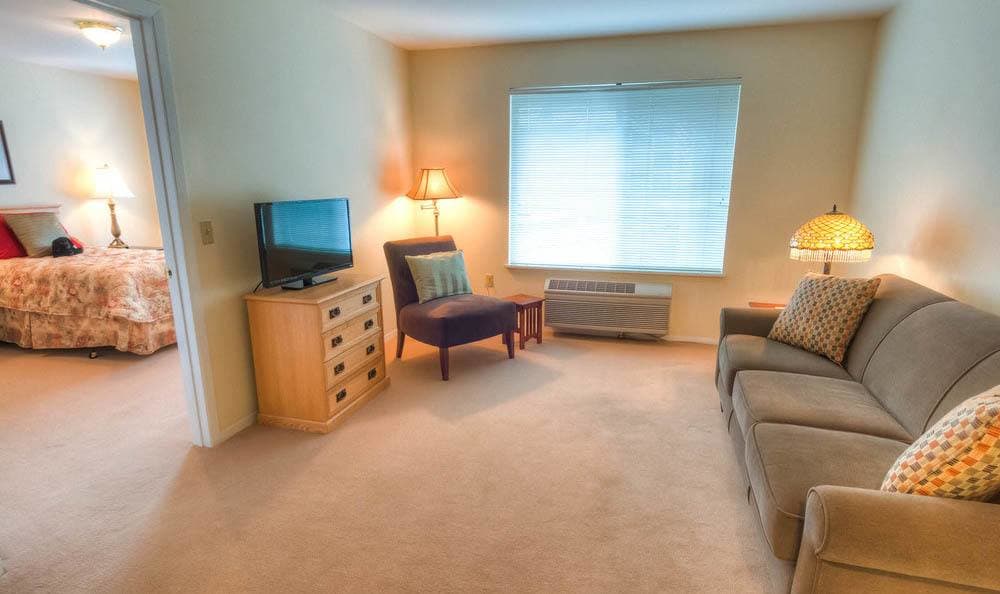
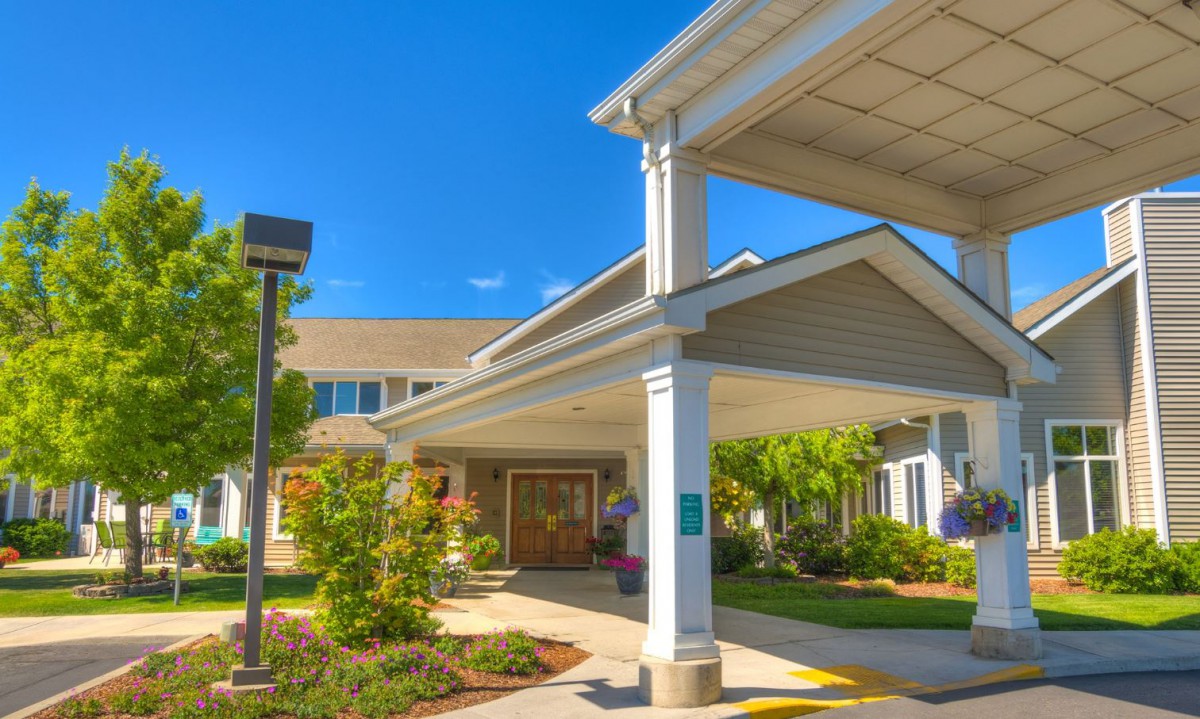
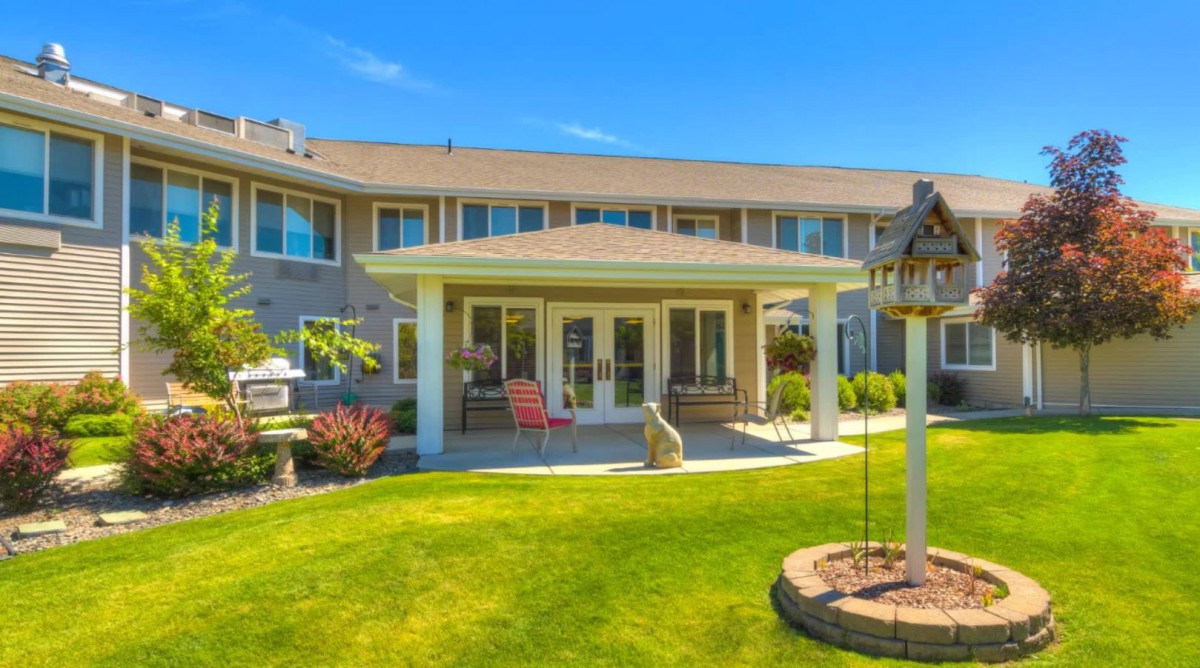
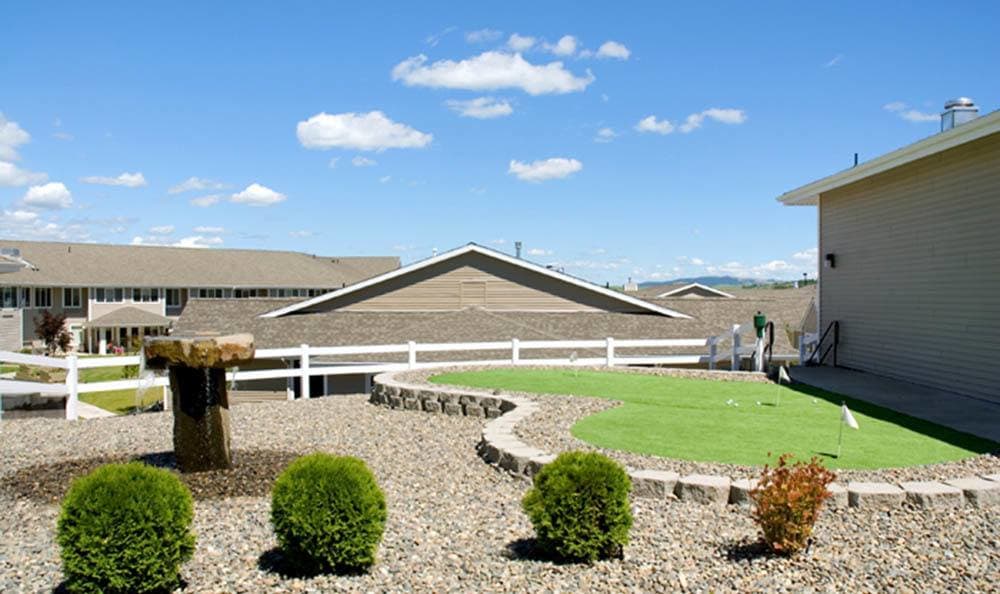
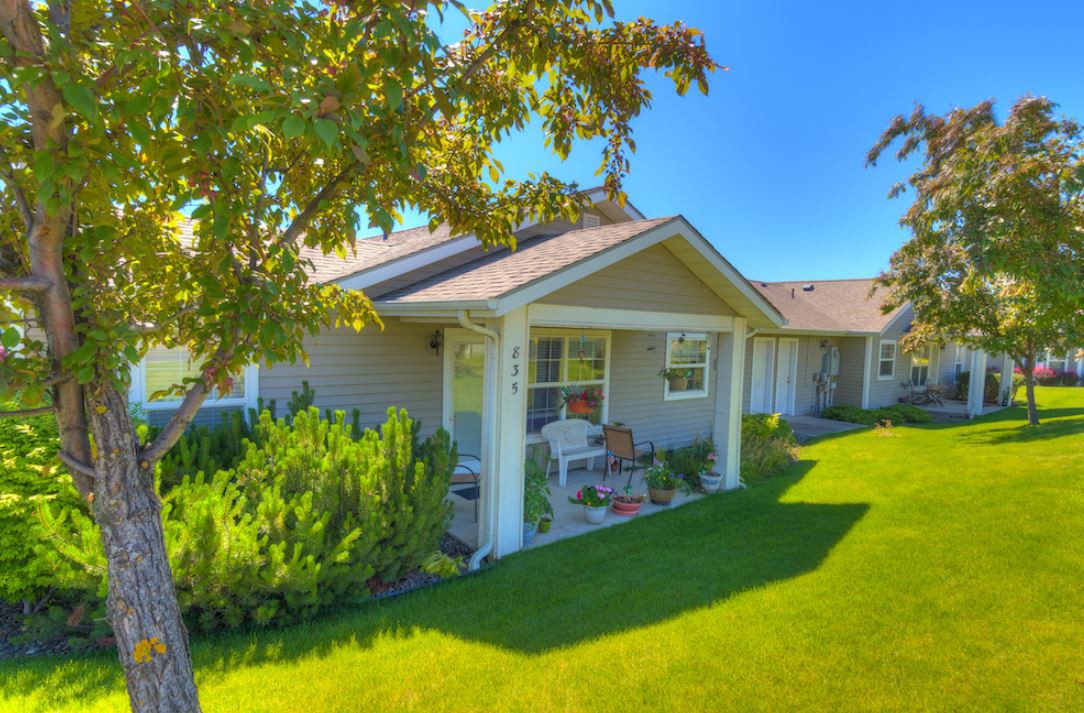
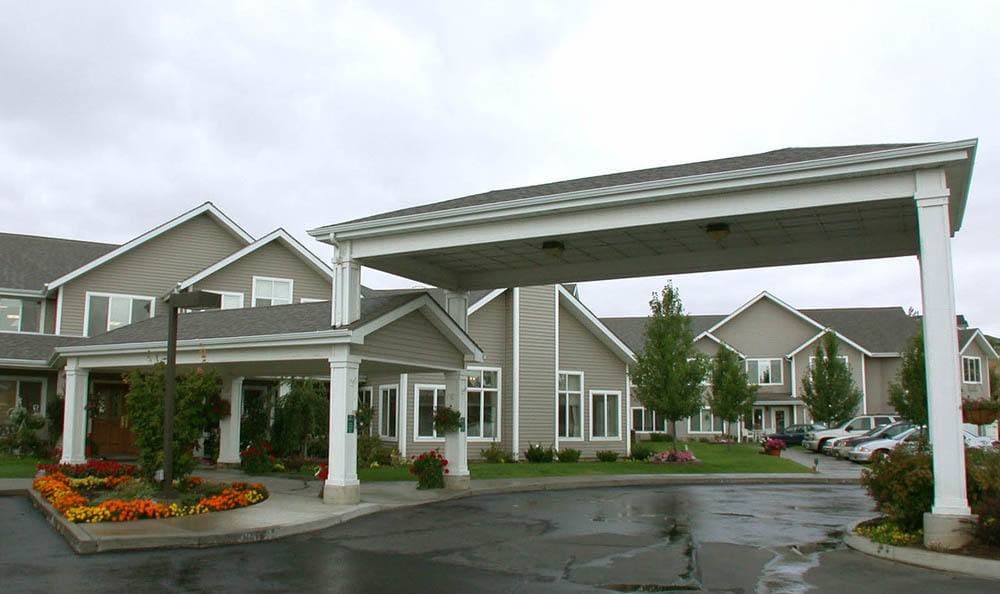
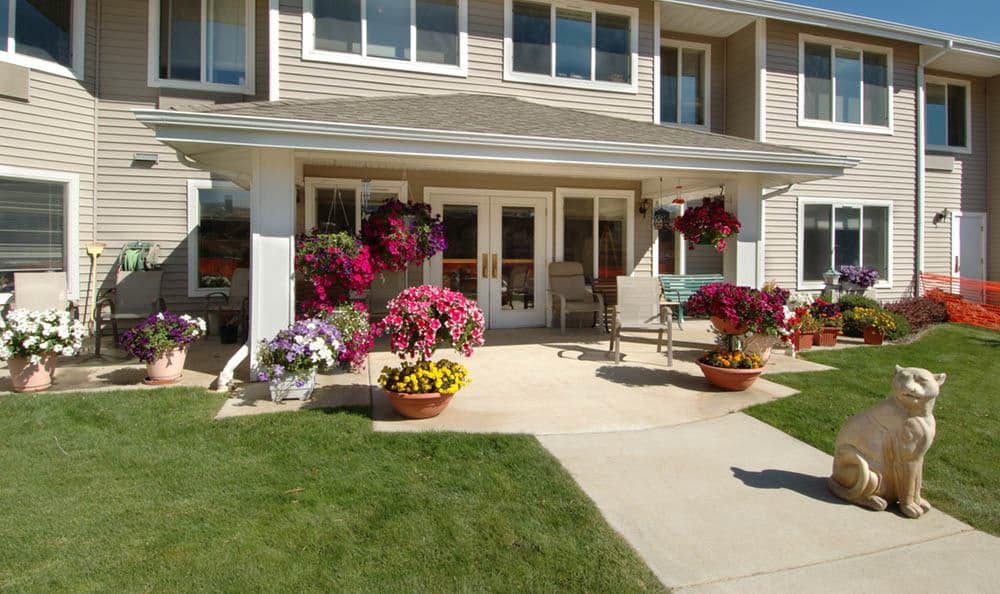
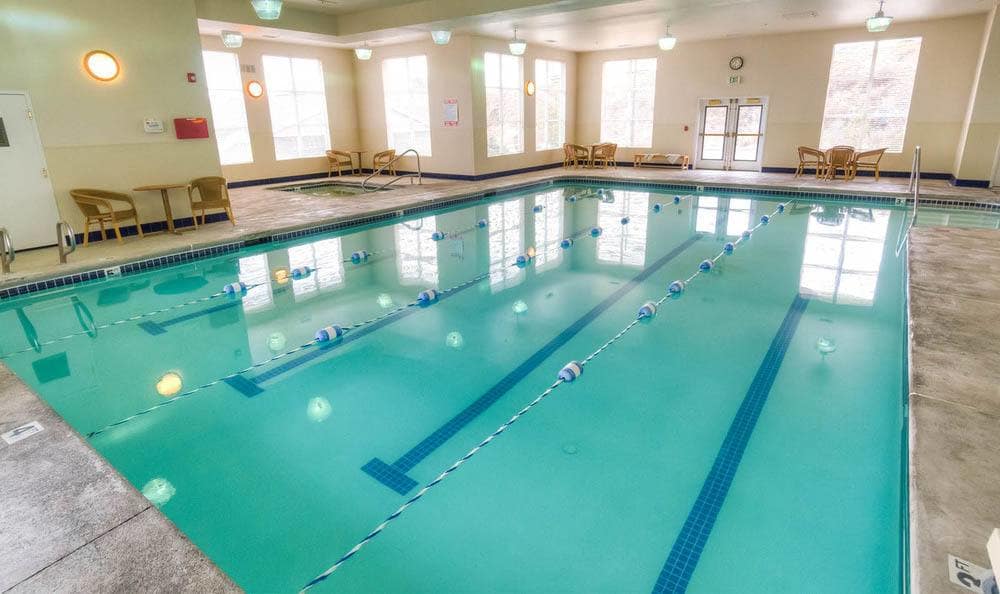
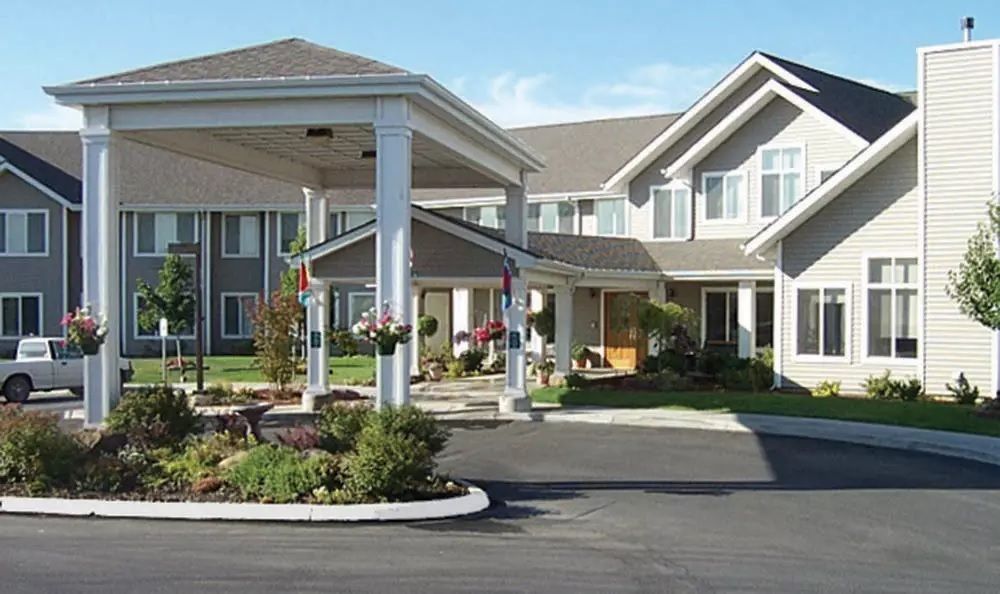
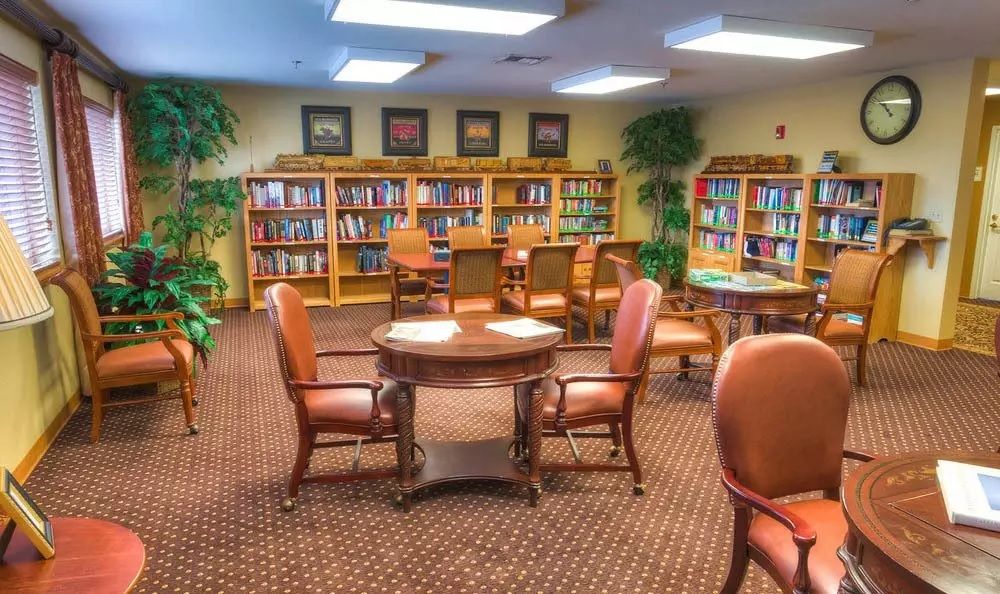
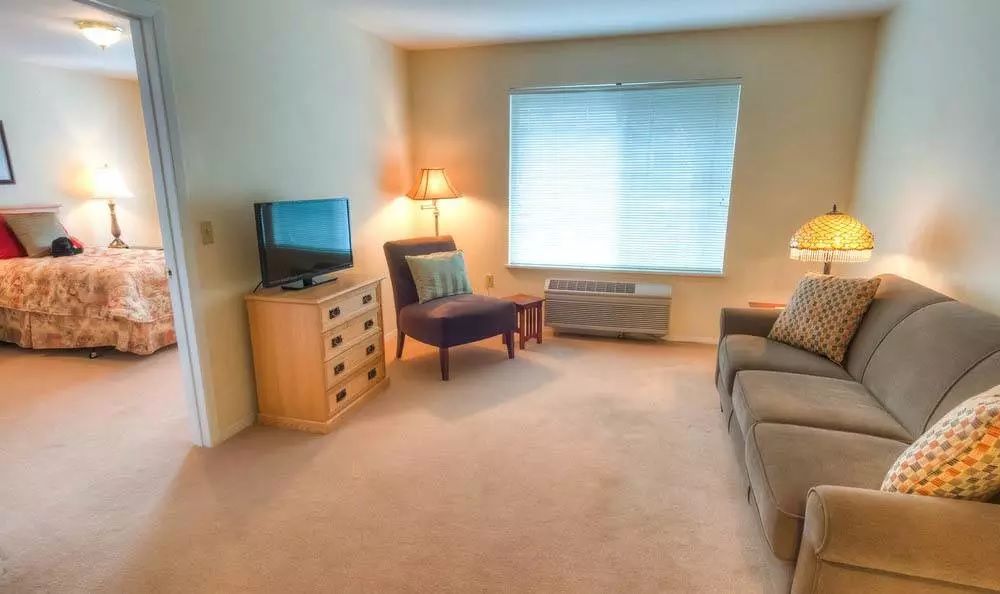
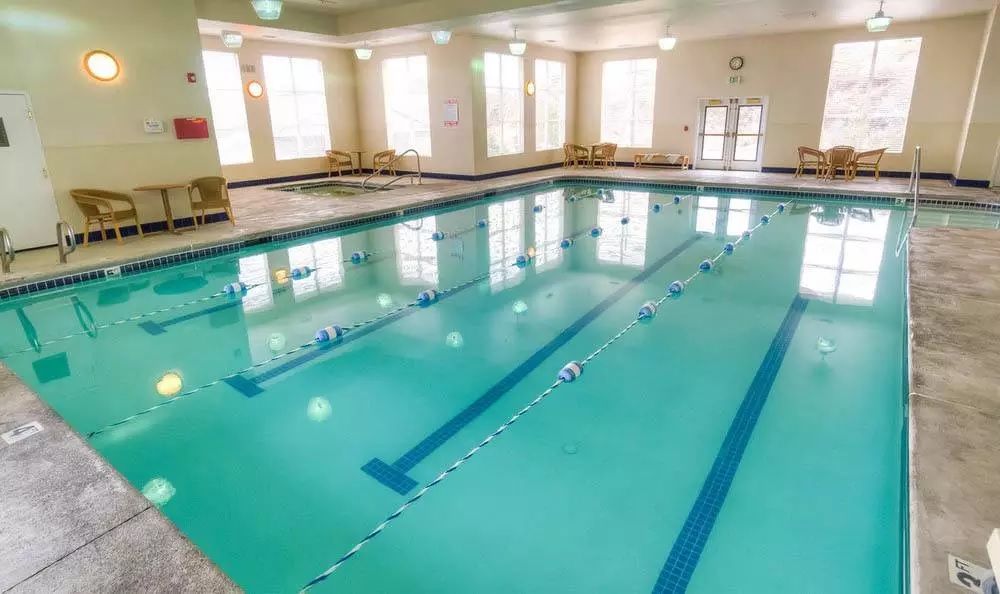
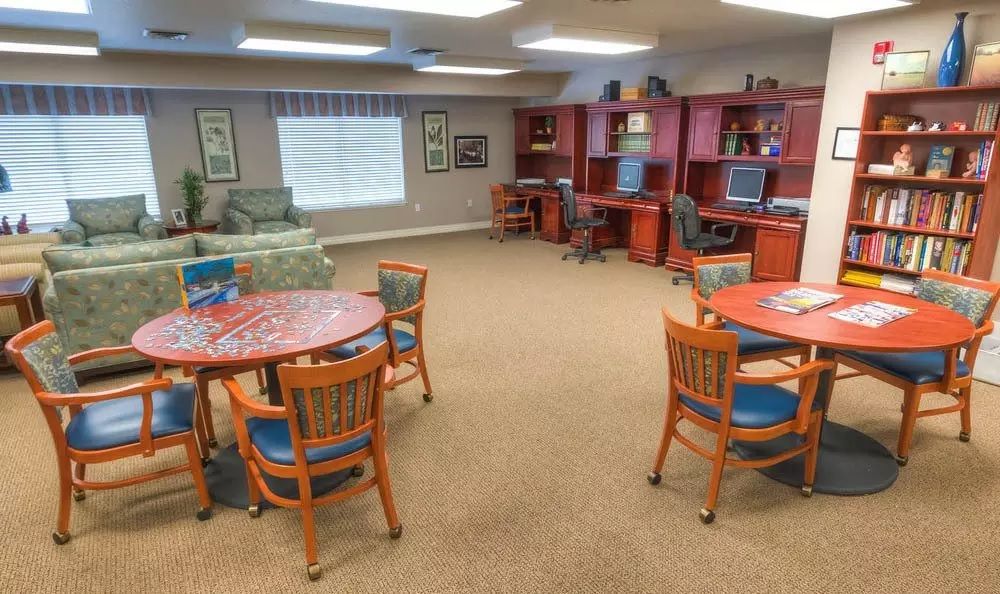
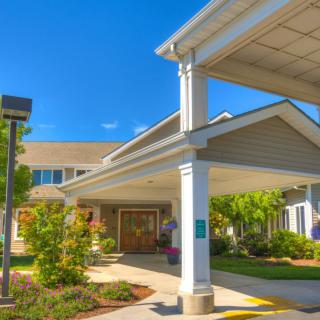
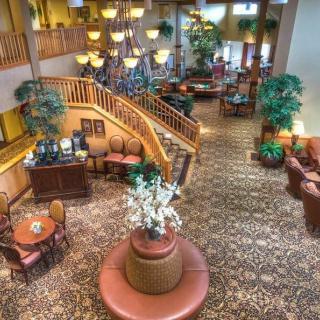
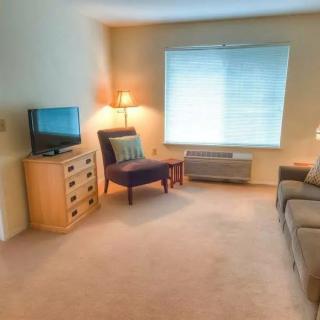
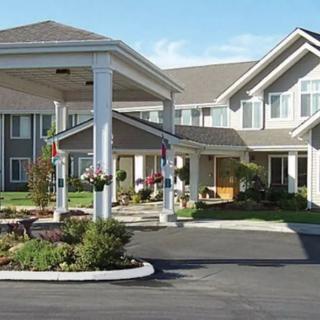
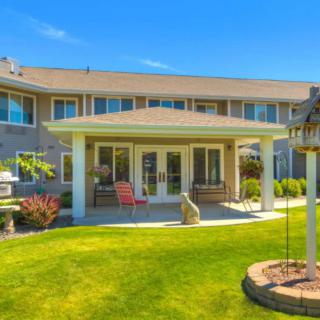
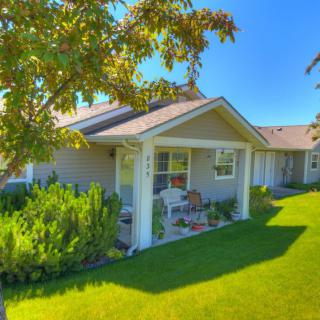
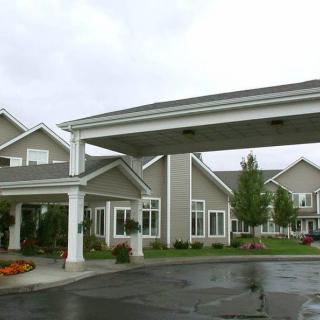
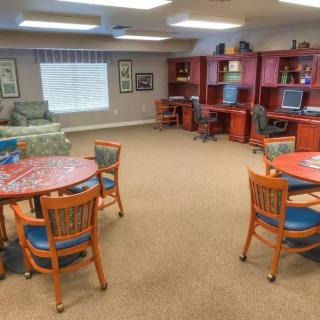
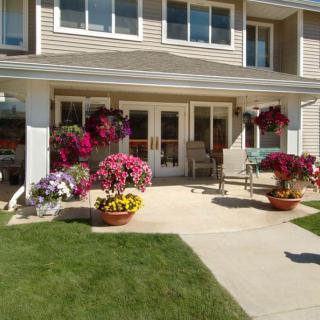
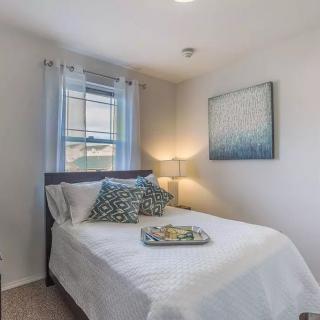
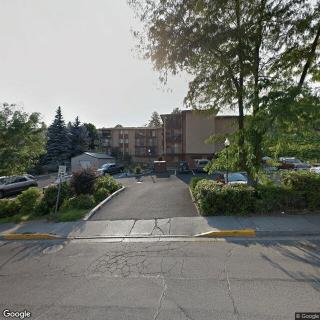
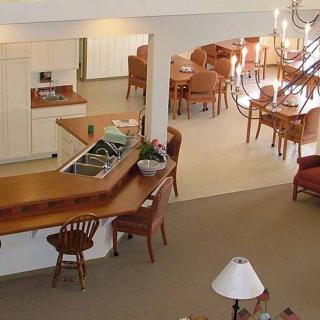
Bishop Place Senior Living on seniors.fyi includes 22 photos including images showing interior, landscaping, lobby, seating area, chandelier, architecture, staircase, building, and more.
Nearby Communities
Ridge Pointe Retirement Comm
Pullman, WA
4.2 from 10 reviews
Excellent access to dining, parks, pharmacies, physicians, transportation, places of worship, and a nearby hospital.
Pioneer Square Housing Social
Pullman, WA
5 from 2 reviews
Convenient access to a wide range of nearby amenities (healthcare, dining, parks, and transportation).
City View Adult Family Home
Pullman, WA
2.5 from 6 reviews
Engaging atmosphere with compassionate staff and well-prepared, thoughtful meals.
Gentle Hands with Grace LLC
Pullman, WA
1 from 2 reviews
$4,500 to $5,000 / month
Memory-care focused services with medication management and accessible indoor/outdoor spaces, plus pricing competitive with local county averages.
Regency Pullman
Pullman, WA
4.4 from 42 reviews
$3,689 to $6,200 / month
Friendly, attentive staff in a clean, welcoming environment with engaging activities.
Kenwood Square
Pullman, WA
1 from 1 review
Assisted living with diabetic care and access to nearby amenities.
Generations at Lewiston
Lewiston, ID
4.6 from 64 reviews
$975 to $3,240 / month
Clean facility with friendly staff and excellent dining at affordable memory care pricing.
Dementia encompasses a range of cognitive impairments characterized by types such as Alzheimer's and vascular dementia, and follows a seven-stage progression model known as the Global Deterioration Scale (GDS), highlighting varying symptoms and decline timelines. Early detection allows for lifestyle adjustments to potentially slow progression, while caregivers need support and resources to manage the challenges involved in caring for affected individuals.
The article presents eight strategies for preserving cognitive health and memory in older adults, emphasizing a nutrient-rich diet, regular exercise, intellectually stimulating activities, adequate sleep, social connections, stress management techniques, limiting harmful substances, and regular medical checkups to mitigate age-related memory decline.
Activities of Daily Living (ADLs) are fundamental tasks vital for an individual's independence, particularly in older adults over 85, and include functions like bathing and dressing; assessing ADLs alongside Instrumental Activities of Daily Living (IADLs) helps determine the level of required assistance due to age-related health challenges. Tailored support plans, involving family and community resources, are essential for maintaining dignity and autonomy in assisted living environments.
Get PricingAsk A QuestionSchedule A TourContact Senior Advisor
By clicking submit, you agree to our Partner's Terms of Use. You
also consent to receive calls and texts, which may be autodialed, from our Partner. Your consent is not a condition to
using our Partner's service. Please visit our Partner's Privacy Policy for information about their privacy practices.




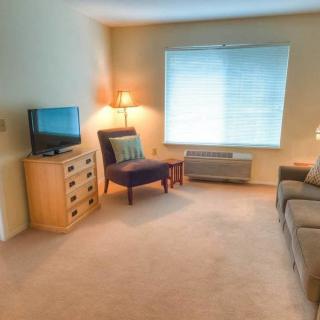
 121 resident community capacity
 Assisted Living
 Independent Living
 Memory Care
 Respite Care
 Activities off-site
 Air-conditioning
 Bath tubs
 Beautician on-site
 Cable or satellite TV
 Computer center
 Devotional services off-site
 Dining room
 Fitness room
 Full kitchen
 Fully furnished
 Gaming room
 Garden
 Ground floor units
 Handicap accessible
 Housekeeping services
 Indoor common areas
 Move-in coordination
 Outdoor common areas
 Private bathrooms
 Restaurant-style dining
 Small library
 Swimming pool / hot tub
 Telephone
 Wellness center
 Wheelchair accessible showers
 Wi-Fi/high-speed internet available
 Lewiston-Nez Perce County (25 miles away)
 Community operated transportation
 12-16 hour nursing
 24-hour call system
 Assistance with bathing
 Assistance with dressing
 Assistance with transfers
 Diabetes diet
 Diabetic care
 High acuity care
 Incontinence care
 Medication management
 Mental wellness program
 Special dietary restrictions
 Art classes
 Catholic services
 Concierge services
 Cooking classes
 Day trips and outings
 Educational speakers / life long learning
 Karaoke
 Excellent access to dining, parks, pharmacies, physicians, transportation, places of worship, and a nearby hospital.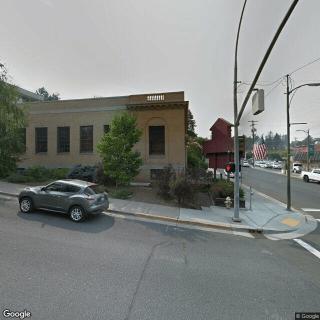
 Understanding Dementia Through Its Seven Stages: A Comprehensive Look at Progression and Expectations
 Safeguarding Your Memory Through the Golden Years: Eight Ways to Preserve Cognitive Health
 Comprehensive Insights into Activities of Daily Living (ADLs) and Their Assessment