
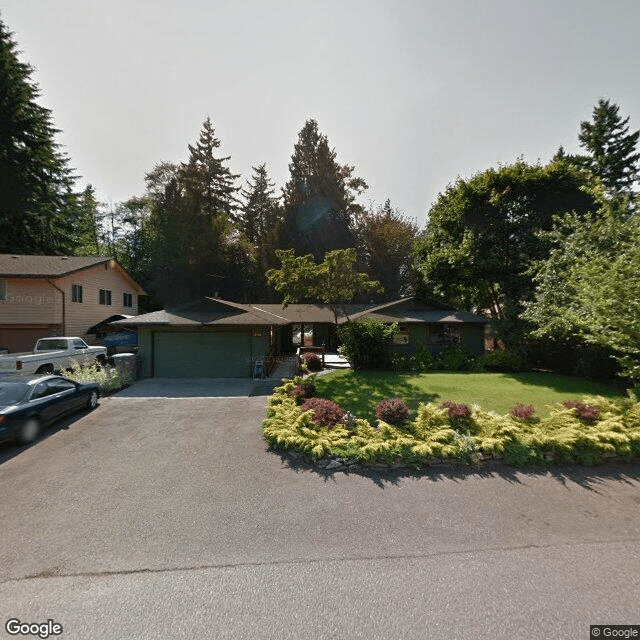
12900 48th Dr NE, Marysville, WA 98271
To contact a resident: (360) 659-8112
For more information about senior living options: (866) 208-4318
Quilceda Creek Manor AFH Costs & Pricing
Quilceda Creek Manor AFH offers competitive pricing for its residents, particularly when compared to the broader market in Snohomish County and the state of Washington. For a semi-private room, the monthly cost at Quilceda Creek Manor is $3,500, significantly lower than the county average of $4,320 and the state average of $4,267. Similarly, their private room rate stands at $4,500, which also undercuts both the county's average of $4,834 and the state's average of $4,772. This positioning not only highlights Quilceda Creek Manor's commitment to affordability but also reflects its dedication to providing quality care in an inviting environment.
| Floor plans | Quilceda Creek Manor AFH | Snohomish County | Washington |
|---|---|---|---|
| Semi-Private | $3,500 | $4,320 | $4,272 |
| Private | $4,500 | $4,834 | $4,774 |
Senior living communities with a similar price nearby
-
About the same
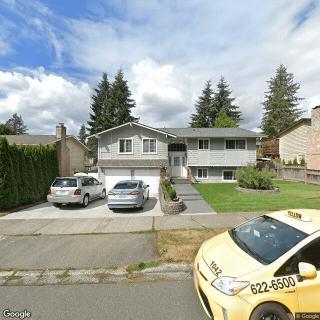
Dignity Life
$3,500 / month19.0 miles away -
from -$500 / mo
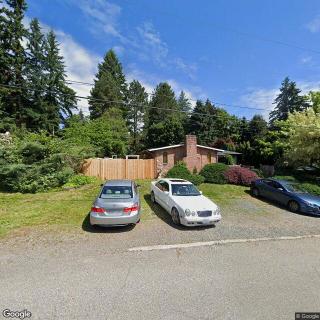
Caring Adult Family Home #1
$3,000 / month24.1 miles away -
About the same
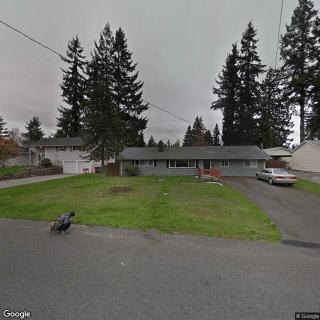
Terrace View AFH
$3,500 to $4,000 / month22.4 miles away -
About the same

Nebisolo AFH
$3,500 to $4,000 / month24.0 miles away -
from +$500 / mo
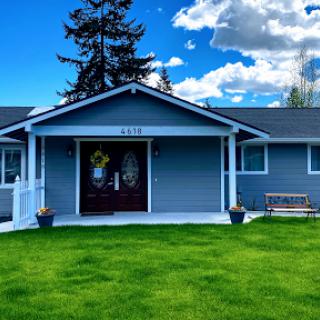
Goldenville Adult Family Home
$4,000 to $5,000 / month19.5 miles away
Overall Review of Quilceda Creek Manor AFH
Pros
 Willow Place genuinely cares for developmental-delayed adults, and participants feel welcomed and supported from the first visit.
- The staff are incredibly nice, friendly, highly skilled, and clearly passionate about their work.
- The programming offers a vibrant atmosphere with a balance of fun, care, and learning.
- Participants feel safe, respected, and engaged in a warm, welcoming environment.
- The environment is secure, ensuring everyone's safety.
- Families have peace of mind knowing their loved ones are in good hands and thriving.
- The Willow Place team demonstrates compassion and dedication, making a real difference in the lives of individuals and their families.
- Willow Place Day Center at Quilceda Community Services provides a wonderful experience for participants.
Cons
 The facility’s bathroom could be improved because it is a little hard to navigate for someone in a wheelchair.
- The space for Zumba is too small when there are many participants.
Review
Quilceda Creek Manor AFH, anchored by Willow Place Day Center at Quilceda Community Services in Marysville, is best suited for adults with developmental disabilities who thrive on structured daytime routines, social engagement, and close, compassionate supervision. The reviews consistently portray staff who understand each person’s unique personality and needs, taking the time to tailor support toward growth, independence, and everyday joy. The atmosphere is described as warm, safe, and respectful, with caregivers who balance care with accountability. For families seeking a practical, people-centered daytime option rather than a hospital-like or long-term medical residence, this community offers dependable continuity and a tangible sense of thriving for residents who benefit from guided, engaging activity.
Those evaluating alternatives should be mindful of situations where this option may not be the best fit. If a loved one requires around-the-clock medical monitoring, extensive skilled nursing, or a larger facility designed to support high medical complexity, other providers may be a better match. Likewise, if the priority is a residence with extensive clinical services or more expansive, accessible space throughout the building, a different model could be more suitable. For non-verbal individuals or those who rely heavily on advanced communication supports, it is essential to confirm that staff can reliably interpret cues and provide consistent, individualized communication throughout the day. Finally, families seeking a quieter or more low-stimulation environment, or broader community integration beyond daytime programming, may want to compare options that emphasize those dimensions.
The program’s strengths largely revolve around people and programming. Staff are repeatedly described as highly skilled, passionate, and genuinely invested in each resident’s wellbeing. This translates into a safe, engaging setting where participants feel respected and involved. The daytime calendar is lively and varied, featuring music, crafts, games, and outdoor activities that strike a practical balance between enjoyment, care, and learning. Families report that their loved ones do more than participate, they grow, gain confidence, and appear truly at ease in the space. In essence, the team’s dedication and the program’s infectious, positive energy can make everyday moments meaningful, which in turn provides families with real peace of mind about thriving during daytime hours.
Yet, review notes do not gloss over certain practical limits. A notable concern is space: some activities, like dance-friendly classes, have room constraints when participation swells, which can dampen the experience for larger groups. Accessibility in certain bathrooms and navigation corridors also emerged as an area for improvement, particularly for wheelchair users or those requiring tight maneuvers. Importantly, the setting is framed more as a daytime support and social programming environment rather than a full-service medical residence; this means it may not meet needs that include constant clinical oversight, complex medical administration, or overnight care. These gaps matter most for residents with high medical or supervision requirements.
To translate these impressions into a solid decision, prospective families should pursue a practical checklist. Clarify staffing ratios and the specific training staff hold in developmental disabilities and non-verbal communication strategies. Request a typical day outline, from arrival to activity facilitation to meals, to assess alignment with the loved one’s pace and preferences. Inspect the accessibility framework in person: bathroom layouts, doorway widths, and availability of assistive devices, as well as staff support during mobility tasks. Inquire about transportation, daily schedules, and any transitional programs that promote growing independence. Finally, demand transparent cost information, what is included, and how escalation of needs would be managed, including the coordination plan with families for ongoing updates.
In the end, Willow Place at Quilceda Community Services presents a compelling, well-rounded option for families prioritizing a warm, safety-forward daytime environment with devoted staff and engaging activities. Its most persuasive advantages, caring, capable caregivers; a respectful, energetic atmosphere; and a robust slate of activities, tend to outweigh practical caveats like space limitations and bathroom accessibility when the goal is daily enrichment and social connection. If the loved one’s needs extend into intensive medical care or require more expansive accessibility, exploration of alternatives is warranted. A direct visit focused on staff interactions, resident engagement, and a candid discussion about goals and contingencies will reveal alignment or gaps, guiding families toward a decision that meaningfully enhances daily quality of life.
 Board and Care Home
 Bath tubs
 Indoor common areas
 Outdoor common areas
 Private
 Respite or short term stays offered
 Wheelchair accessible showers
 Diabetic care
 High acuity care
 Incontinence care
 Medication management
 Meals provided




 Understanding the Nuances of Palliative Care and Hospice: A Comprehensive Exploration
 Is In-Home Healthcare Tax Deductible? Your Comprehensive Guide
 Nurturing Well-Being Through Gardening: A Detailed Guide for Senior Enthusiasts