
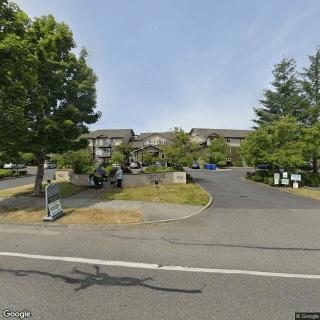
131 West King Tut Road, Lynden, WA 98264
For more information about senior living options: (866) 208-4318
Overall Review of Cascade Christian Home
Cons
 The organization is horrible.
- They pay their administrators ungodly amounts and treat service providers horribly.
- It is unorganized and ill prepared to do the job it should be doing.
- This place cannot be trusted.
Review
Cascade Christian Home in Lynden is best suited for families seeking a small, homelike assisted living setting where daily life feels practical and caregivers are generally attentive. The community earns strong marks from most residents and families, suggesting a living environment with a welcoming atmosphere, dependable routines, and a focus on daily comfort. Prospective residents will likely find a routine that supports independence within a compassionate, neighborly setting. This is not a large, impersonal campus; it operates more like a close-knit community where staff interactions can feel personal and familiar.
Nevertheless, there is a clear caveat that must be weighed. A standout concern across the landscape of reviews is governance and administrative trust. A single, sharply negative review describes Cascade Christian Home as disorganized and untrustworthy, accusing administrators of excessive pay and mistreatment of service providers, with a broader indictment that the operation is ill prepared to do the job it should be doing. While this view is not the majority perspective, it points to a core risk: perceived misalignment between leadership practices and resident- or family-facing care. For families that prioritize transparent, reliable governance and strong accountability, this is a reality check worth heeding.
On the positive side, the overwhelmingly favorable ratings imply that the day-to-day experience for residents can be considerably satisfying. When reviews skew five stars, the likely strengths include responsive staff within a stable routine, opportunities for social engagement, and a setting that supports comfort and dignity. These pros translate into meaningful quality of life for many residents: predictable schedules, accessible help with activities of daily living, and the reassurance that a friendly, familiar team is nearby when needs arise. The geographic convenience of Lynden and the potential for a nurturing, home-like atmosphere are practical advantages that families should weigh heavily.
The tension between the apparent strengths and the governance concern creates a distinct decision point. The positive day-to-day care and warm environment may offset some concerns about administration for families who place a premium on immediate resident experience and interpersonal warmth. However, the trust deficit highlighted by the critical review cannot be dismissed. Leadership credibility matters for long-term care, influencing everything from care planning and staff stability to transparent billing and responsiveness during issues. If governance feels uncertain, the risk to continuity and the ability to address problems quickly rises, regardless of how well residents seem to be cared for in the moment.
For families weighing Cascade Christian Home, a practical approach is essential. Start with controlled visits and candid conversations with both front-line staff and the administrator. Request specifics about staffing ratios, turnover, and how care decisions are documented and communicated to families. Seek out financial transparency: understand what is included in the monthly rate, what triggers rate increases, and how billing disputes are resolved. Check references with current residents and families, and ask for examples of how concerns were addressed and what changes were implemented after feedback. These steps help illuminate whether the positive resident experience is supported by solid governance and trustworthy leadership.
If the answers lean toward clarity, accountability, and a governance framework that feels transparent, Cascade Christian Home can be a solid choice for those who value a warm, community-oriented environment. If, instead, the leadership dynamics feel opaque or misaligned with resident welfare, alternatives with demonstrated governance, clearer communication, and stronger oversight deserve serious consideration. Options nearby that emphasize organizational transparency and consistent administrative performance may offer greater peace of mind while still delivering the practical benefits of a caring, home-like setting.
 8 resident community capacity
 Assisted Living
 Board and Care Home
 Cable or satellite TV
 Dining room
 Fully furnished
 Garden
 Housekeeping services
 Move-in coordination
 Outdoor space
 Telephone
 Wi-Fi/high-speed internet available
 Bellingham International (6 miles away)
 24-hour supervision
 Activities of daily living assistance
 Assistance with bathing
 Assistance with dressing
 Assistance with transfers
 Diabetes diet
 Meal preparation and service
 Medication management
 Special dietary restrictions
 Transportation arrangement (medical)
 Transportation to doctors appointments
 Peaceful lakeside setting with personalized care and engaging activities.



 Social Security Benefits and Assisted Living: Navigating Options Across the U.S.
 An Extensive Exploration of the VA Aid and Attendance Benefit
 Senior Transition Services: Understanding Their Role, Cost, and Importance