For more information about senior living options: (866) 208-4318
4.8 from 36 reviews
5 stars
32
4 stars
2
3 stars
1
2 stars
0
1 stars
1
Among Friends Costs & Pricing
Among Friends offers competitive pricing for both semi-private and private room accommodations when compared to the broader market in Whatcom County and across Washington State. With a monthly cost of $3,500 for a semi-private room, Among Friends is significantly more affordable than the county average of $4,164 and the state figure of $4,267. Similarly, their private rooms are priced at $4,000, which not only stands in stark contrast to Whatcom County's average of $10,700 but also reflects a favorable position against the overall Washington average of $4,772. This pricing strategy highlights Among Friends' commitment to providing accessible care without compromising quality.
Floor plans
Among Friends
Whatcom County
Washington
Semi-Private
$3,500
$4,164
$4,272
Private
$4,000
$10,700
$4,774
Senior living communities with a similar price nearby
from -$450 / mo
The Willows Bellingham
5 from 54 reviews
$3,050 to $6,100 / month
12.0 miles away
from +$280 / mo
Rosewood Villa
4.7 from 31 reviews
$3,780 to $4,410 / month
15.3 miles away
from +$295 / mo
Right at Home
4.6 from 23 reviews
$3,795 to $7,295 / month
13.5 miles away
from -$600 / mo
Orchard Park Assisted Living Bellingham
4.5 from 20 reviews
$2,900 to $4,650 / month
11.6 miles away
from -$400 / mo
Solstice Senior Living At Bellingham
4.4 from 96 reviews
$3,100 to $6,295 / month
16.1 miles away
Overall Review of Among Friends
common23 reviews mention this
Staff care feels consistently personal
Caregivers are repeatedly described as kind, patient, and attentive to residents' needs.
Many residents’ families describe the staff as loving and attentive, with caregivers going beyond basic care. Several reviewers also highlight consistency—visiting at different times and still finding residents well cared for. A few comments frame the home as a team effort where staff treat residents like family and keep families informed about health changes when needed.
common9 reviews mention this
Home-like cleanliness stands out
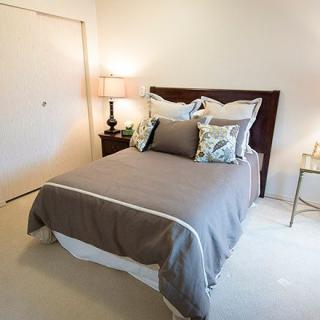
Reviews emphasize a clean, home-like setting, including well-kept yards and rooms.
Multiple reviewers mention the homes being clean and bright, along with rooms that feel private and comfortable. Several also point to the appearance of the property—yards and grounds getting attention—reinforcing the idea of a maintained, lived-in environment. A number of comments pair that cleanliness with a homelike atmosphere rather than an institutional feel.
common2 reviews mention this
Meals are described as home-style
Families describe the food as home-cooked and centered on resident preferences.
Two reviewers call out the quality and style of meals, including one describing home-cooked meals. Another notes residents are served what they prefer and that meal choices involve the residents themselves. Together, these comments suggest dining is approached as part of daily comfort, not just routine provisioning.
differentiator3 reviews mention this
Comfort care and meaningful routines
Residents and families describe comfort-focused care and support during end-of-life needs.
Several reviews explicitly mention comfort care practices and describe caregiving as more of a calling than a job. Families also describe support that goes beyond basic needs, including involving residents in daily life. One reviewer adds that hospice was offered, but they felt it would be difficult to obtain the level of care they believed their family member would need.
common6 reviews mention this
Activities include outings and companionship
Daily life includes organized activities, outings, and time outdoors.
Reviewers describe residents being engaged in activities suited to their abilities, with examples including a Friday lunch outing to a local senior center and other outings. One person also describes supporting activities from within the community and notes the homes being bright and welcoming. Another family highlights getting residents outdoors in the gardens and encouraging interaction with other residents, not just quiet time indoors.
How we summarize
Counts show how many written reviews mention each theme; a review can touch several themes, and only frequently mentioned themes are displayed.
Features
Types of Care
Board and Care Home
Amenities
Activities off-site
Activities on-site
Beautician on-site
Cable or satellite TV
Devotional services off-site
Devotional services on-site
Indoor common areas
Outdoor common areas
Private
Private bathrooms
Respite or short term stays offered
Swimming pool / hot tub
Wheelchair accessible showers
Wi-Fi/high-speed internet available
Transportation
Bellingham International (11 miles away)
Care Services
Diabetic care
High acuity care
Incontinence care
Medication management
Dining
Kosher
Meals provided
Vegetarian
Activities
Activities off-site
Activities on-site
Bible study group
Community service programs
Day trips and outings
Devotional activities offsite
Devotional activities on-site
Karaoke
Live dance or theater performances
Live musical performances
Trivia games
Nearby Places of Interest
Pharmacies
Food Pavilion (1 miles)
Guardians (7.7 miles)
Aldergrove Community Pharmacy I.D.A. (7.7 miles)
Pharmachoice (7.7 miles)
Murale (8.6 miles)
Otter Co-op Pharmacy (8.9 miles)
Pharmasave (9 miles)
Transportation
Abbotsford International Airport (YXX) (6.5 miles)
U-Haul Moving & Storage (9.8 miles)
WTA Cordata Station (10.7 miles)
Enterprise Rent-A-Car (10.9 miles)
Bellingham International Airport (BLI) (10.9 miles)
Restaurants
Hilltop Restaurant & Catering (7.1 miles)
McDonald's (8.3 miles)
Taco Time NW (8.7 miles)
McDonald's (8.8 miles)
Franz Bakery Outlet Store (8.9 miles)
Brodeur's Bistro (9.2 miles)
Taco Bell (10.2 miles)
Hospitals
Ecotex Healthcare Linen Service Inc (8.5 miles)
Abbotsford Regional Hospital & Cancer Centre (9.4 miles)
Option Care (9.8 miles)
Mount Baker Kidney Center (11.7 miles)
Mount Baker Imaging (11.7 miles)
Peacehealth St Joseph Child Birth Center (12 miles)
PeaceHealth St. Joseph Medical Center (12 miles)
Places of Worship
Heritage Alliance Church (9 miles)
Cafes
Woods Coffee (9.1 miles)
Oldhand Coffee (10.7 miles)
Tim Hortons (11 miles)
Starbucks (11.1 miles)
Physicians
Dr. Cohen Jasmine (9.6 miles)
Pediatrician's Office Thoreau Pl (9.6 miles)
Bellingham Eye Physicians PS (9.9 miles)
Bellingham Eye Physicians (9.9 miles)
Sally Newbrough MD (9.9 miles)
PeaceHealth Medical Group Cordata Main (9.9 miles)
Peace Health Medical Center - Cordata South (10 miles)
Among Friends offers competitive pricing for both semi-private and private room accommodations when compared to the broader market in Whatcom County and across Washington State. With a monthly cost of $3,500 for a semi-private room, Among Friends is significantly more affordable than the county average of $4,164 and the state figure of $4,267. Similarly, their private rooms are priced at $4,000, which not only stands in stark contrast to Whatcom County's average of $10,700 but also reflects a favorable position against the overall Washington average of $4,772. This pricing strategy highlights Among Friends' commitment to providing accessible care without compromising quality.
Dogs can greatly improve the lives of older adults by offering emotional support and encouraging physical activity, with factors such as size, temperament, and grooming needs being crucial in selecting a suitable breed. Senior dogs often make ideal companions for this demographic, promoting social connections and requiring care routines that align with seniors' capabilities.
The guide on blood pressure charts for older adults stresses the importance of understanding normal and high blood pressure readings influenced by age, genetics, and lifestyle, while emphasizing regular monitoring and lifestyle modifications to prevent serious health issues. It provides insights into blood pressure categories, dietary recommendations, medication considerations, and the role of caregivers in supporting healthy habits.
The article explores the complexities of using Social Security to finance long-term nursing home care in the U.S., detailing eligibility requirements and misconceptions, while emphasizing that these benefits often do not cover full costs and highlighting the need for strategic financial planning and professional guidance.
Get PricingAsk A QuestionSchedule A TourContact Senior Advisor
By clicking submit, you agree to our Partner's Terms of Use. You
also consent to receive calls and texts, which may be autodialed, from our Partner. Your consent is not a condition to
using our Partner's service. Please visit our Partner's Privacy Policy for information about their privacy practices.

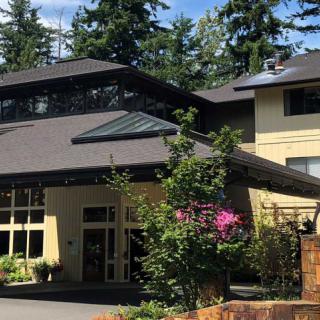
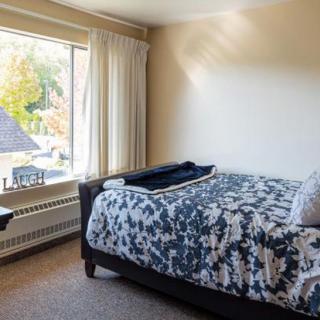

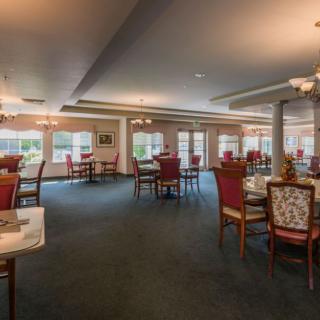
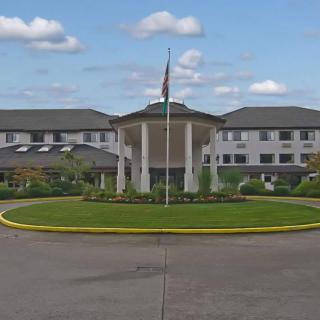
 Board and Care Home
 Activities off-site
 Beautician on-site
 Cable or satellite TV
 Devotional services off-site
 Indoor common areas
 Outdoor common areas
 Private
 Private bathrooms
 Respite or short term stays offered
 Swimming pool / hot tub
 Wheelchair accessible showers
 Wi-Fi/high-speed internet available
 Bellingham International (11 miles away)
 Diabetic care
 High acuity care
 Incontinence care
 Medication management
 Kosher
 Bible study group
 Day trips and outings
 Karaoke
 Live dance or theater performances
 Live musical performances
 Trivia games
 Personalized, compassionate care with medication management and daily living assistance.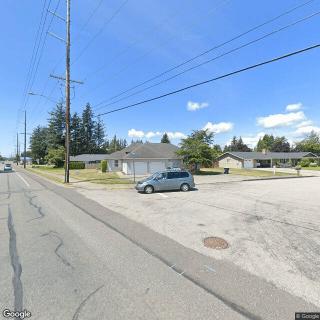
 Top Canine Companions for Older Adults
 Comprehensive Guide to Blood Pressure Charts for Older Adults: Understanding Normal and High Readings by Age
 Financing Long-Term Nursing Home Care Through Social Security: A Thorough Exploration