
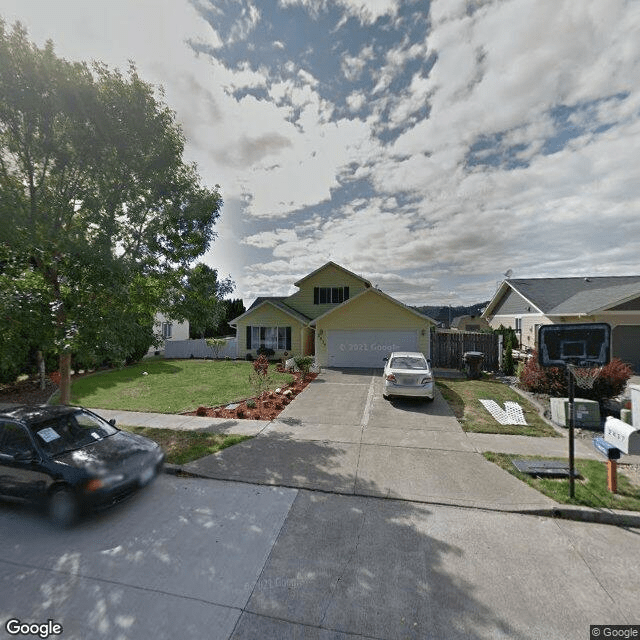
2437 50th Ave, Longview, WA 98632
To contact a resident: (360) 560-1818
For more information about senior living options: (866) 208-4318
Overall Review of Rai Adult Family Home I
Pros
 RAI Angels is outstanding, friendly, with nice houses, and they treat residents with love and kindness.
- The home is wonderful, and all the staff are very caring.
- RAI Angels is highly recommended by those who have used their services.
Cons
 The caregivers are awful and do not take good care of the residents, seemingly looking for easy clients.
- The staff spend too much time on their phones and do not supervise the vulnerable residents.
- They lack experience with dementia and are very impatient.
- They promise excellent care, home-cooked meals, and activities but deliver bare-minimum care, cold cereal and pop tarts, with activities limited to TV.
- They are too busy to keep residents safe, letting medicines run out and lacking door alarms, while most residents sit slumped in chairs all day.
Review
Rai Adult Family Home I is best suited for families who want a small, home-like setting where warmth and personal attention are the baseline. The most dependable value comes when the caregiving team is engaged and present, delivering a genuinely familial experience. This option works for residents with modest medical needs who can thrive with intimate supervision, predictable routines, and meals that feel home-prepared rather than institutional. The catch is consistency: the care quality appears to swing with staffing and oversight. Prospective families must be prepared to stay actively involved, observe closely during onboarding, and maintain ongoing advocacy to keep the care aligned with expectations.
Those considering Rai should explicitly weigh alternatives if dementia expertise, rigorous safety oversight, or predictable daily programming are non-negotiable requirements. For families prioritizing certified dementia training, tight medication management, and dependable 24/7 supervision, larger assisted living communities or other adult family homes with proven staff models may deliver more consistent outcomes. This facility can still work, but only if a plan is in place to monitor staff performance, ensure safety protocols, and secure steady caregiver assignments over time.
On the upside, several accounts emphasize a welcoming, well-kept setting and caregivers who demonstrate genuine kindness. When staff are attentive, residents reportedly experience a sense of belonging and a home-for-life atmosphere that families find reassuring. The homes described as “very nice” and the staff as caring reinforce the impression that, at its best, Rai creates a nurturing space where residents feel valued and families feel reassured about day-to-day interactions. This warmth is the emotional ballast that makes the home environment feel livable and comforting for many residents.
Equally important are persistent red flags raised in multiple reviews. Caregivers are criticized for being distracted, often on their phones, and for a perceived lack of dementia-specific training and patience. Reports of bare-minimum care, limited menus, and activities that revolve around television paint a picture of under-stimulated days for residents who need engagement beyond passive watching. Safety concerns recur, including medicines left unsecured and a door without an alarm, raising real risk for wandering and medication errors. These issues are not minor frills; they strike at the core of daily safety and peace of mind for families.
Ultimately, the balance hinges on the family’s ability and willingness to supervise, advocate, and tailor expectations. If a robust, hands-on approach is feasible, clear caregiver assignments, regular care-plan reviews, and proactive attention to dementia needs, the positive, homelike environment can offset the drawbacks. Families should demand tangible safeguards: a documented medication-management protocol, daily activity plans, and verifiable safety features. A structured, trial period is highly advisable to confirm that the care team can sustain warmth while improving supervision and consistency. This is not a hands-off option; it rewards engaged families with a genuine, home-centered feel when the right staff culture is in place.
Bottom line: Rai Adult Family Home I can be a sensible choice for families who prize a cozy, home-like setting and are prepared to actively oversee care. For those whose top criteria include unwavering dementia-specific expertise, ironclad medication safety, and consistently well-staffed supervision, looking at other choices may prevent repeated disappointments. Practical next steps include arranging an in-person visit focused on caregiver interactions, requesting a detailed care plan with dementia-focused protocols, and asking to review a caregiver roster and safety measures. If a 30- to 60-day trial is offered, use it to test consistency, responsiveness, and the ability to increase engagement and programming beyond the basics.
 Board and Care Home
 Activities on-site
 Devotional services off-site
 Indoor common areas
 Ambulatory care
 Diabetic care
 Meals provided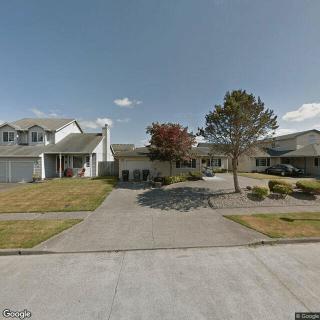



 Understanding the Sandwich Generation: Stress and Responsibilities for Multigenerational Caregivers
 8 Essential Assistive Devices for Older Adults
 Navigating the Financial Road to Nursing Home Care: In-Depth Guidance and Resources