
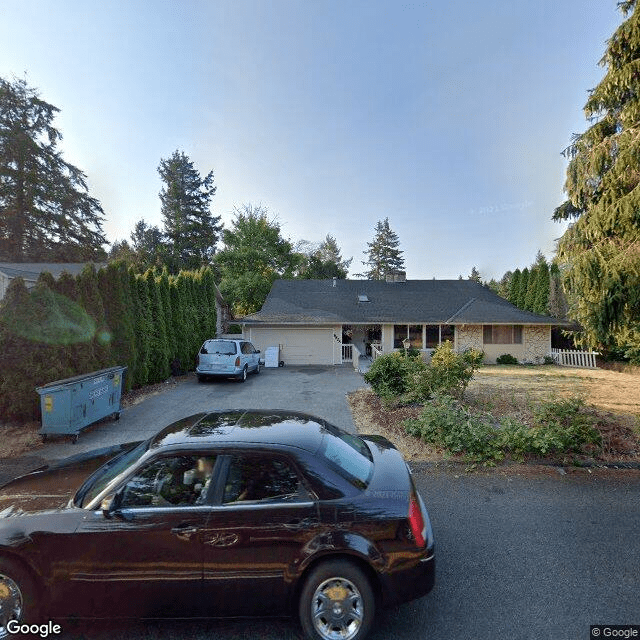
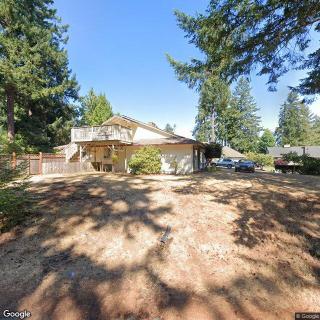
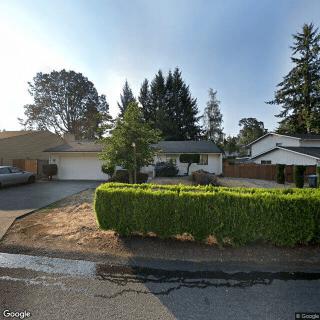
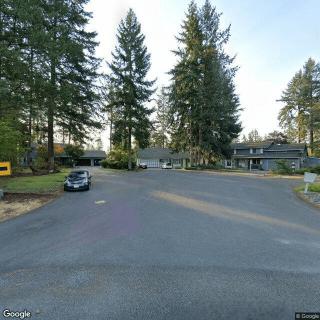
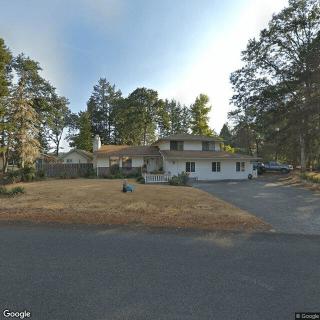
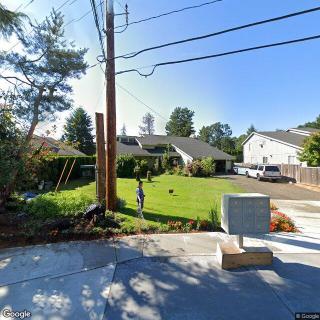
9808 Onyx Drive SW, Lakewood, WA 98498
To contact a resident: (253) 581-6165
For more information about senior living options: (866) 208-4318
Angel's Lighthouse AFH Costs & Pricing
Angel's Lighthouse AFH offers competitive pricing for its accommodations, with semi-private rooms available at $4,000 per month, which is notably lower than the average costs in Pierce County and across Washington State, where similar options are priced at $4,264 and $4,267 respectively. For those seeking more privacy, the facility's private rooms are offered at $5,000 per month. While this rate exceeds the county's average of $4,623 and the state average of $4,772, it reflects the personalized care and premium services that Angel's Lighthouse AFH prides itself on providing. Overall, residents can benefit from a combination of cost-effective options paired with high-quality care in a welcoming environment.
| Floor plans | Angel's Lighthouse AFH | Pierce County | Washington |
|---|---|---|---|
| Semi-Private | $4,000 | $4,264 | $4,272 |
| Private | $5,000 | $4,623 | $4,774 |
Senior living communities with a similar price nearby
-
About the same

Riverton Home Care
$4,000 to $5,000 / month23.8 miles away -
About the same

Canterwoods Estate AFH
$4,000 to $5,500 / month17.8 miles away -
from -$500 / mo

Twin Lakes Haven Adult Family Home
$3,500 to $8,000 / month13.2 miles away -
from -$500 / mo
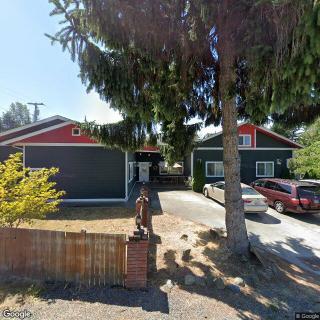
Valley Home Care
$3,500 / month24.5 miles away -
from -$700 / mo
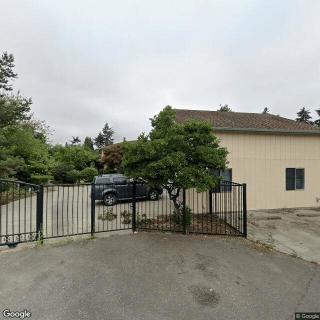
Magic Hands Adult Family Home
$3,300 / month10.4 miles away
Overall Review of Angel's Lighthouse AFH
Pros
 The program took residents on monthly outward-bound trips to parks and movies, from Mount Rainier to the ocean, and shopping as needed.
- The program fed residents very well.
Cons
 The facility is described as profiteering and unwilling to spend anything to make residents healthy, happy, or comfortable.
- The sister is frightened to ask for anything, left hungry and uncomfortable in a dark, dingy, unclean bedroom, with her body wasting away and mind troubled by nobody willing to help.
- DSHS Case Management supposedly doesn’t call back, and social services oversight seems unavailable.
- The reviewer characterizes the experience as a minus-star rating and says their heart hurts.
- Despite claims of daily activities, residents are kept in their rooms, including during meals.
- They would not follow the nephew’s diet, even though it was known he needed it.
- Meals were unhealthy (one slice of pizza and a Jell-O), and diabetic carb-tracking was not maintained.
- They refused to accept prepared meals from his mother due to concerns about what was being fed.
- They claimed counting carbs was too difficult and even borrowed a glucose test kit from another resident, risking safety.
- The reviewer warns others not to send their loved ones here and says the place should be shut down.
Review
Angel's Lighthouse AFH in Lakewood, Washington is best suited for residents who are extremely independent and for families prioritizing a low-profile, home‑like setting over a structured, care-focused environment. The facility reads like a small private residence more than a regulated assisted-living community, and its appeal rests on simplicity rather than proven health support. For anyone who requires ongoing medical oversight, careful dietary management, or dependable safety monitoring, this option is not appropriate. The clearest takeaway is that care reliability and proactive health support appear inconsistent, making it a choice to consider only if the alternative is substantially worse.
Those who might still weigh this option should recognize the red flags dominating current feedback. Families needing predictable meals, rigorous diabetic management, and clean, secure living spaces will likely fare better elsewhere. The strongest warnings come from claims of neglect, residents being underfed or uncomfortable, and living spaces described as dark or unkempt. A marked absence of timely oversight from licensing bodies and social-services agencies adds a tangible risk layer. In short, if safety, structured care, and responsive support are non‑negotiable, other communities deserve priority in the search.
On the slim pro side, the idea of a small, homelike setting and a less bureaucratic atmosphere can be appealing to families seeking a more intimate, less clinical vibe. It may attract those who equate distance from large corporate systems with personalized attention. Yet these potential advantages do not withstand scrutiny when weighed against the persistent deficiencies observed in practice, limited activities, questionable dietary adherence, and fragile health safeguards. Any sense of comfort from a non‑institutional feel is eclipsed by ongoing concerns about neglect and unreliable care.
The dominant cons are both systemic and urgent. A perceived focus on cost control appears to compromise resident well‑being, with several reviewers alleging underinvestment in basic health needs and comfort. Staffing and accountability do not seem aligned with resident safety, and care plans are described as inadequately enforced. Health and safety lapses are especially troubling: diabetic management is reportedly not tracked, meals do not respect medical restrictions, and there are troubling notes about misusing medical equipment. Residents are described as being kept in rooms during meals and activities, which erodes daily living and social engagement. Oversight gaps amplify these issues, with case management and social-service responses either slow or unavailable, leaving families with little recourse.
For families evaluating this option, a disciplined due-diligence process is essential. Visit the facility with a checklist focused on cleanliness, odor, and room upkeep; confirm that meals align with any medical restrictions and that there is documented dietary tracking. Request current menus, inputs from a nutrition professional, and a clear protocol for meal planning. Probe staff‑to‑resident ratios, shift patterns, and direct channels for discussing daily activities and safety. Verify licensing status and the most recent inspection reports, and ask about any history of complaints or citations. Demand written assurances on emergency response, crisis management, and how glucose monitoring and other medical needs are addressed. If substantial doubt remains, broaden the search to communities with solid regulatory oversight, clear care plans, and demonstrable commitments to resident wellbeing.
Overall, Angel's Lighthouse AFH warrants caution and should not be the default choice for a typical senior needing assisted living. The documented concerns, nutrition neglect, unsafe practices, questionable living conditions, and weak oversight, significantly erode any potential upside. A family’s decision should tilt toward communities with transparent operations, predictable care plans, and proactive health management. If this option is pursued, it must be accompanied by rigorous ongoing oversight, a formalized care agreement, and a clearly defined improvement timetable. In most cases, exploring better-supported alternatives will deliver safer, more dignified daily life for a loved one.
 Board and Care Home
 Activities off-site
 Bath tubs
 Devotional services off-site
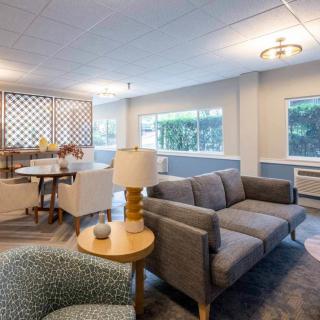
 Indoor common areas
 Outdoor common areas
 Private
 Respite or short term stays offered
 Wheelchair accessible showers
 Seattle-Tacoma International (22 miles away)
 Ambulatory care
 Diabetic care
 High acuity care
 Incontinence care
 Medication management
 Gluten-free
 BBQs or picnics
 Birthday parties
 Home Health Care Aides: Understanding Their Role and Supporting Your Family
 Urinary Tract Infections in Older Adults: Comprehensive Insights on Symptoms, Treatment, and Prevention
 California's Form 602A: An In-Depth Examination of Senior Care Assessment