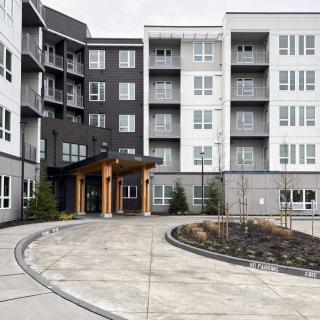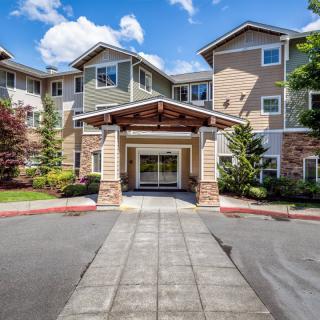
Evergreen AFH

Save
Evergreen AFH

Evergreen AFH

10603 Northeast 137th Place, Kirkland, WA 98034

For more information about senior living options: (844) 490-3973

5 from 2 reviews
Board and Care Home

Evergreen AFH Costs & Pricing

At Evergreen Adult Family Home (AFH), the monthly cost for a private room is set at $5,000. This price positions Evergreen competitively within King County, where the average cost for similar accommodations is slightly higher at $5,034. When compared to the broader landscape of Washington State, which has an average cost of $4,772 for private rooms, Evergreen AFH offers a compelling choice that balances quality care with reasonable pricing. The strategic pricing reflects Evergreen's commitment to providing personalized services while ensuring residents receive value in a caring and comfortable environment.

Floor plansEvergreen AFHKing CountyWashington
Private$5,000$5,034$4,774

Overall Review of Evergreen AFH

Pros

  • pro It is the go-to place for all care needs.
  • pro Its priority is the people it cares for.
  • pro It is a place where every person counts.
  • pro It feels homely and very warm for both employees and those cared for.
  • pro May 2019 be the year of better tidings for the Peace of Mind family.

Review

In a heartfelt message from a former employee, the organization is described as the place to be for all care needs. The note paints a picture of a facility that stands out in its field, not merely as a provider of services but as a hub where the essential elements of care - compassion, consistency, and connection - come together. The language itself signals pride in a workplace that strives to be the go-to destination for families seeking support and oversight for their loved ones, suggesting a breadth of services and a holistic approach to care.

Central to the sentiment is a clear declaration of where the organization places its priority: on the people they care for. The reviewer emphasizes that the focus is not on processes or metrics alone, but on the individuals receiving care - their needs, preferences, and dignity. This emphasis implies a culture that values personalized attention, respectful interactions, and attentiveness to each resident as a person rather than a case. In such a climate, care is framed as an act of listening, understanding, and tailoring support to what matters most to each individual.

A recurring theme in the message is that every person counts. This simple phrase carries significant weight, signaling an inclusive philosophy where every resident, family member, and colleague is recognized and valued. The idea that "every person counts" goes beyond lip service; it suggests practices that ensure inclusion, respect, and equitable treatment for all. When a care setting adopts this view as a core principle, it fosters a sense of safety and belonging that can transform day-to-day experiences for both those who receive care and those who provide it.

The review also highlights the environment itself as a defining feature: it is described as homely and very warm for both the employees and the people cared for. Such an atmosphere matters deeply in care settings, where comfort and a sense of home can ease anxiety, support well-being, and encourage genuine, compassionate interactions. The warmth extends beyond residents to the staff, implying a mutual respect and camaraderie among team members that creates a supportive workplace culture. When homes feel like a second family, the daily routines of care become more sustainable and humane.

There is a celebratory note woven into the message as well. The writer acknowledges "Peace of Mind" with a congratulatory tone and extends a hopeful wish for May 2019 to be a year of better tidings for the Peace of Mind family. This phrasing conveys optimism and a forward-looking mindset, suggesting that the organization is not only appreciated in the present but also committed to continuous improvement and growth. The language positions the entire community - residents, families, and staff - as part of a shared journey toward better outcomes and a brighter future.

As a voice from a former employee, the message carries a particular weight. It offers a perspective shaped by experience inside the organization, potentially reflecting authenticity, warmth, and a sense of pride that might be less visible to external observers. The closing sentiments imply that the values and atmosphere described are enduring and meaningful enough to endure beyond a single role. Such a perspective can resonate with others who are evaluating the culture, care standards, and everyday realities of life within the organization.

Overall, the piece portrays Peace of Mind as a care provider defined by its people-centered ethos, inclusive philosophy, and welcoming environment. It suggests a workplace where employees feel valued, residents feel safe and cared for, and families can trust that their loved ones are in a warm, attentive setting. The message leaves readers with a resonant impression of a community devoted to compassion, connection, and continual betterment - a place that could rightly be described as the heart of care, now and into the future.

Features

Types of Care

  • Board and Care Home Board and Care HomeBoard and care homes provide a smaller, more intimate setting for seniors who require assistance with daily tasks but do not need the level of care offered by a nursing home. They offer personalized care, meals, and social activities in a homelike environment, ensuring that seniors receive individualized attention and support in their golden years.

Amenities

  • Activities off-site Activities off-siteEngaging in off-site activities is crucial for seniors to maintain social connections, stay active, and stimulate their minds. It promotes overall well-being and helps combat feelings of isolation and loneliness.
  • Activities on-site Activities on-siteActivities on-site are important for seniors because they provide opportunities for socialization, mental stimulation, physical activity, and overall well-being. Engaging in activities can help seniors stay active, maintain their independence, and improve their quality of life.
  • Bath tubs Bath tubsBath tubs are important for seniors because they provide a safe and relaxing way to bathe, helping to prevent slips and falls while promoting independence and overall well-being.
  • Beautician on-site Beautician on-siteHaving a beautician on-site at a senior living community is important for seniors as it allows them to easily access grooming and personal care services, boosting their self-esteem and overall well-being. It also provides convenience and helps seniors maintain their sense of independence and personal style.
  • Cable or satellite TV Cable or satellite TVCable or satellite TV is important for seniors because it provides entertainment, news, and companionship, helping to combat loneliness and boredom. It also offers a wide range of programming options tailored to different interests and preferences.
  • Devotional services on-site Devotional services on-siteDevotional services on-site provide seniors with spiritual support and a sense of community, as well as an opportunity for reflection and guidance during their senior living experience. This can promote emotional well-being and connection to others, leading to a more fulfilling and enriching lifestyle in their later years.
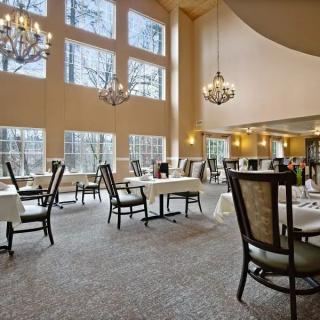
  • Indoor common areas Indoor common areasIndoor common areas are crucial for seniors as they provide a space for socialization, recreation, and community engagement, promoting overall well-being and reducing feelings of isolation and loneliness.
  • Kitchenette KitchenetteKitchenettes are important for seniors living in senior living communities because they provide the convenience and independence of being able to prepare simple meals and snacks in the comfort of their own living space. This can help promote a sense of autonomy and well-being for seniors, allowing them to maintain some level of control over their dietary choices and daily routines.
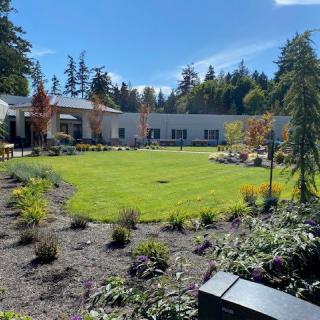
  • Outdoor common areas Outdoor common areasOutdoor common areas are important for seniors as they provide a space for socialization, physical activity, and relaxation. Being outside in nature can improve mood and overall well-being, while also encouraging movement and engagement with others. These spaces can help combat feelings of isolation and promote a sense of community among residents.
  • Private PrivatePrivacy is important for seniors as it allows them to maintain their independence, dignity, and sense of control over their own lives. It also gives them the space and freedom to relax, reflect, and engage in activities that bring them joy and fulfillment. Creating private spaces within senior living facilities is crucial for promoting overall well-being and quality of life.
  • Respite or short term stays offered Respite or short term stays offeredRespite or short term stays provide seniors with a temporary solution when their regular caregiver is unavailable, offering them the opportunity to receive additional care and support during times of need, while also giving caregivers a chance to rest and recharge.
  • Wheelchair accessible showers Wheelchair accessible showersWheelchair accessible showers are crucial for seniors as they provide a safe and independent bathing option for those with mobility challenges. These showers help prevent falls and allow seniors to maintain their dignity and autonomy while ensuring they can bathe comfortably.
  • Wi-Fi/high-speed internet available Wi-Fi/high-speed internet availableWi-Fi/high-speed internet is important for seniors to stay connected with loved ones, access online resources, and participate in virtual activities to combat feelings of loneliness and isolation. It also allows them to easily manage healthcare needs, access entertainment, and engage in lifelong learning opportunities.

Transportation

  • Seattle-Tacoma International (20 miles away) Seattle-Tacoma International (20 miles away)

Care Services

  • Diabetic care Diabetic careDiabetic care is crucial for seniors as they are more susceptible to developing diabetes due to aging and other health conditions. Proper management of diabetes can help prevent complications such as heart disease, vision loss, and nerve damage, improving the overall quality of life for seniors in senior living communities.
  • High acuity care High acuity careHigh acuity care is important for seniors because it provides specialized medical attention and support for individuals with complex medical needs. This level of care ensures that seniors receive the appropriate treatment and assistance to maintain their health and quality of life as they age.
  • Incontinence care Incontinence careIncontinence care is essential for seniors to maintain their dignity, hygiene, and overall quality of life. By addressing incontinence issues promptly and effectively, seniors can enjoy a sense of independence and comfort in their daily activities.
  • Medication management Medication managementMedication management is crucial for seniors to ensure they are taking the right medications at the correct dosages and times. This helps prevent adverse drug interactions, reduces the risk of medication errors, and promotes overall health and well-being. Proactive management also allows for adjustments as needed based on changing health conditions or new prescriptions.

Dining

  • Anytime dining Anytime diningAnytime dining is important for seniors because it allows them the flexibility to eat when they are hungry, rather than being restricted to set meal times. This can be especially beneficial for those with medical conditions or medications that affect their appetite, as well as those who may have difficulty adhering to a strict dining schedule. Overall, anytime dining promotes independence and overall well-being for seniors in senior living communities.
  • Gluten-free Gluten-freeGluten-free options are important for seniors as they are more prone to digestive issues and dietary sensitivities. Offering gluten-free meal choices in senior living communities can help improve their overall health and well-being.
  • Low / no sodium Low / no sodiumLow/no sodium options are important for seniors because excessive sodium intake can lead to high blood pressure, heart disease, and other health issues commonly experienced by older adults. By choosing low/no sodium foods, seniors can better manage their health and reduce their risk of developing these conditions.
  • Meals provided Meals provided"Meals provided" are crucial for seniors in assisted living communities as it ensures they have access to nutritious, balanced meals without the stress of meal planning and preparation. This can help promote overall health and well-being for seniors who may have limited mobility or cognitive abilities.
  • No Sugar No SugarNo sugar diets are important for seniors because they can help prevent or manage chronic conditions such as diabetes, heart disease, and obesity. Sugar can also contribute to cognitive decline and inflammation in the body, so reducing sugar intake can lead to overall improved health and well-being in older adults.
  • Vegan VeganVegan diets can provide numerous health benefits for seniors, including lower risk of chronic diseases, improved digestion, and increased energy levels. Additionally, plant-based diets are often rich in essential nutrients that can support overall well-being and longevity in older adults.
  • Vegetarian VegetarianA vegetarian diet is important for seniors because it can help lower the risk of chronic diseases, maintain a healthy weight, and provide essential nutrients needed for aging bodies. Additionally, plant-based diets are often easier on digestive systems and can contribute to overall well-being in older adults.

Activities

  • Activities on-site Activities on-siteActivities on-site are important for seniors because they provide opportunities for socialization, mental stimulation, physical activity, and overall well-being. Engaging in activities can help seniors stay active, maintain their independence, and improve their quality of life.
  • Bible study group Bible study groupBible study groups provide seniors with a sense of community, spiritual growth, and support during their later years. It helps them stay connected to their faith, find comfort in difficult times, and build meaningful relationships with others.
  • Book club Book clubBook clubs are important for seniors because they provide socialization, intellectual stimulation, and a sense of community. They offer the opportunity to engage in meaningful discussions, share perspectives, and connect with others who share a love of reading. Book clubs can also help seniors stay mentally active and combat feelings of loneliness or isolation.
  • Bridge club Bridge clubBridge clubs are important for seniors as they provide social interaction, mental stimulation, and a sense of belonging. Engaging in the game of bridge can help improve memory, critical thinking skills, and overall cognitive function. Additionally, participating in a bridge club can combat feelings of isolation and loneliness that are common among seniors.
  • Cards / pinochle club Cards / pinochle club"Cards / pinochle club" provide social interaction, mental stimulation, and a sense of community for seniors, promoting overall well-being and reducing feelings of loneliness and isolation.
  • Cooking club Cooking clubCooking clubs are important for seniors as they provide social interaction, mental stimulation, and the opportunity to learn new recipes and cooking techniques. These clubs also promote healthy eating habits and can improve overall well-being and quality of life for seniors.
  • Current events club Current events clubCurrent events clubs are important for seniors as they provide an opportunity to stay engaged, informed, and connected with the world around them. These clubs offer a space for discussion, debate, and social interaction, helping seniors to remain mentally stimulated and socially active. Additionally, participating in current events clubs can help seniors feel a sense of purpose and belonging within their community.
  • Devotional activities on-site Devotional activities on-siteDevotional activities on-site provide seniors with a sense of community, spiritual fulfillment, and emotional support, promoting overall well-being and a positive sense of purpose in their lives.
  • Live dance or theater performances Live dance or theater performancesLive dance or theater performances are important for seniors because they provide opportunities for socialization, mental stimulation, and emotional engagement. These performances can help combat feelings of isolation and loneliness, while also offering a sense of connection to the arts and culture. Additionally, watching live performances can bring joy and create lasting memories for seniors in their later years.
  • Resident band or musicians Resident band or musiciansResident bands or musicians provide entertainment, socialization, and a sense of community for seniors in senior living communities. Music has been proven to have numerous health benefits including reducing stress, improving mood, and enhancing cognitive function. Having regular musical performances can greatly enhance the quality of life for seniors and create a welcoming and enjoyable atmosphere.
  • Walking club Walking clubWalking clubs are important for seniors as they promote physical activity, social interaction, and overall well-being. Regular exercise like walking can improve balance, strength, and cardiovascular health while connecting seniors with their community and reducing feelings of loneliness or isolation. Joining a walking club can also provide motivation, accountability, and a sense of belonging for older adults looking to stay healthy and active.
  • Wine tasting Wine tastingWine tasting can be a fun and social activity for seniors, allowing them to engage their senses, learn about different varieties of wine, and potentially meet new friends. It also offers health benefits such as improved cognitive function and reduced risk of heart disease when consumed in moderation.
  • Yoga / chair yoga Yoga / chair yogaYoga and chair yoga are important for seniors as they promote flexibility, balance, strength, and overall wellbeing. These practices can help improve mobility, reduce stress, and enhance mental clarity, ultimately leading to a higher quality of life in their senior years.

Description

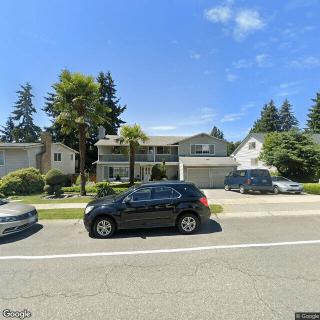
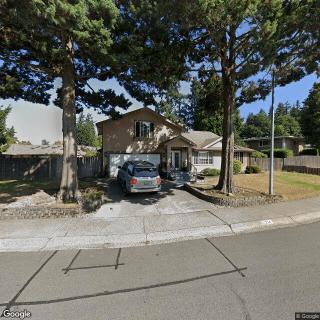
Evergreen AFH is a premier assisted living community located in Kirkland, WA. Our community offers a wide range of amenities and care services to ensure that each resident feels comfortable and well taken care of.

Residents at Evergreen AFH can enjoy a variety of activities right on-site, including various clubs such as the book club, bridge club, and cooking club. For those who prefer a more spiritual experience, we also offer Bible study groups and devotional activities. Additionally, residents can look forward to live dance or theater performances and even wine tastings.

Our community features both indoor and outdoor common areas where residents can socialize with their peers or simply relax. The kitchenette allows for convenient meal preparation if desired, but our dedicated dining staff also provides delicious meals that cater to specific dietary needs such as gluten-free, low/no sodium, vegan, vegetarian, and no sugar options.

At Evergreen AFH, we prioritize the health and well-being of our residents. Our care services include high acuity care for those with more complex medical needs as well as medication management for all residents. We also provide incontinence care to ensure comfort and dignity.

In terms of nearby amenities, our community is conveniently located near numerous cafes, parks, pharmacies, physicians' offices, restaurants, and theaters. This ensures that residents have easy access to everything they need within their local area.

Overall, Evergreen AFH offers a vibrant and supportive assisted living environment where residents can enjoy engaging activities while receiving personalized care tailored to their individual needs. We strive to create a warm and welcoming community where seniors can thrive and make lasting connections.

Nearby Places of Interest

Located in the charming city of Kirkland, Washington, this area offers convenient access to essential amenities for seniors. With multiple pharmacies including Safeway Pharmacy and QFC Pharmacy within close proximity, residents can easily manage their medications. Various cafes such as Starbucks and Dont Yell At Me provide welcoming environments for socializing or enjoying a cup of coffee. Nearby restaurants like Chick-Fil-A and The Bine Beer & Food offer dining options for every taste. Medical care is readily available with clinics like Lakeshore Clinic and Allegro Pediatrics located nearby. For recreation, Cinemark Totem Lake And XD theater and several parks such as Juanita Beach Park and Big Finn Hill Park offer opportunities for leisurely activities. Overall, this part of Kirkland provides a well-rounded environment for seniors seeking a comfortable and convenient living experience.

Pharmacies

  • Safeway Pharmacy (0.4 miles)
  • QFC Pharmacy (0.8 miles)
  • Rite Aid (1.4 miles)
  • Walgreens (1.4 miles)
  • Rite Aid (3.1 miles)
  • Walgreens (3.2 miles)
  • Rite Aid (3.4 miles)

Cafes

  • Starbucks (0.4 miles)
  • Don’t Yell At Me 不要對我尖叫 (1.1 miles)
  • Urban Coffee Lounge (1.3 miles)
  • Sidekick Coffee (2.7 miles)
  • Starbucks (3.2 miles)
  • Google (3.7 miles)
  • Crystal Creek Cafe (4.9 miles)

Restaurants

  • McDonald's (0.4 miles)
  • McDonald's (1.3 miles)
  • Chick-Fil-A (1.3 miles)
  • Taco Bell (1.7 miles)
  • The Bine Beer & Food (2.6 miles)
  • The Cottage (2.6 miles)
  • The Guest House (2.6 miles)

Physicians

  • Lakeshore Clinic (0.9 miles)
  • Allegro Pediatrics - Totem Lake (1 miles)
  • EvergreenHealth (1.1 miles)
  • Lakeshore Clinic (2.7 miles)
  • Bellevue Vision Clinic (2.8 miles)
  • Group Health Cooperative: Redmond Primary Care (4.7 miles)
  • Larson Nancy Allegro Pediatrics (5.1 miles)

Theaters

  • Cinemark Totem Lake And Xd (1.1 miles)

Parks

  • Juanita Beach Park (1.5 miles)
  • Big Finn Hill Park (1.6 miles)
  • Blyth Park (1.9 miles)
  • Highlands Park (2.3 miles)
  • Wilmot Gateway Park (2.6 miles)
  • O.O. Denny Park (2.7 miles)
  • Bridle Trails State Park (2.7 miles)

Places of Worship

  • Hindu Temple & Cultural Center (5.7 miles)

Hospitals

  • Seattle Children's Hospital (5.7 miles)
  • Northwest Hospital (6.5 miles)

Transportation

  • Northgate Transit Center (6.2 miles)
  • Northgate Station Seattle (6.2 miles)
  • Roosevelt Station Seattle (6.4 miles)
  • U District Station (6.9 miles)

Frequently Asked Questions

How much does it cost to live at Evergreen AFH in Kirkland, WA?
Where is Evergreen AFH?

Nearby Communities

Related Resources

  • fecal incontinenceFecal Incontinence in Older Adults: A Comprehensive Guide

    Fecal incontinence, prevalent among older adults, arises from factors like weakened pelvic muscles and nerve damage, significantly affecting well-being and social interactions. Diagnosis involves clinical evaluation and tests to inform tailored treatments, while caregivers and preventive measures can aid in managing the condition effectively.

  • anticipatory griefRecognizing the Journey: Understanding and Navigating Anticipatory Grief

    Anticipatory grief is an emotional response to the impending loss of a loved one, characterized by complex emotions such as sadness and anger, and involves navigating stages similar to those identified by Kübler-Ross. Coping strategies are vital for managing this process, emphasizing compassionate communication, self-care, and support groups while recognizing the cultural influences on grieving.

  • adult day careEncouraging Participation in Adult Day Care: A Guide to Supporting a Hesitant Parent

    Adult day care programs offer essential support and activities for older adults, yet many hesitate to participate due to concerns about independence and stigma. To alleviate these apprehensions, families should facilitate open discussions, explore financial resources, suggest trial visits, and collaborate with healthcare providers to highlight the benefits of such services for both the participants and their caregivers.