
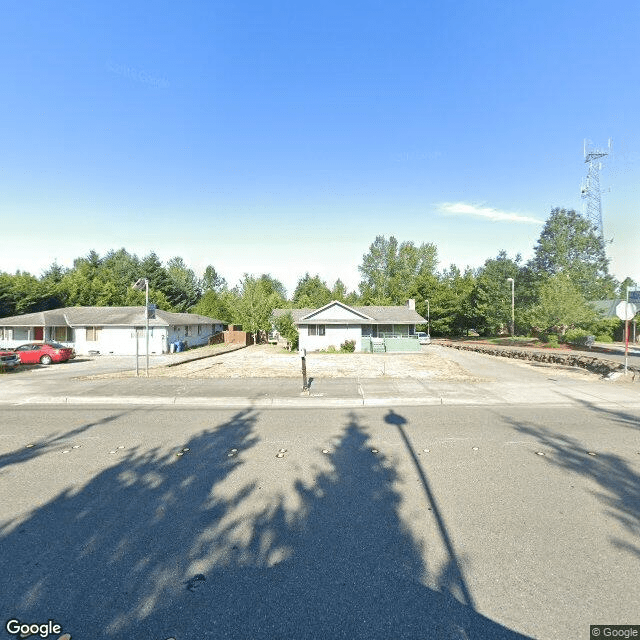
27607 108th Ave SE, Kent, WA 98030
To contact a resident: (253) 951-2513
For more information about senior living options: (866) 208-4318
Happy Oasis Adult Family Home Costs & Pricing
Happy Oasis Adult Family Home offers competitively priced accommodations compared to the broader market in King County and the state of Washington. For a semi-private room, residents pay $3,000 per month, which is significantly lower than the county average of $4,430 and the state average of $4,267. Those opting for a private room at Happy Oasis will find that the monthly cost is $3,500 - again more economical than King County's average of $5,034 and Washington state's average of $4,772. This pricing structure positions Happy Oasis as an attractive option for individuals seeking quality care without the financial strain typically associated with adult family homes in this region.
| Floor plans | Happy Oasis Adult Family Home | King County | Washington |
|---|---|---|---|
| Semi-Private | $3,000 | $4,430 | $4,272 |
| Private | $3,500 | $5,034 | $4,774 |
Senior living communities with a similar price nearby
-
from +$375 / mo
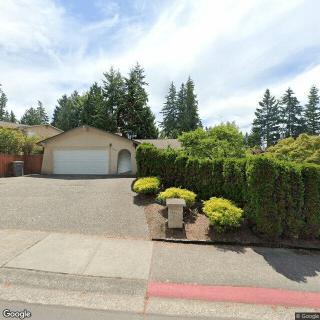
Evergreen Manor Senior Care Inc
$3,375 to $7,500 / month23.6 miles away -
About the same
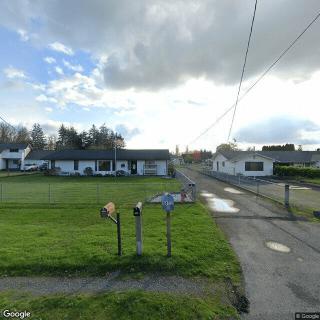
Hummingbird Homecare
$3,000 / month6.7 miles away -
About the same
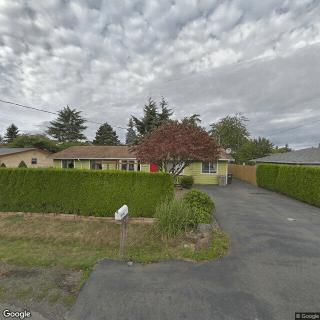
Home Care in Kent Inc.
$3,000 to $3,500 / month2.4 miles away -
from +$500 / mo

Twin Lakes Haven Adult Family Home
$3,500 to $8,000 / month8.2 miles away -
from -$500 / mo
Freedom Care
$2,500 to $3,000 / month6.5 miles away
Overall Review of Happy Oasis Adult Family Home
Pros
 Happy Oasis has provided loving care for more than five years.
- The caregivers and owner deserve respect and appreciation for everything they do for the relative.
- The family expresses heartfelt gratitude for the care and support.
Cons
 He is difficult to look after because of his illness.
- He has needy behavior, which has caused the family to move several times.
- He never lived in a place like that and has a hard time understanding why he is there.
Review
Happy Oasis Adult Family Home in Kent, Washington, is best suited for families seeking a small, intimate, home-like setting where a loved one can receive steady, affectionate caregiving over the long term. It excels for seniors who thrive on consistent, personal attention and for relatives managing complex needs that require patience and hands-on support rather than a sterile, institution-like environment. The setting naturally appeals to those who prioritize continuity, stable rooms, familiar faces, and a daily routine that feels more like a family home than a care facility. In short, this community is designed for residents who want warmth, neighborly care, and a caregiver network that knows their story and sticks with it.
Who should consider alternatives? If a resident requires higher-level medical oversight, emergency on-call nursing, or advanced dementia-specific programming, a larger operator with more clinical resources may serve better. Families needing a broad calendar of structured activities, frequent on-site therapy, or multiple levels of care, from assisted living to skilled nursing, will likely find more comprehensive support elsewhere. And for those who value redundancy in staffing or worry about relying on a single, owner-operated model, exploring a bigger community that offers more staff coverage and formal systems could reduce risk. The decision should hinge on acuity, risk tolerance, and which care rhythm most closely aligns with the senior’s daily reality.
From the perspectives available, the defining strength is the palpable dedication of staff and the owner’s hands-on involvement. One family notes more than five years of loving care for their relative, who faced challenging illness and behavior, and the caregivers and owner earned enduring respect and heartfelt gratitude. This long-tenured, attentive care translates into stability, fewer moves, and a level of trust that can be hard to secure in larger settings. For families navigating complex needs, that continuity often becomes the differentiator between peace of mind and ongoing disruption.
The data behind this community remains narrow, which matters in practical decision-making. With only three reviews, there is limited breadth to gauge consistency across shifts, holidays, or shifting care demands. The realities of a small, private home setting can also hide potential gaps in immediate medical escalation, variable activity programming, or reliance on a compact team if the owner or lead caregivers become unavailable. These are not fatal flaws, but they are realities to verify through a current tour, a clear discussion of daily routines, and confirmation of licensing and staffing practices before committing.
Nevertheless, the core advantages largely offset these considerations. The strongest offset is continuity: staff members who stay long-term and a hands-on owner who coordinates care, reducing the upheaval that often accompanies transitions. The result is a resident who feels seen and attended to, with a daily life that remains predictable even when illness or behavioral challenges arise. For families, this translates into lower emotional strain, fewer caregiving disruptions, and a more coherent approach to past preferences and routines. The personal touch in a home-like setting is a meaningful counterweight to the constraints of a smaller operation.
For families weighing options, Happy Oasis represents a pragmatic choice when proximity, a warm environment, and dependable, compassionate care take priority. A structured visit is essential: request an updated care plan, speak with several caregivers about daily routines and emergency steps, and confirm licensing and staffing levels. If medical acuity rises, dementia-specific needs emerge, or a broader activity slate is non-negotiable, be prepared to explore alternatives with larger communities that can offer more extensive clinical oversight. When fit checks out, the combination of devoted staff and decisive leadership can deliver the steady, loving care that families seek and rely on.
 Board and Care Home
 Activities off-site
 Bath tubs
 Devotional services off-site
 Indoor common areas
 Outdoor common areas
 Private
 Private bathrooms
 Respite or short term stays offered
 Wheelchair accessible showers
 Seattle-Tacoma International (8 miles away)
 Diabetic care
 High acuity care
 Incontinence care
 Medication management
 Kosher
 Navigating the Financial Road to Nursing Home Care: In-Depth Guidance and Resources
 Supportive Employee Benefits That Help Caregivers Attain Better Work-Life Harmony
 Top Cars for Senior Drivers and Essential Safety Innovations