
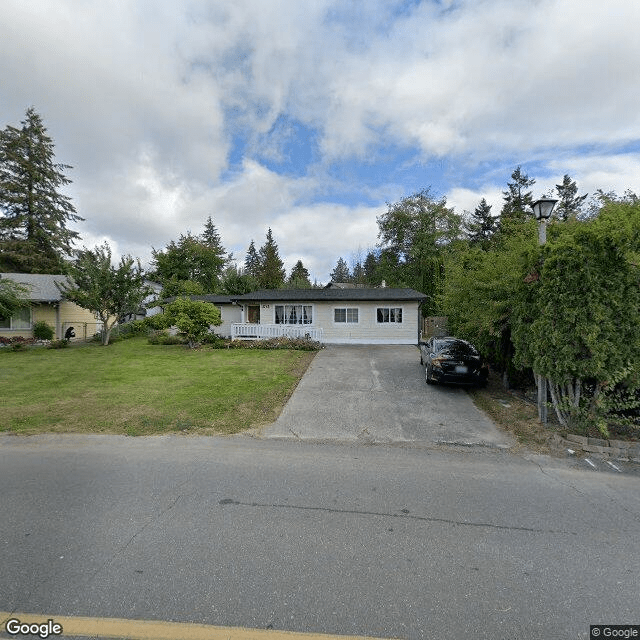
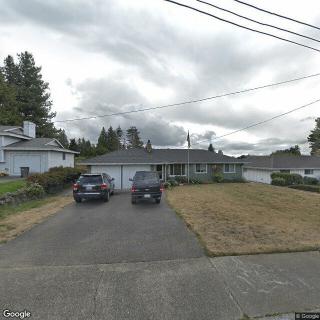
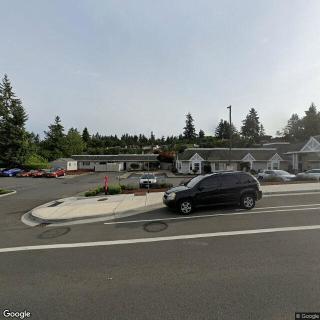
2742 Athens Way Northeast, Bremerton, WA 98311
To contact a resident: (360) 337-7485
For more information about senior living options: (866) 208-4318
Rolling Hills AFH Costs & Pricing
Rolling Hills Adult Family Home offers its residents a unique level of care and service, reflected in its monthly costs. With both private and semi-private rooms priced at $6,000, Rolling Hills stands higher than the average monthly costs in Kitsap County and across Washington State. In comparison, Kitsap County reports an average of $4,406 for private rooms and $4,280 for semi-private accommodations, while the broader state averages are slightly lower at $4,772 and $4,267 respectively. This premium pricing at Rolling Hills can be attributed to the home's commitment to quality care, personalized services, and an enriching living environment that prioritizes resident well-being.
| Floor plans | Rolling Hills AFH | Kitsap County | Washington |
|---|---|---|---|
| Private | $6,000 | $4,406 | $4,774 |
| Semi-Private | $6,000 | $4,280 | $4,272 |
Senior living communities with a similar price nearby
-
from +$500 / mo
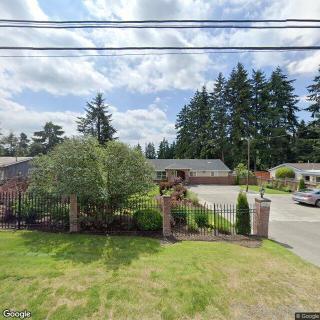
The Promised Land
$6,500 / month20.6 miles away -
About the same
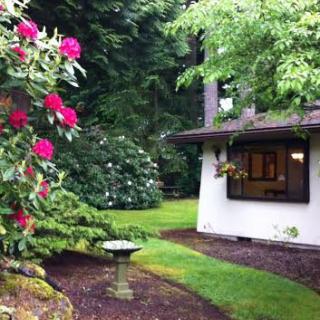
Home Away From Home LLC
$6,000 to $7,000 / month21.5 miles away -
from +$400 / mo
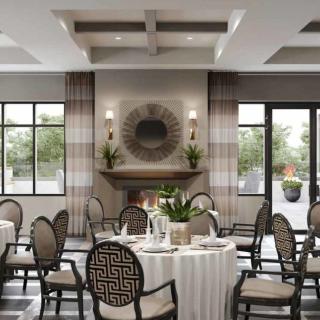
The Park at Belle Harbour
$6,400 to $15,500 / month19.9 miles away -
About the same
Elderly Home Care
$6,000 to $8,000 / month19.9 miles away -
from -$250 / mo
Fieldstone Rolling Bay and Fieldstone Memory Care
$5,750 to $8,895 / month5.9 miles away
Overall Review of Rolling Hills AFH
Pros
 The environment is quiet and clean, and the staff are loving.
- The care staff provide excellent care for the mom.
- The staff are highly wonderful people.
- Her overall care, nutrition, and activities are going very well.
- She is more than happy and treats each day as a big adventure.
- The senior caregiver was awesome.
- She kept a patient care binder and reviewed it at each visit.
- Compassion, patience, and genuine quality caregiving are evident.
- RHAFH is recommended for families needing this kind of home.
Cons
 They did not feel comfortable there.
- The caregivers did not make the mom feel welcome or talk to her; they only talked to the reviewer.
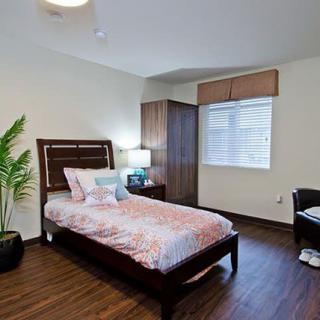
- The room shown was dirty and dusty, with personal belongings and prescription bottles on both sides of the bed.
- There was no joy there.
Review
Rolling Hills AFH in Bremerton is best suited for families seeking a quiet, home-like setting where caregiving is personal, attentive, and consistently managed. It serves seniors who benefit from a small-scale environment, predictable daily routines, and a close-knit caregiving team that prioritizes daily nutrition, activities, and steady oversight. The strongest fit is for loved ones who value direct, ongoing communication with caregivers and a clear, documented approach to care, evidenced by the strong caregiver engagement and the use of a care binder to track meds, appointments, and concerns. In short: for families prioritizing warmth, reliability, and a practical, affordable path to daily living, Rolling Hills offers a compelling fit.
Those who may want to consider alternatives include families seeking a more consistently social atmosphere with high resident-to-resident interaction and a consistently outgoing staff persona. One review notes a disconnect: staff did not welcome the resident, and a room presented as dusty and lacking joy. That level of discord can frustrate families who want seen and engaged with the resident at the bedside, not just through the family member. While other residents and families report compassionate care, the mixed experiences suggest that household dynamics and staff assignment can dramatically affect day-to-day satisfaction, making other communities worth a look for those priorities.
On balance, the strongest positives, compassionate, capable caregivers; reliable daily care; good nutrition; meaningful activities; and robust family communication, often offset the occasional misgivings about engagement and cleanliness. Several reviews highlight staff who are described as wonderful and patient, and one family notes that the care team maintained a thorough binder that made it easy to review medications, doctor visits, and current concerns. The combination of price, location, and availability also renders this option practical for families watching budgets while still wanting a supportive home environment. When these elements align, the resident’s quality of life can improve markedly, turning what might be a routine placement into a true daily well-being boost.
Yet the caveats cannot be ignored. The negative feedback centers on a resident who felt unseen at the bedside and a room that did not meet expectations for cleanliness. These gaps in warmth and upkeep are meaningful, especially in a setting designed to feel like a home. They do not invalidate the many positive experiences, but they underscore a key point: consistency matters. Prospective residents should probe during tours about daily staff coverage, how frequently caregivers interact with residents one-on-one, and what housekeeping standards are routinely upheld. Observing a shift-change period or requesting to speak with multiple caregivers can reveal whether the environment will deliver the supportive, engaging atmosphere envisioned.
For families evaluating this community, Rolling Hills AFH offers a practical balance: intimate setting, dependable caregiving, structured communication, and a favorable combination of price and location. It is particularly suitable for seniors who flourish with routine, quiet surroundings, and a home-like cadence to meals and activities. Those who need vibrant social programming, highly visible daily interaction with staff, or hotel-like amenities should widen the search. A decisive step is to visit and meet the caregiver team, request the care binder review, and ask to see sample menus and activity calendars across a typical week.
In the end, Rolling Hills AFH is a solid choice for families prioritizing compassionate care, clear family communication, and an affordable, intimate setting. When these strengths matter most, stable routines, hands-on caregivers, and a practical care-management framework, the positives strongly outweigh the drawbacks. However, if resident happiness hinges on consistently energetic staff engagement or immaculate housekeeping at all times, it is prudent to compare alternatives and, if possible, observe a full day of care. The recommended approach is to schedule a tour, speak with several caregivers, and verify that the care binder routine aligns with the family’s informational needs and the resident’s expectations.
 Board and Care Home
 Activities off-site
 Indoor common areas
 Outdoor common areas
 Private
 Private bathrooms
 Wheelchair accessible showers
 Seattle-Tacoma International (19 miles away)
 Diabetic care
 High acuity care
 Incontinence care
 Medication management
 Meals provided

 A Comprehensive Exploration of Common Misunderstandings about Powers of Attorney
 Senior Move Management: Understanding the Role, Value, and Associated Costs
 Weight Training for Seniors: Building Strength and Vitality