
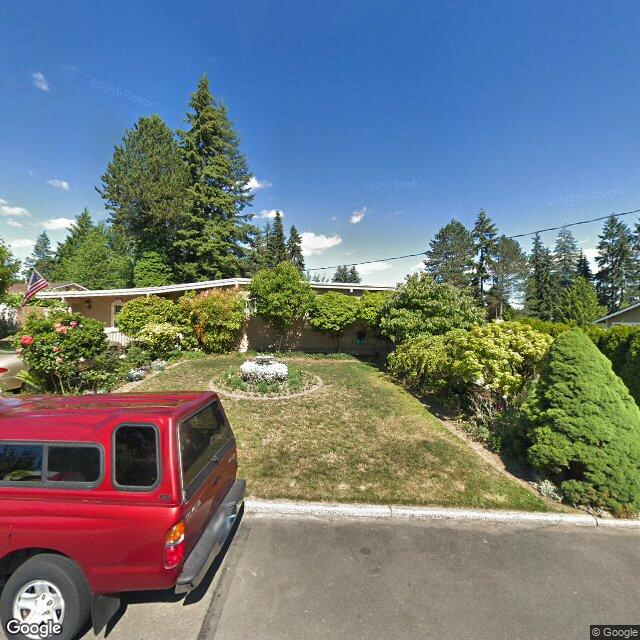
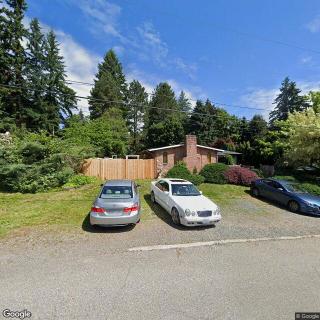
1630 169th Ave NE, Bellevue, WA 98008
To contact a resident: (425) 644-7471
For more information about senior living options: (866) 208-4318
Good Choice AFH Costs & Pricing
Good Choice AFH offers a competitive pricing structure for its private rooms, set at $3,500 per month. This rate is significantly lower than the average costs in King County, which stands at $5,034, and also undercuts the state average of $4,772 for similar accommodations. Such affordability positions Good Choice AFH as an attractive option for individuals seeking quality care in a more budget-friendly environment without compromising on the level of service.
| Floor plans | Good Choice AFH | King County | Washington |
|---|---|---|---|
| Private | $3,500 | $5,034 | $4,774 |
Senior living communities with a similar price nearby
-
About the same
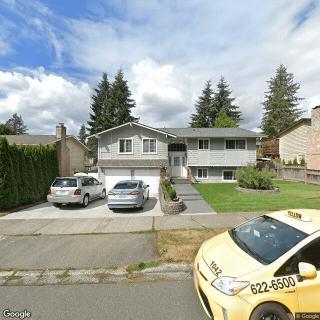
Dignity Life
$3,500 / month15.4 miles away -
from -$125 / mo
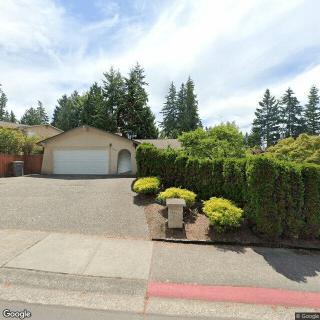
Evergreen Manor Senior Care Inc
$3,375 to $7,500 / month5.5 miles away -
from +$500 / mo
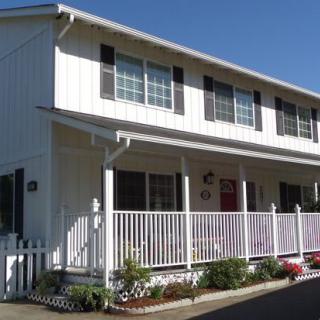
Meadow Crest Senior Home
$4,000 to $6,000 / month8.7 miles away -
from -$500 / mo
Caring Adult Family Home #1
$3,000 / month10.4 miles away -
from +$500 / mo

Riverton Home Care
$4,000 to $5,000 / month13.2 miles away
Overall Review of Good Choice AFH
Pros
 They were appreciative that Turcus and staff hung in there during the tumultuous transition.
- The family was grateful for the father's care and time.
- The father's passing was handled well, and Cornell attended the memorial.
- They found alignment with the new AFH's care philosophy, and most stress dissipated.
- They found that once the right home for their loved one was found, things got better.
- They wished others the best in their search.
Cons
 The transition was difficult for him, and he fought it, sometimes physically.
- The transition was tumultuous.
- He could not remain at home.
- The loved one and their family were not a good fit for this AFH due to its care philosophy.
- They realized fairly early on, about 1–2 months in, that it was not a good fit.
Review
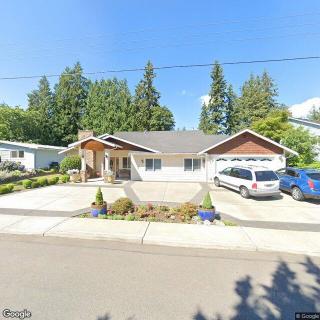
Good Choice AFH in Bellevue is best suited for families seeking a small, home-like setting for a senior who is recovering from a significant injury or surgery and who remains cognitively capable enough to engage with caregivers. The arrangement works best when one person requires daily oversight, steady routines, and personal attention rather than anywhere near a hospital or large-scale assisted living environment. In that light, it shines when the goal is a gentle transition from hospital or home care into a stable, family-feel atmosphere. When transitions are handled with persistence and warmth, as reflected by the staff’s steady support through a difficult recovery, residents can settle into a predictable routine and enjoy genuine, ongoing caregiver relationships.
On the other hand, those facing dementia, advanced memory challenges, or the need for robust, ongoing clinical oversight should consider alternatives. One family’s experience underscores the risk: a misalignment between the facility’s care philosophy and the loved one’s needs led to an early relocation. While the transition was painful, the family found relief once the resident moved to a setting whose approach better matched dementia care expectations. For families prioritizing consistent memory-care programming, secure environments, or more formal medical management, a larger, purpose-built memory care community is typically a more reliable fit.
The strongest positives center on staff dedication and the intimate, neighborhood-like atmosphere. The caregivers are seen as partners in recovery, not just caregivers, with a willingness to shoulder challenging transitions and to stay the course through difficult days. When things click, residents benefit from routine, familiar faces, and a level of personal attention that often gets diluted in bigger facilities. The emotional supports, such as attending a memorial or engaging with family members over time, signal a depth of relationship that can make a tough period more bearable and, eventually, more manageable. In short, the pro of a tight-knit, committed staff is a meaningful hedge against the chaos common in early post-acute periods.
The evident con is the fit question. If dementia or complex behavioral needs are present, the care philosophy and daily programming may not align with family expectations or the resident’s requirements, and the result can be disruptive, even destabilizing. The risk is not mere inconvenience but a fundamental mismatch in goals of care, which can trigger a move, adding stress for everyone involved and prolonging the process of finding the right environment. In such cases, the apparent advantages of intimacy and devoted staff do not fully compensate for the misalignment, and prolonged uncertainty can color the overall experience.
Yet the pros do offset the cons when the resident’s needs match the model. For recovering seniors who still manage with mild cognitive function and a high need for personal, hands-on attention, the advantages of a homelike setting, strong caregiver bonds, and the ability to tailor routines often outweigh the potential drawbacks. When care philosophy is clearly aligned from the outset, the transition from hospital or home life can feel less disruptive, and the family’s trust in caregiving is reinforced by visible commitment and continuity.
Bottom line: Good Choice AFH represents a solid, practical option for Bellevue families prioritizing a small, intimate environment and a stable, person-centered approach during post-acute recovery or ongoing supportive care for cognitively capable seniors. For families confronting dementia, aggressive medical needs, or a demand for formal memory-care programming, alternatives with built-in dementia specialization and larger clinical teams are advisable. Prospective families should probe care philosophy early, ask about dementia training and staff-to-resident ratios, and, crucially, explore how transitions are managed and how closely daily routines will align with the resident’s needs and the family’s expectations. This due diligence will determine whether the strengths of a devoted, family-like AFH can be fully realized.
 Board and Care Home
 Activities off-site
 Bath tubs
 Beautician on-site
 Devotional services off-site
 Indoor common areas
 Outdoor common areas
 Private
 Private bathrooms
 Respite or short term stays offered
 Wheelchair accessible showers
 Seattle-Tacoma International (15 miles away)
 Diabetic care
 High acuity care
 Medication management
 Kosher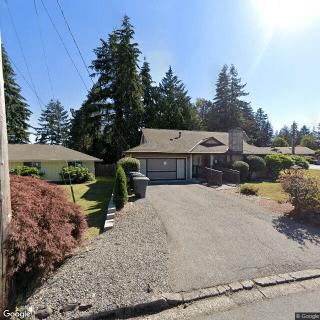
 Nurturing Our Loved Ones: A Daughter's Journey in Caring for Her Mother
 Nurturing Our Elders: Linda's Journey of Supporting Her Mother
 A Comprehensive Exploration of Common Misunderstandings about Powers of Attorney