
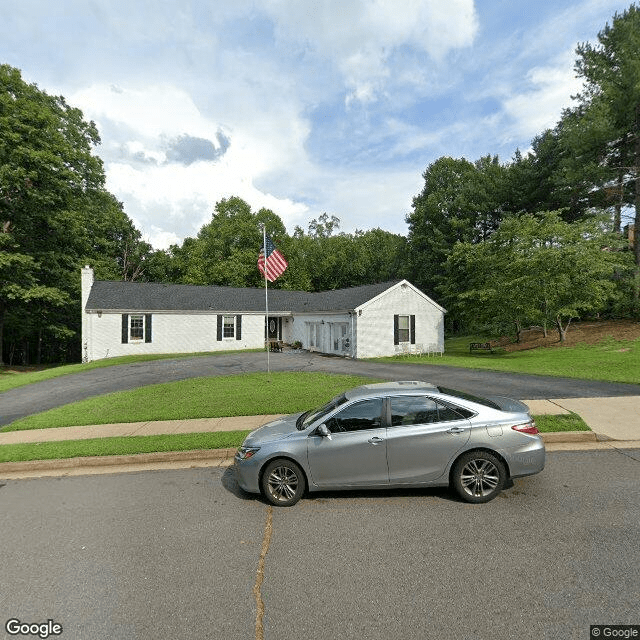
12395 Forest Hill Road, Woodbridge, VA 22192
For more information about senior living options: (866) 208-4318
Aspen Hill Assisted Living Costs & Pricing
Aspen Hill Assisted Living offers a private room at a competitive rate of $4,000 per month, positioning itself slightly above the average for Prince William County, which is priced at $3,675. However, this cost is more affordable compared to the broader Virginia state average of $4,684 for similar accommodations. This pricing structure reflects Aspen Hill's commitment to providing quality care and a comfortable living environment while remaining mindful of regional market trends. By choosing Aspen Hill, residents can enjoy personalized services and amenities that enhance their quality of life without straying too far from their budgetary considerations.
| Floor plans | Aspen Hill Assisted Living | Prince William County | Virginia |
|---|---|---|---|
| Private | $4,000 | $3,675 | $4,684 |
Assisted Living communities with a similar price nearby
-
from +$325 / mo
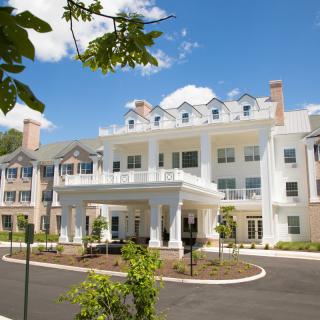
The Wellington at Lake Manassas Community
$4,325 to $7,025 / month21.0 miles away -
About the same
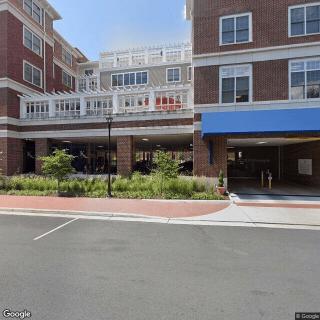
The Kensington of Falls Church
$3,960 to $7,150 / month15.3 miles away -
from -$650 / mo
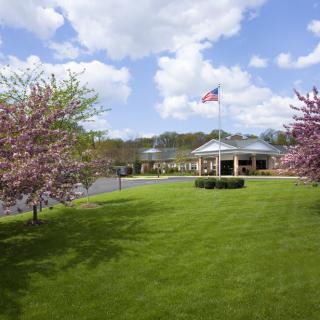
Paul Spring Retirement Community
$3,350 to $7,180 / month13.3 miles away -
from +$200 / mo

Assisted Living at Hawkins Gate
$4,200 / month23.0 miles away -
About the same
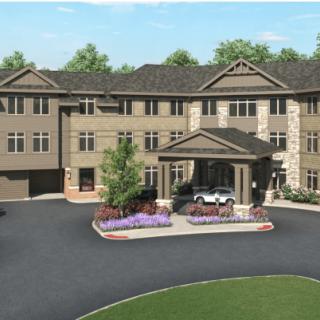
The Kensington Reston
$4,000 to $9,500 / month18.3 miles away
Overall Review of Aspen Hill Assisted Living
Pros
 They treat residents like family, creating a warm, home-like environment.
- Aspen Hill is the gold standard in assisted living.
- The staff are professional and caring toward residents and their families.
- Their attention to small details makes the transition from home much easier for the entire family.
- They exceed state expectations in caregiving and operations.
- Aspen Hill functions as a big extended family inside the homes.
- Aspen Hill truly is home for its residents.
Review
Aspen Hill Assisted Living in Woodbridge, Virginia is best suited for families that want a home-like, family-first care environment where residents are treated with genuine warmth and where staff form deep, ongoing relationships with both residents and their loved ones. The reviews repeatedly describe a team that feels more like an extended family than a care staff, led by Vicky and Genet, who are singled out for their capability and compassion. It’s the kind of setting where the smallest daily details, how space is used, how needs are anticipated, how visits are coordinated, and how nursing care is scheduled, are all tuned to keep a loved one settled, understood, and cherished. In short, Aspen Hill excels for families seeking emotional security and a sense of “home” for the person they’re prioritizing.
Those who should consider alternatives are families who want a more clinical, highly standardized facility, or who seek a setting with less ongoing family involvement or less intimate daily interaction with staff. The stories here describe a level of attentiveness and a culture of connection that may feel too personal or hands-on for some. If independence and a more hands-off, businesslike approach to care are paramount, or if the budget pushes toward models with leaner staffing and more self-directed routines, exploring options with a more procedural cadence or a stronger emphasis on autonomy may be prudent.
The strongest pros, unmistakably, offset any potential drawbacks by delivering on the core expectations of high-quality, compassionate care. The “gold standard” in cleanliness, thoughtful use of space, and a layout that anticipates residents’ needs create an environment where daily life is smooth and dignified. Nursing coverage is coordinated with administrative support, ensuring that care plans, medication administration, and scheduling stay aligned with family expectations. The result is peace of mind for families who want to know their loved one is not only cared for, but cared for with a level of attentiveness that feels personal and constant rather than transactional.
A second layer of strength rests in the sense of belonging that permeates Aspen Hill. The staff are described as building strong, visible connections with families and visitors, creating a transparent, collaborative care model. The “one big extended family” atmosphere is not merely a sentiment but a functional framework that reduces anxiety for loved ones and accelerates trust between caregivers and families. This culture translates into reliable continuity of care, easier transitions from home, and fewer moments of second-guessing decisions because the care team and the family are aligned, regularly communicating and working in tandem around the resident’s goals and comfort.
The business model at Aspen Hill also deserves emphasis. Reviews portray a facility that holds itself to standards that go beyond state requirements, with an operating approach that emphasizes relationships, quality, and accountability. The lack of a waiting list in this context signals strong placement readiness and a streamlined path to move-in for families who need timely options. That operational efficiency, paired with deep relational care, means that serious concerns about placement delays or a sense of being rushed into decisions are largely mitigated. For families prioritizing immediate, hands-on, exemplary care, these factors materially enhance overall decision confidence.
Ultimately, Aspen Hill stands out for those who prize a home atmosphere and intimate, dependable care over the more impersonal, institution-like models. It is a compelling fit for residents who respond well to a caregiver team that treats them with family-level warmth, attentive detail, and a coordinated approach that keeps families in the loop and involved. For families seeking a highly structured clinical setting, or for those who want a lighter touch in day-to-day oversight, it makes sense to compare options that emphasize autonomy and brisk, process-driven routines. In essence, Aspen Hill is the recommended choice when the goal is trust, continuity, and an environment that feels like a secure, welcoming home, where care is personal, unwavering, and deeply relational.
 8 resident community capacity
 Assisted Living
 Board and Care Home
 Cats allowed
 Dogs allowed
 Cable or satellite TV
 Dining room
 Fully furnished
 Garden
 Housekeeping services
 Move-in coordination
 Outdoor space
 Private
 Telephone
 Wi-Fi/high-speed internet available
 Ronald Reagan Washington National (18 miles away)
 24-hour supervision
 Activities of daily living assistance
 Assistance with bathing
 Assistance with dressing
 Assistance with transfers
 Diabetes diet
 Meal preparation and service
 Medication management
 Special dietary restrictions
 Transportation arrangement (medical)
 Transportation to doctors appointments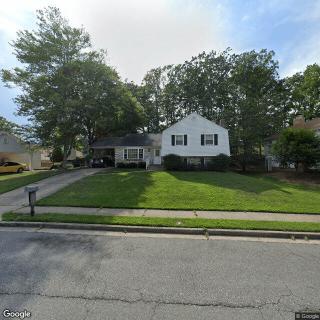

 Vibrant Senior Living: A Comprehensive Guide for Active Older Adults
 When to Transition from Assisted Living to Memory Care: Key Indicators, Steps, and Finding the Right Community
 Assisted Living and Memory Care: Understanding Their Core Differences