
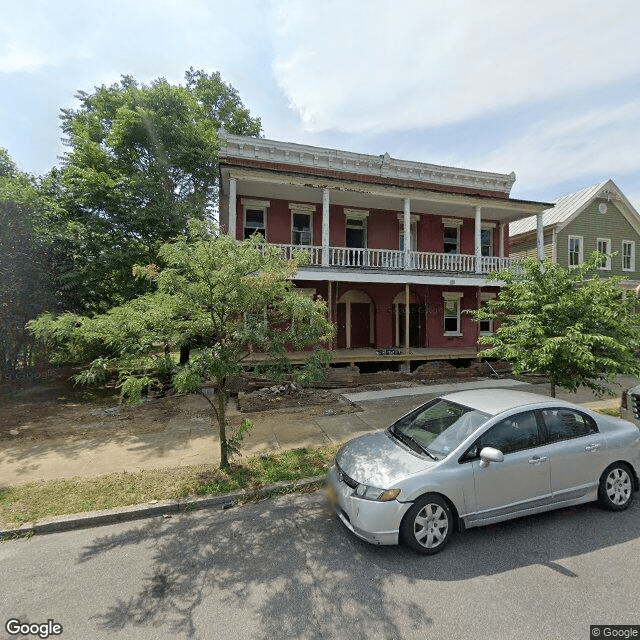
1424 Bainbridge St, Richmond, VA 23224
To contact a resident: (804) 231-1339
For more information about senior living options: (866) 208-4318
Overall Review of Helping Hands Home For Adults
Cons
 Nobody answers the phone when called; voicemail is always full, they don’t return missed calls, and they expect a dementia patient to remember from month to month to tell them to buy them a phone card.
- The staff is short with the clients and families; no empathy whatsoever; they pass inspection despite the filth; an extremely loud alarm sounds continually, causing panic.
- They treated her like a dog.
Review
Helping Hands Home For Adults in Richmond, Virginia is best suited for residents who are largely independent and whose families are prepared to supervise care, tolerate irregular communication, and accept a basic level of daily oversight rather than a consistently responsive, deeply empathetic staff. The community may appeal to those with limited care needs, a willingness to oversee routines from afar, and an openness to lower-cost options. In short, this facility tends to work for situations where daily demands can be managed through family oversight or a resident who does not require constant hand-holding. Potential residents should accept the risk of occasional miscommunication and be comfortable evaluating conditions during periodic visits.
Those comparing options should consider whether daily oversight can realistically be expected from management, and whether visits can compensate for ongoing communication gaps. If a warm, responsive staff culture is non-negotiable, this community should not be the first choice. Families addressing dementia or memory challenges will likely find the phone-chain approach insufficient, and any expectation of consistent empathy from staff should be tempered by competing accounts of inter-personal conduct. In short, the mismatch between need for reliable communication and the reported behavior patterns makes alternatives a safer bet for most families.
Even with a handful of five-star evaluations, the general trajectory of feedback points strongly in the opposite direction. Occasional positive experiences hint that a few staff members can engage in routine tasks competently, and that some residents perceive their space as affordable or conveniently located. Yet these outliers are not reliable enough to offset the pervasive issues described across multiple accounts: unresponsiveness to calls, curt or dismissive treatment toward families, questionable cleanliness, and insufficient attention to safety signals. The overall experience conveyed by most reviews is that core expectations of care, respect, and clear communication are not consistently met.
The most significant drawbacks center on reliability and tone. Phones go unanswered, voicemail boxes fill up, and missed calls are not returned, with caregivers expected to manage complex needs such as dementia without consistent guidance or updated information. Staff behavior toward clients and families is repeatedly characterized as short or lacking empathy, eroding trust and making collaborative planning nearly impossible. Cleanliness concerns surface alongside routine alarms, including an extremely loud alert system that many residents and families report as disruptive or panicked-inducing. One account describes clients being treated with contempt, illustrating a troubling dynamic that cannot be ignored when evaluating daily safety and dignity.
Prospective families should verify several practical details before considering this option. Demand firsthand observations during a tour to assess cleanliness, resident interactions, and the overall atmosphere. Ask to meet the administrator or operations manager to gauge responsiveness, accountability, and the facility’s protocol for dementia care. Inquire about the alarm system’s maintenance, volume, and the steps taken to prevent continual panic. Request recent inspection reports and references from other families, and ask for a clear plan showing how staff communication will be managed when a loved one cannot advocate for themselves. These checks will determine whether occasional positives align with a safe, respectful, and well-organized environment.
Ultimately, the decision hinges on whether reliable communication, compassionate staff, and a clean, orderly setting can be found elsewhere at a comparable price. Given the recurring concerns documented by multiple reviewers, alternatives are advisable for anyone whose expectations include consistent responsiveness and respectful, attentive care. If remaining within this community is unavoidable, a concrete oversight plan should be established, regular visits, scheduled updates, and a clear escalation path, to avoid letting gaps in care become the default. In practical terms, the prudent path is to pursue other options first and reserve this setting only for situations where limited oversight is acceptable and a stringent monitoring routine can be maintained.
 Board and Care Home
 Richmond International (7 miles away)
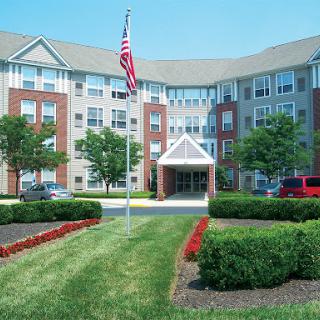
 Clean, modern facility with friendly staff and engaging activities.



 Top Cars for Senior Drivers and Essential Safety Innovations
 A Closer Look at Private Pay Home Care
 Comprehensive Approaches for Arthritis: A Detailed Guide to Symptoms, Causes, and Care