Memory Care At Allen Brook in Williston, VT

99 Allen Brook Lane, Williston, VT 05495

For more information about senior living options: (844) 490-3973

4.4 from 22 reviews
5 stars
18
4 stars
1
3 stars
0
2 stars
0
1 stars
3

Assisted Living

Memory Care At Allen Brook Costs & Pricing

Memory Care At Allen Brook offers competitive pricing for its memory care services compared to both Chittenden County and the broader state of Vermont. With a monthly rate of $3,095 for a studio, it stands significantly lower than the county average of $5,865 and the state average of $5,259. Similarly, their one-bedroom option is priced at $3,995, which is also below the county's $4,688 and the state's $4,901 averages. These rates highlight Memory Care At Allen Brook as an accessible choice for families seeking quality care for loved ones with memory impairments while ensuring that they receive support in a nurturing environment.

Floor plansMemory Care At Allen BrookChittenden CountyVermont
Studio$3,095$5,865$5,259
1 Bedroom$3,995$4,688$4,901

Overall Review of Memory Care At Allen Brook

Pros

  • pro Maple Ridge is beautiful and clean.
  • pro The facility offers much for its residents, and the staff are caring and wonderful.
  • pro The memory care team provides a great, engaging experience for residents.
  • pro The staff are diligent, courteous, and keep families informed.
  • pro Transitions to Maple Ridge Memory Care are welcoming and reassuring for families and residents.
  • pro Residents receive excellent medical, social, and physical care.
  • pro Maple Ridge is regarded as one of the best care facilities, with compassionate staff and attentive management.

Cons

  • pro They describe Maple Ridge as having horrible treatment of residents, unsanitary conditions, unhelpful staff, and terrible management.
  • pro They claim mistreatment of residents and awful management.
  • pro They state that a father received terrible care, with a month without a shower, brushing teeth, or changes of clothing, and accuse the facility of missing documentation and falsifying records.
  • pro They warn others not to move a loved one there, citing licensing reports and describing the experience as devastating.
  • pro They report extremely poor housekeeping and disrespectful staff.

Review

This community is best suited for families facing dementia who want a memory-care setting that feels warm, engaged, and openly connected to loved ones. The pattern in the reviews shows a model built on a hospitable, home-like environment with attentive caregivers, plentiful daily activities, and easy channels for family updates. When residents settle in, many families report a sense of relief - the staff is described as caring, the atmosphere as clean and welcoming, and the days filled with purposeful engagement. For families prioritizing compassionate touch, consistent communication, and a reassuring routine, this model can be a strong fit.

Those who may want to consider alternatives are those who require unwavering, medication-centered oversight or have heightened concerns about operational consistency. A small but real portion of reviews highlight serious red flags: reports of unsanitary conditions, dismissive or mismanaged care, and documentation that doesn't match services rendered. While these are not the majority experience, they are significant enough to warrant caution. For families who cannot tolerate even a hint of neglect or who want a spotless track record of governance and meticulous record-keeping, exploring other options with stronger QA processes and verifiable licensing histories is prudent.

The major positives - staff warmth, robust activity calendars, and transparent family communication - tend to offset many of the common concerns in this category. Families repeatedly credit the team with genuine compassion, quick responsiveness, and a readiness to keep families informed about changes in a loved one's condition. The daily programming is described as varied and meaningful, helping residents stay engaged and connected to familiar routines. Moreover, the ability to visit, to be welcomed, and to see the care in action often turns initial anxieties into lasting confidence for caregivers and residents alike.

That said, the strongest cautions come from the minority experiences that describe lapses in care or governance. In these cases, families report insufficient attention to an individual care plan, lapses in housekeeping, or concerns about thoroughness of documentation. These voices matter because they point to what can go wrong when systems fail or when staffing pressures dilute consistency. The overall rating signal - solidly above average - suggests that for many families the positive interactions and responsive care win out. Yet the potential for uneven experiences means families should verify current staffing stability, care-management practices, and a clear, auditable care plan for their loved one before committing.

Practical steps for decision-making follow naturally from these patterns. Tour the community with a focus on caregiver interactions, ask to observe a typical care moment, and request recent examples of family updates and how changes in care plans are communicated. Inquire about staff-to-resident ratios, the process for monitoring safety and daily activities, and how licensing or quality-improvement outcomes are reviewed and shared with families. If possible, speak with multiple families about their long-term experience and request copies of care plans, incident logs, and recent survey results to gauge consistency over time.

In the end, the decision hinges on risk tolerance and priorities. If a dementia-dedicated environment that emphasizes warmth, connection, and transparent communication aligns with what matters most - while accepting the possibility of isolated governance gaps - this model represents a compelling choice. It is not a universal fit: potential adopters who require near-perfect operational precision or who cannot entertain the possibility of uneven care metrics should widen the field and compare additional options. For many families, the combination of compassionate staff, an engaging daily rhythm, and open family channels makes this memory-care approach a trustworthy, durable home for a loved one.

Features

Housing

  • 14 resident community capacity 14 resident community capacity

Types of Care

  • Assisted Living Assisted LivingAssisted living facilities provide crucial support and care for seniors who may need help with daily tasks such as medication management, bathing, and meal preparation. These communities offer a safe and comfortable environment where seniors can maintain their independence while receiving the assistance they need to thrive in their golden years.

Amenities

  • Cable or satellite TV Cable or satellite TVCable or satellite TV is important for seniors because it provides entertainment, news, and companionship, helping to combat loneliness and boredom. It also offers a wide range of programming options tailored to different interests and preferences.
  • Dining room Dining roomDining rooms are important for seniors as they provide a space for socialization, connection, and nutritious meals. They offer opportunities for residents to bond over shared meals, foster a sense of community, and promote healthy eating habits. Dining rooms also ensure that seniors have access to well-balanced meals tailored to their dietary needs and preferences.
  • Fully furnished Fully furnishedFully furnished senior living communities are important for seniors because they provide convenience, comfort, and a hassle-free moving experience. Seniors can easily settle into their new living space without the stress of having to buy and move furniture. This allows them to focus on enjoying their new home and community.
  • Garden GardenGardens are important for seniors as they provide a peaceful and therapeutic environment for relaxation, physical activity, and socialization. Being in nature has been shown to reduce stress, improve mood, and promote overall well-being. Gardens also offer opportunities for seniors to engage in gardening activities, which can improve mobility, flexibility, and cognitive function. Additionally, gardens create a sense of community and connection with others who share a passion for plants and outdoor spaces.
  • Housekeeping services Housekeeping servicesHousekeeping services are important for seniors because they help maintain a clean and safe living environment, promote independence, and reduce the risk of accidents or illnesses. Additionally, having assistance with household chores can alleviate physical strain and allow seniors to focus on other aspects of their well-being.
  • Move-in coordination Move-in coordinationMove-in coordination is important for seniors because it helps ease the transition into their new living environment. It ensures that all logistics, such as packing, organizing movers, and setting up utilities are taken care of, allowing seniors to focus on settling in and adjusting to their new home. Having a smooth move-in process can alleviate stress and anxiety, making the transition smoother and more enjoyable for seniors.
  • Outdoor space Outdoor spaceOutdoor spaces are important for seniors as they provide opportunities for physical activity, social interaction, exposure to natural light and fresh air, and a sense of connection to nature. Having access to outdoor spaces can improve overall well-being and quality of life for older adults living in senior communities.
  • Telephone TelephoneTelephones are important for seniors as they provide a lifeline for communication with loved ones, emergency services, and healthcare providers. They offer a sense of security and independence, enabling seniors to stay connected and access assistance when needed.
  • Wi-Fi/high-speed internet available Wi-Fi/high-speed internet availableWi-Fi/high-speed internet is important for seniors to stay connected with loved ones, access online resources, and participate in virtual activities to combat feelings of loneliness and isolation. It also allows them to easily manage healthcare needs, access entertainment, and engage in lifelong learning opportunities.

Transportation

  • Burlington International (3 miles away) Burlington International (3 miles away)

Care Services

  • 24-hour supervision 24-hour supervision24-hour supervision is important for seniors to ensure their safety, well-being, and access to immediate assistance in case of emergencies or health issues. This constant support provides peace of mind for both seniors and their loved ones, allowing them to age in place with dignity and security.
  • Activities of daily living assistance Activities of daily living assistanceActivities of daily living assistance are important for seniors because they provide essential support with tasks such as eating, bathing, dressing, and mobility. This assistance helps seniors maintain their independence, dignity, and overall quality of life as they age.
  • Assistance with bathing Assistance with bathingAssistance with bathing is crucial for seniors as it helps maintain personal hygiene, prevents infections, and ensures their overall well-being and comfort. It also provides a sense of dignity and independence for seniors who may struggle with this task on their own.
  • Assistance with dressing Assistance with dressingAssistance with dressing is important for seniors because it helps maintain their independence, promotes personal hygiene, prevents accidents and injuries, and improves overall quality of life. This service ensures that seniors can continue to dress comfortably and confidently, despite any physical limitations they may have.
  • Assistance with transfers Assistance with transfersAssistance with transfers is crucial for seniors as it helps prevent falls and injuries, maintains their independence, and ensures they can safely navigate their living environment. It also provides peace of mind for both seniors and their loved ones.
  • Coordination with health care providers Coordination with health care providersCoordination with health care providers is crucial for seniors to ensure proper medical care, medication management, and overall well-being. This collaboration helps prevent overlapping treatments, track progress more effectively, and provide comprehensive support tailored to individual needs.
  • Diabetes diet Diabetes dietA diabetes diet is crucial for seniors as it helps manage blood sugar levels, reduce risks of complications, and improve overall health and well-being. By following a balanced and nutritious diet tailored to their specific needs, seniors can better control their diabetes and enhance their quality of life.
  • Meal preparation and service Meal preparation and serviceMeal preparation and service are crucial for seniors as they may have limited mobility or energy to cook nutritious meals. Having access to healthy and convenient food options can ensure they are getting the proper nutrition needed to maintain their overall health and well-being.
  • Medication management Medication managementMedication management is crucial for seniors to ensure they are taking the right medications at the correct dosages and times. This helps prevent adverse drug interactions, reduces the risk of medication errors, and promotes overall health and well-being. Proactive management also allows for adjustments as needed based on changing health conditions or new prescriptions.
  • Special dietary restrictions Special dietary restrictionsSpecial dietary restrictions are important for seniors because age-related changes in metabolism and health conditions can make it difficult for their bodies to process certain foods. By following a diet tailored to their specific needs, seniors can maintain their overall health and well-being, manage chronic conditions, and reduce the risk of complications such as malnutrition or food interactions with medications.
  • Transportation arrangement (medical) Transportation arrangement (medical)Transportation arrangements for medical purposes are essential for seniors as they may have difficulty driving themselves to appointments or accessing public transportation. Having reliable and safe transportation options ensures that seniors can receive timely medical care and maintain their health and well-being.
  • Transportation to doctors appointments Transportation to doctors appointmentsTransportation to doctors' appointments is crucial for seniors as it ensures they have access to necessary medical care and support for their health needs. Without reliable transportation, seniors may struggle to attend important appointments, leading to potential delays in treatment and health complications. Providing transportation services helps seniors maintain their overall well-being and quality of life.

Dining

  • Diabetes diet Diabetes dietA diabetes diet is crucial for seniors as it helps manage blood sugar levels, reduce risks of complications, and improve overall health and well-being. By following a balanced and nutritious diet tailored to their specific needs, seniors can better control their diabetes and enhance their quality of life.
  • Special dietary restrictions Special dietary restrictionsSpecial dietary restrictions are important for seniors because age-related changes in metabolism and health conditions can make it difficult for their bodies to process certain foods. By following a diet tailored to their specific needs, seniors can maintain their overall health and well-being, manage chronic conditions, and reduce the risk of complications such as malnutrition or food interactions with medications.

Activities

  • Community-sponsored activities Community-sponsored activitiesCommunity-sponsored activities are important for seniors as they provide opportunities for social interaction, mental stimulation, and physical activity. These activities can help improve overall well-being, combat loneliness and isolation, and promote a sense of belonging and purpose among older adults.
  • Scheduled daily activities Scheduled daily activitiesScheduled daily activities are important for seniors because they provide structure, socialization, mental stimulation, and physical activity. Engaging in regular activities can improve overall well-being and quality of life for seniors living in a community setting.

Description

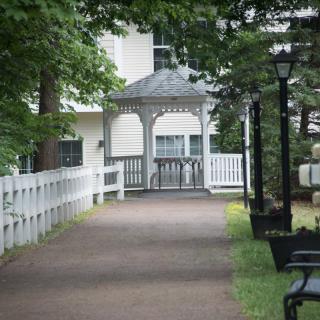
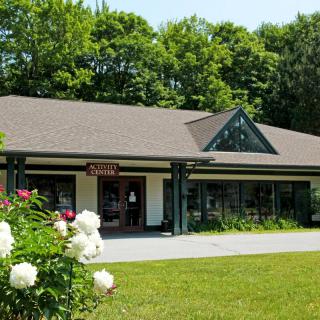
Memory Care at Allen Brook in Williston, VT is a top-notch assisted living community that offers exceptional care and support for individuals with memory impairments. Our beautifully designed facility provides a comfortable and safe environment for residents to thrive.

At Memory Care at Allen Brook, we understand the importance of maintaining a high quality of life, which is why we offer a wide range of amenities to meet the various needs and preferences of our residents. Our dining room provides nutritious meals prepared by our skilled culinary team, accommodating special dietary restrictions as needed. The fully furnished apartments ensure that residents feel right at home with all the necessary comforts.

Our community also features an inviting garden and outdoor space where residents can relax and enjoy nature. Wi-Fi/high-speed internet access is available throughout the premises, allowing residents to stay connected with their loved ones or engage in online activities.

In terms of care services, our compassionate staff is dedicated to assisting residents with daily activities such as bathing, dressing, and transfers. We work closely with health care providers to ensure seamless coordination of medical needs and medication management. Our specialized diabetes diet helps those requiring specific nutritional considerations.

Memory Care at Allen Brook understands that transportation can be challenging for seniors, especially for medical appointments. Therefore, we offer transportation arrangements for necessary medical visits, ensuring that residents have reliable access to healthcare professionals.

Residents also have access to engaging activities tailored to their individual interests and abilities. Scheduled daily activities provide opportunities for social interaction, mental stimulation, and physical wellness.

Additionally, our location in Williston offers numerous conveniences nearby. With six cafes, two parks, nine pharmacies, 31 physicians' offices, 14 restaurants, one nearby transportation option, and four hospitals within close proximity, residents and their families can easily access additional services or amenities they may need.

At Memory Care at Allen Brook in Williston, VT., we prioritize providing exceptional care while promoting independence and dignity for individuals living with memory impairments.

Nearby Places of Interest

This part of Williston, Vermont offers a convenient and comfortable living environment with easy access to essential amenities. With multiple pharmacies nearby such as Walgreens and CVS, you can easily manage your medications and healthcare needs. There are various dining options within close proximity including Ninety-Nine Restaurant & Pub and Agave, providing a range of choices for dining out. Additionally, there are several cafes like Starbucks for enjoying a cup of coffee or tea. The area also boasts reputable physicians and medical facilities like University Pediatrics and UVM Medical Center, ensuring quality healthcare services are easily accessible. For outdoor activities and relaxation, parks such as Essex Overlook Park are located just a short distance away. Transportation is convenient with Burlington International Airport nearby for any travel needs. In case of emergency, hospitals like The University of Vermont Medical Center are within a reasonable distance. Overall, this part of Williston provides a well-rounded community with essential services for senior living.

Pharmacies

  • Walgreens (0.3 miles)
  • Walmart Pharmacy (1.1 miles)
  • Walgreens (3.1 miles)
  • Hannaford Supermarket & Pharmacy (3.9 miles)
  • CVS Pharmacy (4 miles)
  • Fletcher Allen Pharmacy - Fanny Allen Campus (4.1 miles)
  • UVM Medical Center Pharmacy (4.1 miles)

Restaurants

  • Ninety-Nine Restaurant & Pub (0.3 miles)
  • Agave (0.5 miles)
  • The Scale (0.5 miles)
  • Chili's Grill & Bar (0.6 miles)
  • Moe's Southwest Grill (0.7 miles)
  • Guild Tavern (2.9 miles)
  • McDonald's (3.2 miles)

Cafes

  • Starbucks (0.4 miles)
  • Starbucks (3.9 miles)
  • Starbucks (4.1 miles)
  • Jules on the Green (4.2 miles)
  • Green Mountain Coffee (4.6 miles)
  • Scout & Co. (4.9 miles)
  • Starbucks (5.1 miles)

Physicians

  • University Pediatrics (0.6 miles)
  • Evergreen Family Health (1.8 miles)
  • Nathan K. Endres, MD, Orthopedic Surgeon (2.3 miles)
  • UVM Medical Center Orthopedics and Rehabilitation Center - Hand Therapy (2.3 miles)
  • Spine Institute of New England (2.3 miles)
  • Champlain Valley Oral & Maxillofacial Surgery (2.5 miles)
  • Muriel H. Nathan, MD, PhD, Endocrinologist (2.6 miles)

Parks

  • Essex Overlook Park (2.1 miles)
  • William Szymanski Park (4.9 miles)

Transportation

  • Burlington International Airport (BTV) (2.8 miles)

Hospitals

  • UVM Medical Center Neonatal Intensive Care Unit (4.9 miles)
  • The University of Vermont Medical Center (4.9 miles)
  • UVM Medical Center McClure (4.9 miles)
  • Vermont Regional Genetics Center (5 miles)
  • UVM Medical Center Registration (5.2 miles)

Frequently Asked Questions

How much does it cost to live at Memory Care At Allen Brook in Williston, VT?
Where is Memory Care At Allen Brook?

Nearby Communities

  • Taft Farms Senior Living Comm

    Taft Farms Senior Living Comm

    Williston, VT

    4 from 3 reviews
     

    pro Kind and helpful staff, especially Wendy, enhancing the Taft Farms community.

  • Balsam Circle

    Balsam Circle

    Williston, VT


    pro Small, intimate community for personalized care.

  • Whitney Hill Homestead

    Whitney Hill Homestead

    Williston, VT


    pro Specialized diabetic care in a comfortable assisted living setting.

  • Williston Woods

    Williston Woods

    Williston, VT


    pro Comprehensive care options (including diabetic care) with engaging on-site activities

  • Whitcomb Woods

    Whitcomb Woods

    South Burlington, VT

    2.3 from 23 reviews
     

  • Home Care Assistance of Greater Burlington

    Home Care Assistance of Greater Burlington

    Essex Junction, VT

    4.8 from 106 reviews
     

    pro Compassionate, well-matched caregivers with flexible scheduling and supportive management.

  • Gazebo Senior Living-Gazebo North

    Gazebo Senior Living-Gazebo North

    South Burlington, VT

    4 from 8 reviews
     

    pro Warm staff, varied meals, and engaging activities.

  • Williston Place

    Williston Place

    Williston, VT

    4.4 from 9 reviews
     

    pro Friendly staff, high-quality meals, and a clean environment

  • Mansfield Place

    Mansfield Place

    Essex Junction, VT

    4.3 from 21 reviews
     

    pro All-inclusive living with three meals daily, housekeeping, and engaging activities.

Related Resources

  • does medicare pay for assisted livingMedicare Coverage for Assisted Living: An In-Depth Exploration

    Medicare does not cover assisted living costs, as it focuses on acute medical needs and short-term care, with exceptions for certain medically necessary services like physical therapy. Individuals must explore other options such as Medicaid, veterans' benefits, or long-term care insurance to manage these expenses effectively.

  • assisted living vs nursing homeChoosing the Right Senior Care: A Detailed Exploration of Assisted Living and Nursing Homes

    Choosing between assisted living and nursing homes involves evaluating emotional and financial factors, with assisted living offering independence and support for daily activities at a lower cost, while nursing homes provide intensive medical care for individuals with significant health needs. The decision is influenced by personal preferences, health status, cognitive function, and varying Medicaid coverage across states.

  • assisted living costUnderstanding the True Cost of Assisted Living in 2025: A Comprehensive Guide

    Assisted living in 2025 offers a crucial balance of independence and support for seniors, with costs varying from $2,500 to over $7,000 per month based on factors such as location and care level. Understanding pricing complexities, including regional differences and potential hidden fees, is essential for families to plan financially while ensuring quality care for their loved ones.