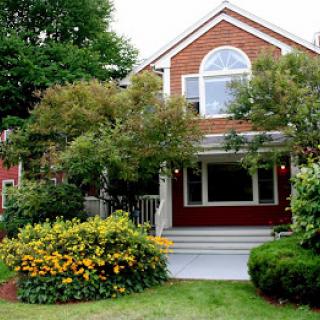

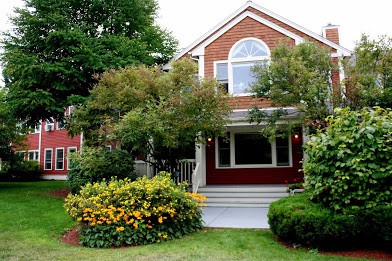
20 Harbor View Road, South Burlington, VT 05403
For more information about senior living options: (866) 208-4318
Overall Review of Pillsbury Manor South
Pros
 The staff members are caring and concerned about residents' well-being.
- The staff at Allenwood at Pillsbury Manor was very nice, helpful, and full of energy.
- Staff members consistently go the extra mile to ensure residents' needs are taken care of.
- The activities are pleasant and engaging, with spaces for art classes and card games, and a very nice dining area.
- The staff handled challenging situations with dignity, such as managing a flight-risk patient, which inspired confidence.
- The care team made evident efforts to keep loved ones happy and comfortable during their stay.
Cons
 The facility charges high prices for cold food served in a cardboard box with plastic utensils by staff with limited English.
- Caregivers have limited English skills unless they are American.
- The staff is often inattentive.
- The facility has a poor track record with state regulators, including a death deemed negligent.
- A resident fell and broke a hip before dinner and wasn't found until after dinner.
- The food was only passable.
Review
Pillsbury Manor South in South Burlington is best suited for families who prioritize warm, engaged staff and a lively social milieu over pristine medical rigidity. The community appears to function as a hands-on, people-focused setting where caregivers are frequently described as caring and energetic, and where organized activities and a pleasant dining area give residents daily structure and opportunities for interaction. For families who want a home-like atmosphere with ready-made programming and a visible emphasis on resident engagement, this community offers a workable match in the Vermont suburban landscape.
That said, several audiences should seriously consider alternatives. The most pressing concern is communication and consistency in care. Several reviews flag language barriers and inattentiveness among staff, raising red flags for families that require precise, timely care or clear, ongoing dialogue with caregivers. Safety lapses are well documented in reviews, one resident’s fall, delayed response, and a death linked to negligence have left a stain on the facility’s recent history. For families who insist on highly reliable medical oversight, quick problem resolution, and a low tolerance for missteps, other options will likely deliver greater peace of mind.
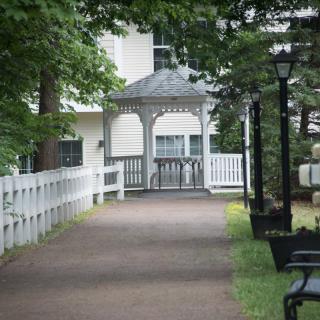
The strongest positives, staff warmth, energy, and a proactive approach to resident well-being, do carry real weight. When care teams are described as helpful and devoted, they translate into consistent daily support, assistive outreach, and genuine concern for residents’ comfort. The dining environment and activity spaces, art rooms, card rooms, and a central dining hall, signal a commitment to social engagement and quality-of-life experiences beyond basic supervision. These elements can meaningfully offset if a resident thrives on regular interaction, familiar faces, and structured routines that keep days predictable.
Yet the main drawbacks temper those strengths. The quality and reliability of care appear uneven, with reports of inattentiveness and gaps in routine services such as overnight catheter management. Language barriers compound the difficulty of delivering precise care and effective communication with families, which can amplify concerns during health changes or emergencies. The safety incidents cited, instances of falls, delayed monitoring, and long-lapsed responsiveness, underscore a risk profile that some families will deem unacceptable, particularly for residents with higher medical needs or mobility challenges. Language and consistency issues also affect day-to-day satisfaction, from meals to bedside care.
In terms of the risk-and-reward calculation, the pros can somewhat offset the cons for residents who value social connectedness and a caregiver-driven environment. For someone who enters with relatively good mobility, appreciates a robust activity slate, and can tolerate occasional gaps in service quality, Pillsbury Manor South offers meaningful daily purpose and a sense of community. However, the serious safety anecdotes and persistent communication challenges mean that the margin for error is higher here than at facilities with tighter staffing controls and fewer language barriers. The question becomes: is the emotional and social upside worth the potential variability in care and oversight?
Practically, families should use a decision lens that prioritizes communication clarity, safety, and total cost. If the desire is a lively, resident-centered atmosphere with attentive, friendly staff, visit with a focus on how the current care team communicates, how language needs are met, and whether incident history has truly improved under new ownership. Request recent state survey results, tour the living spaces, and observe how staff interact with residents during a meal and activity period. If medical acuity is a primary driver, managing chronic conditions, rapid response to health changes, and rigorous oversight, pursue stronger assurances elsewhere. In short, Pillsbury Manor South is a viable fit for families who can tolerate, and even value, a high-touch, community-focused environment, while those prioritizing flawless care, predictable outcomes, and unambiguous communication should deliberate alternatives with firmer safety records.
 70 resident community capacity
 1-bedroom apartments
 Assisted Living
 Air-conditioning
 Beautician on-site
 Cable or satellite TV
 Computer center
 Dining room
 Financial aid
 Fitness room
 Fully furnished
 Gaming room
 Garden
 Hiking trails
 Housekeeping services
 Kitchenette
 Laundry
 Move-in coordination
 Outdoor space
 Private bathrooms
 Restaurant-style dining
 Small library
 Telephone
 Wellness center
 Wi-Fi/high-speed internet available
 Burlington International (4 miles away)
 Community operated transportation
 24-hour call system
 Activities of daily living assistance
 Assistance with bathing
 Assistance with dressing
 Assistance with transfers
 Diabetes diet
 Medication management
 Special dietary restrictions
 Arts and crafts
 Concierge services
 Educational speakers / life long learning
 Games
Games Live musical performances
 Planned day trips
 Religious services
 English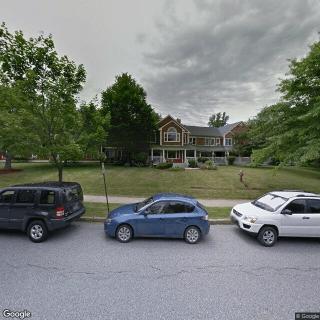





 8 Key Indicators That Suggest It May Be Time to Transition from Assisted Living to Skilled Nursing Care
 Vibrant Senior Living: A Comprehensive Guide for Active Older Adults
 When to Transition from Assisted Living to Memory Care: Key Indicators, Steps, and Finding the Right Community