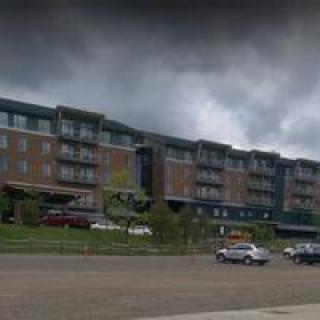
148 Prouty Drive, Newport, VT 05855
For more information about senior living options: (866) 208-4318
Newport Residential Care Center Costs & Pricing
At Newport Residential Care Center, the monthly cost for a private room stands at $3,800, positioning it as a competitive option within the local and state landscape. Comparatively, Orleans County reflects a higher average cost of $4,675 for similar accommodations, while the broader state of Vermont maintains an average of $4,251. This pricing structure suggests that Newport Residential Care Center not only offers a more affordable alternative to its immediate county peers but also remains highly attractive when viewed against the statewide costs for residential care. Such pricing may enhance accessibility for families seeking quality care options without compromising on service or comfort.
| Floor plans | Newport Residential Care Center | Orleans County | Vermont |
|---|---|---|---|
| Private | $3,800 | $4,675 | $4,251 |
Overall Review of Newport Residential Care Center
Pros
 Newport Health Care Center was a clean facility.
- The staff were on-hand and the social worker was good.
- The father enjoyed the food.
- The facility had lots of activities.
- Bands came in to play for the residents.
- They offered bingo, game days, church services, puzzles, and one-on-one time with staff.
- They took residents on trips to see the foliage and different festivals.
- The facility looked modern.
- Overall, the care was good.
Cons
 Not enough mental stimulation.
- The food is so-so.
- The staff are too young and undereducated.
- They need more staff and should improve interaction with patients.
- There are better places out there.
Review
Newport Residential Care Center is best suited for active seniors who want a clean, modern setting with reliable nursing oversight and a strong slate of social programming. The campus offers on-hand nurse support and a social worker who engages residents meaningfully, and the facility hosts a lively calendar of activities, from bands and bingo to church services, puzzles, and game days. The presence of an assisted living wing within the same campus makes it a practical option for families seeking a continuum of care without relocating to another community.
Yet this community is not for everyone. Families prioritizing deep cognitive enrichment and consistently high-staff education will want to explore alternatives. Several observers note not enough mental stimulation and only average meals, alongside concerns about younger, less experienced personnel. For decision-makers who demand a consistently high bar for intellectual engagement and staff expertise, the fit may be shaky enough to warrant looking elsewhere.
On the upside, the positives are tangible and well suited to daily life. The facility’s cleanliness and modern presentation contribute to a dignified atmosphere, and the nursing team is reliably present to address routine medical needs. The social worker is a definite asset, helping residents stay connected and engaged. The activity lineup is robust and varied: live performances, foliage-focused outings, festivals, and a steady rhythm of interactive sessions, with caregivers often spending one-on-one time to converse and play with residents. This combination often translates into meaningful days, particularly for residents who value social connection.
The drawbacks, however, can feel consequential. The sense that cognitive stimulation isn’t consistently robust can leave families worried about long-term engagement, especially for residents who thrive on structured mental activities. Food quality is described as only so-so by several reviews, which matters when meals are a central daily touchpoint. The concern about younger, undereducated personnel contributing to inconsistent care can erode confidence over time, especially for families seeking a high-touch experience. Some reviewers even advise that there are better places nearby, signaling clear trade-offs to consider.
Despite these tensions, the strengths can offset the weaknesses when aligned with a resident’s priorities. The combination of accessible nursing care, a dedicated social worker, and a rich activity culture helps preserve social vitality, emotional well-being, and daily routines, crucial factors for many residents and their families. Regular outings and in-house programming provide continuous opportunities for engagement, while one-on-one interactions help mitigate loneliness and build connection. The modern, clean environment supports ease of orientation and a sense of calm, which can be a meaningful perk for residents who value a pleasant, trauma-free atmosphere.
The practical takeaway is clear: this community excels for families seeking an active, socially oriented environment with dependable nursing presence and a continuum of care on one campus. It is less compelling for those who cannot compromise on cognitive programming, high-quality meals, or staff depth and experience. Prospective families should probe specific metrics, staff-to-resident ratios, frequencies of one-on-one time, menu options and changes, and the cadence and variety of enrichment activities. Ask for a concrete plan to boost mental stimulation if needed and request recent examples of staff training and turnover rates. When these elements align with a loved one’s needs, Newport Residential Care Center delivers a pragmatic, engaging home with genuine value. If not, it is sensible to widen the search to communities that emphasize deeper cognitive programming and more seasoned staffing to better fit those nonnegotiables.
 8 resident community capacity
 Assisted Living
 Board and Care Home
 Skilled Nursing Facility
 Cable or satellite TV
 Dining room
 Fully furnished
 Garden
 Housekeeping services
 Move-in coordination
 Outdoor space
 Telephone
 Wi-Fi/high-speed internet available
 24-hour supervision
 Activities of daily living assistance
 Assistance with bathing
 Assistance with dressing
 Assistance with transfers
 Diabetes diet
 Meal preparation and service
 Medication management
 Special dietary restrictions
 Transportation arrangement (medical)
 Transportation to doctors appointments



 Vibrant Senior Living: A Comprehensive Guide for Active Older Adults
 When to Transition from Assisted Living to Memory Care: Key Indicators, Steps, and Finding the Right Community
 Assisted Living and Memory Care: Understanding Their Core Differences