
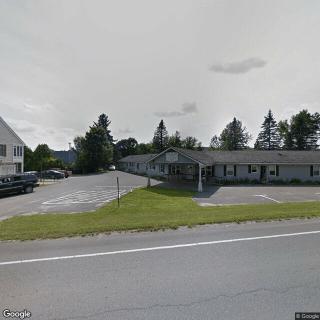
33 Maple Lane, Barton, VT 05822
For more information about senior living options: (866) 208-4318
Overall Review of Maple Lane Retirement Home
Pros
 Maple Lane takes excellent care of Irene.
- Irene is content and has higher self-esteem since developing dementia.
- Irene's family is very happy with the mental, physical, and overall health care she receives.
- Maple Lane's care contributes to Irene's overall well-being.
Review
Maple Lane Retirement Home in Barton, Vermont, is best suited for families seeking a small, care-forward setting where dementia-focused support is delivered with warmth, consistency, and a steady, home-like rhythm. This community appears to excel when the priority is a dignified daily life anchored in routine, gentle supervision, and integrated attention to mental and physical well-being. The emphasis on improving self-esteem and mood for residents with cognitive challenges suggests a model that treats daily living tasks, nutrition, mobility, and social connection as interconnected parts of a well-rounded care plan. For families prioritizing meaningful, person-centered dementia care in a calm environment, Maple Lane offers a practical, purpose-driven option.
That said, Maple Lane may not be the right fit for everyone. Prospective residents who require extensive hospital-level medical oversight, aggressive skilled nursing, or a large, activity-rich campus should consider alternatives. The feedback base is limited in size, leaving important questions about staffing levels across shifts, after-hours coverage, and the full spectrum of medical coordination unanswered. In addition, a smaller community footprint can translate into fewer on-site amenities, fewer specialized programs, and potentially higher costs relative to larger facilities with broader service menus. For those seeking broader medical depth or a more inclusive social panorama, exploring other options is prudent.
The most compelling positives center on dementia care that feels attentive and authentic. Families report Irene, a resident with dementia, is content and experiences improved self-esteem since moving in, with noticeable benefits to her mental state, physical health, and overall vitality. This suggests the care team succeeds in weaving cognitive support into everyday routines rather than isolating memory care tasks from living. The narrative reflects a culture of thoughtful engagement, staff who know residents well, respond with patience, and prioritize safety, dignity, and independence where possible. In practical terms, these outcomes can translate into fewer behavioral disruptions, steadier appetite and activity levels, and a calmer household for roughly similar care-staff costs.
Another strength is the apparent consistency and personal touch that comes with a smaller setting. When caregivers know preferences, familiar routines, and triggers, residents with dementia often experience less confusion and agitation. Families speak with trust and appreciation for caregivers who treat residents as individuals, not diagnoses. The overall rating of 4.7, drawn from three reviews (two five-stars and one four-star), reinforces credibility: the experiences shared are coherent and align around reliable, compassionate care. While the sample is modest, this pattern matters for families weighing whether a staff team will stay engaged and responsive over time.
To decide with confidence, thorough due diligence is essential. Prospects should inquire about staff-to-resident ratios on each shift, the specific dementia training the team receives, and how medical coordination is handled, whether a physician or nurse practitioner visits onsite or if protocols for coordinating hospital care and therapy exist. Clarify after-hours procedures, emergency response times, and the availability of specialized programs (memory dementia activities, cognitive-stimulation sessions, physical therapy access). Ask for sample care plans, recent resident progress notes, and an outline of typical daily schedules, meals, activities, quiet time, and family updates. A candid tour, conversations with current families, and direct observation of interactions will reveal whether the warmth described in reviews translates into daily reality.
Overall, Maple Lane presents a compelling choice for families prioritizing dementia-focused, person-centered care in a compact, home-like setting. The demonstrated ability to support mood, self-worth, and overall health in residents with cognitive challenges is not trivial and should carry significant weight in the decision. For those whose needs include broader medical resources, a fuller social calendar, or cost considerations, alternatives deserve careful comparison with the same eye for practical outcomes. The recommended path is to schedule a visit, pose pointed questions, compare neighboring options, and request transparent, resident-centered care plans. When the goal is steady quality of life, consistent caregiver attention, and a respectful, personalized approach to dementia care, Maple Lane earns serious consideration.
 16 resident community capacity
 Assisted Living
 Cable or satellite TV
 Dining room
 Fully furnished
 Garden
 Housekeeping services
 Move-in coordination
 Outdoor space
 Telephone
 Wi-Fi/high-speed internet available
 24-hour supervision
 Activities of daily living assistance
 Assistance with bathing
 Assistance with dressing
 Assistance with transfers
 Diabetes diet
 Meal preparation and service
 Medication management
 Special dietary restrictions
 Transportation arrangement (medical)
 Transportation to doctors appointments



 Comprehensive Insights into Activities of Daily Living (ADLs) and Their Assessment
 Medicare Coverage for Assisted Living: An In-Depth Exploration
 Your Comprehensive Guide to Luxury Assisted Living: Elevated Facilities, Amenities, and Costs