

4965 S 3500 W, Roy, UT 84067
For more information about senior living options: (866) 208-4318
Bee Hive of Roy Costs & Pricing
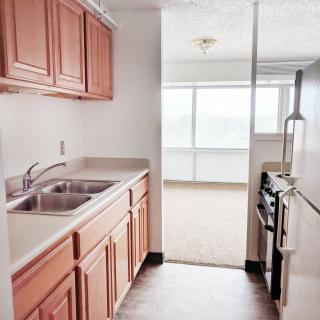
Bee Hive of Roy offers competitive pricing for its studio accommodations, with a monthly cost of $2,700. This rate is notably lower than the average in Weber County, which stands at $2,805, and also undercuts the state average of $3,206 for similar living arrangements in Utah. This positions Bee Hive of Roy as an attractive option for those seeking quality care without exceeding their budget, reflecting a commitment to providing both affordability and a supportive environment for residents.
| Floor plans | Bee Hive of Roy | Weber County | Utah |
|---|---|---|---|
| Studio | $2,700 | $2,805 | $3,206 |
Assisted Living communities with a similar price nearby
-
from -$150 / mo
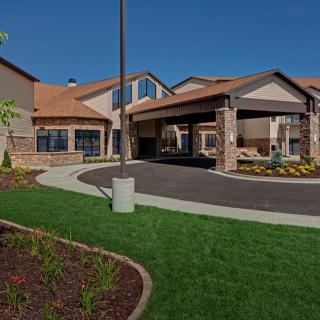
Maple Springs
$2,550 to $3,400 / month21.9 miles away -
from +$495 / mo

The Lodge in North Ogden
$3,195 to $4,495 / month8.2 miles away -
from +$295 / mo

Our House Of Ogden
$2,995 to $4,200 / month8.3 miles away -
from +$300 / mo

Quail Meadow Assisted Living
$3,000 to $3,300 / month10.3 miles away -
from +$300 / mo

Seasons Assisted Living of Farr West, LLC
$3,000 / month8.4 miles away
Overall Review of Bee Hive of Roy
Pros
 The place is great.
- The owners truly care.
Cons
 The place seemed run down.
- The place was not a good fit for the care needed given the minimal staff.
Review
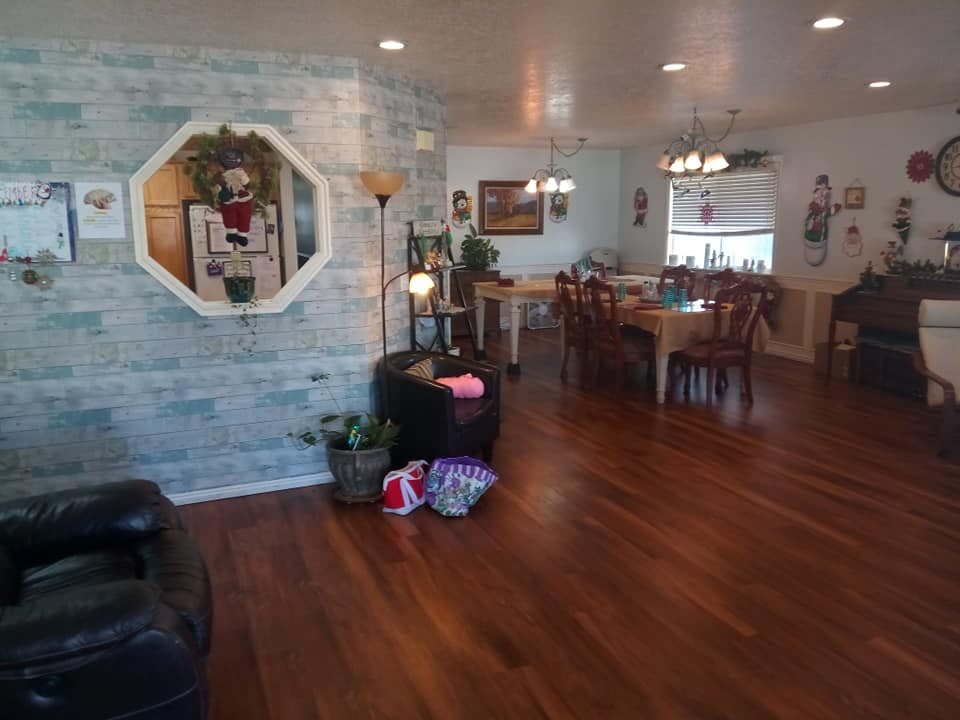
Bee Hive of Roy is best suited for seniors who prize a genuinely intimate, owner-involved living experience. The community operates as a small, relationship-first setting where owners are clearly visible in daily life and care decisions, and where staff know residents well enough to respond with a sense of personal accountability. This is not a showroom facility; it’s a homey environment that can translate into attentive, flexible service for residents who don’t demand a large-scale operations backbone.
Those evaluating options should explicitly consider alternatives if certain realities matter more than personal touch. Individuals who require consistent, robust staffing across all hours, frequent hands-on assistance with daily activities, or a more polished, modern backdrop may want to look elsewhere. Families seeking a bright, purpose-built campus with a full schedule of structured activities and frequent program offerings may be disappointed here. In short, this community favors intimate care over institutional scale, and that trade-off will drive the right fit.
On the upside, the strongest pro is the care ethic conveyed by ownership. Reviews point to owners who are invested and genuinely engaged, with a responsiveness that can feel breakthrough-quick in responding to resident needs. The small scale also supports easier communication and a more flexible approach to tailoring routines, medications, and daily rhythm to individual preferences. For residents who thrive on personal attention and a responsive, relationship-driven cadence, these elements can meaningfully offset the constraints that come with a leaner staff presence.
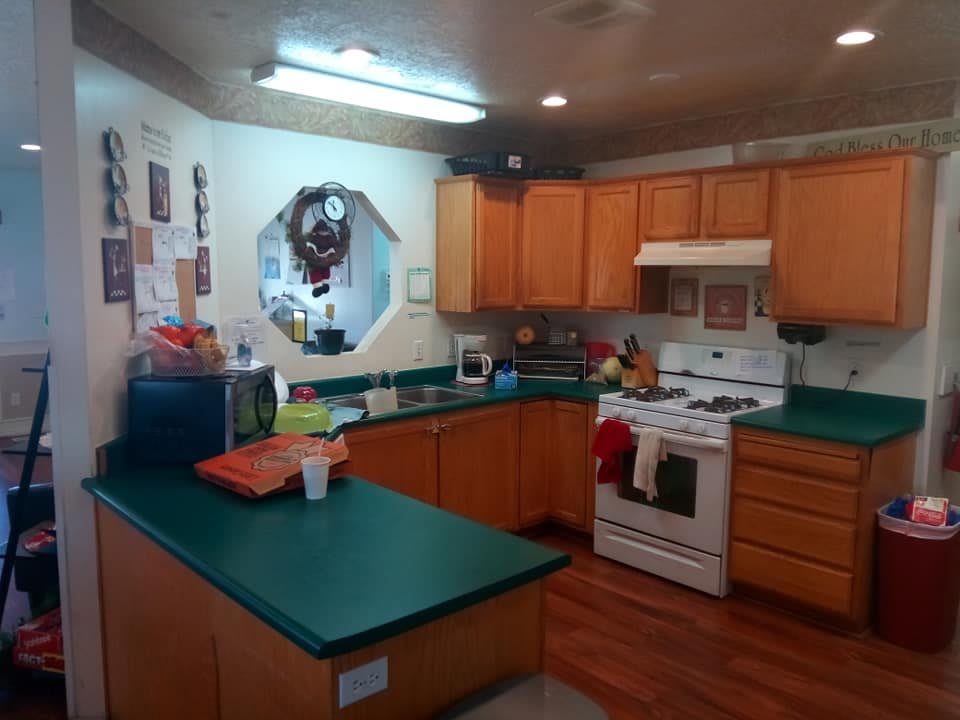
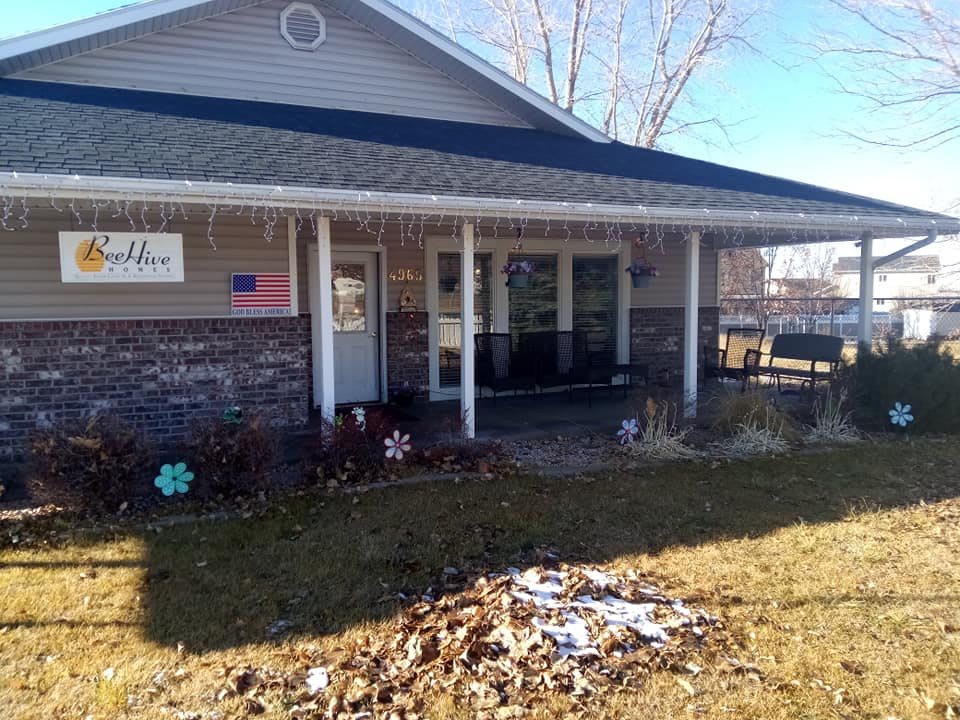
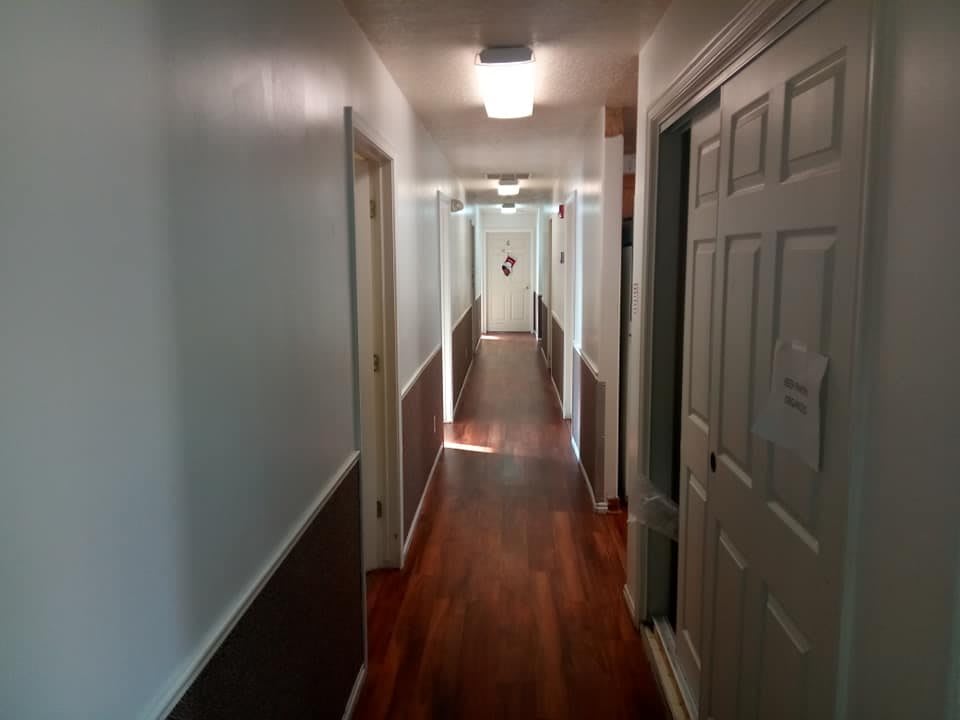
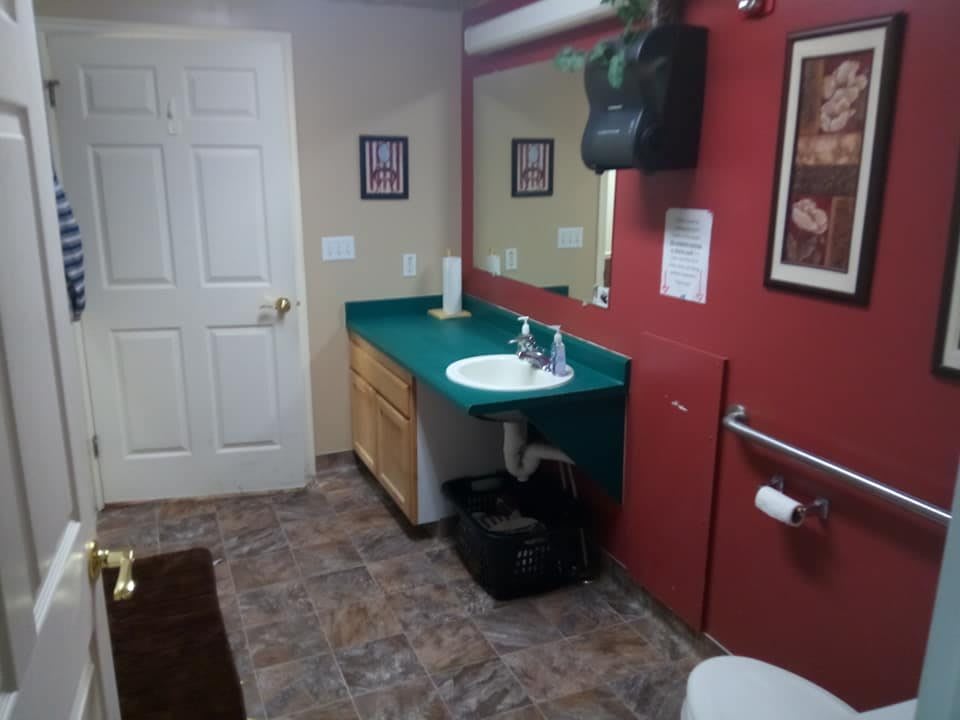
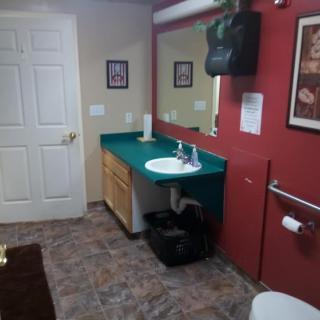
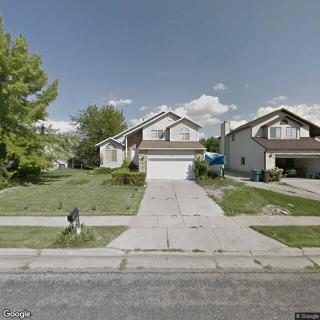
The principal drawbacks center on physical condition and staffing reality. Reports describe a building that feels run down or in the middle of remodeling, which can create a disconcerting first impression and raise questions about safety, comfort, and the consistency of daily routines. Coupled with the note of minimal staff, families must weigh the potential for slower response times, limited on-site programming, and gaps in coverage during peak times or emergencies. In practical terms, the warmth of owner involvement may not fully compensate for a setting where upkeep and staffing levels are not aligned with expectations for reliable everyday care.
From a decision-making perspective, the prudent path blends careful footwork with honest expectations. Prospective residents should arrange to visit at multiple times of day to see how staffing actually flows in real life, and to observe how owners and staff interact with residents in routine situations. Ask direct questions about current staff-to-resident ratios, exact care capabilities, and the remodeling timeline, including how ongoing work might impact noise, movement, or access to shared spaces. Request a concrete, written care plan sample and a trial period if possible. And compare this option against larger facilities or alternative living arrangements that promise steadier staffing, newer construction, and more robust activities.
Bottom line: Bee Hive of Roy serves a distinct niche where personal, owner-driven care can be a major win for residents who value feeling seen and heard over glossy surroundings. It is less ideal for those who insist on full-time, high-capacity staffing and a consistently polished environment. For families weighing suitability, the decision hinges on whether intimate, flexible care with the potential trade-off of a modestly dated facility and lean staffing aligns with the senior’s needs and the family’s tolerance for ongoing remodels. If those conditions fit, the community can offer a trustworthy, heart-centered option; if not, alternatives that emphasize staffing stability and modern amenities will likely be the wiser course.
 Assisted Living
 Day Program
 Cats allowed
 Dogs allowed
 Air-conditioning
 Bath tubs
 Cable or satellite TV
 Devotional services on-site
 Indoor common areas
 Outdoor common areas
 Respite or short term stays offered
 Wheelchair accessible showers
 Wi-Fi/high-speed internet available
 Ambulatory care
 Incontinence care
 Medication management
 Anytime dining
 Art classes
 BBQs or picnics
 Birthday parties
 Cooking classes
 Gardening club
 Karaoke
 Live dance or theater performances
 Live musical performances
 Trivia games




 Is Assisted Living Deductible on Your Taxes? Understanding the Complexities of Assisted Living Expenses and Deductions
 Assisted Living Support for Veterans: A Complete and Detailed Overview
 Exploring the Contrasts Between Assisted Living and Skilled Nursing