
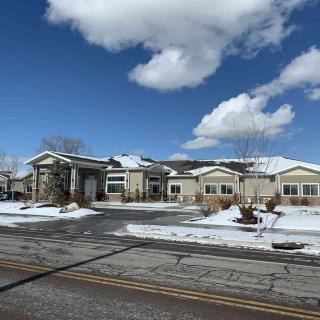
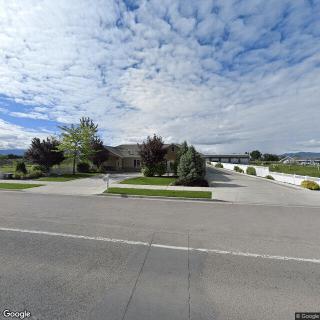
261 West 2000 South, Orem, UT 84058
For more information about senior living options: (866) 208-4318
Overall Review of Hidden Hollow Care Center
Pros
 It is an amazing place.
- The staff are incredibly kind.
- The staff take very good care of the residents.
Cons
 The place is described as horrible, and the reviewer is glad it has been shut down.
- They would not allow anyone in their family to live there.
- The staff pays little attention to the residents, who wander unsupervised and have even broken into neighbors' homes.
- The staff and management do not seem to care about the relationship between residents, the home, and the neighbors, and appear to offend and annoy the surrounding neighbors.
- Most staff members do not care about the residents, with only a very few showing any concern.
Review
This community is not a typical choice for families seeking dependable assisted living. If a decision must be considered, the narrow, pragmatic fit is extremely specific: a resident whose safety risk is very low and whose family can devote vigilant external oversight to ensure standards are met. In practice, Hidden Hollow Care Center is not equipped to satisfy the expectations of most seniors or their loved ones who prioritize reliable supervision, consistent care, and peaceful neighbor relations. The prevailing consensus across reviews is that the setting falls short of standard expectations for assisted living, making it ill-suited for the broad market.
The most consistent red flags center on safety and attentiveness. Residents are described as wandering unsupervised, with at least one account of intrusions into neighboring homes. That pattern points to weak supervision, insufficient staff presence, and gaps in ongoing monitoring. The reviews also flag a disconnect between staff, residents, and the surrounding community, suggesting that when concerns arise, responses are slow or ineffective. Taken together, these elements create an environment where safety and daily quality of life can deteriorate quickly, undermining any sense of security for families.
There are some positive notes sprinkled through the chatter, but they are sporadic and don’t restore confidence. A minority of staff members are mentioned as genuinely caring in certain moments, and one review refers to “amazing” care from a few individuals. Those rare commendations indicate that capability and compassion exist within the workforce, but they are unevenly distributed and fail to create a reliable baseline of care. In practical terms, the presence of a few well-meaning staff cannot compensate for widespread issues in consistency, supervision, and accountability.
Do the notable, isolated positives offset the principal cons? Not at all. The core problems, weak supervision, wandering residents, safety risks, and frayed neighbor relations, link directly to patient well-being and surrounding community impact. The uneven staffing creates a volatile environment where occasional kindness cannot be relied upon to safeguard residents or to deliver predictable daily routines. Families must weigh the likelihood of episodic, uneven care against the certainty of persistent safety concerns. In other words, any potential upside from a caring few is overwhelmed by the pervasive structural shortcomings.
For families evaluating options, a disciplined due diligence plan is essential. Prioritize facilities with transparent staffing ratios, consistent on-site supervision, and a proven track record of safety and neighbor engagement. Ask whether residents are ever left unsupervised, how wandering incidents are prevented, and what escalation processes exist when concerns arise. Request recent inspection or licensing reports, and seek testimonials from families with residents similar in need. Compare how facilities manage behavior and safety plans, and probe whether care plans are individualized and actively reviewed. Above all, insist on a tour during typical hours to observe staff interactions, resident engagement, and how neighbors are treated in practice.
Ultimately, Hidden Hollow Care Center earns its cautionary designation. The rating signals a pattern of dissatisfaction and risk that exceeds typical variance in quality. For most families, this setting represents a high-stakes gamble where safety, reliability, and neighbor relations are uncertain. The prudent choice is to consider alternatives first, facilities with stronger safety nets, steadier staffing, and clearer accountability, and only circle back if compelling, verifiable changes emerge and a robust oversight plan can be put in place. In the current landscape, the decisive recommendation is to pursue other options unless an extraordinary, carefully managed scenario is arranged.
 35 resident community capacity
 Assisted Living
 Beauty salon
 Cable or satellite TV
 Dining room
 Fully furnished
 Garden
 Housekeeping services
 Kitchenette
 Move-in coordination
 Outdoor space
 Restaurant-style dining
 Small library
 Telephone
 Wi-Fi/high-speed internet available
 24-hour call system
 Activities of daily living assistance
 Assistance with bathing
 Assistance with dressing
 Assistance with transfers
 Diabetes diet
 Medication management
 Mental wellness program
 Special dietary restrictions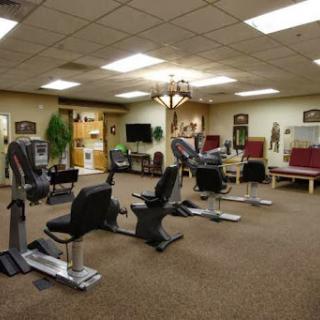



 Assisted Living Support for Veterans: A Complete and Detailed Overview
 Exploring the Contrasts Between Assisted Living and Skilled Nursing
 8 Key Indicators That Suggest It May Be Time to Transition from Assisted Living to Skilled Nursing Care