
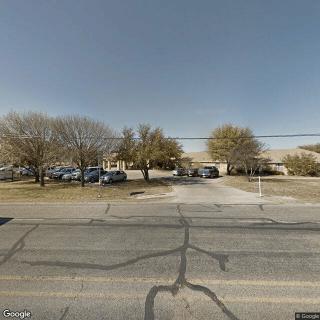
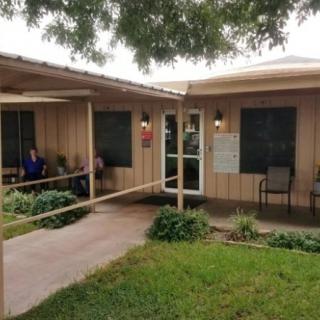
616 East Truett, Winters, TX 79567
For more information about senior living options: (866) 208-4318
Overall Review of Winters Assisted Living
Cons
 The staff are rude and unprofessional.
- The reviewer says the small town offers few options, and they wouldn’t want family members staying there.
- They wouldn’t stay at a place that doesn’t pay its bills.
- They note the facility won’t return phone calls or help set up a payment plan.
- The reviewer mentions having bailed them out with repairs to keep the doors open, calling it a lesson learned.
Review
Winters Assisted Living in Winters, TX is best suited for families who have very limited options in the area and for residents who can tolerate inconsistent communication and questions about financial management. In practical terms, this community should be viewed as a last-resort choice for those who must stay in the region and who cannot access stronger options elsewhere. It is not positioned as a top-tier option for caregivers seeking consistently attentive staff, transparent billing, or dependable follow-through.
The two published reviews leave little room for interpretation: the staff is described as rude and unprofessional, with a specific incident involving a caller from another facility who was treated poorly. The complaints extend to basic courtesy and responsiveness, including repeated failures to return phone calls or to assist with planning or coordinating care. Financial reliability is also questioned, with one account noting an unwillingness to engage in payment plans and hints of larger financial instability. Taken together, these comments paint a picture of an operation that struggles with core administrative and interpersonal functions.
Any potential upside appears minimal and largely unsubstantiated beyond the implication of being a locally available option in a small town. The small-town setting can offer convenience and familiarity, but those potential advantages are overwhelmed by reports of disrespectful treatment, nonresponsiveness, and ongoing financial concerns. In other words, comfort with location does not compensate for the fundamental breakdowns in customer service and organizational stability that the reviews describe.
Because the negatives are so pronounced, families should seriously consider alternatives that demonstrate consistent staff engagement, respectful communication, and transparent, reliable financial practices. Other communities in the region are likely to provide clearer pathways for discharge coordination, regular callbacks, and predictable billing. If Winters is even considered, it is essential to demand a candid tour, insist on meeting the current leadership and front-line staff, request recent references, and obtain concrete documentation of any payment arrangements or financial controls before any commitment is made.
For those weighing risk, the decisive factor is whether the facility can deliver dependable care coordination and respectful interactions when most needed. The reviews imply a pattern of friction and operational fragility that could disrupt daily life, complicate discharge planning, or create financial uncertainty for families and residents alike. Before enrolling, verify the facility’s ability to respond promptly to inquiries, maintain ongoing communication with families, and demonstrate a track record of stable billing practices. Without substantial improvement in these areas, the risk to resident wellbeing and family confidence remains high.
In sum, Winters Assisted Living is unlikely to satisfy families prioritizing consistent service, professional staff engagement, and transparent finances. It may only be reasonable to consider it if no viable alternatives exist locally and the family is prepared to accept a higher level of operational risk. For most seniors and their caregivers, pursuing other options with stronger reputations for reliability and accountability will yield a far more solid foundation for ongoing care. This community should be treated as a corrective choice of last resort rather than a preferred solution.
 16 resident community capacity
 Assisted Living
 Board and Care Home
 Cable or satellite TV
 Dining room
 Fully furnished
 Garden
 Housekeeping services
 Move-in coordination
 Outdoor space
 Telephone
 Wi-Fi/high-speed internet available
 24-hour supervision
 Activities of daily living assistance
 Assistance with bathing
 Assistance with dressing
 Assistance with transfers
 Diabetes diet
 Meal preparation and service
 Medication management
 Special dietary restrictions
 Transportation arrangement (medical)
 Transportation to doctors appointments
 Fully furnished apartments with 24/7 supervision, medication management, nutritious meals, and engaging activities.




 Exploring the Contrasts Between Assisted Living and Skilled Nursing
 8 Key Indicators That Suggest It May Be Time to Transition from Assisted Living to Skilled Nursing Care
 Vibrant Senior Living: A Comprehensive Guide for Active Older Adults