The Auberge At The Woodlands

Save

  • Interior

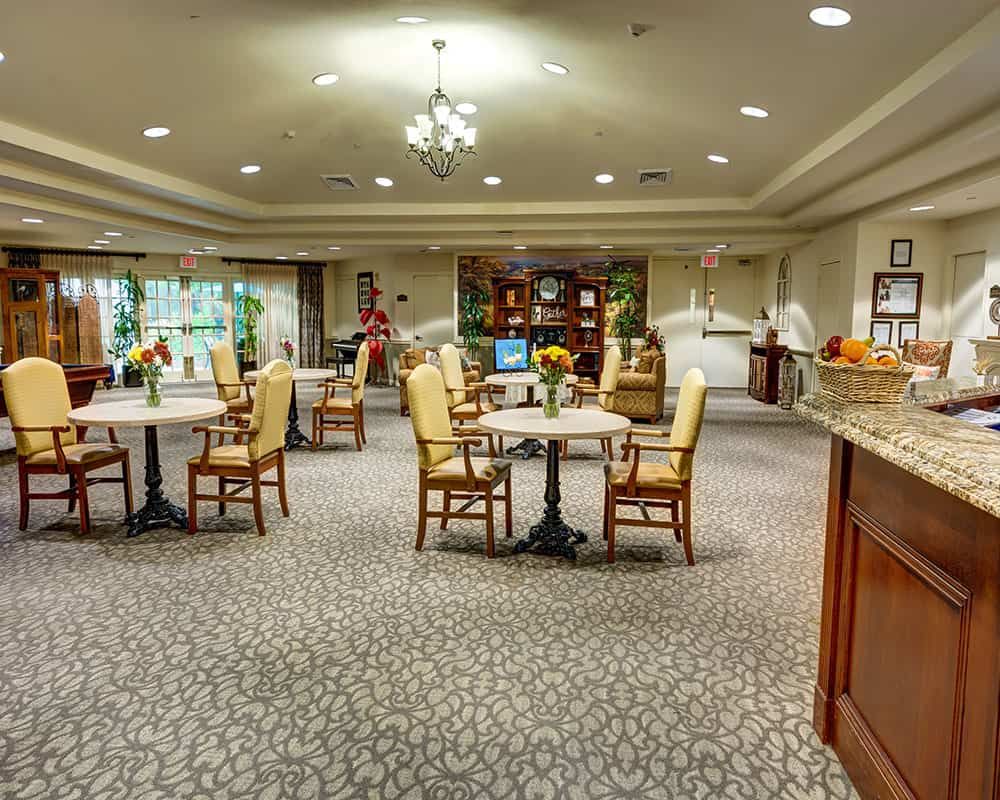
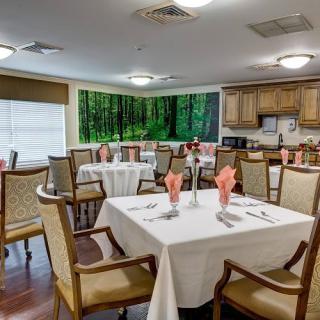
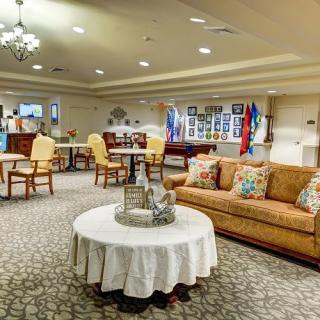
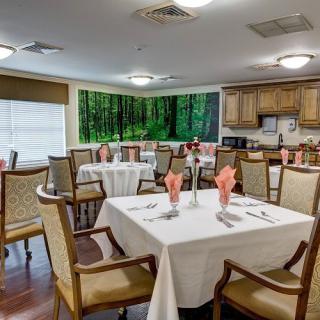
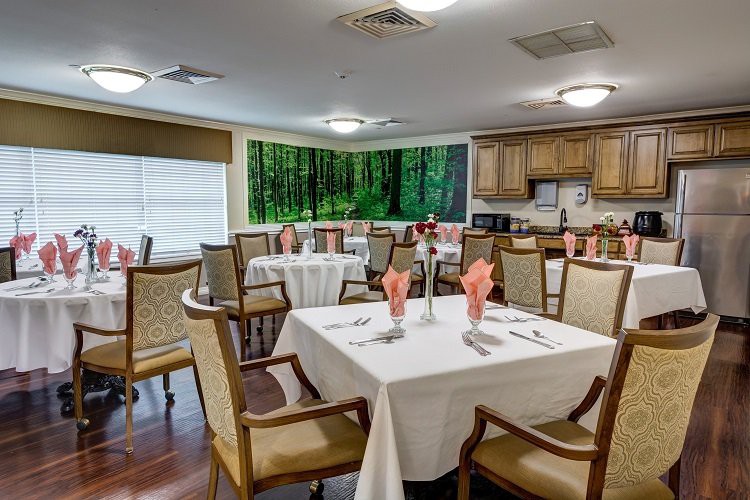
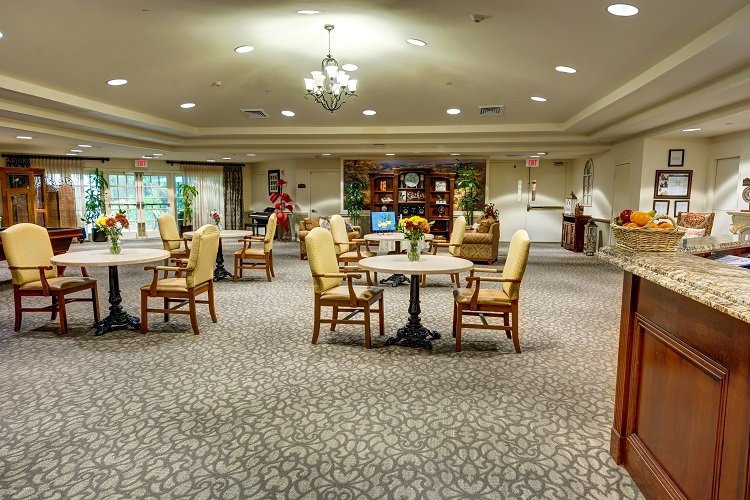
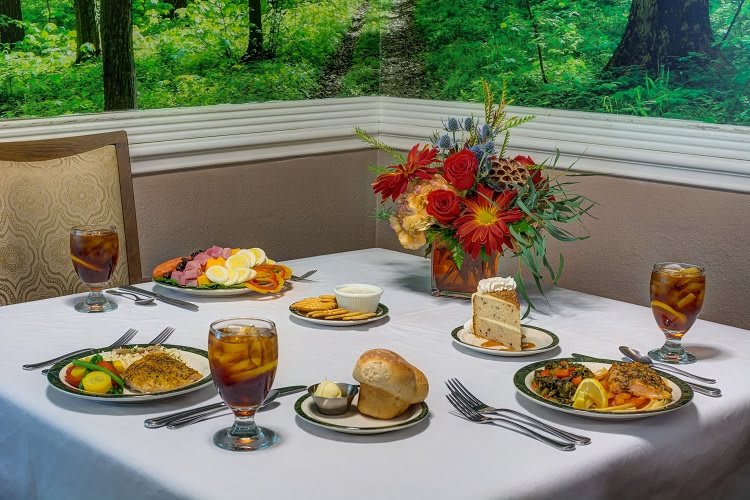
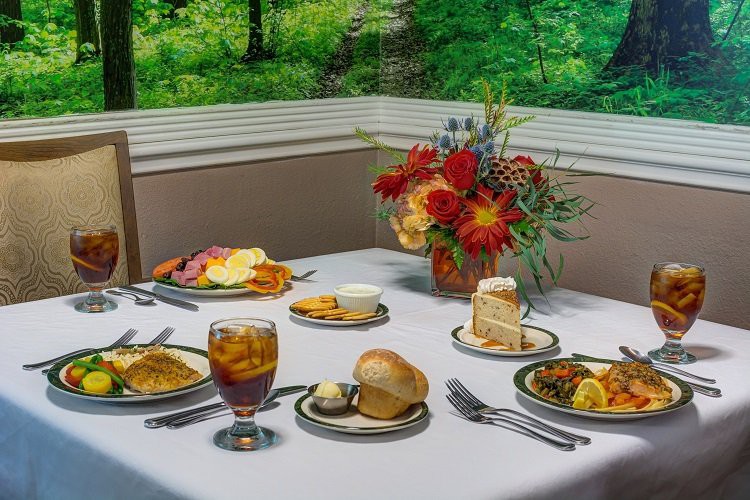
    A well-lit dining area with arranged tables and chairs, featuring elegant interior design and decor.
  • Outdoors

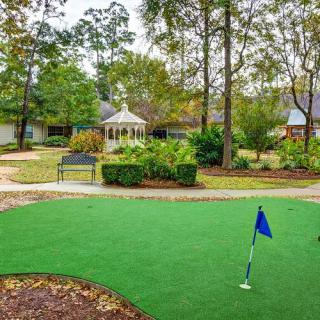
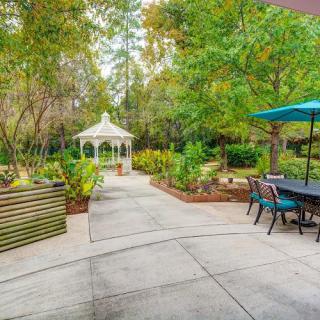
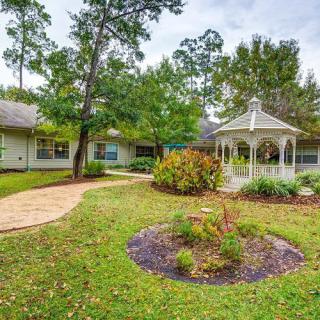
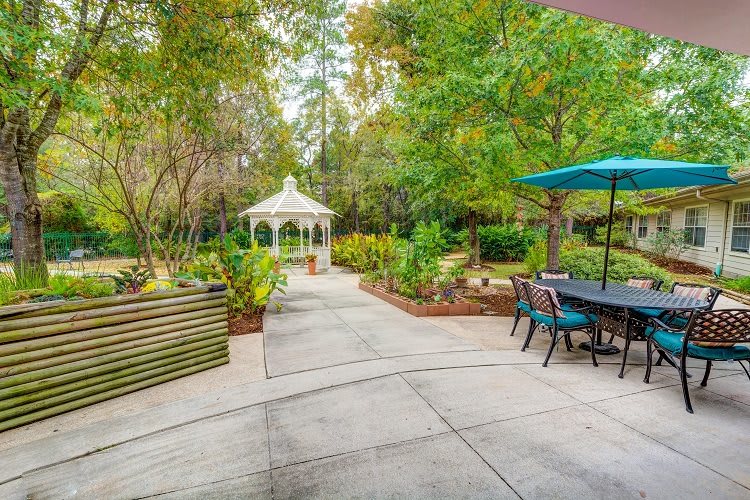
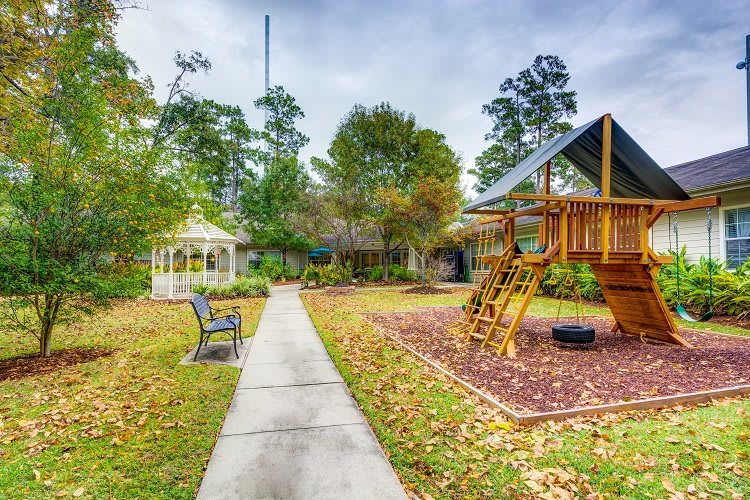
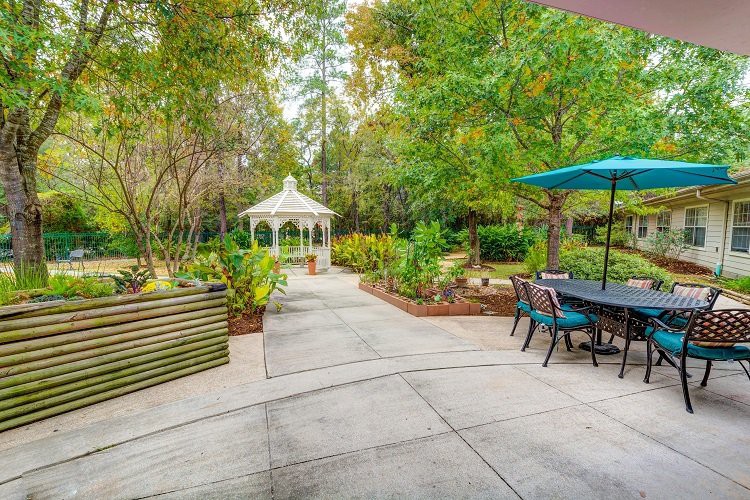
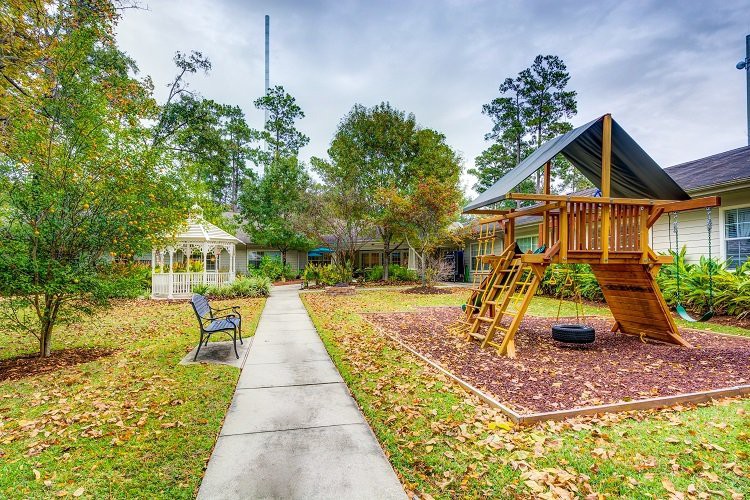
    A tranquil outdoor garden with a gazebo, surrounded by trees and a manicured lawn.
  • Decor

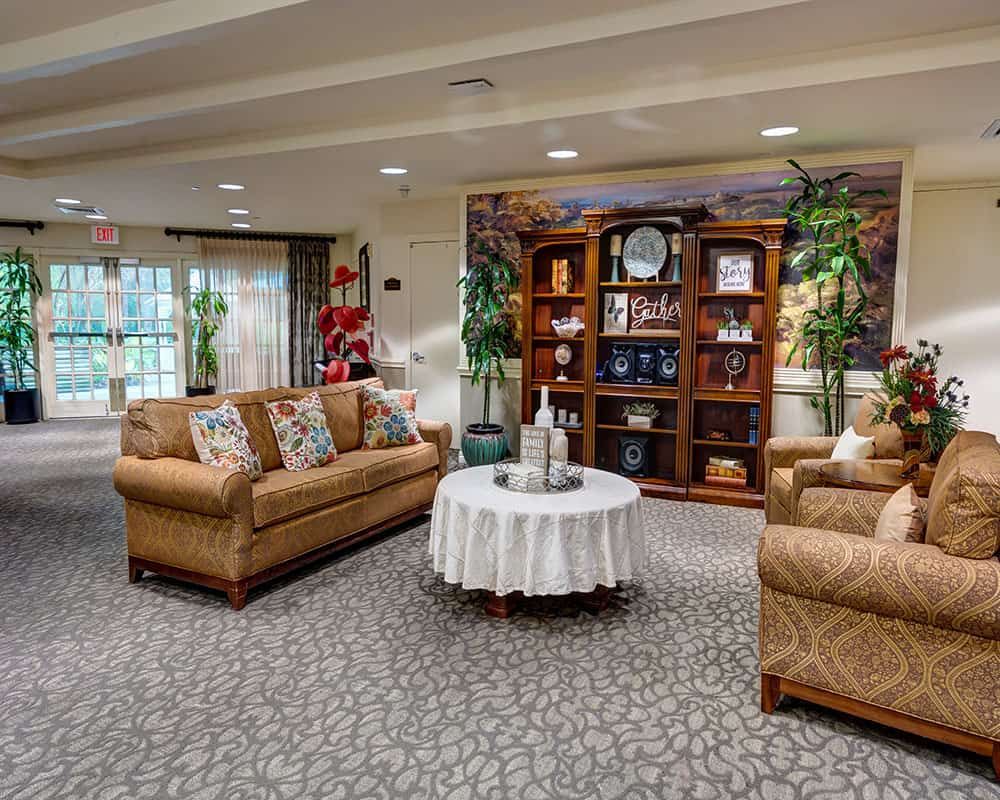
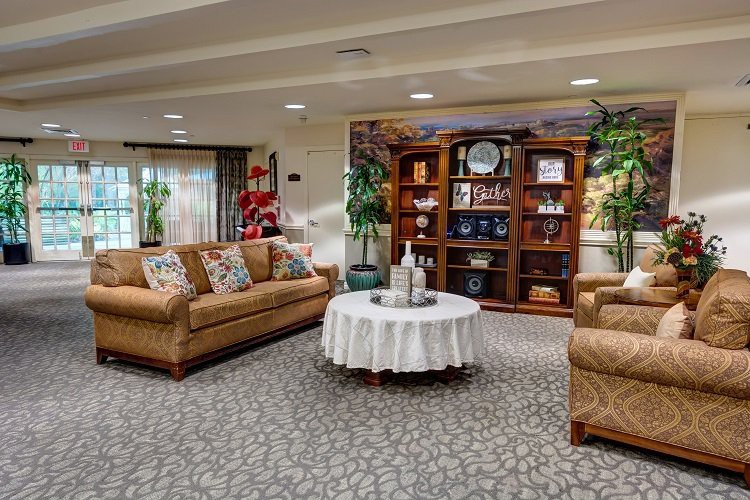
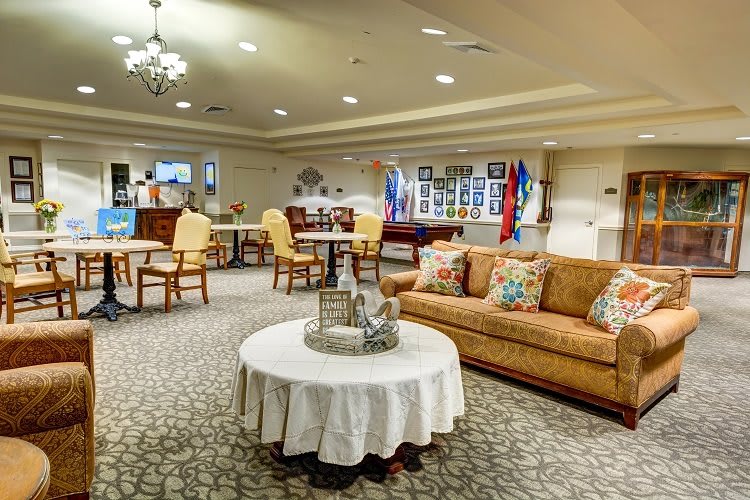
    A cozy living room with sofas, a round table, and a bookshelf adorned with decor items.
  • Living Room

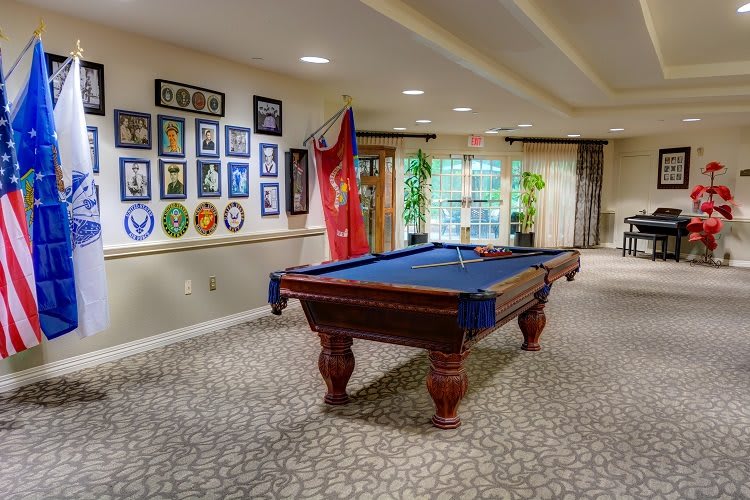
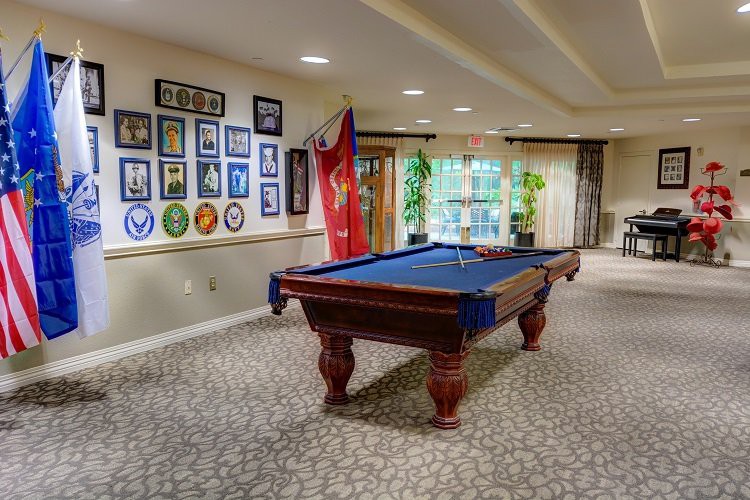
    A cozy living room with comfortable seating and elegant decor.
  • Building

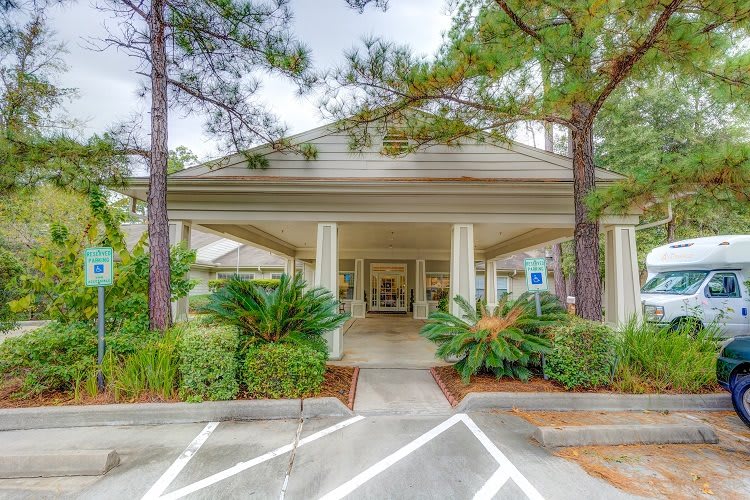
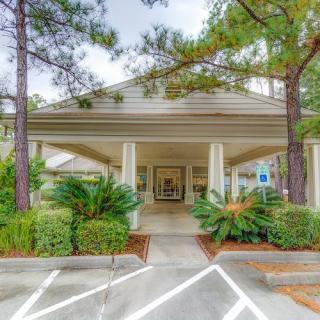
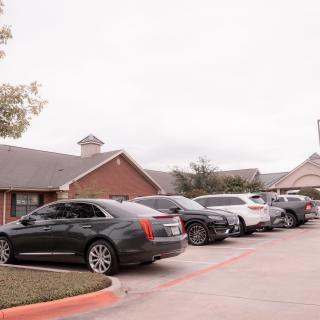
    Entrance of a building with surrounding trees and parking spaces.
  • Bedroom

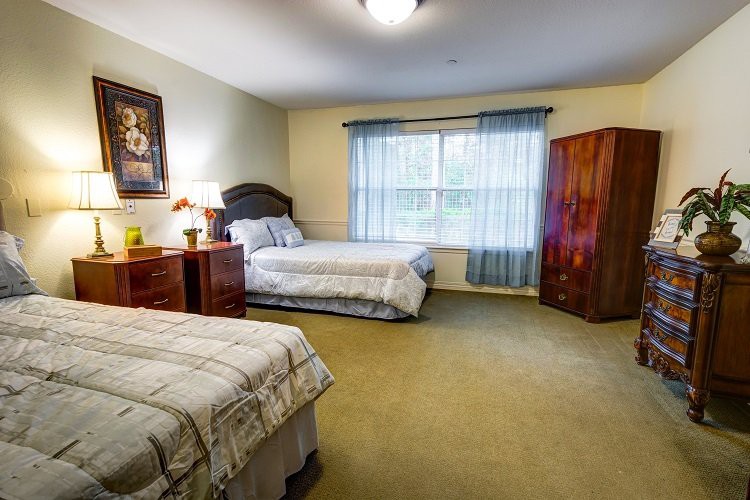
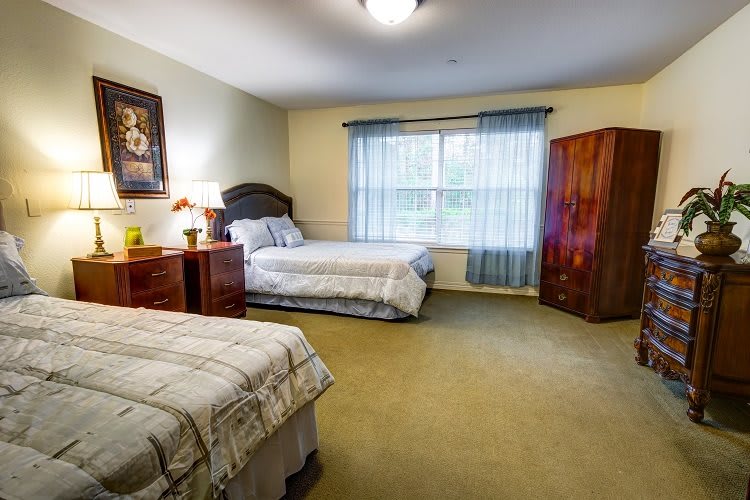
    A cozy bedroom with two beds, a window with curtains, and wooden furniture.
  • Trees

    A tranquil garden with a gazebo and outdoor seating area.
  • Windows

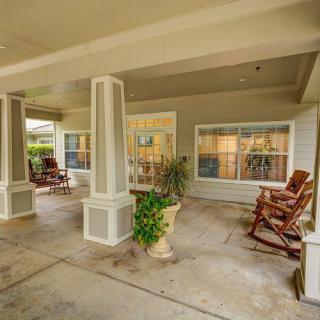
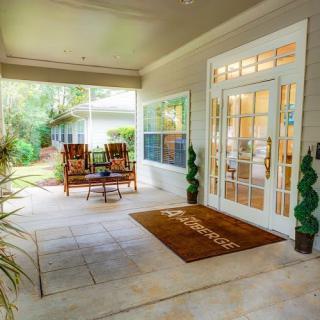
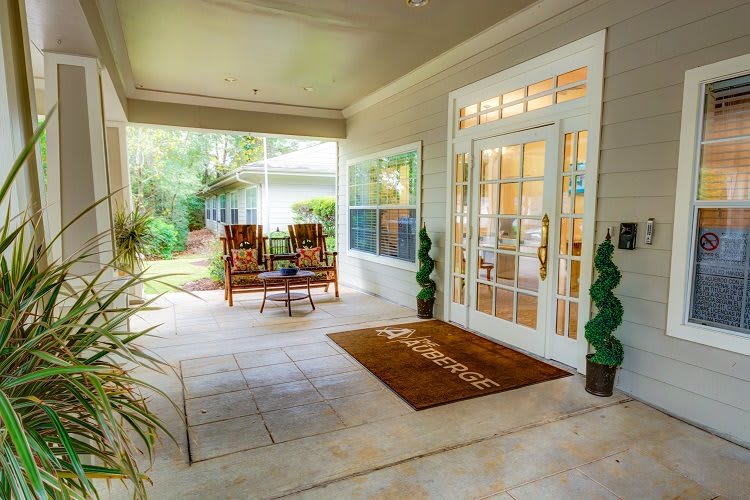
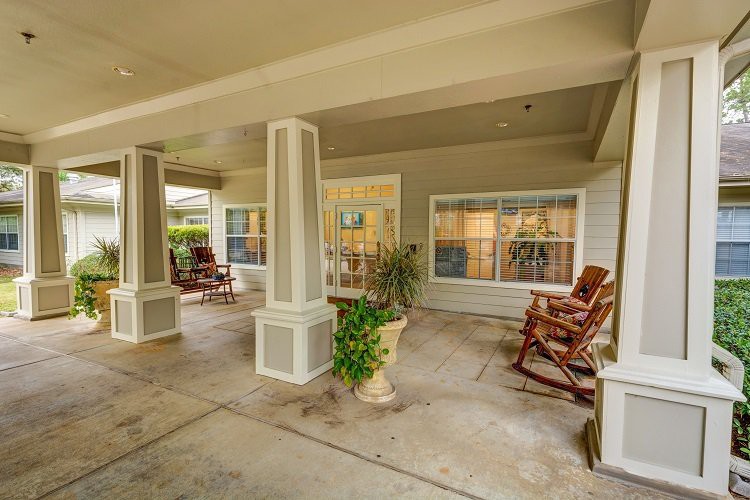
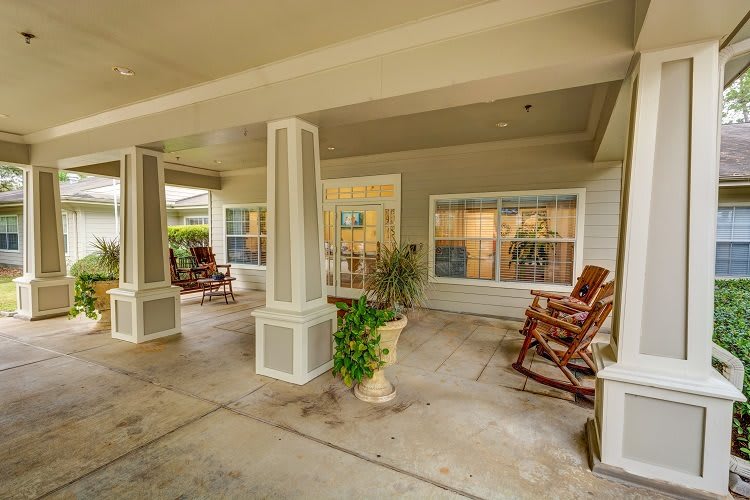
    A welcoming covered patio with rocking chairs and decorative plants.
  • Dining

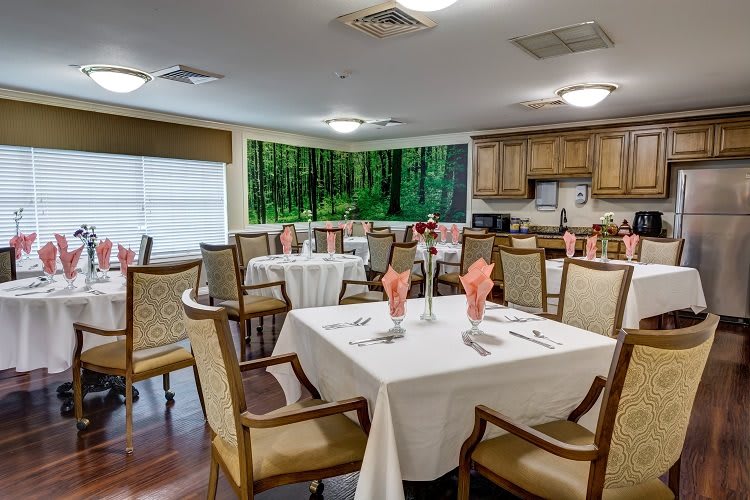
    A well-appointed dining area with neatly arranged tables and elegant decor.
  • Landscaping

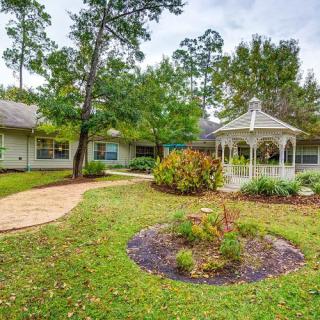
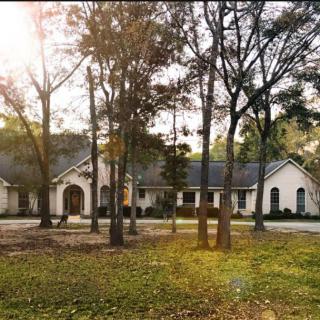
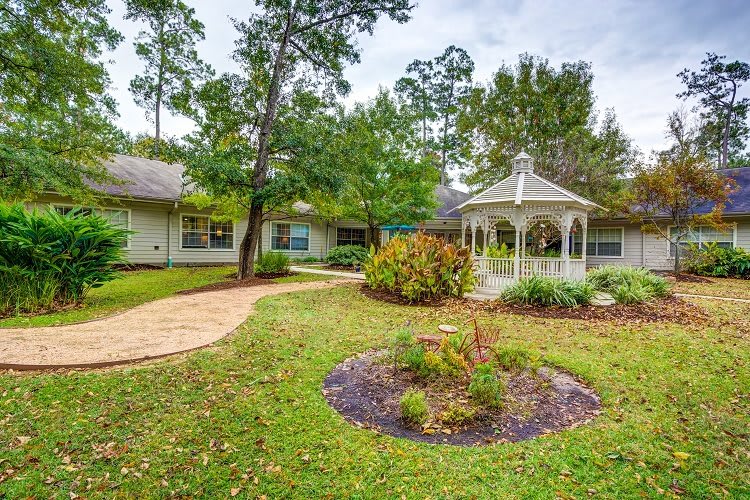
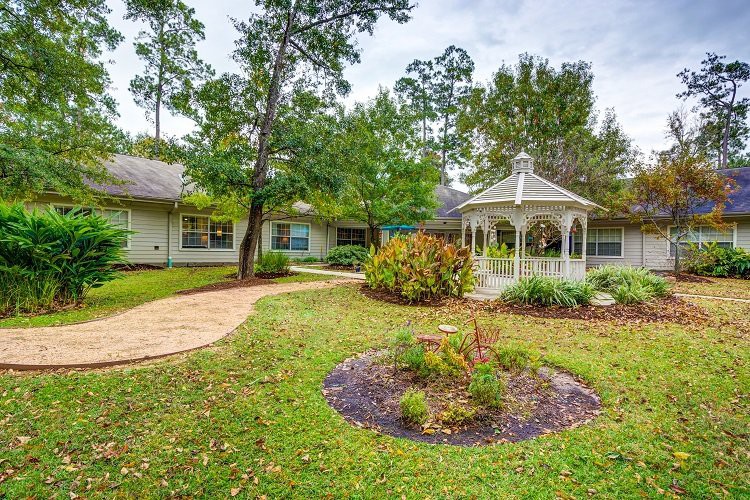
    A charming house with a landscaped garden and a gazebo surrounded by trees.
  • Lighting

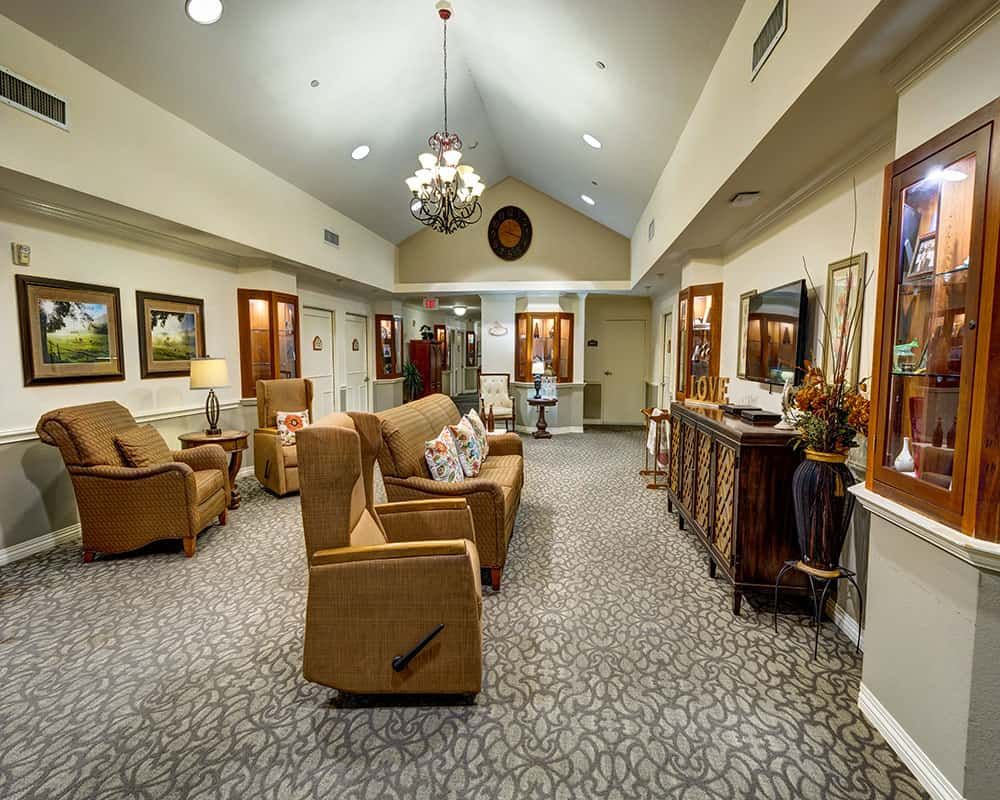
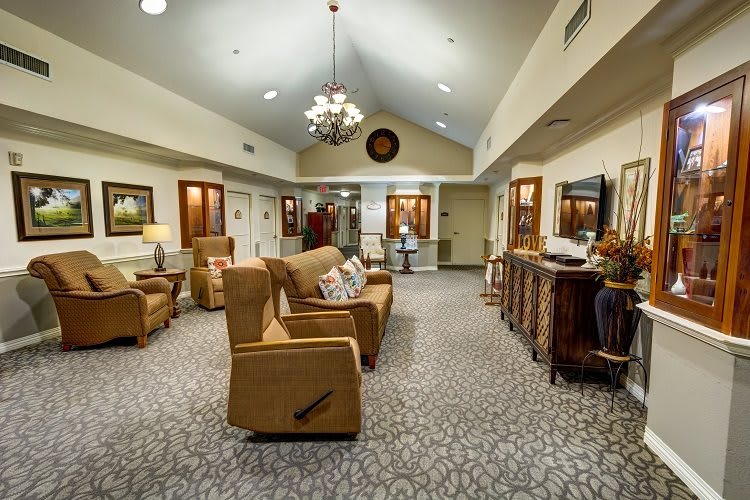
    A cozy and well-decorated living room with elegant furniture and ambient lighting.
  • Garden

    A serene garden with a gazebo, surrounded by lush greenery and a winding pathway.
  • Entrance

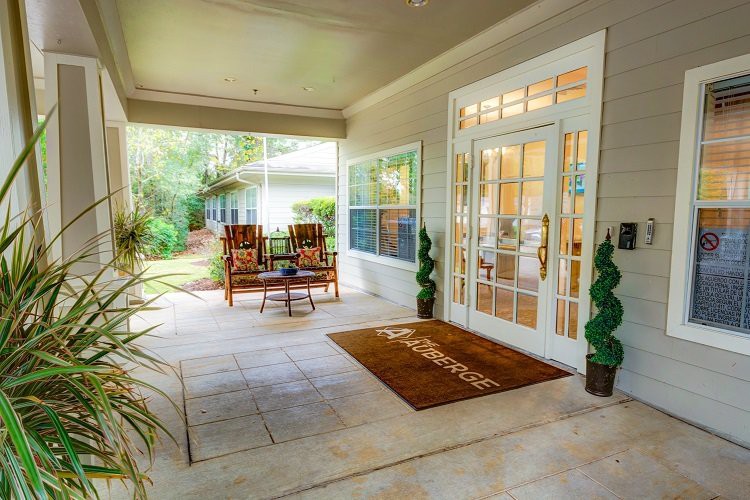
    A welcoming porch with comfortable seating and decorative plants.
  • Artwork

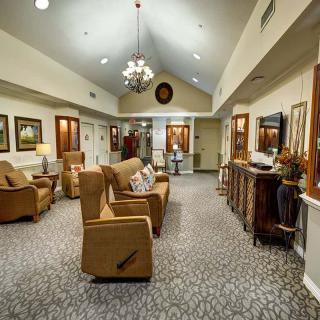
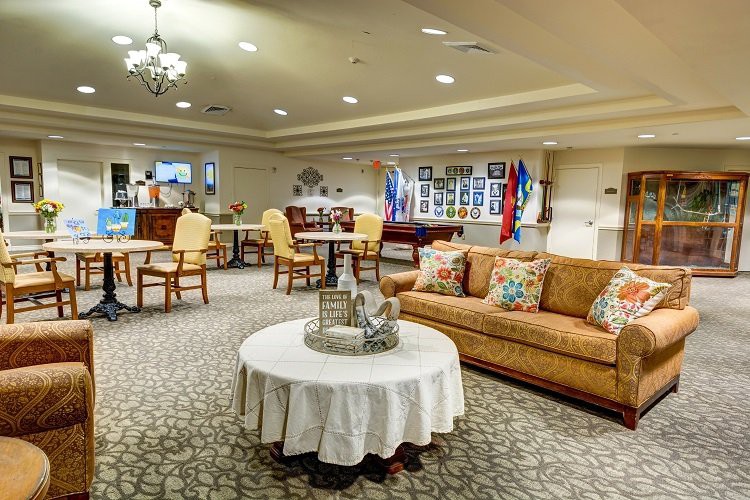
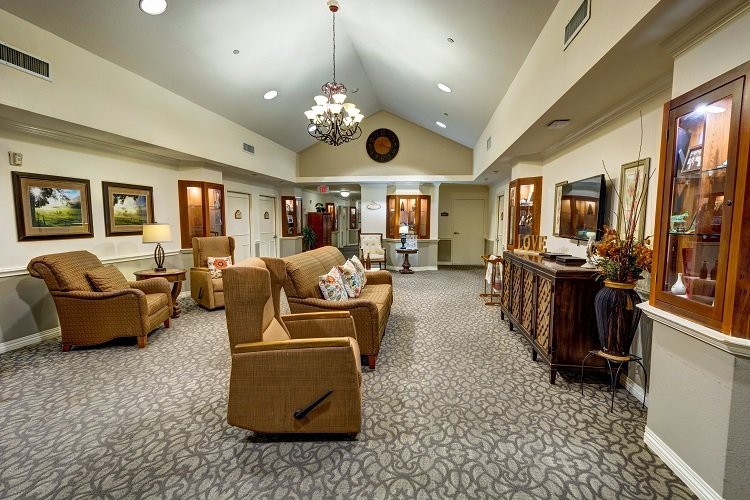
    A cozy lounge area featuring comfortable seating, a chandelier, and decorative artwork on the walls.

The Auberge At The Woodlands

7950 Bay Branch Drive, The Woodlands, TX 77382

For more information about senior living options: (844) 490-3973

4.6 from 66 reviews
5 stars
51
4 stars
8
3 stars
4
2 stars
0
1 stars
3

Assisted Living Memory Care

The Auberge At The Woodlands Costs & Pricing

The Auberge At The Woodlands offers a semi-private room at a monthly cost of $6,180, which is significantly higher than the average rates in Montgomery County and the broader state of Texas, where costs are approximately $3,664 and $3,680 respectively. This premium pricing reflects not only the upscale amenities and personalized care provided at The Auberge but also its commitment to creating an enriching environment for residents. While the costs may be above the regional averages, they also encompass a level of service and quality that many families find invaluable when considering long-term care options.

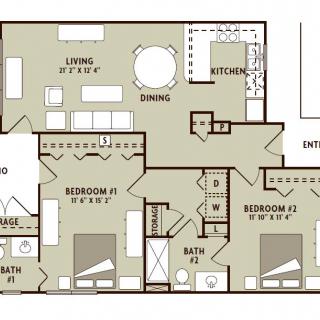
Floor plansThe Auberge At The WoodlandsMontgomery CountyTexas
Semi-Private$6,180$3,664$3,680

What level of care are you interested in?

Assisted Living

Memory Care

Independent Living

Skilled Nursing Facility

Continuing Care Retirement Community (CCRC)CCRC

Other


Request a tour at The Auberge At The Woodlands

    Overall Review of The Auberge At The Woodlands

    Pros

    • pro Krystal Narinesingh is absolutely amazing, with a warm personality, strong work ethic, and a smile that lights up the room.
    • pro Krystal's professionalism, compassion, and dedication help families navigate memory care with warmth and clarity.
    • pro Krystal is a source of sunshine for the community, radiating a servant-hearted care.
    • pro The Woodlands location is a beautiful community with large, spacious rooms and great amenities.
    • pro The Directors' love and commitment create a caring environment for residents and families.
    • pro The staff are friendly and treat residents like family, contributing to a calm, home-like atmosphere.
    • pro The community offers abundant activities, outings, three meals a day, onsite therapy, and wellness programs that engage residents.
    • pro The Auberge is praised as one of the best memory care facilities in the area, with excellent care and high standards.
    • pro Alexis and Brandon greet visitors with wonderful energy and smiles, making guests feel welcome.
    • pro Lynsey Williams, the Marketing Director, is simply amazing - professional, knowledgeable, and a delight to work with.
    • pro The facility is clean, well-maintained, and safe, giving families peace of mind.
    • pro Care is timely, attentive, and respectful, with staff communicating warmly and clearly.

    Cons

    • pro The new west coast company owners are not at all the hands-on, family-oriented facility it once was.
    • pro It now seems more like many other large corporations, a money maker, at all costs.
    • pro It is evident in the new up charging for many things that were once included, plus cutbacks of resident activities and outings.
    • pro The management is sorely lacking.
    • pro The staff were disorganized during the first night of a resident's stay.

    Review

    The Auberge At The Woodlands is best suited for families seeking memory-care specialization and a warm, home-like environment for a loved one with Alzheimer's or other forms of dementia. In The Woodlands, Texas, the campus presents a calm, garden-rich setting that supports daily purpose through structure and social connection. The rooms are spacious, common areas inviting, and the activity calendar dense enough to keep residents engaged without feeling overwhelming. Leadership and front-line staff are repeatedly praised for their genuine, respectful approach and for integrating families into care planning and daily life. For families prioritizing dignity, safety, and meaningful interaction, this community stands out as a compelling option.

    Those weighing alternatives should consider budget sensitivity and desired levels of privacy. The memory-care core is strong, yet several families have flagged price and contract concerns after ownership changes, including up-charges and perceived reductions in activity. The campus design and programming can feel expansive, at times to a fault for those seeking a quieter, more intimate home atmosphere. For residents who require higher staff-to-resident ratios or for families seeking a smaller setting with a calmer pace and more individualized attention, a boutique memory-care option or a different trajectory within assisted living may be warranted.

    On the plus side, the memory-care program is well executed. Residents benefit from a robust schedule of daily activities, outings 1?2 times per week, and on-site therapy within a structured cognitive-stimulation framework often described as SMART. Mealtime is social and well-regarded, with a dining program that includes more than one dining room and restaurant-like service. The grounds are well kept, offering outdoor spaces that invite safe exploration, and nursing coverage on weekdays plus 24/7 on-call support provides crucial reassurance. Communication with families is consistently cited as clear and compassionate, and the staff is described as kind, attentive, and genuinely engaged with residents.

    Nevertheless, several drawbacks recur in reviews. Cost remains a central consideration for many families, who feel the value hinges on premium pricing rather than a guarantee of round-the-clock, deeply personalized one-to-one care. Shared rooms introduce privacy tradeoffs, and some readers question whether staffing levels always meet peak demand. The ownership transition years ago is cited by some as shaping contracts and services in ways that feel more corporate and less personal, with occasional activity reductions. Even tour experiences have been uneven at times, underscoring the need for concrete expectations before move-in.

    Despite these caveats, the community's strengths often outweigh the concerns. A culture of care, anchored by long-tenured staff, fosters dependable routines, quick responses, and meaningful relationships between caregivers and residents. Families consistently report feeling heard and kept apprised of any health or behavioral changes, with the care team acting promptly on issues. The quality-of-life elements - the gardens, social outings, music, and crafts - offer tangible cognitive and emotional benefits, while the dining experience and high-quality meals contribute to daily satisfaction. For families comfortable investing in a premium memory-care environment, the overall package can justify the cost.

    For decision-makers focused on memory care in The Woodlands, The Auberge At The Woodlands stands out when the resident's needs align with a large, active program, a home-like atmosphere, and a transparent, engaged staff. A practical tour plan should include a candid look at staff-to-resident ratios for dementia-specific care, a clear breakdown of what the base price covers, and a sense of how promptly the nursing team responds to health changes. Evaluate the fit against resident routines and preferred levels of social engagement. If privacy, lower cost, or a smaller-scale setting are non-negotiable, explore alternatives. In short, this Auberge location deserves serious consideration for families prioritizing engaged memory care in a reputable, connected community.

    Features

    Housing

    • 22 resident community capacity 22 resident community capacity

    Types of Care

    • Assisted Living Assisted LivingAssisted living facilities provide crucial support and care for seniors who may need help with daily tasks such as medication management, bathing, and meal preparation. These communities offer a safe and comfortable environment where seniors can maintain their independence while receiving the assistance they need to thrive in their golden years.
    • Memory Care Memory CareMemory care is crucial for seniors as it provides specialized support and services for individuals with dementia or Alzheimer's disease. These programs offer a safe and secure environment where residents receive personalized care, cognitive stimulation, and help with daily activities. Memory care helps seniors maintain their independence, quality of life, and dignity while also providing peace of mind for their families.

    Pets

    • Cats allowed Cats allowed"Pet friendly" senior living communities are important for seniors because pets provide companionship, reduce feelings of loneliness and depression, promote physical activity and mental stimulation, and offer a sense of purpose and responsibility. Pets can improve overall well-being and quality of life for seniors in many ways.
    • Dogs allowed Dogs allowed"Pet friendly" senior living communities are important for seniors because pets provide companionship, reduce feelings of loneliness and depression, promote physical activity and mental stimulation, and offer a sense of purpose and responsibility. Pets can improve overall well-being and quality of life for seniors in many ways.

    Amenities

    • Activities off-site Activities off-siteEngaging in off-site activities is crucial for seniors to maintain social connections, stay active, and stimulate their minds. It promotes overall well-being and helps combat feelings of isolation and loneliness.
    • Activities on-site Activities on-siteActivities on-site are important for seniors because they provide opportunities for socialization, mental stimulation, physical activity, and overall well-being. Engaging in activities can help seniors stay active, maintain their independence, and improve their quality of life.
    • Air-conditioning Air-conditioningAir conditioning is important for seniors as they are more vulnerable to heat-related illnesses and may have underlying health conditions that make it difficult for them to regulate their body temperature. It helps to keep them comfortable, safe, and healthy in hot weather.
    • Beautician on-site Beautician on-siteHaving a beautician on-site at a senior living community is important for seniors as it allows them to easily access grooming and personal care services, boosting their self-esteem and overall well-being. It also provides convenience and helps seniors maintain their sense of independence and personal style.
    • Beauty salon Beauty salonBeauty salons are important for seniors because they provide a space for them to feel pampered, socialize, and maintain their personal grooming and hygiene. Regular visits to a beauty salon can help boost seniors' self-esteem and overall well-being.
    • Cable or satellite TV Cable or satellite TVCable or satellite TV is important for seniors because it provides entertainment, news, and companionship, helping to combat loneliness and boredom. It also offers a wide range of programming options tailored to different interests and preferences.
    • Devotional services off-site Devotional services off-siteDevotional services off-site are important for seniors as they provide spiritual nourishment, social engagement, and a sense of community outside of the senior living facility. This can enhance overall well-being and help combat feelings of isolation and loneliness often experienced by older adults.
    • Devotional services on-site Devotional services on-siteDevotional services on-site provide seniors with spiritual support and a sense of community, as well as an opportunity for reflection and guidance during their senior living experience. This can promote emotional well-being and connection to others, leading to a more fulfilling and enriching lifestyle in their later years.
    • Dining room Dining roomDining rooms are important for seniors as they provide a space for socialization, connection, and nutritious meals. They offer opportunities for residents to bond over shared meals, foster a sense of community, and promote healthy eating habits. Dining rooms also ensure that seniors have access to well-balanced meals tailored to their dietary needs and preferences.
    • Fully furnished Fully furnishedFully furnished senior living communities are important for seniors because they provide convenience, comfort, and a hassle-free moving experience. Seniors can easily settle into their new living space without the stress of having to buy and move furniture. This allows them to focus on enjoying their new home and community.
    • Garden GardenGardens are important for seniors as they provide a peaceful and therapeutic environment for relaxation, physical activity, and socialization. Being in nature has been shown to reduce stress, improve mood, and promote overall well-being. Gardens also offer opportunities for seniors to engage in gardening activities, which can improve mobility, flexibility, and cognitive function. Additionally, gardens create a sense of community and connection with others who share a passion for plants and outdoor spaces.
    • Ground floor units Ground floor unitsGround floor units are important for seniors because they provide easy accessibility, reduced risk of falls and injuries, and convenience for those with mobility issues. Seniors can avoid climbing stairs or using elevators, making daily tasks and activities more manageable and enjoyable.
    • Housekeeping services Housekeeping servicesHousekeeping services are important for seniors because they help maintain a clean and safe living environment, promote independence, and reduce the risk of accidents or illnesses. Additionally, having assistance with household chores can alleviate physical strain and allow seniors to focus on other aspects of their well-being.
    • Indoor common areas Indoor common areasIndoor common areas are crucial for seniors as they provide a space for socialization, recreation, and community engagement, promoting overall well-being and reducing feelings of isolation and loneliness.
    • Kitchenette KitchenetteKitchenettes are important for seniors living in senior living communities because they provide the convenience and independence of being able to prepare simple meals and snacks in the comfort of their own living space. This can help promote a sense of autonomy and well-being for seniors, allowing them to maintain some level of control over their dietary choices and daily routines.
    • Move-in coordination Move-in coordinationMove-in coordination is important for seniors because it helps ease the transition into their new living environment. It ensures that all logistics, such as packing, organizing movers, and setting up utilities are taken care of, allowing seniors to focus on settling in and adjusting to their new home. Having a smooth move-in process can alleviate stress and anxiety, making the transition smoother and more enjoyable for seniors.
    • Outdoor common areas Outdoor common areasOutdoor common areas are important for seniors as they provide a space for socialization, physical activity, and relaxation. Being outside in nature can improve mood and overall well-being, while also encouraging movement and engagement with others. These spaces can help combat feelings of isolation and promote a sense of community among residents.
    • Outdoor space Outdoor spaceOutdoor spaces are important for seniors as they provide opportunities for physical activity, social interaction, exposure to natural light and fresh air, and a sense of connection to nature. Having access to outdoor spaces can improve overall well-being and quality of life for older adults living in senior communities.
    • Respite or short term stays offered Respite or short term stays offeredRespite or short term stays provide seniors with a temporary solution when their regular caregiver is unavailable, offering them the opportunity to receive additional care and support during times of need, while also giving caregivers a chance to rest and recharge.
    • Restaurant-style dining Restaurant-style diningRestaurant-style dining is important for seniors because it allows them to enjoy delicious, nutritious meals in a social and upscale setting. This enhances their dining experience, promotes healthy eating habits, and fosters socialization with fellow residents, ultimately contributing to their overall well-being and quality of life.
    • Small library Small librarySmall libraries are important for seniors as they provide access to a variety of reading materials, including books, newspapers, and magazines. This can help stimulate their minds, keep them engaged, and provide a sense of community through book clubs and other social activities. Additionally, reading has been shown to improve cognitive function and overall mental well-being in older adults.
    • Spa SpaSpas are important for seniors because they provide relaxation, stress relief, and therapeutic benefits which can improve their overall well-being and quality of life. Additionally, spa treatments such as massages, hydrotherapy, and aromatherapy can help alleviate common age-related ailments such as arthritis, joint pain, and circulation issues. Seniors deserve to enjoy a pampering experience that promotes physical and emotional wellness.
    • Telephone TelephoneTelephones are important for seniors as they provide a lifeline for communication with loved ones, emergency services, and healthcare providers. They offer a sense of security and independence, enabling seniors to stay connected and access assistance when needed.
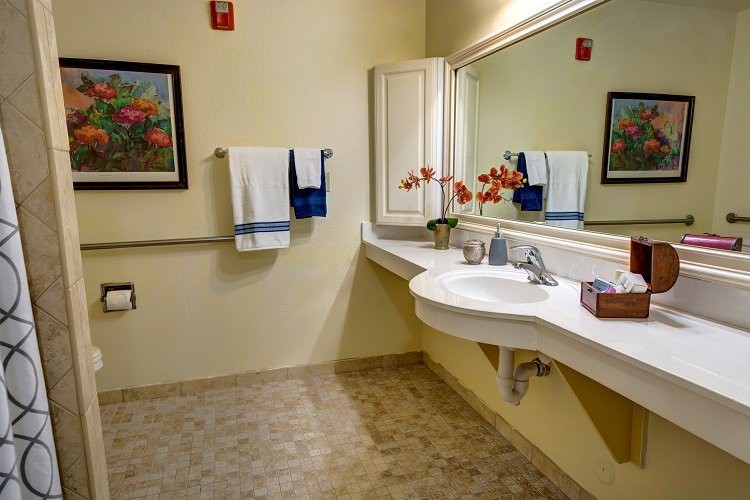
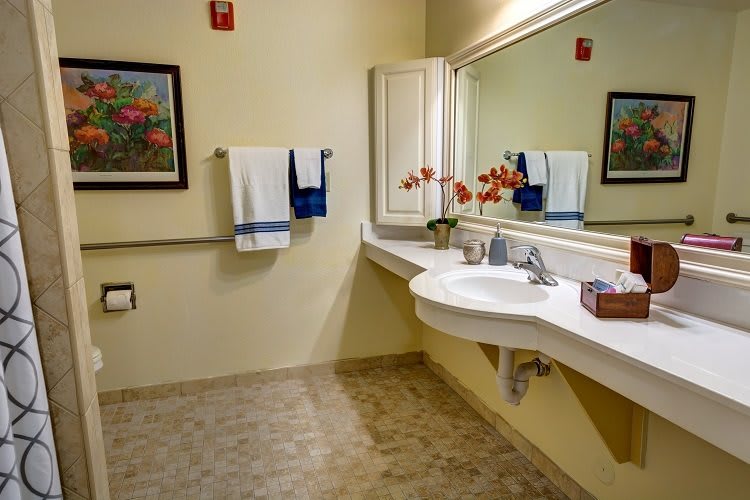
    • Wheelchair accessible showers Wheelchair accessible showersWheelchair accessible showers are crucial for seniors as they provide a safe and independent bathing option for those with mobility challenges. These showers help prevent falls and allow seniors to maintain their dignity and autonomy while ensuring they can bathe comfortably.
    • Wi-Fi/high-speed internet available Wi-Fi/high-speed internet availableWi-Fi/high-speed internet is important for seniors to stay connected with loved ones, access online resources, and participate in virtual activities to combat feelings of loneliness and isolation. It also allows them to easily manage healthcare needs, access entertainment, and engage in lifelong learning opportunities.

    Transportation

    • George Bush Intercontinental (19 miles away) George Bush Intercontinental (19 miles away)
    • Transportation arrangement (non-medical) Transportation arrangement (non-medical)Transportation arrangements are essential for seniors as they provide access to essential services, activities, and social interactions outside the home. This service helps maintain independence, mobility, and overall well-being for seniors who may have limited transportation options.
    • Transportation to doctors appointments Transportation to doctors appointmentsTransportation to doctors appointments is crucial for seniors as it ensures they have access to necessary medical care and support, promoting their health and well-being. It allows them to receive timely treatment, monitor existing conditions, and address any new health concerns efficiently. Additionally, transportation services can help seniors maintain their independence and quality of life by enabling them to stay connected with their healthcare providers.

    Care Services

    • 12-16 hour nursing 12-16 hour nursing12-16 hour nursing care is crucial for seniors in order to ensure around-the-clock monitoring, timely medication administration, and prompt response to any health concerns or emergencies. This level of care helps to promote the overall well-being and safety of seniors living in senior living communities.
    • 24-hour call system 24-hour call system24-hour call systems are important for seniors because they provide peace of mind and immediate assistance in case of emergencies. This technology ensures that help is always available, promoting safety and security for elderly individuals living alone or in assisted living facilities.
    • 24-hour supervision 24-hour supervision24-hour supervision is important for seniors to ensure their safety, well-being, and access to immediate assistance in case of emergencies or health issues. This constant support provides peace of mind for both seniors and their loved ones, allowing them to age in place with dignity and security.
    • Activities of daily living assistance Activities of daily living assistanceActivities of daily living assistance are important for seniors because they provide essential support with tasks such as eating, bathing, dressing, and mobility. This assistance helps seniors maintain their independence, dignity, and overall quality of life as they age.
    • Assistance with bathing Assistance with bathingAssistance with bathing is crucial for seniors as it helps maintain personal hygiene, prevents infections, and ensures their overall well-being and comfort. It also provides a sense of dignity and independence for seniors who may struggle with this task on their own.
    • Assistance with dressing Assistance with dressingAssistance with dressing is important for seniors because it helps maintain their independence, promotes personal hygiene, prevents accidents and injuries, and improves overall quality of life. This service ensures that seniors can continue to dress comfortably and confidently, despite any physical limitations they may have.
    • Assistance with transfers Assistance with transfersAssistance with transfers is crucial for seniors as it helps prevent falls and injuries, maintains their independence, and ensures they can safely navigate their living environment. It also provides peace of mind for both seniors and their loved ones.
    • Coordination with health care providers Coordination with health care providersCoordination with health care providers is crucial for seniors to ensure proper medical care, medication management, and overall well-being. This collaboration helps prevent overlapping treatments, track progress more effectively, and provide comprehensive support tailored to individual needs.
    • Dementia waiver Dementia waiverDementia waivers are essential for seniors as they provide critical protections and accommodations for those experiencing cognitive decline. These waivers ensure individuals with dementia receive appropriate care, support, and resources to maintain their quality of life and dignity as they navigate the challenges of this progressive condition.
    • Diabetes diet Diabetes dietA diabetes diet is crucial for seniors as it helps manage blood sugar levels, reduce risks of complications, and improve overall health and well-being. By following a balanced and nutritious diet tailored to their specific needs, seniors can better control their diabetes and enhance their quality of life.
    • Diabetic care Diabetic careDiabetic care is crucial for seniors as they are more susceptible to developing diabetes due to aging and other health conditions. Proper management of diabetes can help prevent complications such as heart disease, vision loss, and nerve damage, improving the overall quality of life for seniors in senior living communities.
    • High acuity care High acuity careHigh acuity care is important for seniors because it provides specialized medical attention and support for individuals with complex medical needs. This level of care ensures that seniors receive the appropriate treatment and assistance to maintain their health and quality of life as they age.
    • Hospice waiver Hospice waiverHospice waivers are important for seniors because they allow individuals to receive specialized end-of-life care and support at home or in a hospice facility. This waiver ensures that seniors can access the necessary resources and services to maintain comfort and dignity during their final days.
    • Incontinence care Incontinence careIncontinence care is essential for seniors to maintain their dignity, hygiene, and overall quality of life. By addressing incontinence issues promptly and effectively, seniors can enjoy a sense of independence and comfort in their daily activities.
    • Meal preparation and service Meal preparation and serviceMeal preparation and service are crucial for seniors as they may have limited mobility or energy to cook nutritious meals. Having access to healthy and convenient food options can ensure they are getting the proper nutrition needed to maintain their overall health and well-being.
    • Medication management Medication managementMedication management is crucial for seniors to ensure they are taking the right medications at the correct dosages and times. This helps prevent adverse drug interactions, reduces the risk of medication errors, and promotes overall health and well-being. Proactive management also allows for adjustments as needed based on changing health conditions or new prescriptions.
    • Mental wellness program Mental wellness programMental wellness programs are essential for seniors as they promote cognitive stimulation, emotional support, and social engagement. These programs help prevent isolation, depression, and cognitive decline, ultimately enhancing the overall quality of life for older adults.
    • Mild cognitive impairment Mild cognitive impairment"Mild cognitive impairment" is important for seniors because it is an early stage of cognitive decline that can potentially progress to more severe conditions such as dementia. Recognizing and addressing mild cognitive impairment can help seniors receive appropriate care and support to maintain their quality of life and independence for as long as possible.
    • Special dietary restrictions Special dietary restrictionsSpecial dietary restrictions are important for seniors because age-related changes in metabolism and health conditions can make it difficult for their bodies to process certain foods. By following a diet tailored to their specific needs, seniors can maintain their overall health and well-being, manage chronic conditions, and reduce the risk of complications such as malnutrition or food interactions with medications.
    • Specialized memory care programming Specialized memory care programmingSpecialized memory care programming is crucial for seniors with cognitive impairments such as dementia or Alzheimer's disease. These programs provide a safe and supportive environment tailored to the unique needs of individuals with memory loss, helping them maintain their independence, dignity, and quality of life.
    • Transportation arrangement (medical) Transportation arrangement (medical)Transportation arrangements for medical purposes are essential for seniors as they may have difficulty driving themselves to appointments or accessing public transportation. Having reliable and safe transportation options ensures that seniors can receive timely medical care and maintain their health and well-being.
    • Transportation to doctors appointments Transportation to doctors appointmentsTransportation to doctors appointments is crucial for seniors as it ensures they have access to necessary medical care and support, promoting their health and well-being. It allows them to receive timely treatment, monitor existing conditions, and address any new health concerns efficiently. Additionally, transportation services can help seniors maintain their independence and quality of life by enabling them to stay connected with their healthcare providers.

    Dining

    • Diabetes diet Diabetes dietA diabetes diet is crucial for seniors as it helps manage blood sugar levels, reduce risks of complications, and improve overall health and well-being. By following a balanced and nutritious diet tailored to their specific needs, seniors can better control their diabetes and enhance their quality of life.
    • Gluten-free Gluten-freeGluten-free options are important for seniors as they are more prone to digestive issues and dietary sensitivities. Offering gluten-free meal choices in senior living communities can help improve their overall health and well-being.
    • Guest meals Guest mealsGuest meals are important for seniors living in senior living communities because they provide an opportunity for socialization and companionship. Sharing a meal with friends, family, or new acquaintances can help combat feelings of loneliness and isolation, promote a sense of community, and enhance overall well-being. Additionally, guest meals allow seniors to enjoy delicious food in a comfortable setting without the hassle of cooking or cleaning up, making dining a pleasurable and stress-free experience.
    • Kosher KosherKosher options are important for seniors because they adhere to dietary laws that are significant to many Jewish individuals, providing them with peace of mind and an opportunity to maintain their cultural traditions and beliefs while living in a senior living community.
    • Low / no sodium Low / no sodiumLow/no sodium options are important for seniors because excessive sodium intake can lead to high blood pressure, heart disease, and other health issues commonly experienced by older adults. By choosing low/no sodium foods, seniors can better manage their health and reduce their risk of developing these conditions.
    • Meals provided Meals provided"Meals provided" are crucial for seniors in assisted living communities as it ensures they have access to nutritious, balanced meals without the stress of meal planning and preparation. This can help promote overall health and well-being for seniors who may have limited mobility or cognitive abilities.
    • No Sugar No SugarNo sugar diets are important for seniors because they can help prevent or manage chronic conditions such as diabetes, heart disease, and obesity. Sugar can also contribute to cognitive decline and inflammation in the body, so reducing sugar intake can lead to overall improved health and well-being in older adults.
    • Professional chef Professional chefProfessional chefs are important for seniors living in senior living communities because they provide nutritious and delicious meals that cater to their dietary needs and preferences. A professional chef can ensure that seniors are receiving balanced, flavorful meals that support their overall health and well-being.
    • Restaurant style dining Restaurant style diningRestaurant style dining is important for seniors as it offers them a social and enjoyable dining experience, promotes healthy eating habits, and provides personalized menu options to cater to their dietary needs and preferences. This type of dining setting can enhance their overall quality of life and create a sense of community within the senior living facility.
    • Room service Room serviceRoom service is important for seniors in a senior living community because it provides convenience and allows them to have their meals delivered directly to their room. This can be especially beneficial for seniors who may have mobility issues or difficulty accessing the dining area. Room service ensures that seniors are able to receive nutritious meals without having to navigate through the facility, allowing them to maintain their independence and overall well-being.
    • Special dietary restrictions Special dietary restrictionsSpecial dietary restrictions are important for seniors because age-related changes in metabolism and health conditions can make it difficult for their bodies to process certain foods. By following a diet tailored to their specific needs, seniors can maintain their overall health and well-being, manage chronic conditions, and reduce the risk of complications such as malnutrition or food interactions with medications.
    • Special dining programs Special dining programsSpecial dining programs are important for seniors because they provide nutritious meals tailored to their dietary needs and preferences. These programs also offer socialization opportunities, promote overall health and well-being, and can help prevent malnutrition.
    • Vegan VeganVegan diets can provide numerous health benefits for seniors, including lower risk of chronic diseases, improved digestion, and increased energy levels. Additionally, plant-based diets are often rich in essential nutrients that can support overall well-being and longevity in older adults.
    • Vegetarian VegetarianA vegetarian diet is important for seniors because it can help lower the risk of chronic diseases, maintain a healthy weight, and provide essential nutrients needed for aging bodies. Additionally, plant-based diets are often easier on digestive systems and can contribute to overall well-being in older adults.

    Activities

    • Art classes Art classesArt classes are important for seniors because they provide a creative outlet, improve cognitive function, reduce stress and anxiety, promote socialization, and enhance overall well-being and quality of life.
    • Bible study group Bible study groupBible study groups provide seniors with a sense of community, spiritual growth, and support during their later years. It helps them stay connected to their faith, find comfort in difficult times, and build meaningful relationships with others.
    • Community-sponsored activities Community-sponsored activitiesCommunity-sponsored activities are important for seniors as they provide opportunities for social interaction, mental stimulation, and physical activity. These activities can help improve overall well-being, combat loneliness and isolation, and promote a sense of belonging and purpose among older adults.
    • Cooking classes Cooking classesCooking classes are important for seniors as they provide opportunities for social interaction, enhance cognitive skills, promote healthy eating habits, and boost confidence in the kitchen.
    • Day trips and outings Day trips and outingsDay trips and outings are important for seniors as they provide opportunities for socialization, mental stimulation, physical activity, and a break from daily routines. These experiences can enhance overall well-being and quality of life for older adults living in senior communities.
    • Devotional activities offsite Devotional activities offsiteDevotional activities offsite are important for seniors because they provide social engagement, spiritual growth, and a sense of community outside of their living environment. This can improve overall well-being, mental health, and combat feelings of isolation or loneliness.
    • Devotional activities on-site Devotional activities on-siteDevotional activities on-site provide seniors with a sense of community, spiritual fulfillment, and emotional support, promoting overall well-being and a positive sense of purpose in their lives.
    • Educational speakers / life long learning Educational speakers / life long learningEducational speakers and lifelong learning opportunities are crucial for seniors as they provide mental stimulation, promote social engagement, and contribute to overall well-being. Continuous learning helps seniors stay mentally sharp, build new skills, and maintain a sense of purpose and fulfillment in their lives. It also allows them to stay connected to the world around them and fosters a sense of community within senior living facilities.
    • Happy hour Happy hourHappy hour is important for seniors as it provides a social activity that promotes camaraderie and reduces feelings of loneliness or isolation. It also offers an opportunity for older adults to relax, unwind, and enjoy some drinks or snacks in a fun and welcoming atmosphere.
    • Karaoke KaraokeKaraoke provides seniors with a fun and social activity that can boost mood, confidence, and cognitive function. It encourages social interaction, physical movement, and creative expression, making it an important form of entertainment for senior living communities.
    • Live musical performances Live musical performancesLive musical performances can provide seniors with a sense of joy, nostalgia, and connection. Music has the power to evoke emotions and memories, improve mood and cognitive function, and foster social interaction among seniors. It can also serve as a form of therapy and stress relief for older adults, making it an important activity to include in senior living communities.
    • Live well programs Live well programs"Live well programs are essential for seniors as they provide opportunities for physical activity, social engagement, and mental stimulation, ultimately promoting overall health and well-being in later years."
    • Resident-run activities Resident-run activitiesResident-run activities are important for seniors as they encourage social interaction, creativity, and a sense of autonomy. These activities empower seniors to stay engaged and active in their community while fostering meaningful connections with their peers.
    • Scheduled daily activities Scheduled daily activitiesScheduled daily activities are important for seniors because they provide structure, socialization, mental stimulation, and physical activity. Engaging in regular activities can improve overall well-being and quality of life for seniors living in a community setting.
    • Visiting chaplain or priest Visiting chaplain or priestHaving a visiting chaplain or priest at a senior living community is important for seniors because it provides spiritual support, comfort, and guidance during a time of life that can be challenging and uncertain. Their presence can help seniors feel connected to their faith, find peace of mind, and cope with the emotional and mental struggles they may face in their later years.
    • Wine tasting Wine tastingWine tasting can be a fun and social activity for seniors, allowing them to engage their senses, learn about different varieties of wine, and potentially meet new friends. It also offers health benefits such as improved cognitive function and reduced risk of heart disease when consumed in moderation.

    Description

    The Auberge At The Woodlands is a premier memory care assisted living community located in The Woodlands, TX. Our community offers a range of services and amenities to ensure the comfort and well-being of our residents.

    For our residents' entertainment and convenience, each room is equipped with cable or satellite TV, and high-speed Wi-Fi internet is available throughout the community. Our dining room provides delicious meals in a restaurant-style setting, accommodating any special dietary restrictions. Housekeeping services keep the community clean and maintained, allowing residents to focus on enjoying their days.

    Our fully furnished rooms include a kitchenette for residents who prefer to prepare their own meals. For those looking to relax, we offer outdoor spaces and a spa where residents can unwind and enjoy some pampering.

    At The Auberge At The Woodlands, our care services are comprehensive and personalized. We have 24-hour call systems as well as around-the-clock supervision to ensure the safety and well-being of every resident. Our compassionate staff provides assistance with activities of daily living such as bathing, dressing, transfers, and medication management. We also coordinate with health care providers to ensure that each resident's medical needs are addressed.

    We specialize in memory care programming for individuals with dementia or mild cognitive impairment. Our specialized memory care programs are designed to promote mental wellness and help residents maintain their cognitive abilities.

    Transportation arrangements are available for both non-medical needs such as shopping trips or social outings, as well as medical appointments with doctors. We understand the importance of staying connected to healthcare professionals and offer transportation options for doctor visits.

    In addition to our exceptional amenities and care services, our community benefits from its prime location in The Woodlands area. There are numerous cafes, parks, pharmacies, physicians' offices, restaurants, places of worship, theaters, and hospitals nearby. Residents can easily access these amenities with transportation arrangements or take advantage of the various activities planned by our resident-run activities committee.

    At The Auberge At The Woodlands, we strive to provide a warm and inviting community for individuals in need of memory care. With our comprehensive services, compassionate staff, and prime location, we are confident that our community will exceed your expectations.

    Nearby Places of Interest

    This area of The Woodlands, Texas is a vibrant and diverse community with a variety of amenities nearby. There are several places of worship for those seeking spiritual fulfillment, as well as pharmacies and physicians to ensure easy access to healthcare services. The abundance of parks in the vicinity provides ample opportunities for outdoor activities and relaxation. Additionally, an array of restaurants and cafes offer dining options for every taste. With hospitals and medical facilities within close proximity, residents can feel assured of quality healthcare services. For entertainment, there are theaters in the area where seniors can enjoy movies and shows. Overall, this part of The Woodlands offers a convenient and enriching lifestyle for seniors looking to settle down in a welcoming community.

    Places of Worship

    • St Anthony of Padua Catholic Church (0.1 miles)
    • The Woodlands United Methodist Church (4.5 miles)

    Pharmacies

    • Walgreens (0.3 miles)
    • CVS Pharmacy (1.5 miles)
    • CVS Pharmacy (1.7 miles)
    • Walgreens (2 miles)
    • Walgreens (2.5 miles)
    • Walgreens (2.9 miles)
    • CVS Pharmacy (3.1 miles)

    Parks

    • Cattail Park (0.8 miles)
    • Lakeside Park (0.9 miles)
    • Bear Branch Park (2.5 miles)
    • W G Jones State Forest (3.4 miles)
    • Jacob's Reserve Park (3.4 miles)
    • Northshore Park (4.1 miles)
    • Tupelo Park, Creekside Village (4.1 miles)

    Restaurants

    • Citizens Grill (1.5 miles)
    • McDonald's (1.8 miles)
    • Zanti Cucina Italiana (1.8 miles)
    • Woodson's Local Tap + Kitchen (2.5 miles)
    • McDonald's (2.9 miles)
    • The Republic Grille (3 miles)
    • Hubbell & Hudson Kitchen (3 miles)

    Physicians

    • Sterling Ridge Pediatrics (1.6 miles)
    • Raja Abusharr (1.8 miles)
    • Neuro Care Partners (2.1 miles)
    • Pinewood Medical Clinic PA (2.3 miles)
    • Magnolia Family Medicine (2.7 miles)
    • Siddiqui Nithal (3 miles)
    • Jkj Pathology (3.1 miles)

    Cafes

    • Starbucks (2.5 miles)
    • Starbucks (3.1 miles)
    • Black Walnut Cafe Wood (3.5 miles)
    • Panera Bread (3.8 miles)
    • Starbucks (4.6 miles)

    Hospitals

    • Aquino Vincent MD - St Luke's the Woodlands Hospital (4.1 miles)
    • Texas Children's Hospital Maternal Fetal Medicine (4.2 miles)
    • St Luke's Medical Arts Center II (4.3 miles)
    • Texas Children's Hospital (4.3 miles)
    • Houston Methodist The Woodlands Hospital Diagnostic Imaging (4.6 miles)
    • Memorial Hermann Healthcare System (5 miles)

    Theaters

    • Cinepolis Woodlands (4.4 miles)
    • Tinseltown (5.2 miles)

    Frequently Asked Questions

    How much does it cost to live at The Auberge At The Woodlands in The Woodlands, TX?
    Where is The Auberge At The Woodlands?
    Does The Auberge At The Woodlands provide care for residents with dementia or Alzheimer's disease?
    Does The Auberge At The Woodlands allow residents to have pets?
    What photos are available for The Auberge At The Woodlands in The Woodlands, Texas?

    Nearby Communities

    • The Conservatory at Alden Bridge

      The Conservatory at Alden Bridge

      The Woodlands, TX

      4.6 from 157 reviews
      $3,315 to $4,210 / month

      pro Friendly staff, engaging activities, and clean, comfortable spaces.


    • Autumn Grove Woodlands

      Autumn Grove Woodlands

      Spring, TX

      4.5 from 8 reviews
       

      pro Well-appointed with comprehensive care and activities.

    • Del Webb - The Woodlands

      Del Webb - The Woodlands

      The, TX

      5 from 1 review
       

      pro Personalized care with tailored meals and dietary options

    • Abundant Life Assisted Living

      Abundant Life Assisted Living

      Conroe, TX

      4.6 from 7 reviews
      $3,500 to $5,500 / month

      pro Small, intimate setting with attentive staff in a peaceful, wooded neighborhood.

    • All Around Care

      All Around Care

      Magnolia, TX

      4.8 from 12 reviews
       

      pro Peaceful Magnolia location with handy access to cafes, parks, pharmacies, doctors, restaurants, and a place of worship.

    • Assisted Living Of Sendera Ranch

      Assisted Living Of Sendera Ranch

      Magnolia, TX

      4.9 from 26 reviews
      $4,500 to $5,000 / month

      pro Warm, attentive staff in a clean, home-like setting with personalized care.

    • The Forum At The Woodlands

      The Forum At The Woodlands

      The Woodlands, TX

      4.3 from 151 reviews
       

      pro Friendly staff, welcoming atmosphere, and engaging activities.

    • The Heritage Memory Care

      The Heritage Memory Care

      Spring, TX

      4.5 from 42 reviews
      $6,050 to $6,875 / month

      pro Compassionate, attentive staff; clean, welcoming facility; good meals and engaging activities.

    • Park Manor Of The Woodlands

      Park Manor Of The Woodlands

      The Woodlands, TX

      3.7 from 102 reviews
       

      pro PT/OT therapy praised by some families.

    Related Resources

    • dementia careA Holistic Dementia Care Guide: Effective Strategies for Memory Support

      The guide on holistic dementia care outlines the complexity of dementia and stresses the need for individualized caregiver strategies that include medical treatment, psychological support, and environmental adaptations, while emphasizing early detection, various therapeutic options, and caregiver support to enhance quality of life and maintain dignity.

    • dementia careMemory Care Pathways: A Holistic Guide to Dementia Support

      "Memory Care Pathways: A Holistic Guide to Dementia Support" outlines the complexities of dementia and its various types, emphasizing early detection, patient-centered care strategies, caregiver support, and long-term care options while addressing legal and financial considerations to enhance the quality of life for individuals with dementia and their families.

    • sundown syndromeComprehending Evening Confusion in Dementia: Causes, Manifestations, and Support
      Sundown syndrome, or sundowning, is a phenomenon in dementia patients characterized by increased confusion and agitation during late afternoon and evening, influenced by factors like disrupted circadian rhythms and fatigue. Effective caregiver strategies include establishing routines and managing environmental light while addressing caregiver stress through support services.


    Get Pricing Ask A Question Schedule A Tour Contact Senior Advisor