
710 Shadow Brook Drive, Spring, TX 77380
For more information about senior living options: (866) 208-4318
Helens Care Cottages Costs & Pricing
Helens Care Cottages offers competitive pricing for its care services, with semi-private rooms available at $3,500 per month and private rooms at $4,000 per month. When compared to the broader financial landscape of Montgomery County and Texas as a whole, these rates are notably appealing. In Montgomery County, the average cost for semi-private accommodations is approximately $3,664, while private rooms are priced around $4,177. Similarly, statewide averages show semi-private options at about $3,680 and private rooms at $4,096. This positions Helens Care Cottages as a cost-effective choice without compromising on quality care and comfort.
| Floor plans | Helens Care Cottages | Montgomery County | Texas |
|---|---|---|---|
| Semi-Private | $3,500 | $3,664 | $3,680 |
| Private | $4,000 | $4,177 | $4,096 |
Assisted Living communities with a similar price nearby
-
About the same

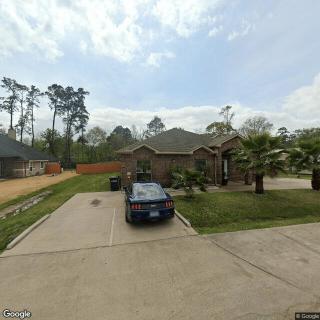
Cypress Assisted Living- Drake Prairie Lane
$3,450 / month15.9 miles away -
from -$500 / mo
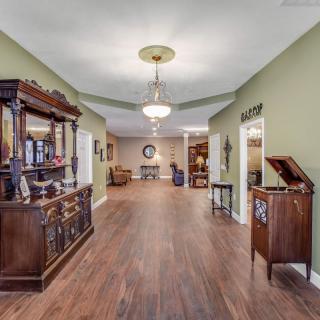
Plantation Assisted living B
$3,000 to $4,910 / month11.9 miles away -
from -$200 / mo
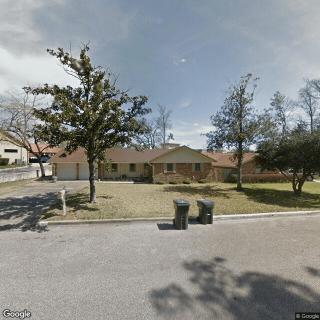
Countryside Manor Assisted Living
$3,300 to $4,300 / month19.0 miles away -
About the same
Cura Healthcare Services
$3,500 to $4,750 / month13.1 miles away -
from +$500 / mo

Homebridge Care
$4,000 to $5,000 / month6.4 miles away
Overall Review of Helens Care Cottages
Pros
 They are among the best and were voted number 1 in The Woodlands.
- Piryanka and her staff create the most loving environment with total dedication to residents and families alike.
- The care and kindness shown to residents abound.
- Acorn represents the level of care one would hope to find for loved ones.
- God bless them for their work.
Review
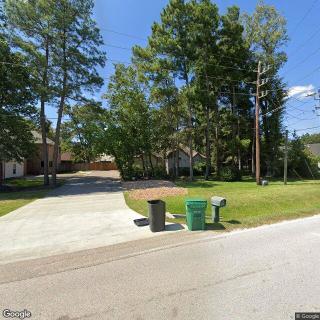
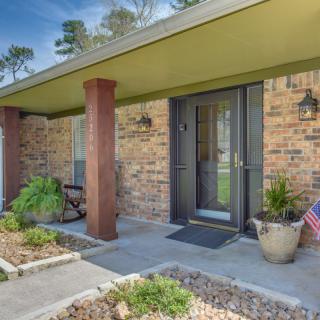
Helens Care Cottages in Spring, TX is best suited for families seeking a warm, home-like atmosphere where a small, devoted team delivers deeply personal, compassionate care. This community excels when a loved one thrives on intimate attention, steady human connection, and a life lived in a cozy, cottage setting rather than a clinical campus. It is especially compelling for residents requiring comfort-focused support or end-of-life care, where staff can invest time in knowing individual histories, preferences, and family dynamics. The message from the strongest voice here is one of genuine care, with Piryanka and her team presenting a model built on steadiness, empathy, and a respectful approach to aging and decline.
Those who may want to consider alternatives are families seeking a more medicalized environment or a larger community with structured programming and round-the-clock clinical oversight. If a resident needs frequent skilled nursing interventions, complex wounds care, or highly coordinated rehab services with a wide array of on-site specialists, a bigger assisted living or a licensed nursing facility might deliver clearer lines of accountability and a broader scope of medical resources. For families wanting extensive social activities, bustling venues, or a campus with multiple dining options and entertainment schedules, this cottage setting may feel intimate but limited.
The strongest pros are both tangible and deeply human. The setting is described as “the most loving environment,” with total dedication to residents and families alike. This translates into staff who are highly attentive, responsive, and willing to go the extra mile to ease days for residents and reduce stress for relatives. In the reviewer’s experience, care was not just competent but profoundly compassionate, extending to emotional support and practical acts of kindness that resonate long after a difficult chapter ends. The emphasis on a family-forward approach means visitors and relatives often feel welcomed, informed, and included in daily care decisions.
These advantages offset potential drawbacks in two meaningful ways. First, the intimate scale of Helens Care Cottages makes the care team more accessible and accountable; residents aren’t shuffled through anonymized routines but are known personally, which reduces confusion and anxiety for both seniors and their families. Second, the focus on kindness and presence can compensate for the absence of a hospital-like pace or formality; for families prioritizing dignity, comfort, and relational warmth, that trade-off is meaningful and valuable. In scenarios where medical complexity is moderate and the priority is meaningful daily connection, the pro-relationship dynamic often wins over any missing bells and whistles.
However, it is prudent to align expectations with what the environment can deliver. If a resident requires a high level of ongoing medical management, frequent changes in condition, or specialized therapy that demands extensive on-site resources, those needs may outpace what a cottage setting can sustain. The strength of staff devotion also implies the model relies on a small, cohesive team; should turnover occur or coverage gaps arise, continuity could feel more pronounced than in a larger operation. Families must weigh the comfort of familiarity against the realities of medical intensity and resource breadth.
In practical decision terms, this community shines for families who want a truly caring, almost familial atmosphere and who can operate comfortably with a smaller footprint of services. Prospective adopters should visit with questions about staff ratios, daily routines, and how care plans are communicated and updated. Ask to meet the care team, request recent resident and family references, and explore how end-of-life preferences are honored within the cottage framework. If the priority is a nurturing, present, and person-centered home for a loved one who values warmth over volume, Helens Care Cottages stands out as a top choice in the Spring/The Woodlands area. For those needing more intensive medical infrastructure, alternatives with broader clinical support should be pursued alongside this option.
 9 resident community capacity
 Assisted Living
 Board and Care Home
 Cable or satellite TV
 Dining room
 Fully furnished
 Garden
 Housekeeping services
 Move-in coordination
 Outdoor space
 Telephone
 Wi-Fi/high-speed internet available
 George Bush Intercontinental (13 miles away)
 24-hour supervision
 Activities of daily living assistance
 Assistance with bathing
 Assistance with dressing
 Assistance with transfers
 Diabetes diet
 Meal preparation and service
 Medication management
 Special dietary restrictions
 Transportation arrangement (medical)
 Transportation to doctors appointments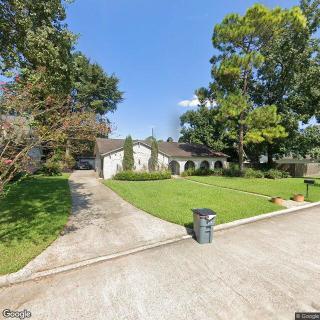




 Assisted Living and Memory Care: Understanding Their Core Differences
 Beyond the Bingo Hall: 50+ Enriching Activities for Seniors in Assisted Living
 Understanding the Distinctions: Assisted Living and Memory Care Explained