
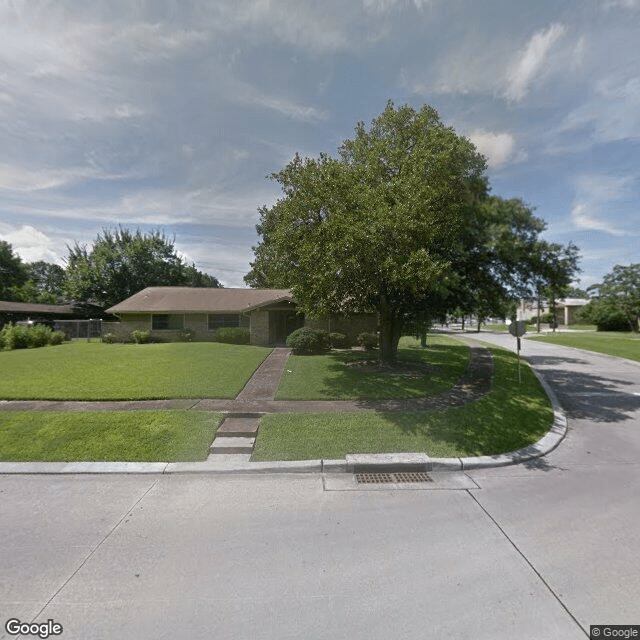
204 Confederate Way, Seabrook, TX 77586
For more information about senior living options: (866) 208-4318
Overall Review of Psalm 23 Homecare
Pros
 Psalm 23 is highly recommended for loved ones.
- The caregivers are very helpful and compassionate, and the owner is amazing.
- The setting is a smaller, home-like environment with kind and caring staff.
- It has been a very good fit for residents and their families.
- The atmosphere is calm, clean, and friendly, and residents seem happy and well cared for.
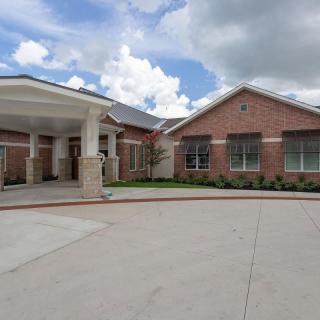
- The home feels like a personal, non-institutional place rather than a hospital.
- The staff are attentive, accommodating, and easy to work with, and they welcome families.
- The facility features a nice garden and inviting common areas for residents to enjoy.
Review
Psalm 23 Homecare in Seabrook is best suited for families seeking a small, home-like assisted living option where caregivers treat residents as neighbors and attention is consistently personal. This community excels for seniors who want a non-clinical atmosphere, regular contact with attentive staff, and a rhythm of days that feels more like a welcoming home than a institution. The reviews repeatedly underscore that residents acclimate quickly, that moms and dads feel loved, and that ownership and staff members are genuinely engaged in daily well‑being. In short, its strongest fit is for individuals who value warmth, familiarity, and a sense of belonging over formal programming.
Those who should consider alternatives are those with advanced or unpredictable medical needs that require constant, on-site nursing or high-acuity supervision, or families seeking a larger campus with extensive amenities and structured memory-care programs. A small, home setting can cap the availability of around-the-clock skilled nursing and a broader slate of on-site therapies. For residents who require private rooms as a standard and expect a larger, more resource-rich environment, other assisted living options may deliver the level of medical oversight and facility scale that Psalm 23 does not emphasize. In essence, the ideal match is a resident who thrives on intimacy and individualized care, not on institutional breadth.
The core advantages, human warmth, a calm, clean environment, and a genuinely family-friendly culture, largely offset the potential downsides inherent in a smaller operation. The staff and owner (Courtney Price) are consistently described as kind, caring, and easy to work with, with families feeling welcomed and involved. The setting itself feels less like a hospital and more like a home, which reduces anxiety for residents who fear impersonal care. Practical perks include welcoming visits from loved ones, comfortable shared spaces, and amenities like a garden and ample seating for social interaction. For residents who can share a room, the cost savings can be meaningful, while private rooms offer privacy at a higher price, balancing choice with affordability.
What really differentiates Psalm 23 is the willingness to accommodate nuanced situations that larger communities sometimes deem traceable edge cases. Several reviews emphasize success with residents who have dementia or flight risks, underscoring a practical, adaptive approach to safety and daily routines. The emphasis on quiet, home-like days, without the antiseptic feel of a care facility, translates into better mood, easier mood regulation, and more natural social engagement. The companionship opportunities, neighbors discussing common interests like music or family gatherings, tend to be richer than in bigger homes, where staff rotations can dilute personal connections. That relational depth often compensates for any gaps in formal medical programming.
Prospective families should still proceed with a concrete diligence checklist. Inquire about caregiver-to-resident ratios and the presence of licensed nursing on-site, especially for those requiring regular medical oversight. Probe memory-care capabilities and how transitions are handled if a resident’s care needs escalate. Confirm what kind of private accommodations exist and the annual or monthly cost differentials between shared and private rooms. Observe the daily routine: how meals are served, the level of assistance during activities, the accessibility of common areas, and the openness of the staff to visits by family and friends. Costs, payment expectations, and clarity about potential changes as needs evolve should also be clear before committing.
For families prioritizing a warm, intimate, and undemanding setting with deeply caring staff, Psalm 23 Homecare stands out as a compelling choice. It delivers a tangible sense of home, resident happiness, and a collaborative atmosphere that makes daily life feel manageable and dignified. Those seeking a more comprehensive medical footprint, larger campus life, or specialized high-acuity care will want to explore alternatives that align with those priorities. A measured visit, conversations with current residents and their families, and frank questions about nursing coverage and future care trajectories will illuminate whether this community will meet the long-term needs of the loved one.
 10 resident community capacity
 Assisted Living
 Board and Care Home
 Cable or satellite TV
 Dining room
 Fully furnished
 Garden
 Housekeeping services
 Move-in coordination
 Outdoor space
 Telephone
 Wi-Fi/high-speed internet available
 William P X (15 miles away)
 24-hour supervision
 Activities of daily living assistance
 Assistance with bathing
 Assistance with dressing
 Assistance with transfers
 Diabetes diet
 Meal preparation and service
 Medication management
 Special dietary restrictions
 Transportation arrangement (medical)
 Transportation to doctors appointments




 Understanding the Distinctions: Assisted Living and Memory Care Explained
 Guiding Elderly Parents Who Refuse Assisted Living: 6 Practical Steps
 Your Comprehensive Guide to Luxury Assisted Living: Elevated Facilities, Amenities, and Costs